Flowers — History & Facts
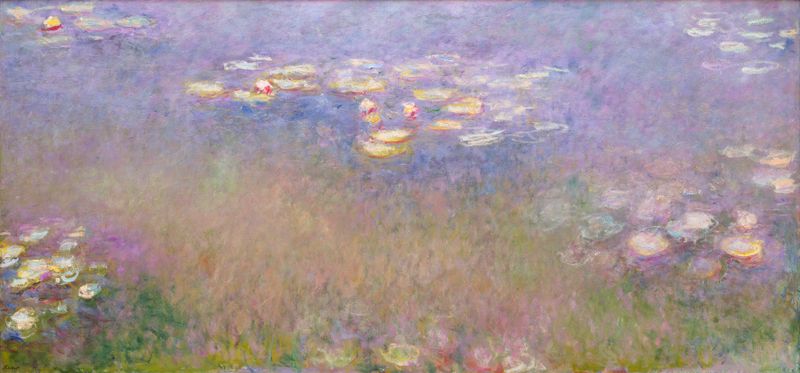
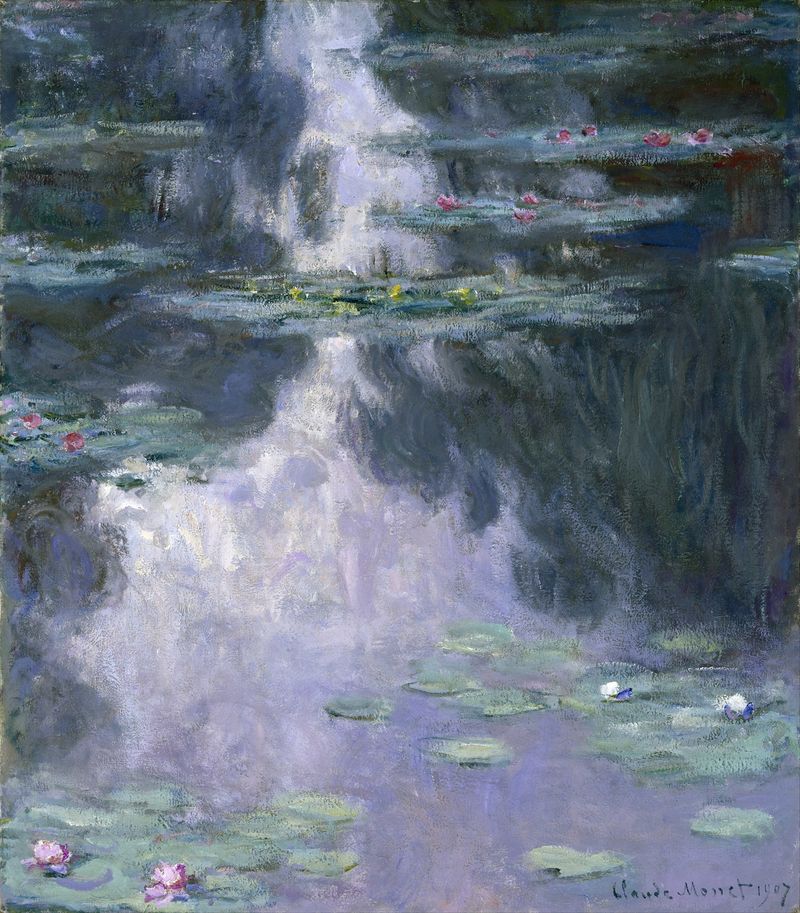
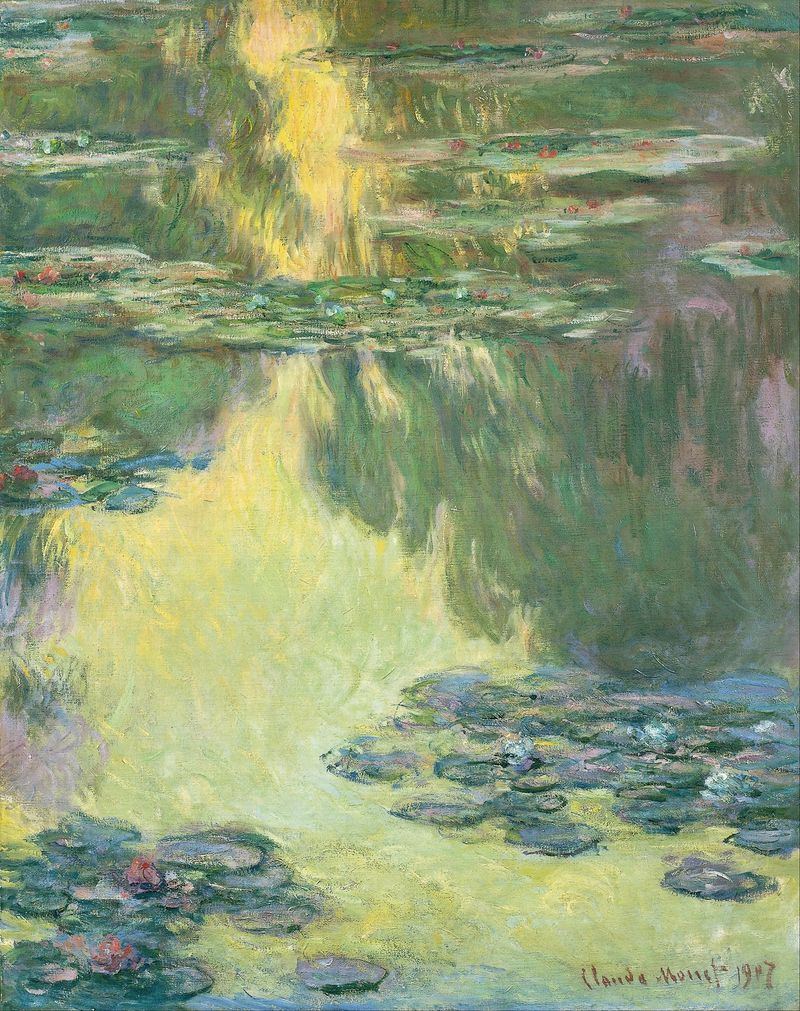
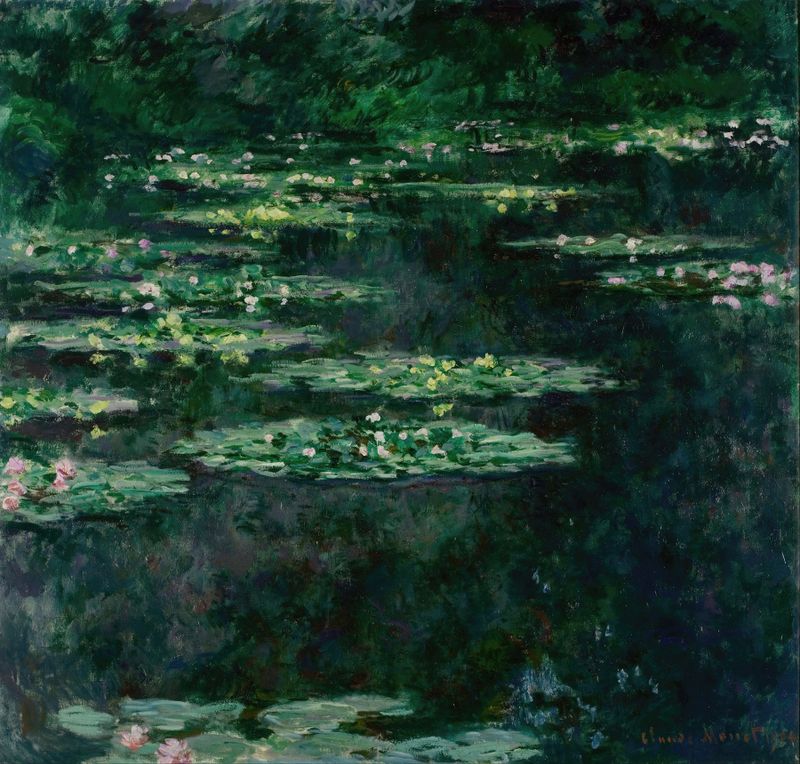
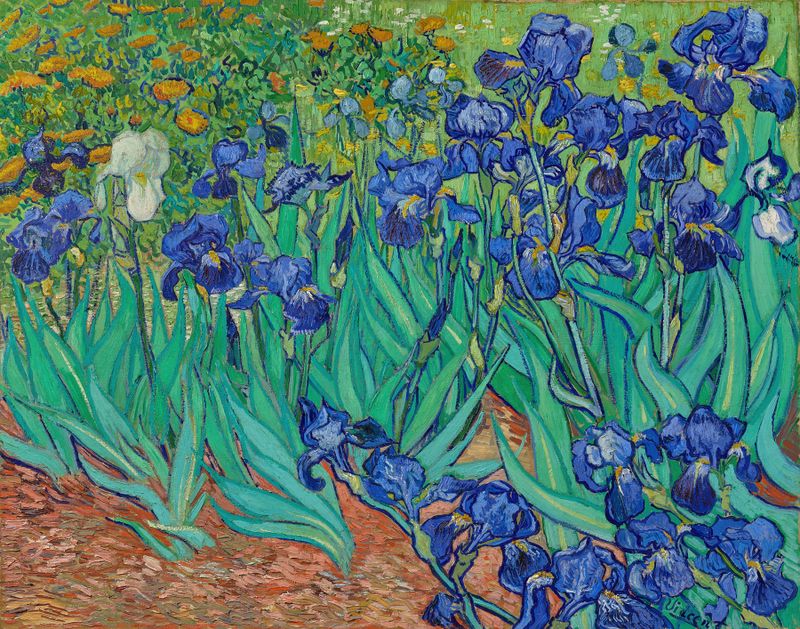
Each brushstroke in Flowers reveals a raw obsession with nature's fleeting beauty, inviting us to interrogate the fragility of life itself. Look to the center, where a lavish bouquet bursts forth in an explosion of vivid colors—crimson, gold, and the softest lilac meld into one another. The artist's thick, textured strokes create a palpable sense of movement, as if the flowers themselves might sway gently in a warm breeze. Notice how the light dances across the petals, offering a dynamic contrast between shadow and brightness, drawing you deeper into this lush garden of emotion. In this piece, the juxtaposition of wild, unrestrained growth against the stark backdrop suggests both exuberance and decay.
Each flower, vibrant yet ephemeral, speaks to the transient nature of beauty, evoking feelings of longing and nostalgia. The meticulous arrangement hints at a deeper order, a chaotic harmony where life and death entwine, compelling the viewer to reflect on their own obsessions and attachments. Created in the early 20th century, Flowers reflects Camille Bombois's unique vision of post-Impressionism, a time when artists sought to capture emotional depth through color and form. Living in France during a period of artistic upheaval, he was influenced by the evolving styles around him, embracing a bold palette and expressive technique that set him apart from his contemporaries.
This work encapsulates his fascination with nature and the complexity of human emotion, making it a captivating testament to both his talent and the era's artistic spirit.