Flowers in the Garden — History & Facts
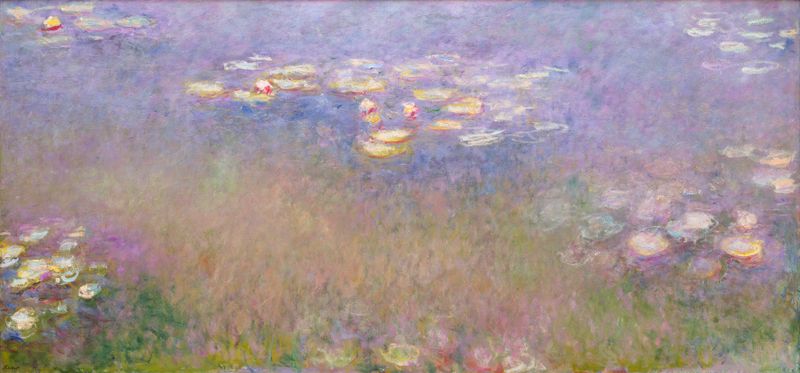
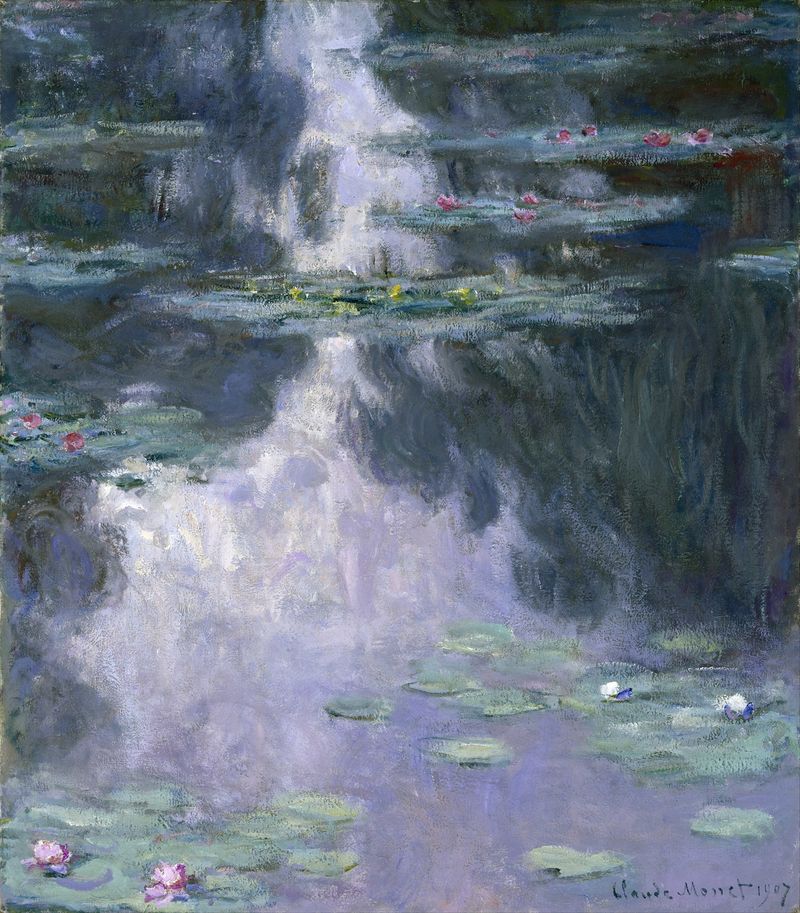
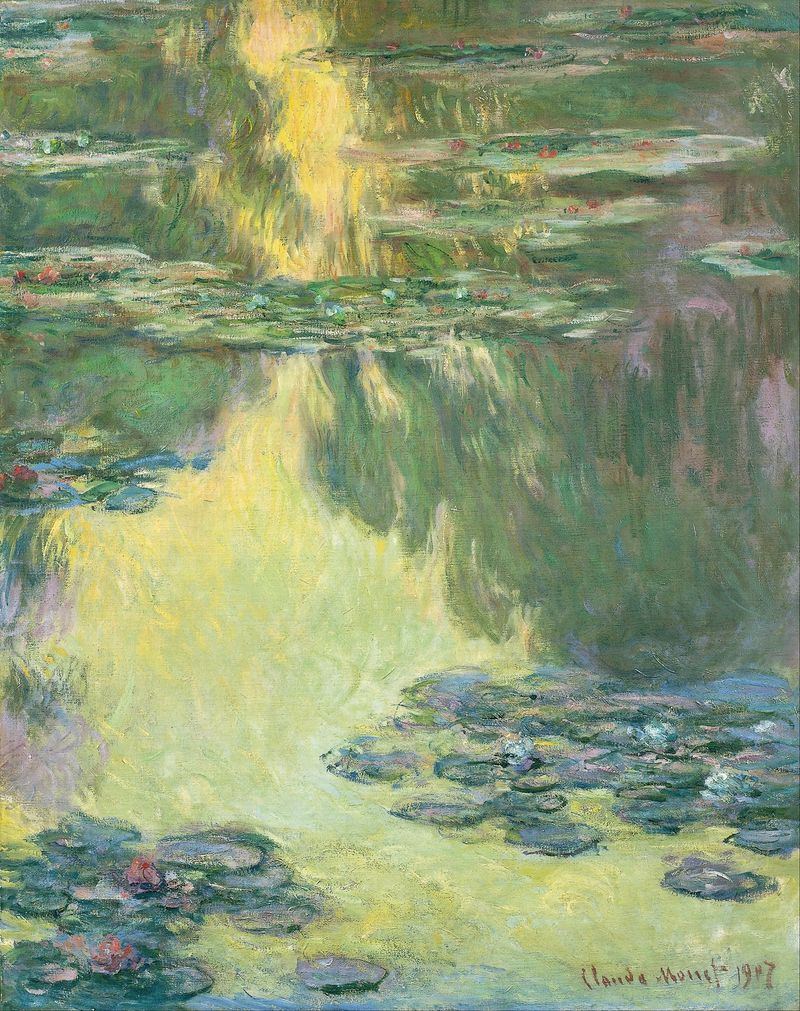
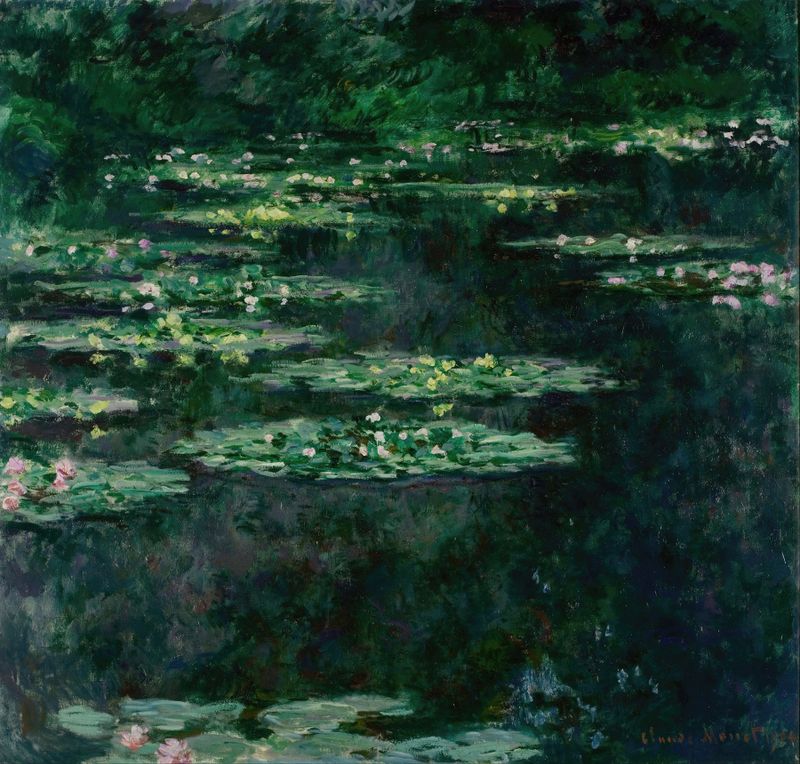
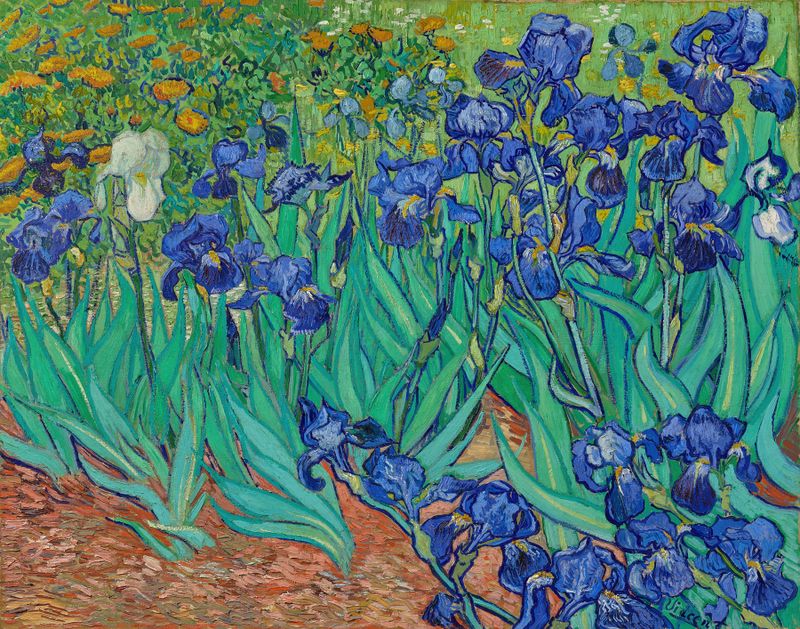
Morning light spills through the canopy of lush foliage, illuminating a riot of colors in a secluded garden. Delicate blossoms sway gently, their petals stretching towards the sun as if embracing a new dawn. In the background, a figure tends to the earth, hands buried in rich soil, embodying both nurture and renewal. Look to the left at the vibrant clusters of flowers bursting forth with an array of reds, yellows, and blues, each petal meticulously detailed.
The artist employs soft strokes to contrast with bold colors, creating a sense of movement as a gentle breeze dances through the scene. Notice how the sunlight filters through the leaves, casting playful shadows and highlighting the textures of both flora and human interaction. Beneath the surface, the painting resonates with themes of growth and transformation. The figure, though small, represents the human spirit’s connection to nature, a quiet revolution against the chaos of the outside world.
The vibrant flowers symbolize hope and resilience, reminding us that beauty can emerge even in turbulent times, echoing the promise of change. Albert Julius Olsson created Flowers in the Garden during an undefined period in his life, reflecting his fascination with nature and tranquility. Living primarily in England in the late 19th and early 20th centuries, he was influenced by the Impressionist movement, which emphasized capturing light and atmosphere. This piece captures a moment of serenity, likely a response to the rapidly changing world around him, as art began to embrace new styles and emotions.