
Flußlandschaft mit hohen Bergen, im Vordergrund zwei Maler mit Zuschauern — History & Facts
In the stillness of a landscape, the weight of absence speaks volumes, inviting contemplation on what remains unseen and unspoken. Focus first on the two painters, positioned in the foreground, their easels steadfast against the backdrop of the towering mountains. The contrast of their delicate silhouettes against the rugged heights suggests a harmony between human creation and the grandeur of nature. Notice how the muted palette of greens and earthy browns envelops the scene, evoking a sense of calm and introspection, as the light dances softly across the canvas, hinting at the twilight of day. The emotional tension arises from the juxtaposition of the vibrant life of the observers and the stillness of the artists’ focus.
The viewers, perhaps caught in a shared moment of admiration, are symbols of the collective experience of art’s transformative power. Yet, the void between the painters and their audience—each absorbed in their own world—whispers of isolation despite the proximity. Each brushstroke holds potential, yet the landscape echoes with the weight of unexpressed desires, a reminder of the fleeting nature of inspiration. In 1788, while residing in Lyon, the artist created this piece at a time when Romanticism was beginning to surface, challenging classical ideals.
As he captured the serenity of the French countryside, Boissieu was grappling with the evolving landscape of art, seeking to convey the sublime through his compositions. His work reflects not only personal exploration but also the broader cultural shifts of the late 18th century.
More Artworks by Jean-Jacques de Boissieu
Browse all →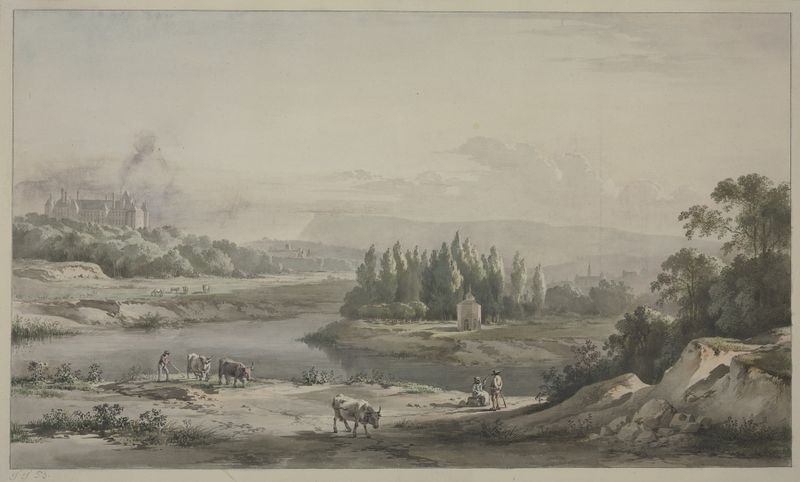
River Landscape
Jean-Jacques de Boissieu

Vestiges du temple d’Apollon au bord du Lac d’Auverne
Jean-Jacques de Boissieu

Vue du pont de la Guillotière à Lyon
Jean-Jacques de Boissieu
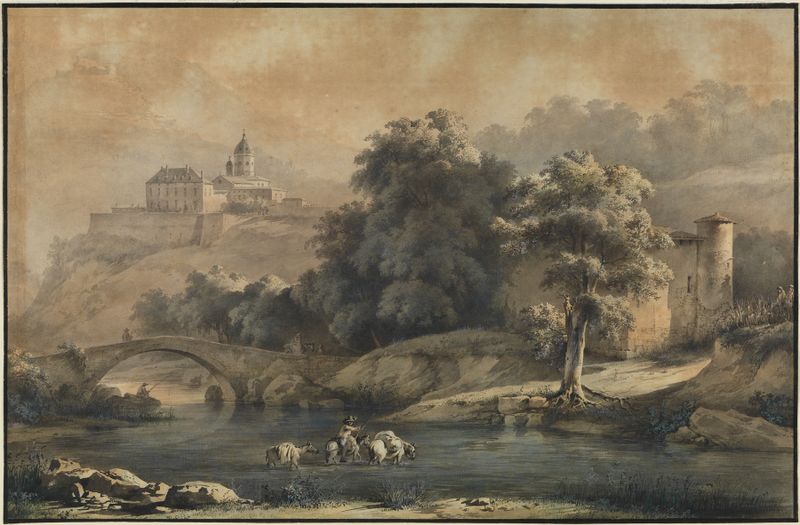
Flußlandschaft mit Bergkloster
Jean-Jacques de Boissieu
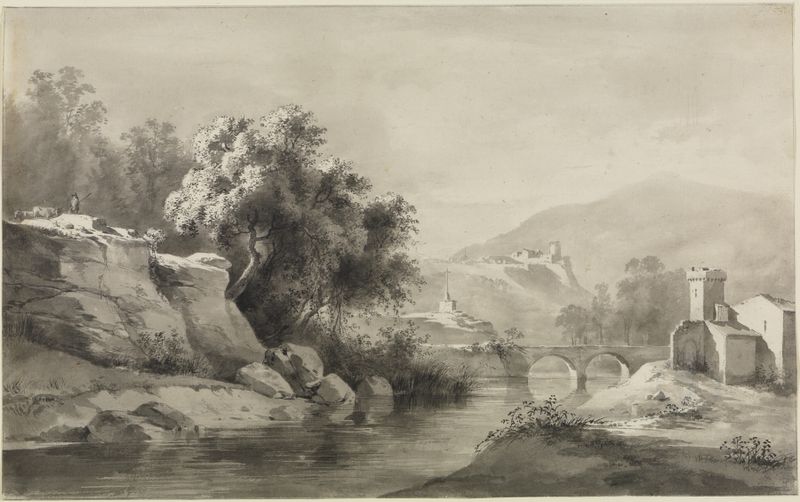
Flusslandschaft mit Doppelbogenbrücke und Kreuz
Jean-Jacques de Boissieu
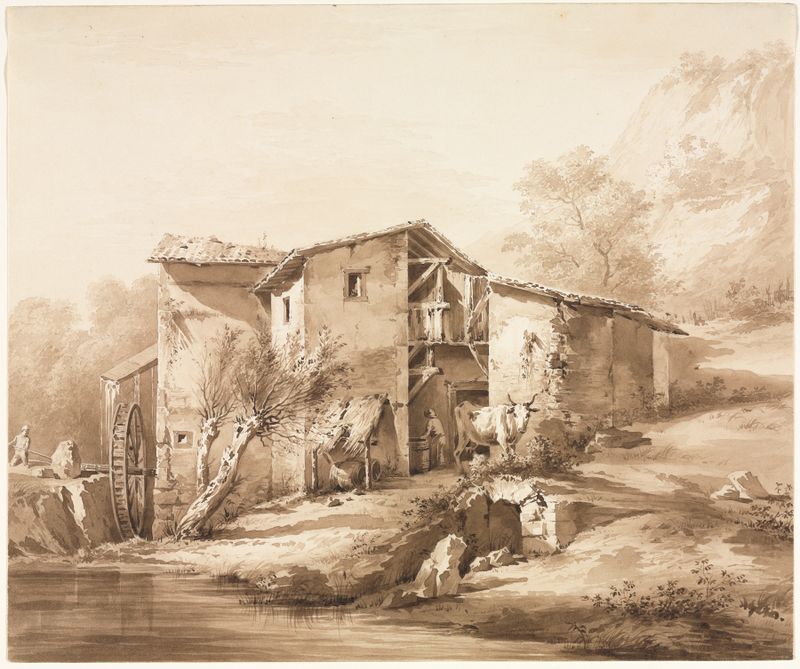
Landscape with Watermill
Jean-Jacques de Boissieu

Château Galliard
Jean-Jacques de Boissieu

Flußlandschaft bei L’Arbresle im Lyonnais
Jean-Jacques de Boissieu
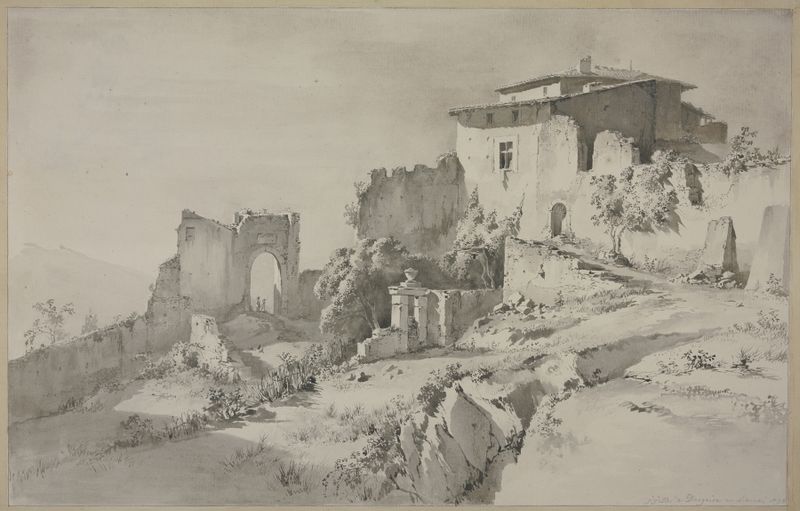
Landscape near Dargoire
Jean-Jacques de Boissieu

Tree with leafless treetop
Jean-Jacques de Boissieu





