
Foehn Wind — History & Facts
In Foehn Wind, the artist captures a serene moment, where tranquility masks an underlying turmoil, inviting viewers to delve into the duality of existence. Focus first on the expansive landscape that unfolds across the canvas, where soft hues of gold and green blend seamlessly. The gentle brushwork and fluid lines evoke a sense of calm, drawing the eye towards the distant mountains, where the peaks touch the horizon. Notice how the light dances upon the surfaces, creating an ethereal glow that suggests both warmth and a hint of foreboding, reminiscent of the foehn wind itself—gentle yet capable of bringing change. Beneath this serene facade lies a tension that questions the nature of beauty and tranquility.
The delicate interplay of light and shadow reveals subtle contours of the land, hinting at unseen movement below the surface. The juxtaposition of soft colors against sharp outlines suggests that not all is as it seems; what appears peaceful may conceal deeper struggles and the impact of natural forces, mirroring the complexities of life. In 1895, Stanisław Witkiewicz painted Foehn Wind in Poland during a period of artistic exploration and national identity formation. The late 19th century was a time of significant change, with movements like Impressionism influencing artists to embrace emotions and light.
Witkiewicz sought to express the beauty of nature while reflecting the shifting human experience, capturing a moment that resonates with both serenity and an undercurrent of change.
More Artworks by Stanisław Witkiewicz
Browse all →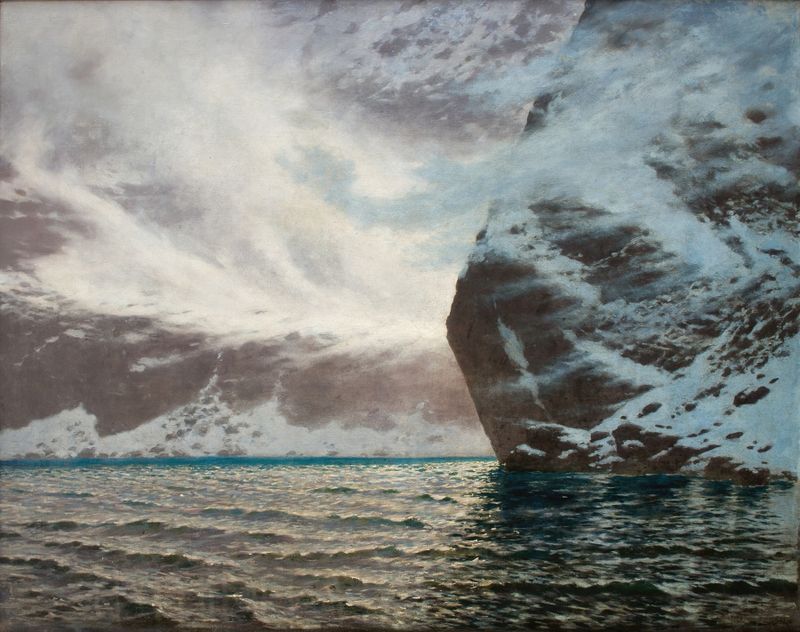
Czarny Staw (The Blake Lake) – Blizzard
Stanisław Witkiewicz

Baltic Sea near Palanga
Stanisław Witkiewicz
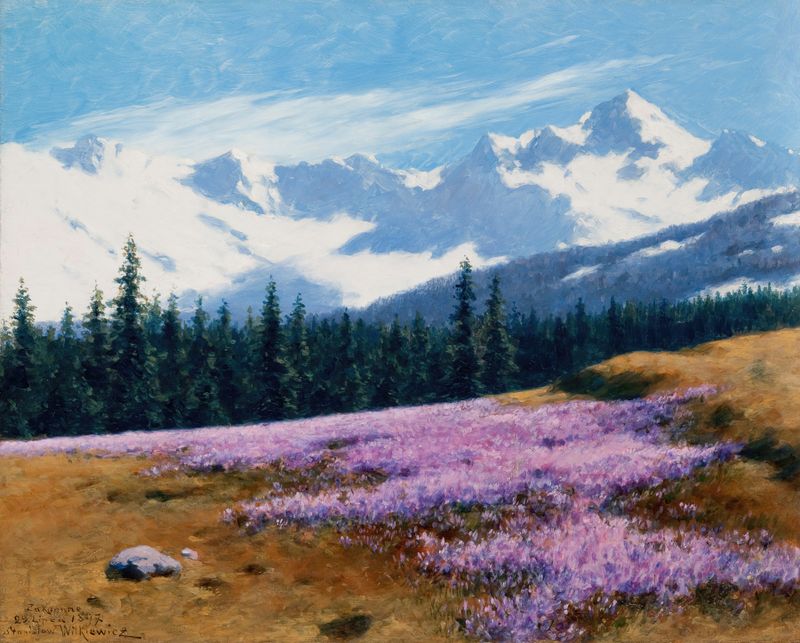
Crocuses with Snowy Mountains Behind
Stanisław Witkiewicz

Spring Mist
Stanisław Witkiewicz
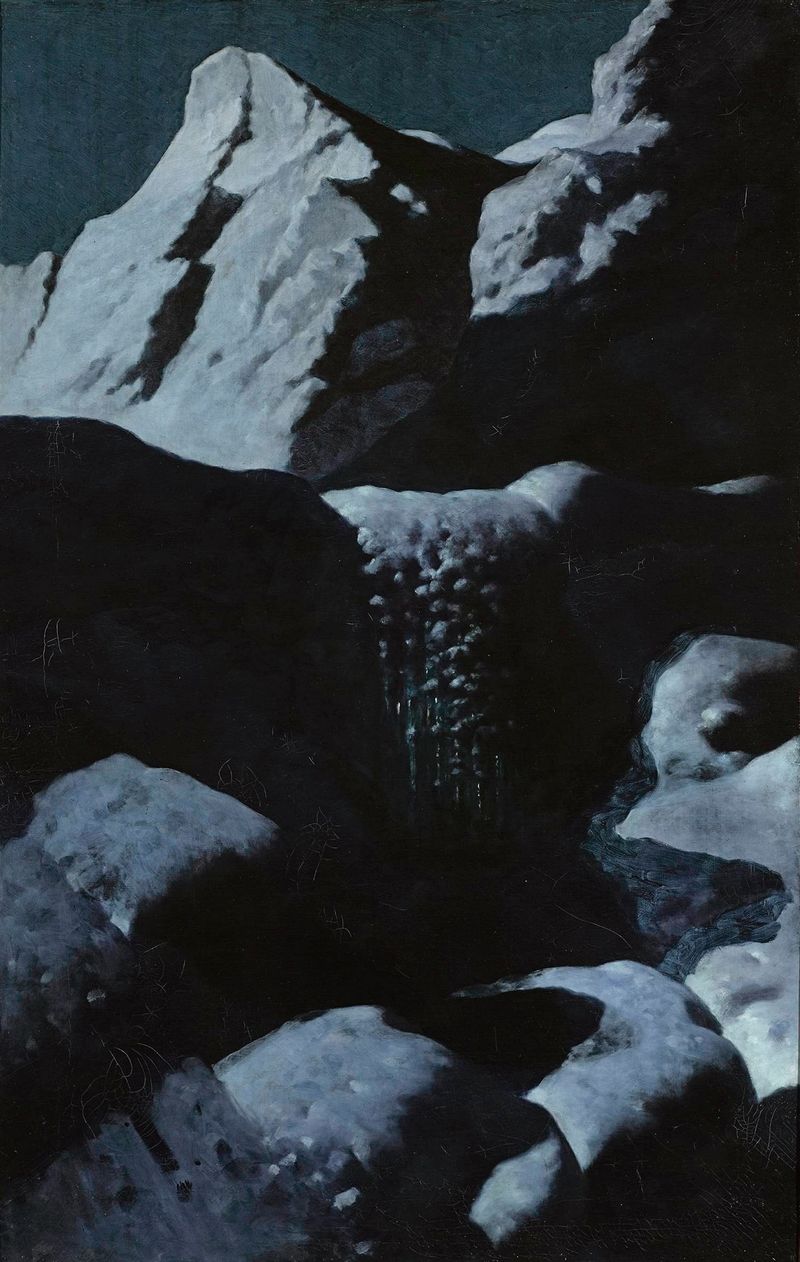
Winter landscape from the Tatra Mountains
Stanisław Witkiewicz
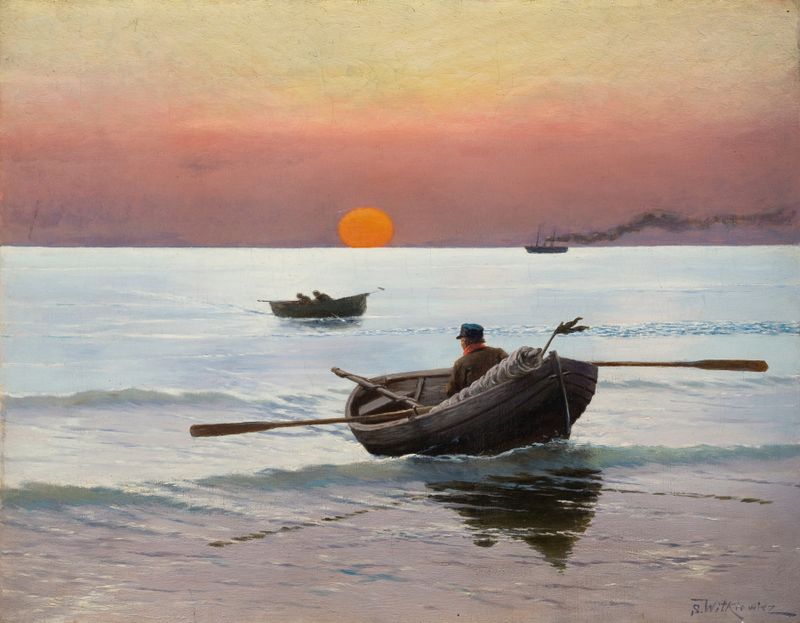
Sunset on the Sea
Stanisław Witkiewicz

Autumn Pasturage
Stanisław Witkiewicz
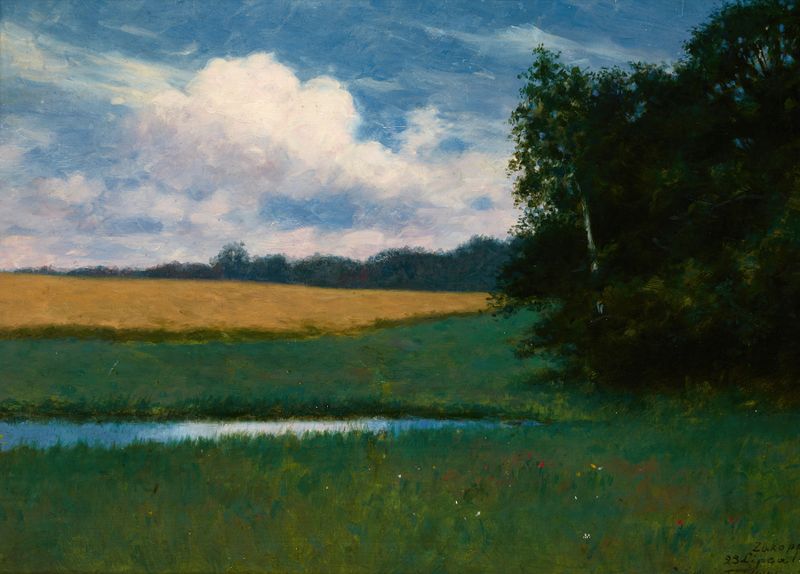
Dusk
Stanisław Witkiewicz
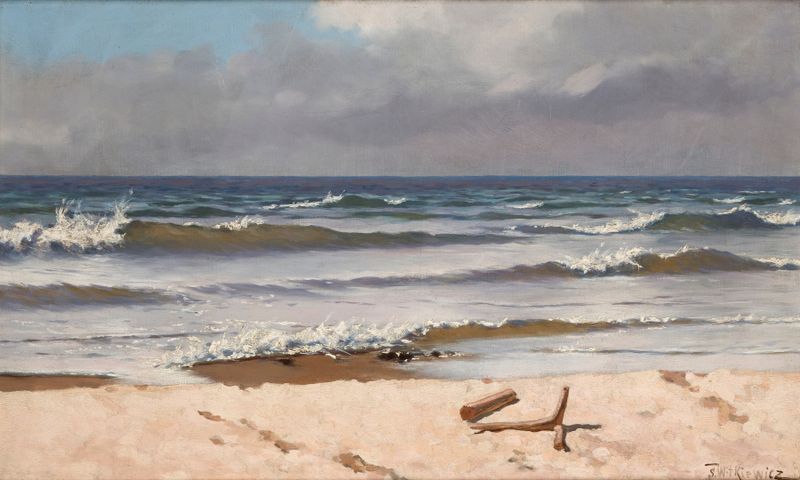
Coast at Połąga
Stanisław Witkiewicz

Crocuses and Marsh-Marigolds
Stanisław Witkiewicz





