
Coast at Połąga — History & Facts
Could beauty survive in a century of chaos? In Coast at Połąga, the artist captures an ephemeral moment, a fleeting dance between land and sea, echoing the movement of life itself amid turmoil. Look to the horizon, where the soft blues of the water meet wisps of white foam, a gentle contrast to the sandy shore below. Notice how the light scatters across the surface, creating a shimmering effect that invites the viewer to imagine the cool breeze and salty air. The composition leads your gaze from the vibrant sky, painted with strokes of pink and gold, down to the serene waves, suggesting a balanced harmony that stands as a testament to nature's beauty. Yet, beneath this tranquil surface lies a tension inherent to the scene.
The restless waves, rendered with dynamic brushstrokes, evoke a sense of movement, hinting at the constant ebb and flow of human experience. The quiet shoreline contrasts sharply with the vigorous rhythm of the sea, symbolizing the duality of calm and conflict that permeates existence. This juxtaposition serves as a reminder that even in moments of stillness, life is rife with unseen currents. Stanisław Witkiewicz created this work in 1889 while living in Poland, a time marked by political upheaval and cultural change.
The artist was deeply engaged in the burgeoning movement of Polish Impressionism, influenced by his travels and the rich landscapes of his homeland. This painting embodies his desire to capture the beauty of the natural world even as society faced challenges, making it a poignant reflection of both personal and collective resilience.
More Artworks by Stanisław Witkiewicz
Browse all →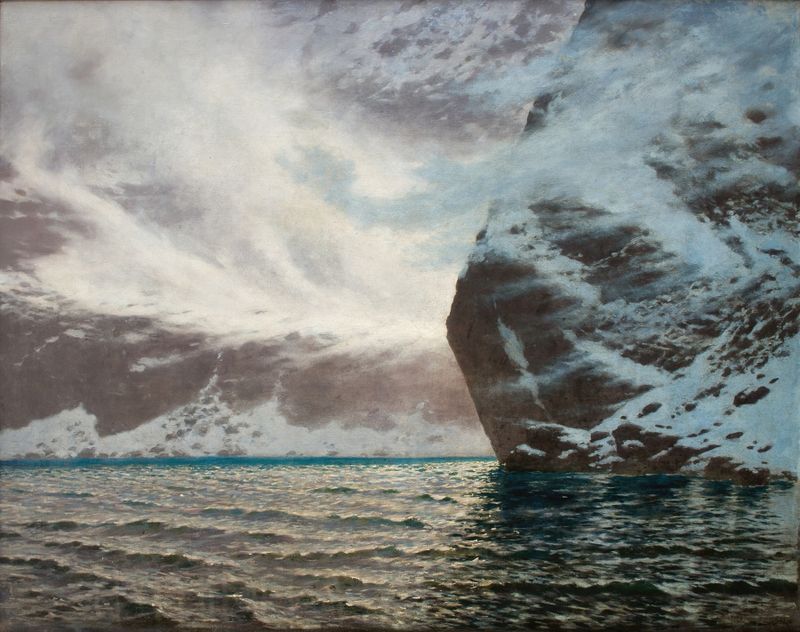
Czarny Staw (The Blake Lake) – Blizzard
Stanisław Witkiewicz

Baltic Sea near Palanga
Stanisław Witkiewicz
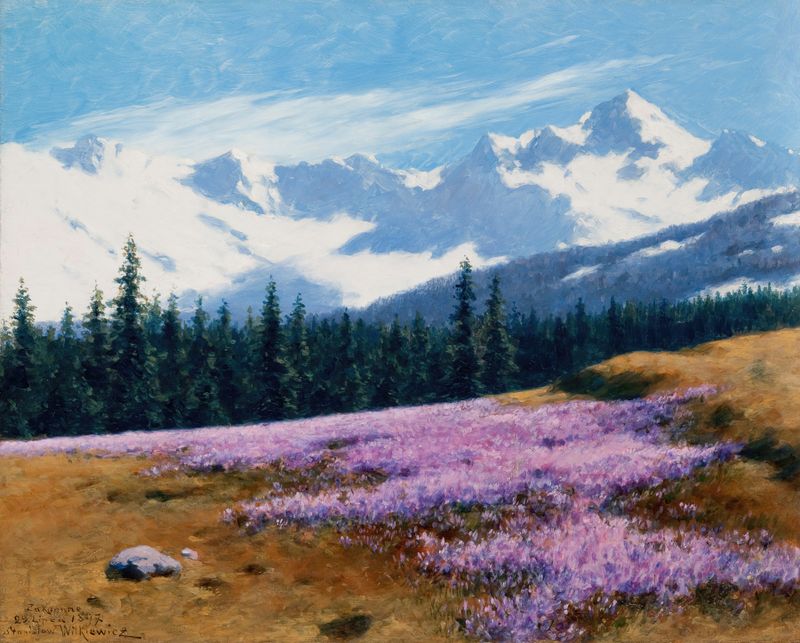
Crocuses with Snowy Mountains Behind
Stanisław Witkiewicz

Spring Mist
Stanisław Witkiewicz

Foehn Wind
Stanisław Witkiewicz
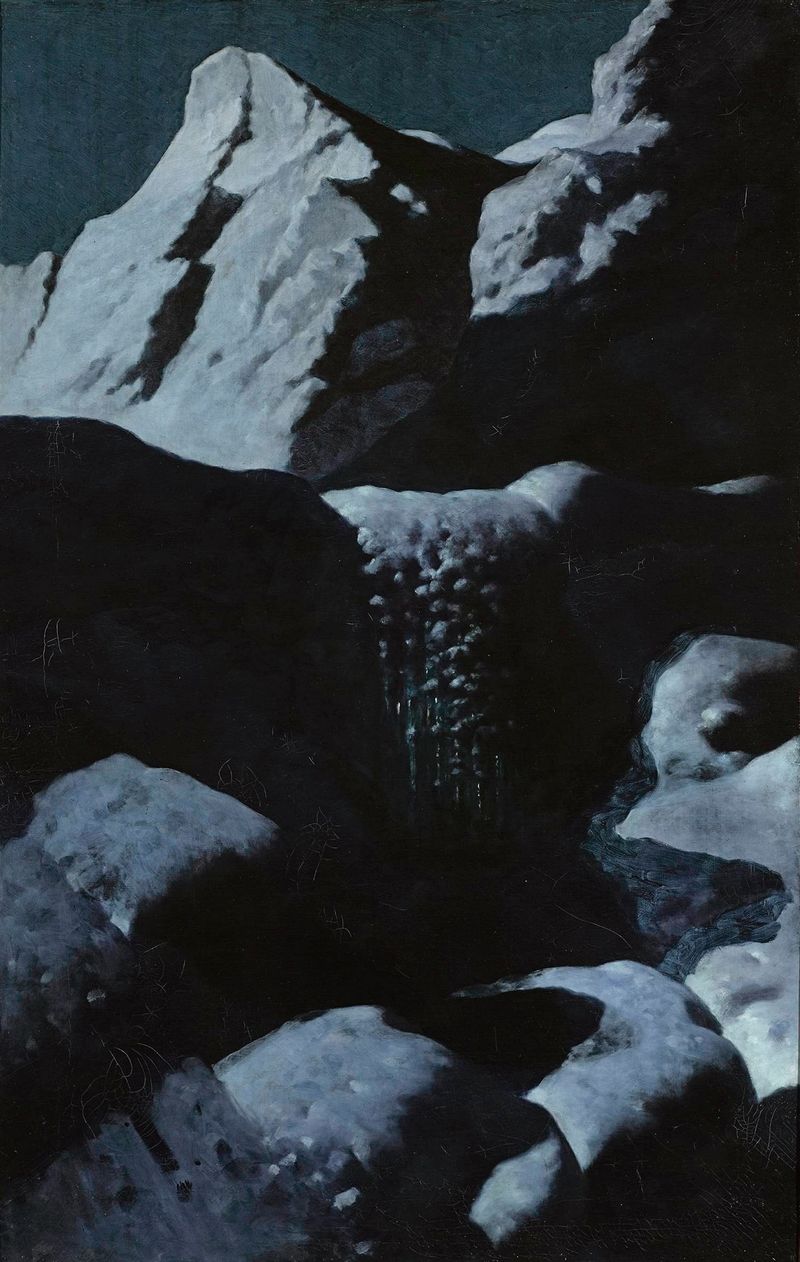
Winter landscape from the Tatra Mountains
Stanisław Witkiewicz
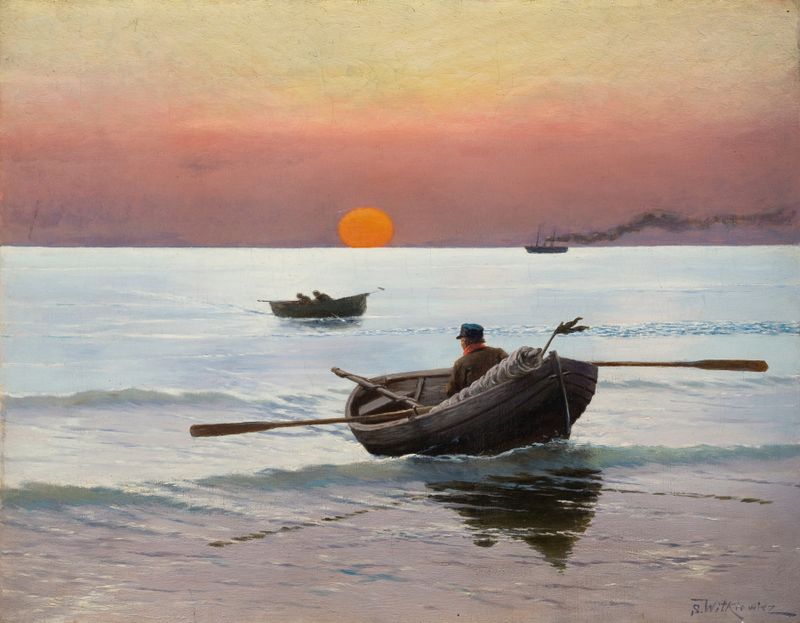
Sunset on the Sea
Stanisław Witkiewicz

Autumn Pasturage
Stanisław Witkiewicz
Dusk
Stanisław Witkiewicz

Crocuses and Marsh-Marigolds
Stanisław Witkiewicz





