
Spring Mist — History & Facts
The essence of divine beauty often hides an undercurrent of struggle, a subtle tension that reveals the complexity of existence. Focus your gaze on the luminous horizon where soft, ethereal hues of blue and gold merge seamlessly. The delicate brushstrokes create an almost dreamlike quality, inviting you to explore the layers of mist that veil the landscape. Notice how the light glimmers off the surface, transforming the ordinary into something transcendent, while the play of shadow suggests an enigmatic depth beneath the beauty. In this work, the contrast between light and dark symbolizes the interplay between hope and despair, encapsulating the duality of nature.
The mist serves as a metaphor for the obscured truths of life, suggesting that what we perceive is not always the full reality. Each gentle swirl and ripple in the painting speaks of both clarity and ambiguity, striking a chord within the viewer that resonates with the hidden struggles that accompany beauty. Stanisław Witkiewicz painted Spring Mist in 1893 while living in Poland, a time when the country was experiencing a cultural renaissance infused with a sense of national identity. As an influential figure in the Young Poland movement, he sought to marry tradition with modernity, capturing the essence of his era's artistic spirit while also grappling with the complexities of the human experience.
This painting reflects his internal dialogues and deep-seated reflections on beauty, nature, and the divine.
More Artworks by Stanisław Witkiewicz
Browse all →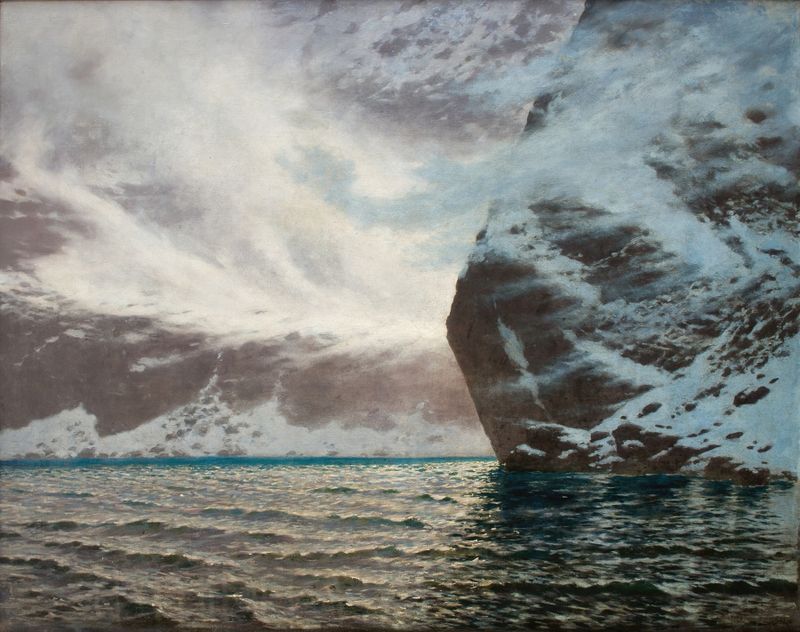
Czarny Staw (The Blake Lake) – Blizzard
Stanisław Witkiewicz

Baltic Sea near Palanga
Stanisław Witkiewicz
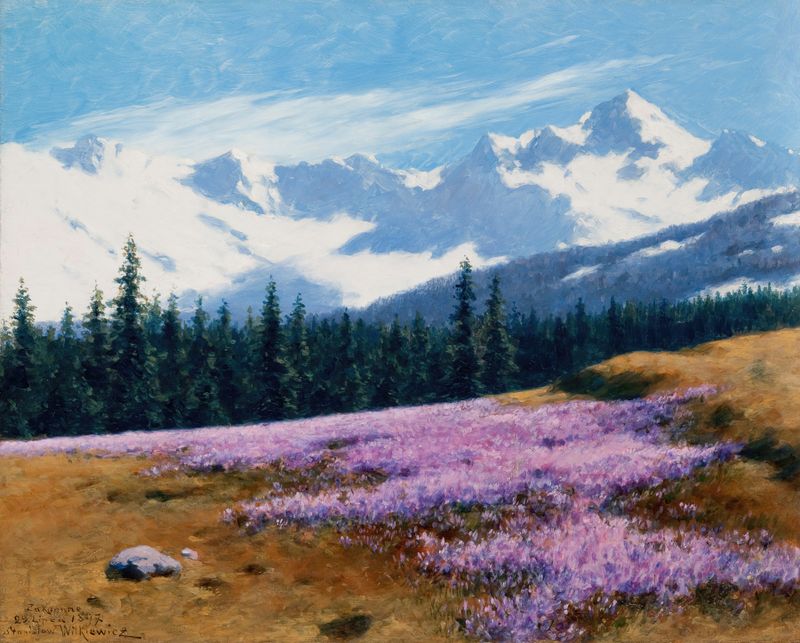
Crocuses with Snowy Mountains Behind
Stanisław Witkiewicz

Foehn Wind
Stanisław Witkiewicz
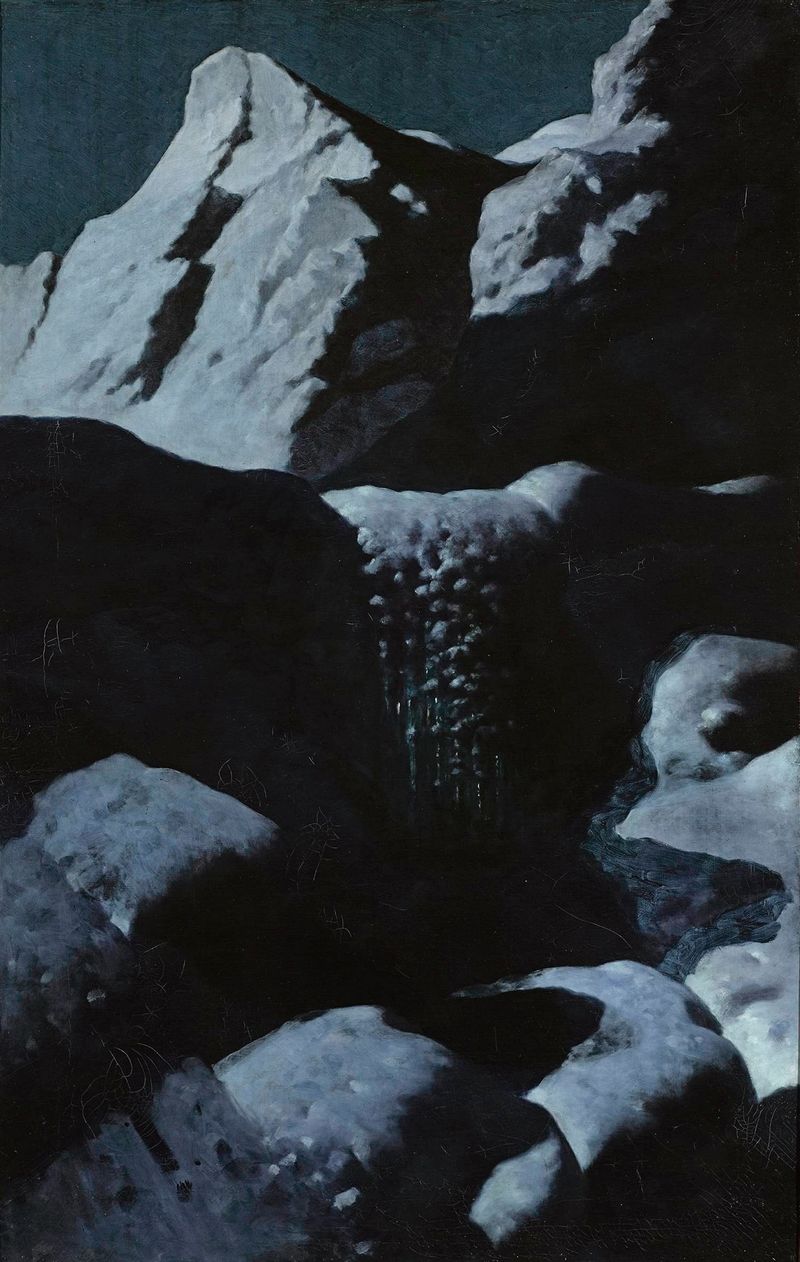
Winter landscape from the Tatra Mountains
Stanisław Witkiewicz
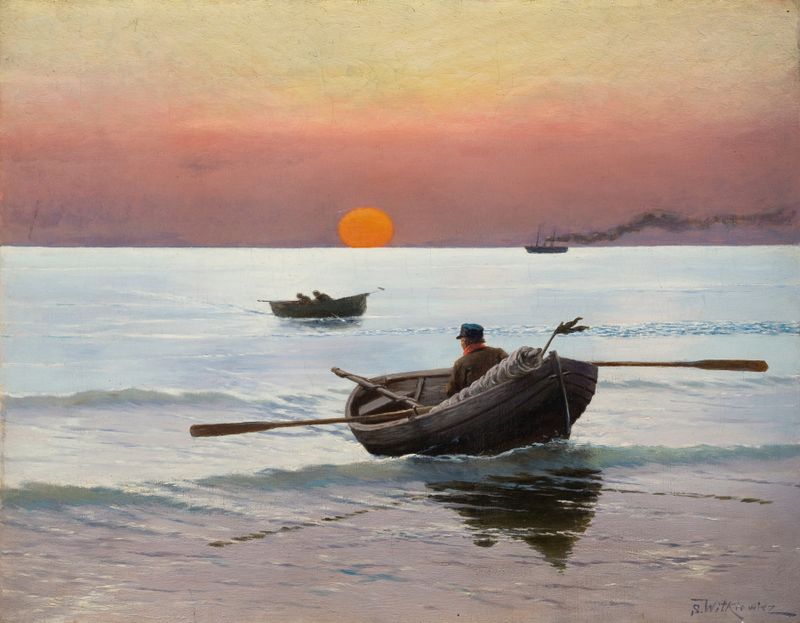
Sunset on the Sea
Stanisław Witkiewicz

Autumn Pasturage
Stanisław Witkiewicz
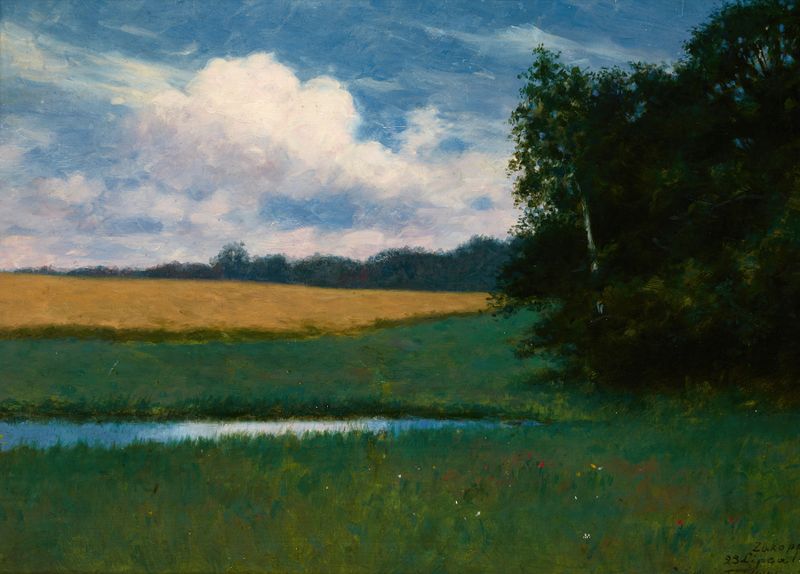
Dusk
Stanisław Witkiewicz
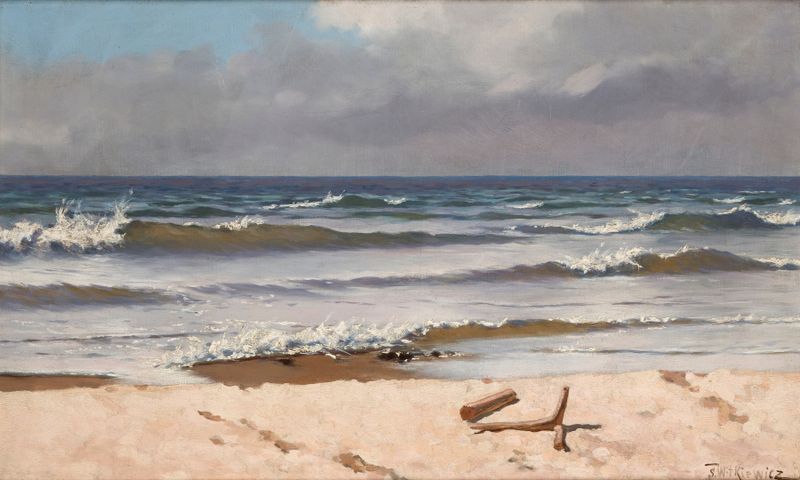
Coast at Połąga
Stanisław Witkiewicz

Crocuses and Marsh-Marigolds
Stanisław Witkiewicz





