
Dusk — History & Facts
In the twilight of human experience, hope flickers like a fading star. It reminds us that even in moments of uncertainty, beauty can emerge from the shadows. Focus on the soft interplay of colors, where deep blues and gentle purples intermingle, creating a serene yet electrifying backdrop. The viewer's gaze is drawn to the horizon, where a delicate light emerges, hinting at the promise of a new day.
Notice how the brushstrokes undulate, capturing the essence of dusk with both fluidity and strength, inviting you to wander into a world suspended between dreams and reality. This painting juxtaposes the melancholy of day’s end with the quiet optimism of nightfall. The blend of warm and cool tones suggests an emotional tension: the struggle between despair and hope. The ethereal light streaming through the clouds embodies a silent promise, while the darker shades anchor the piece in a bittersweet reality, reminding us that every ending is also a beginning. In 1898, Witkiewicz was navigating the complexities of his artistic identity amid a rapidly changing cultural landscape in Poland.
Emerging from the influences of the Symbolist movement, he sought to capture the ephemeral beauty of nature through his unique lens. This period marked a crucial moment in his career, during which he began to embrace the emotional resonance of color and form, leading to works that would define his artistic legacy.
More Artworks by Stanisław Witkiewicz
Browse all →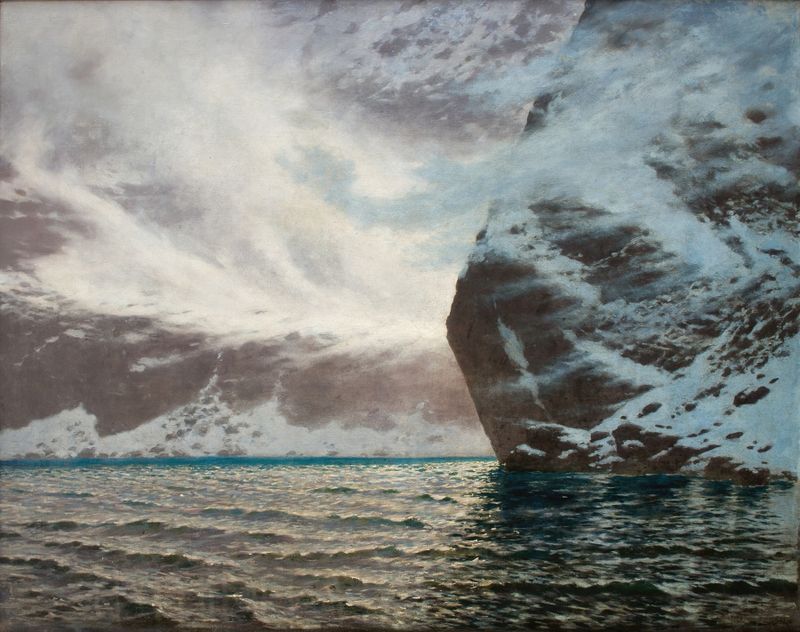
Czarny Staw (The Blake Lake) – Blizzard
Stanisław Witkiewicz

Baltic Sea near Palanga
Stanisław Witkiewicz
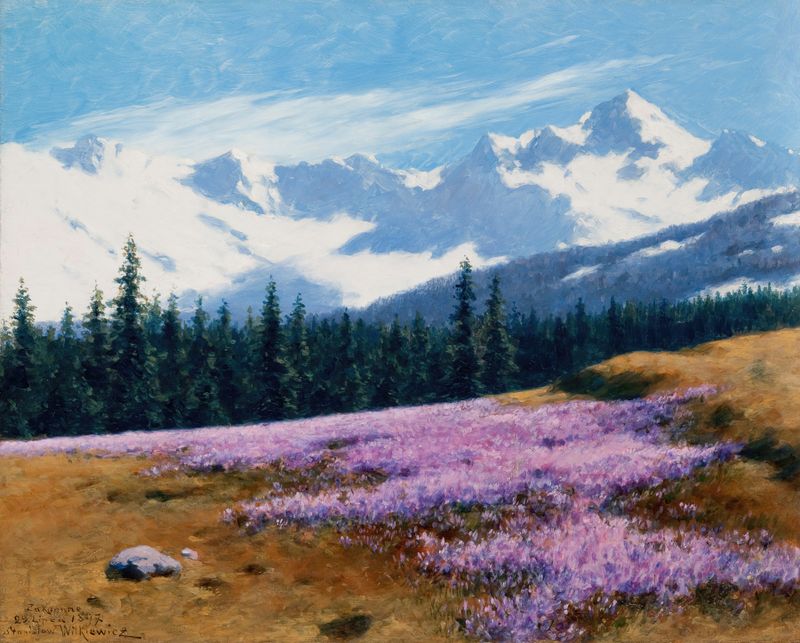
Crocuses with Snowy Mountains Behind
Stanisław Witkiewicz

Spring Mist
Stanisław Witkiewicz

Foehn Wind
Stanisław Witkiewicz
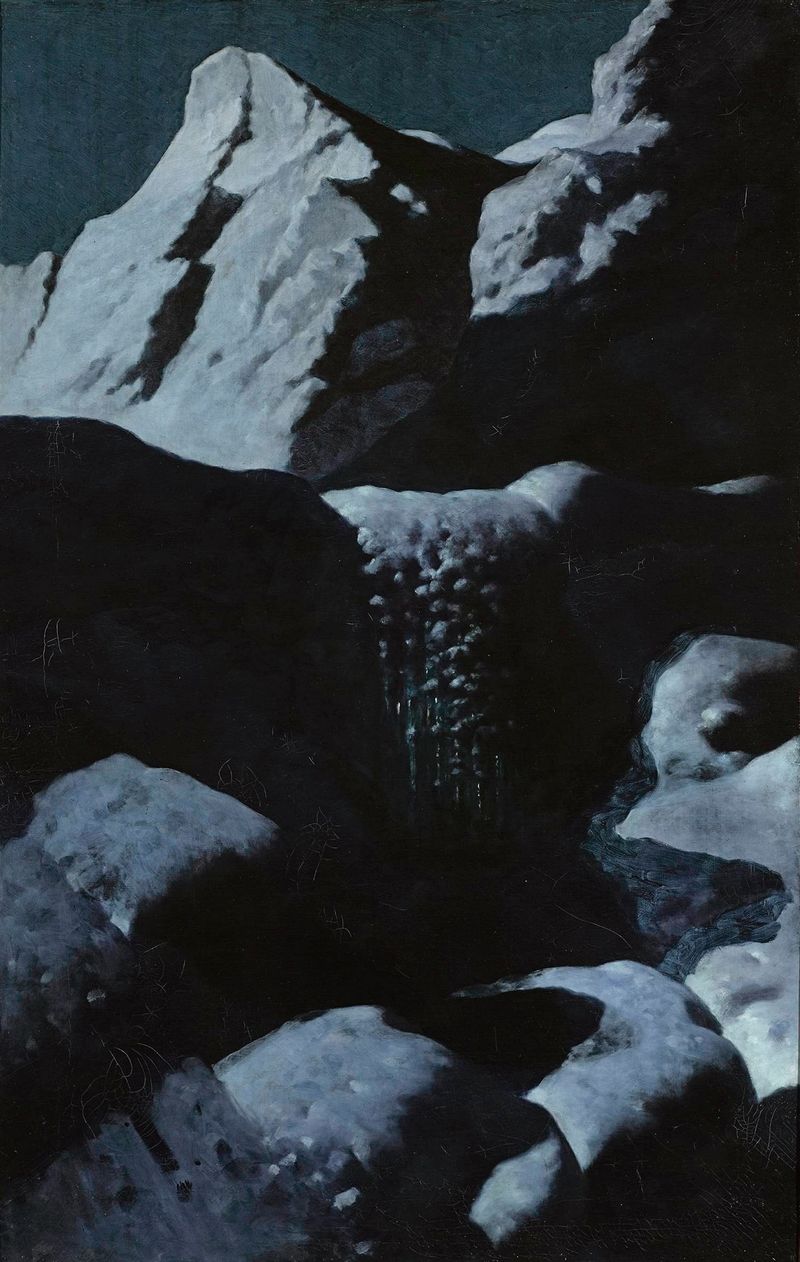
Winter landscape from the Tatra Mountains
Stanisław Witkiewicz
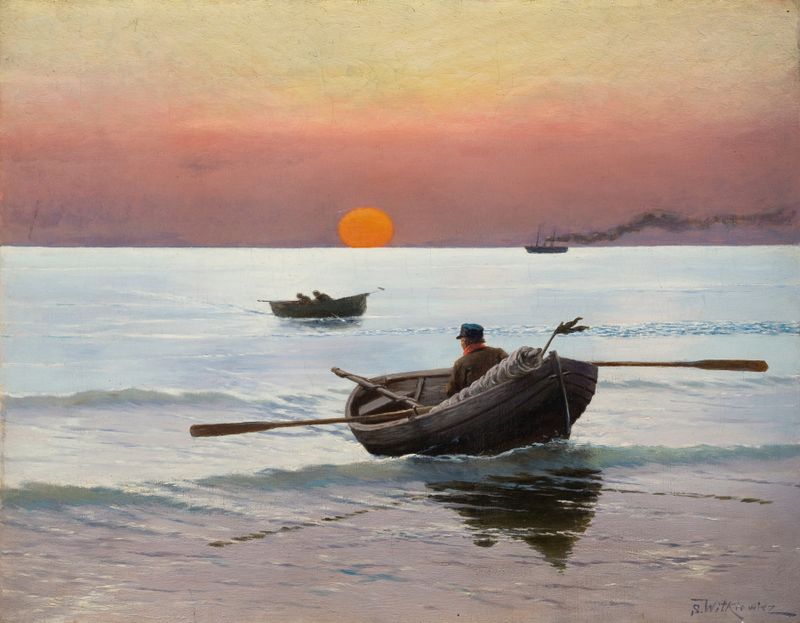
Sunset on the Sea
Stanisław Witkiewicz

Autumn Pasturage
Stanisław Witkiewicz
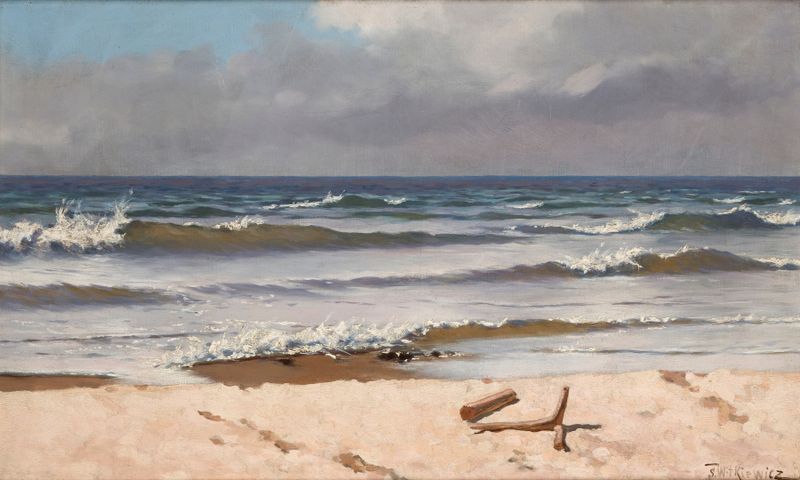
Coast at Połąga
Stanisław Witkiewicz

Crocuses and Marsh-Marigolds
Stanisław Witkiewicz





