
Folded Hills and Layered Peaks — History & Facts
In the quiet embrace of nature, the mountains rise in stoic grandeur, whispering tales of time and mortality. Look to the right at the jagged peaks, their sharp contours softened by the delicate brushstrokes that suggest the passage of time. The muted palette of greens and browns merges seamlessly, creating a harmonious balance that invites contemplation. Notice how the light dances across the hills, illuminating the folds in the landscape and drawing the viewer’s eye deeper into its layered depths. The juxtaposition of the vivid mountain ranges and the subtle, almost ethereal mist hints at life's transience.
Each peak stands resilient yet vulnerable, a metaphor for the human experience—the struggle against the inevitability of change and decay. The serene composition evokes both solace and sorrow, encouraging a reflection on one's own journey through existence. In 1847, Tsubaki Chinzan created this piece during a time when Japan was experiencing significant cultural shifts amid the Edo period’s isolation. Exploring traditional themes, he sought to capture the essence of nature while reflecting on the human condition.
His work stands as a testament to both the beauty and the fragility of life, resonating deeply with the collective consciousness of his age.
More Artworks by Tsubaki Chinzan
Browse all →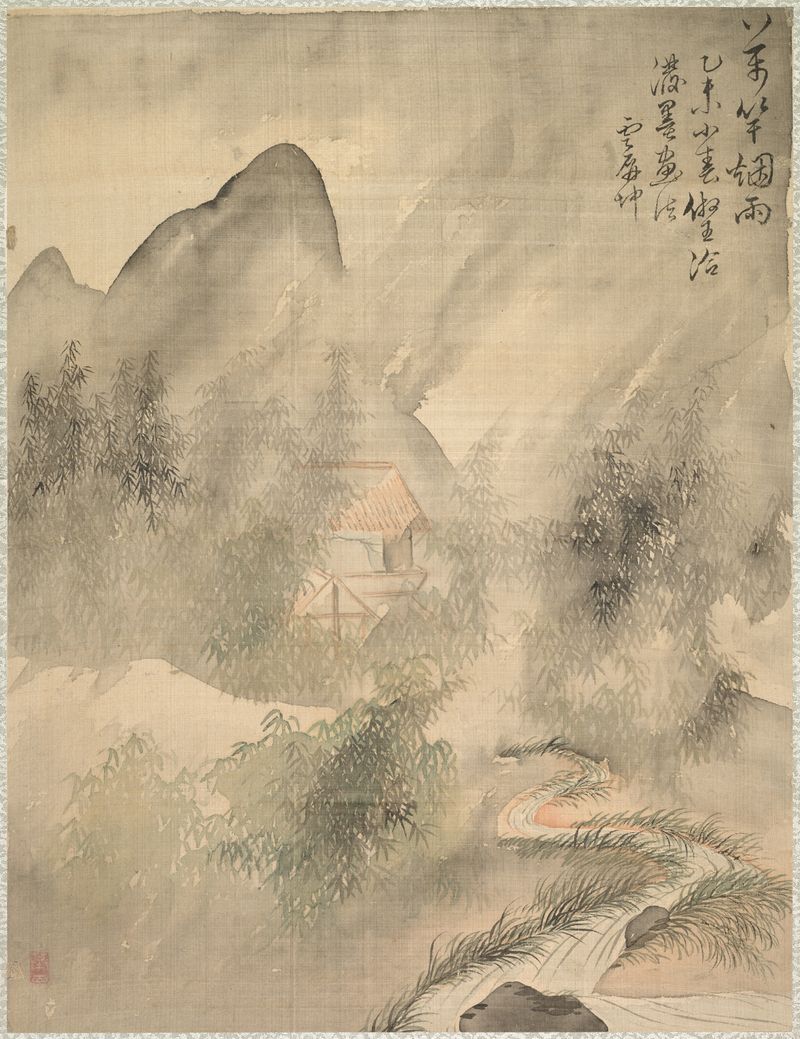
Ten Thousand Bamboos in the Mist and Rain
Tsubaki Chinzan
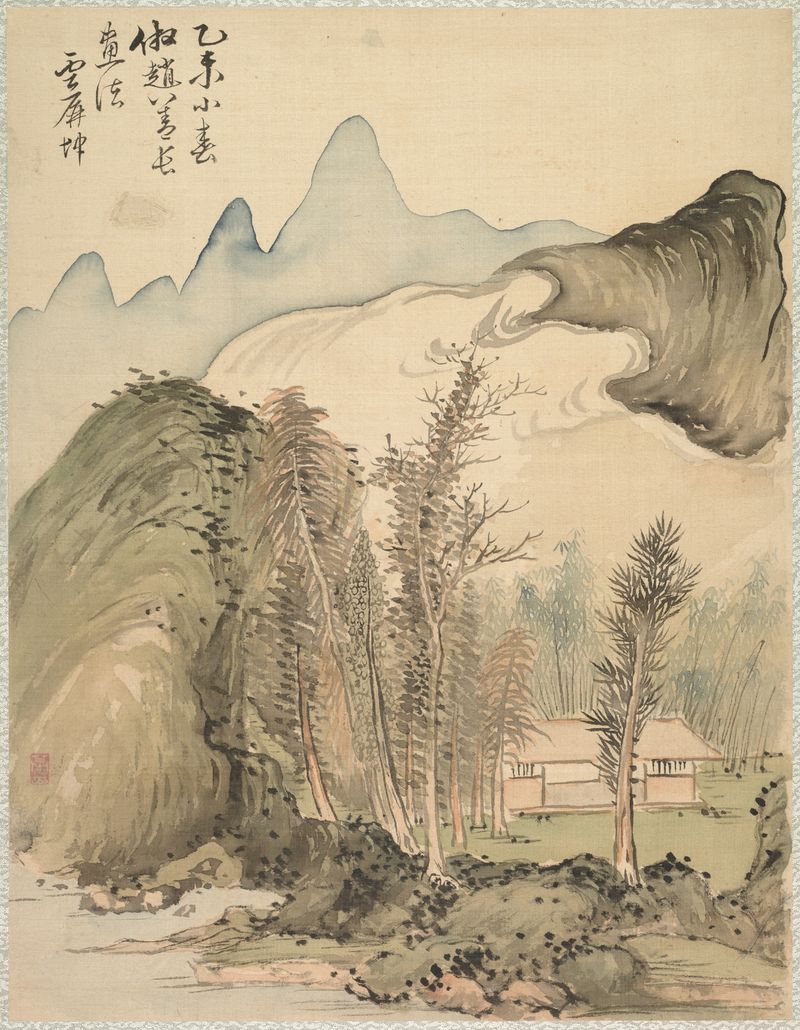
Hut Amidst the Trees
Tsubaki Chinzan
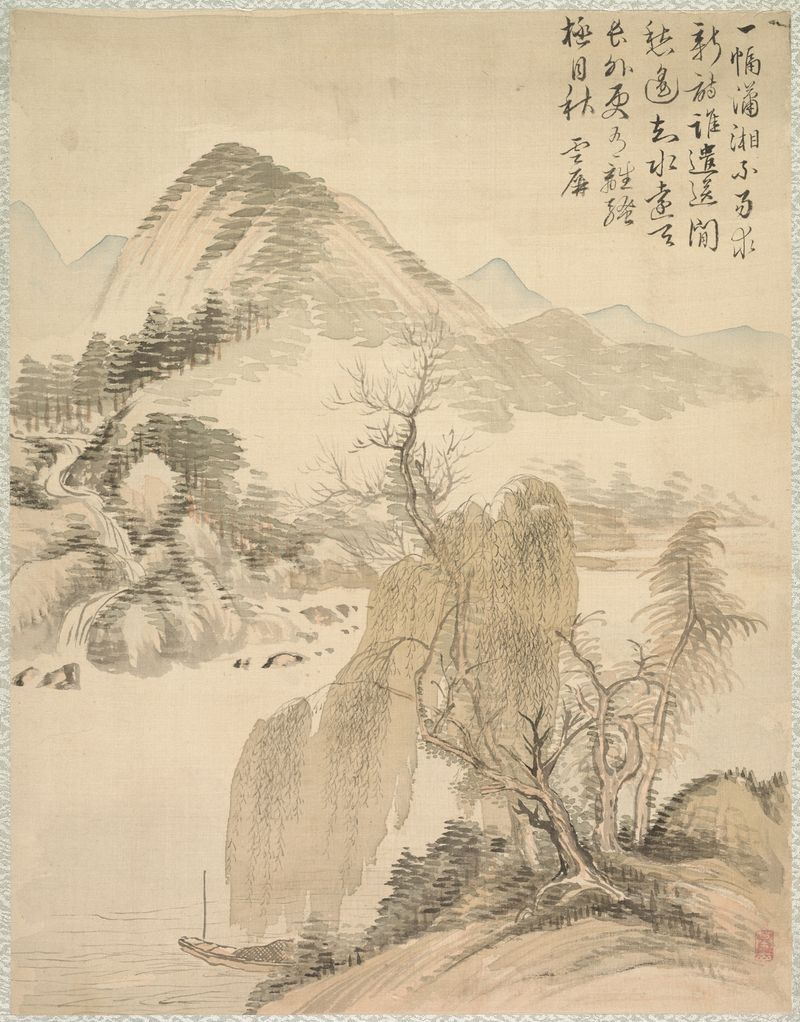
Willow and Waterfall
Tsubaki Chinzan

Dwelling by the Shore
Tsubaki Chinzan

Waterfall and Rocks
Tsubaki Chinzan
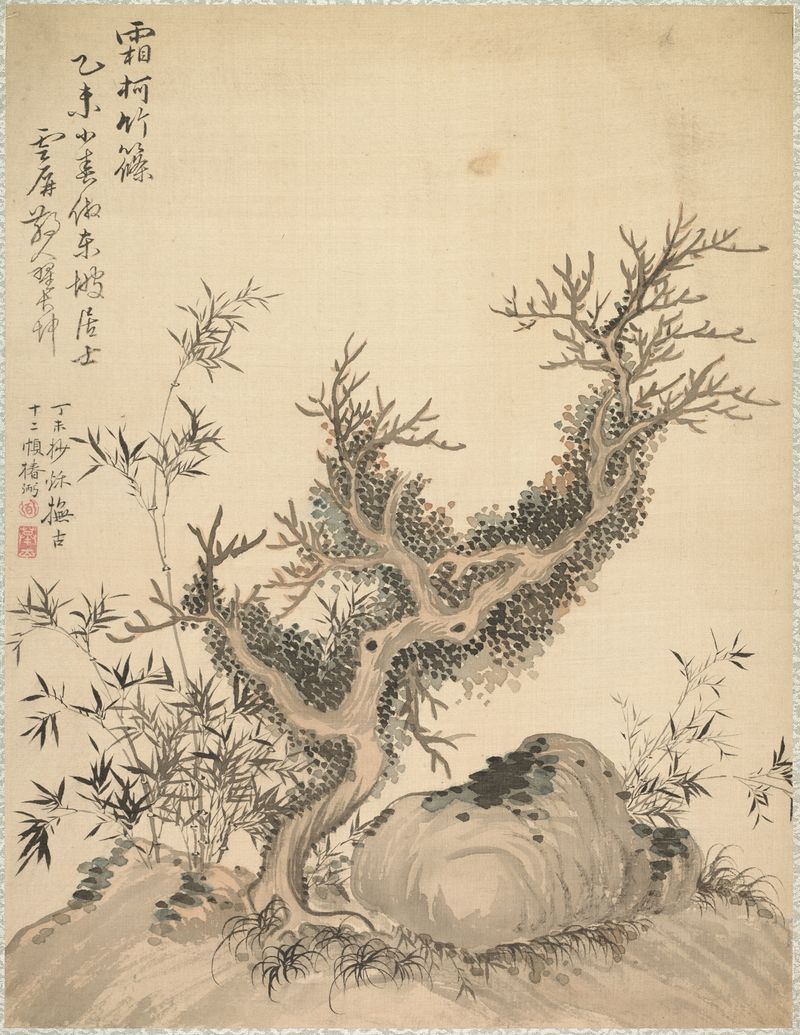
Frosted Branches and Dwarf Bamboo
Tsubaki Chinzan
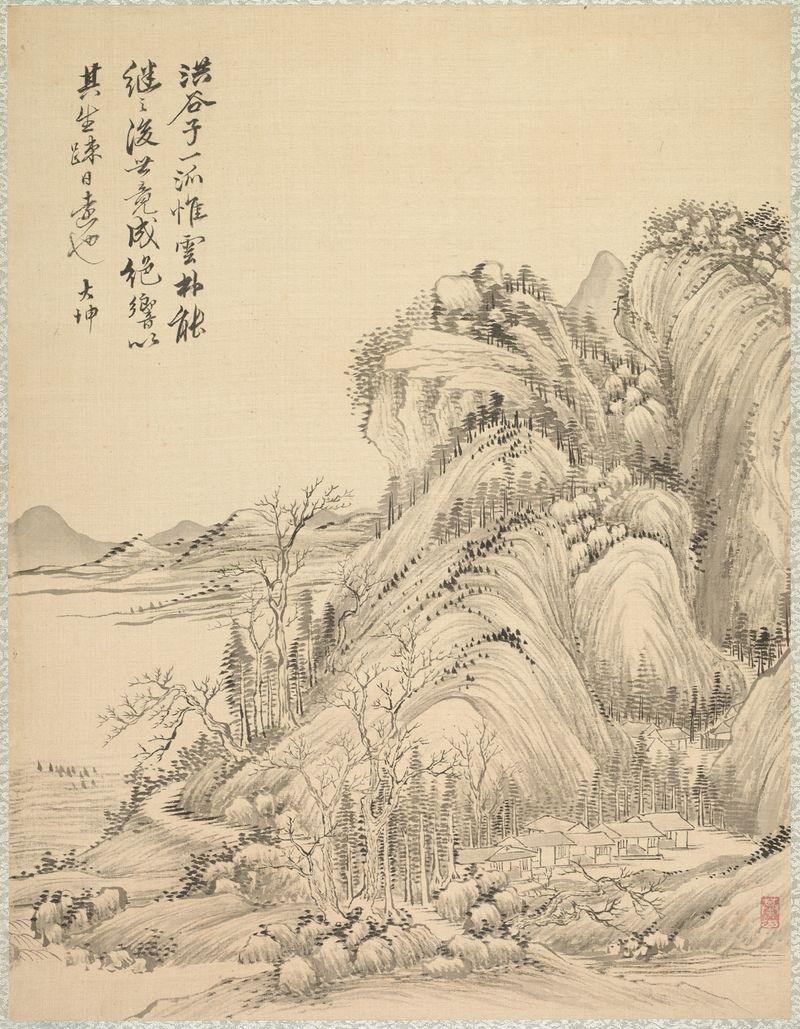
Dwellings beneath Folded Hills
Tsubaki Chinzan
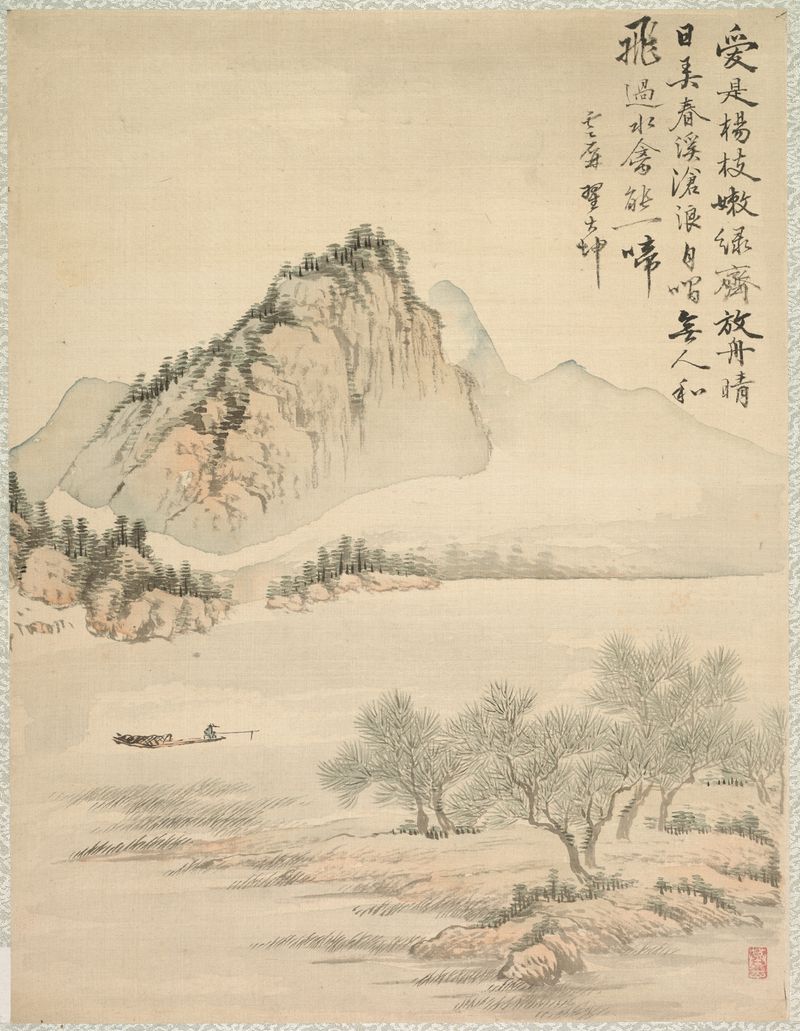
Drifting in a Boat
Tsubaki Chinzan
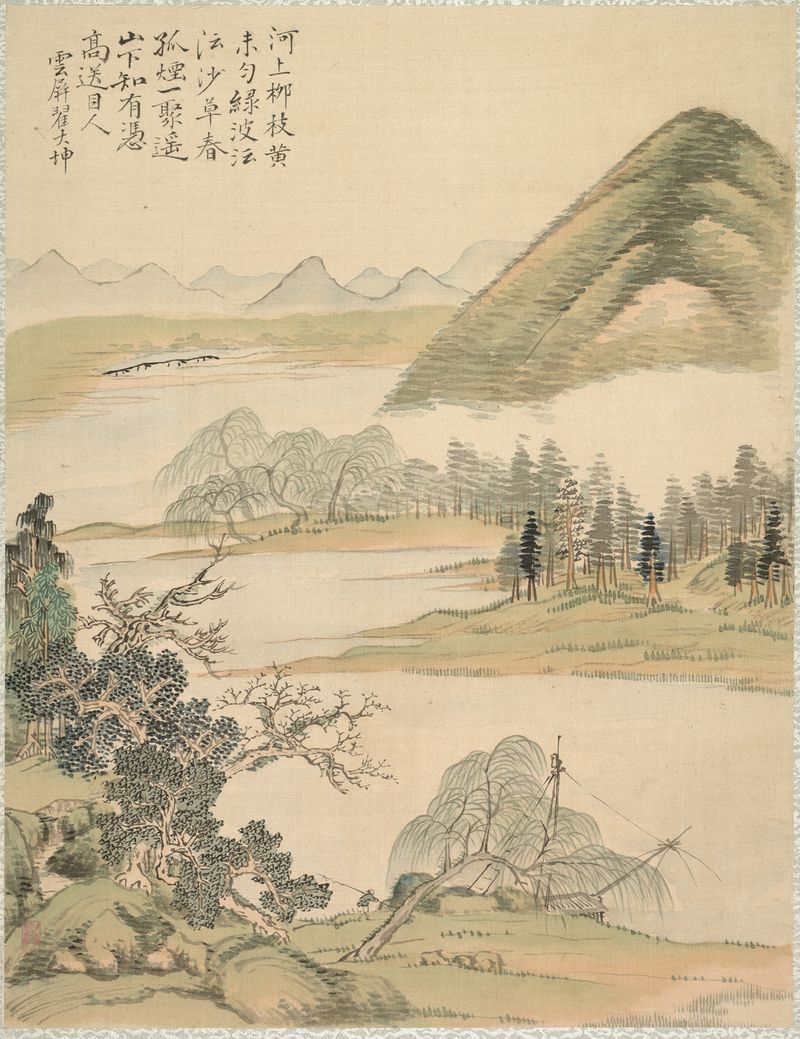
Willow Branches in Spring
Tsubaki Chinzan





