
Ten Thousand Bamboos in the Mist and Rain — History & Facts
Could beauty survive in a century of chaos? This question reverberates through the ethereal landscape of Ten Thousand Bamboos in the Mist and Rain, a tranquil testament to nature's resilience amid turmoil. The painting invites the viewer to pause and reflect on the interplay of serenity and disruption, as lush greenery emerges from a veil of fog, evoking a sense of calm even in adversity. Look to the center of the composition, where delicate shades of green intermingle with soft grays, creating a harmonious rhythm that leads your gaze through the mist. The vertical strokes of bamboo stretch upwards, their forms both elegant and defiant, while the muted palette enhances the atmospheric depth.
The gentle diffusion of light lends a mystical quality, blurring the boundary between the tangible and the sublime, a masterful technique that draws you into a world both real and dreamlike. Beneath the surface, the contrast between the vibrant bamboos and the enveloping mist symbolizes hope amidst uncertainty. Each stalk, sturdy yet graceful, represents resilience, while the rain adds a layer of introspection, suggesting that hardship can nurture beauty. The ethereal quality of the scene invites contemplation about the relationship between nature and the human experience, as the viewer is left to ponder what lies beyond the veil of mist. In 1847, Tsubaki Chinzan created this work during Japan's Edo period, a time of cultural richness despite looming political changes.
As artists sought to capture the fleeting beauty of landscapes, the nation was on the brink of transformation, caught between traditional values and the encroaching influence of the West. This painting stands as a reflection of that complex moment, where tranquility and turmoil coexist, encapsulating a profound relation to nature that remains timeless.
More Artworks by Tsubaki Chinzan
Browse all →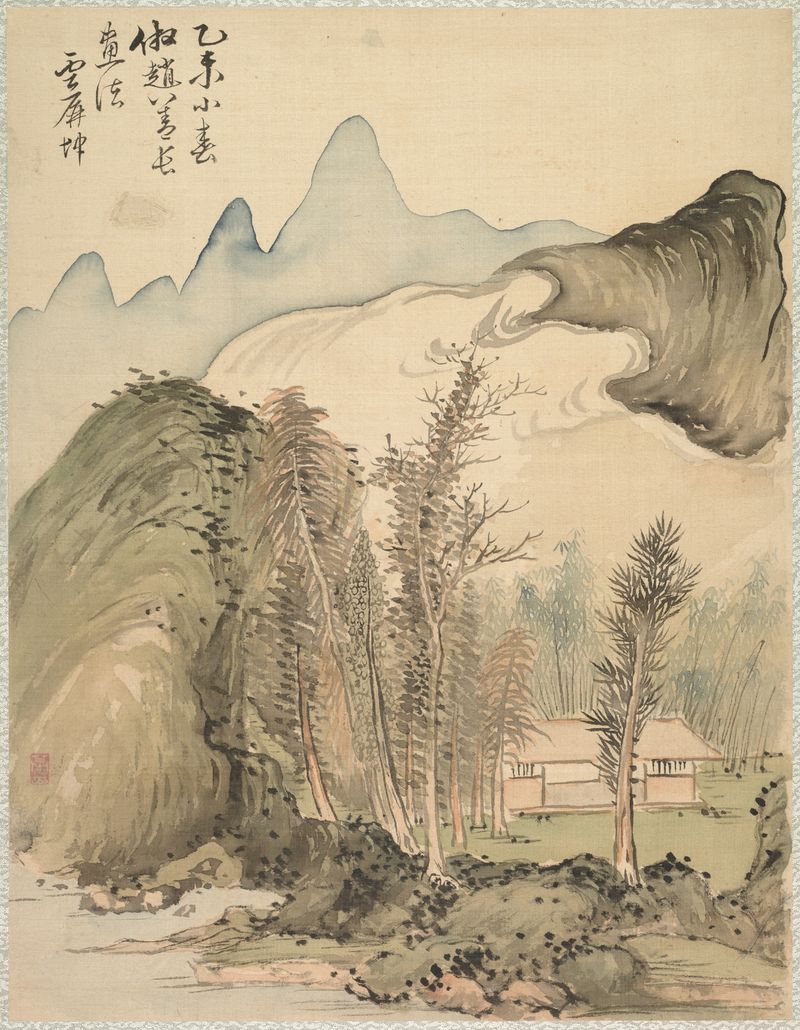
Hut Amidst the Trees
Tsubaki Chinzan
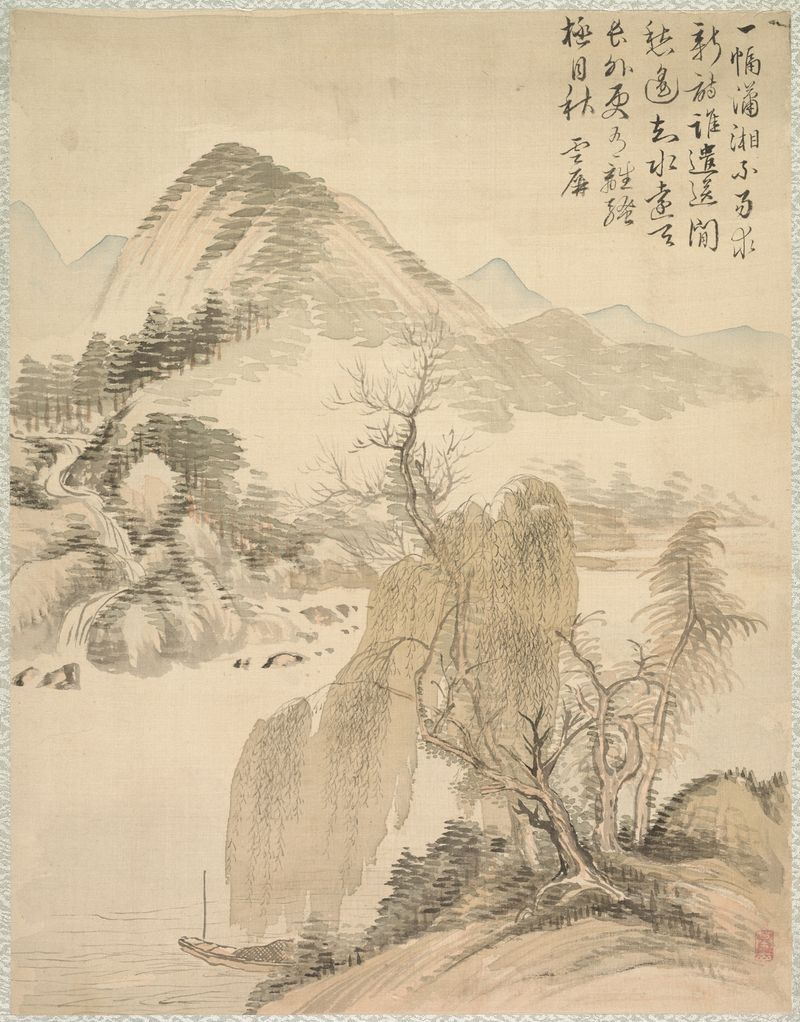
Willow and Waterfall
Tsubaki Chinzan

Dwelling by the Shore
Tsubaki Chinzan

Waterfall and Rocks
Tsubaki Chinzan

Folded Hills and Layered Peaks
Tsubaki Chinzan
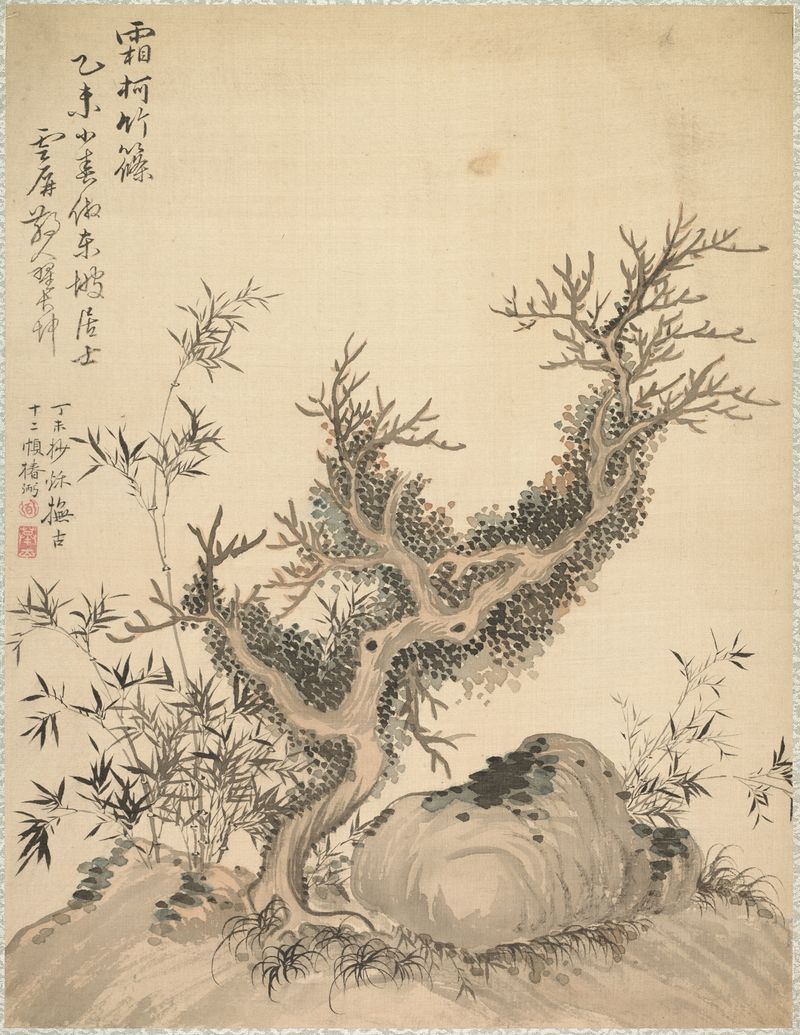
Frosted Branches and Dwarf Bamboo
Tsubaki Chinzan
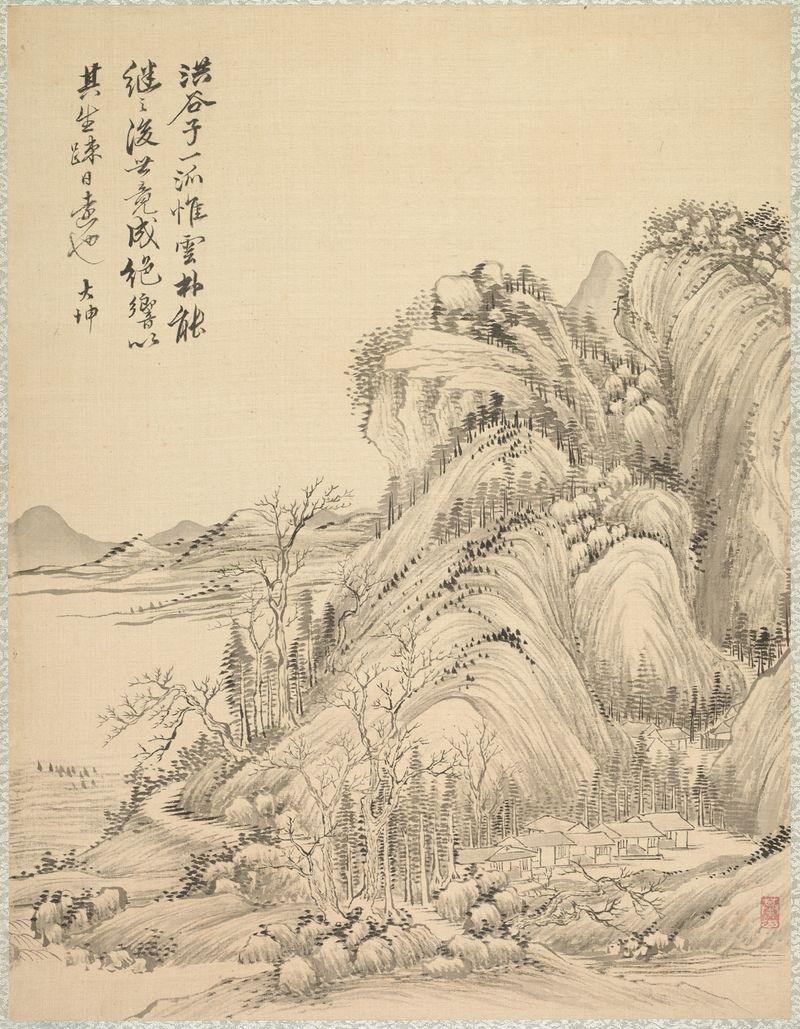
Dwellings beneath Folded Hills
Tsubaki Chinzan
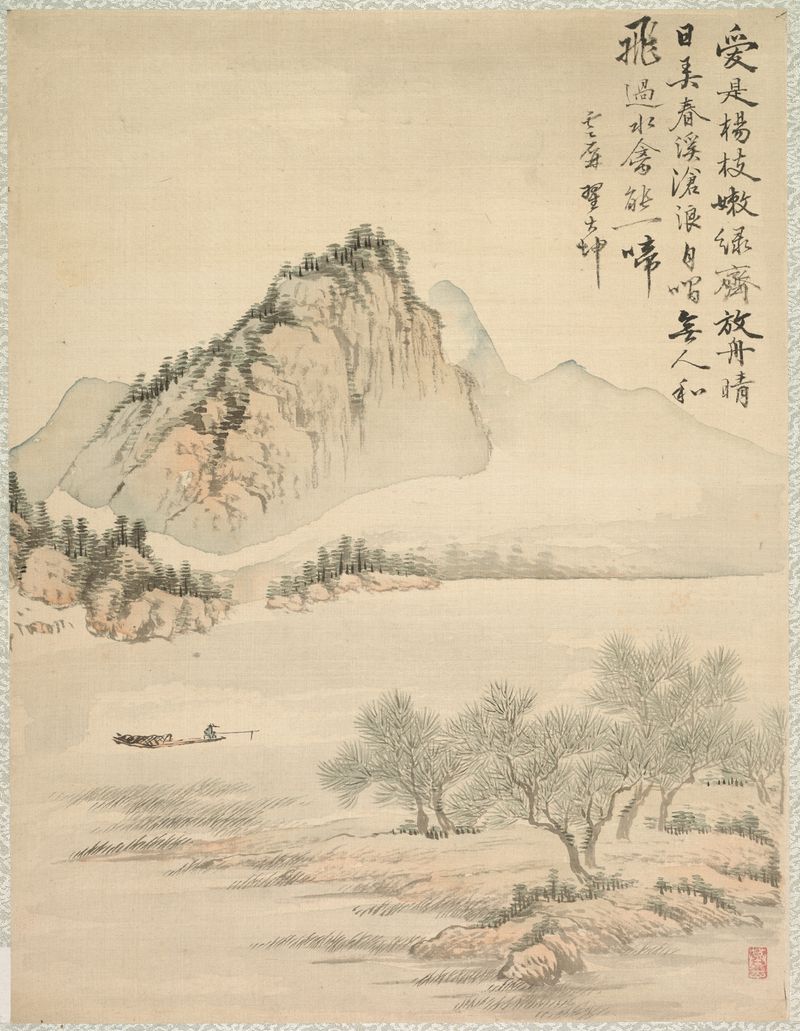
Drifting in a Boat
Tsubaki Chinzan
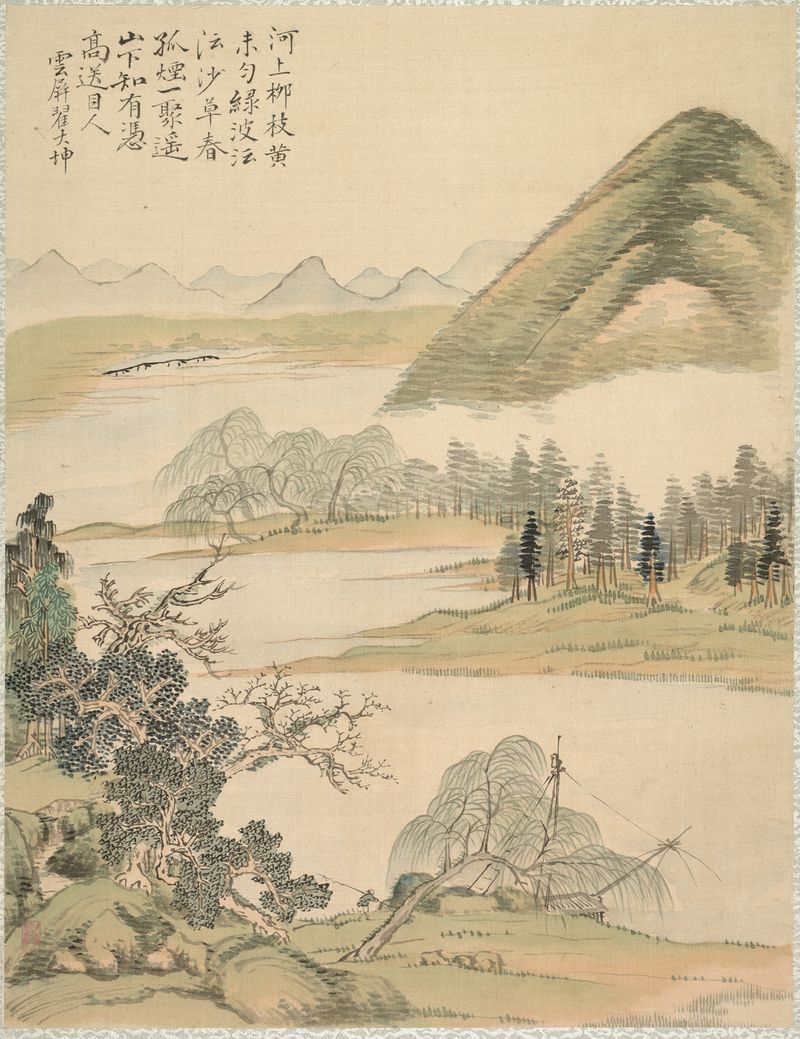
Willow Branches in Spring
Tsubaki Chinzan





