
Willow and Waterfall — History & Facts
Could a single brushstroke hold eternity? In the delicate interplay of water and willow, faith finds its embodiment, whispering of life's transient beauty. Look to the right at the sinuous branches of the willow, each stroke a testament to the artist’s mastery. Its leaves cascade gracefully, a soft green contrast against the shimmering blues of the water below. Focus on the subtle ripples that dance across the surface, reflecting the gentle light that filters through the foliage, creating a symphony of color and texture.
The composition draws the eye from the top down, inviting a contemplative gaze that lingers on the tranquil scene. Hidden within this serene vista lies a profound emotional tension. The juxtaposition of the sturdy tree and the fluid water suggests a delicate balance between permanence and change, inviting viewers to reflect on their own faith in an ever-shifting world. Each brushstroke carries a weight of intention; the way the water appears to cradle the willow hints at a nurturing force, as if nature itself offers solace and strength in moments of uncertainty. In 1847, Tsubaki Chinzan, a prominent figure in Japanese painting, created this work during a time of artistic exploration and cultural exchange in Japan.
The Edo period, drawing to a close, saw artists blending traditional techniques with new influences. Chinzan’s own life was marked by a commitment to reviving classical styles while infusing them with personal depth, as he sought to encapsulate the spiritual essence of nature through his art.
More Artworks by Tsubaki Chinzan
Browse all →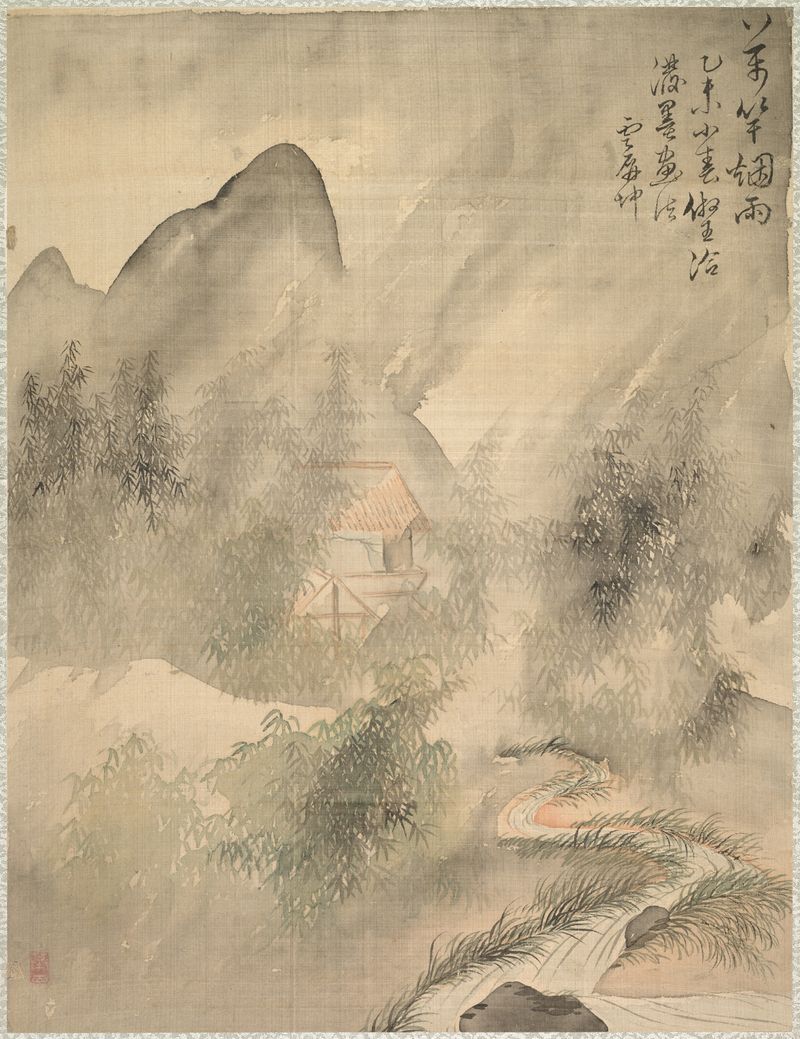
Ten Thousand Bamboos in the Mist and Rain
Tsubaki Chinzan
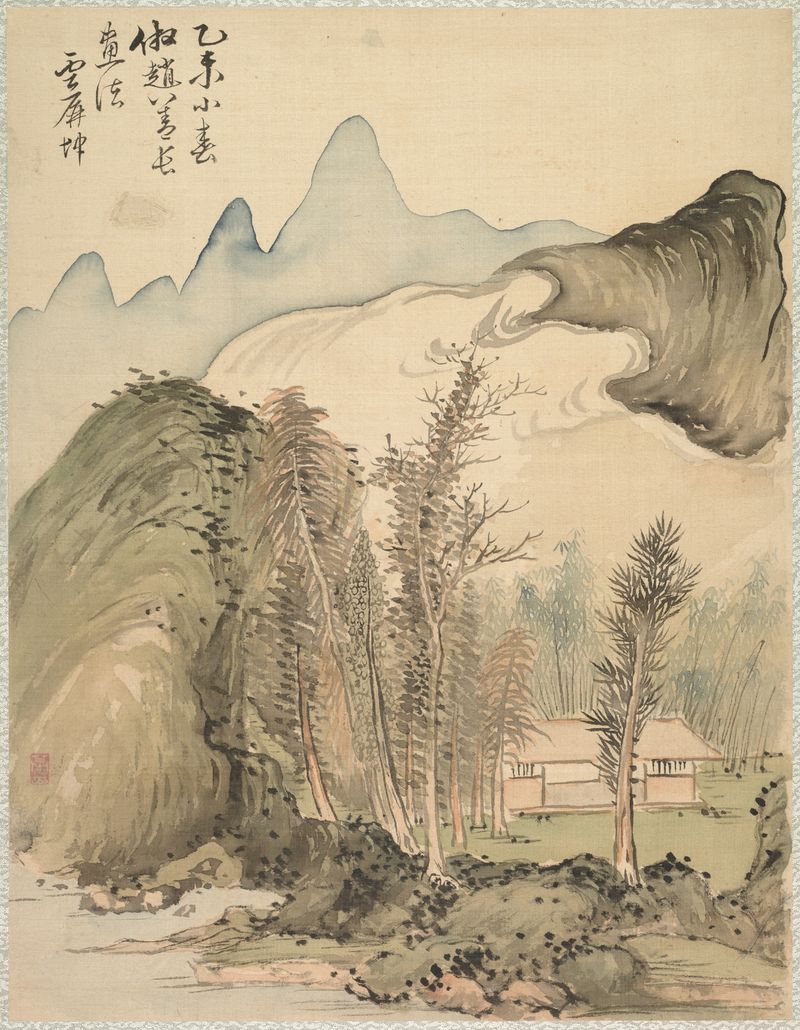
Hut Amidst the Trees
Tsubaki Chinzan

Dwelling by the Shore
Tsubaki Chinzan

Waterfall and Rocks
Tsubaki Chinzan

Folded Hills and Layered Peaks
Tsubaki Chinzan
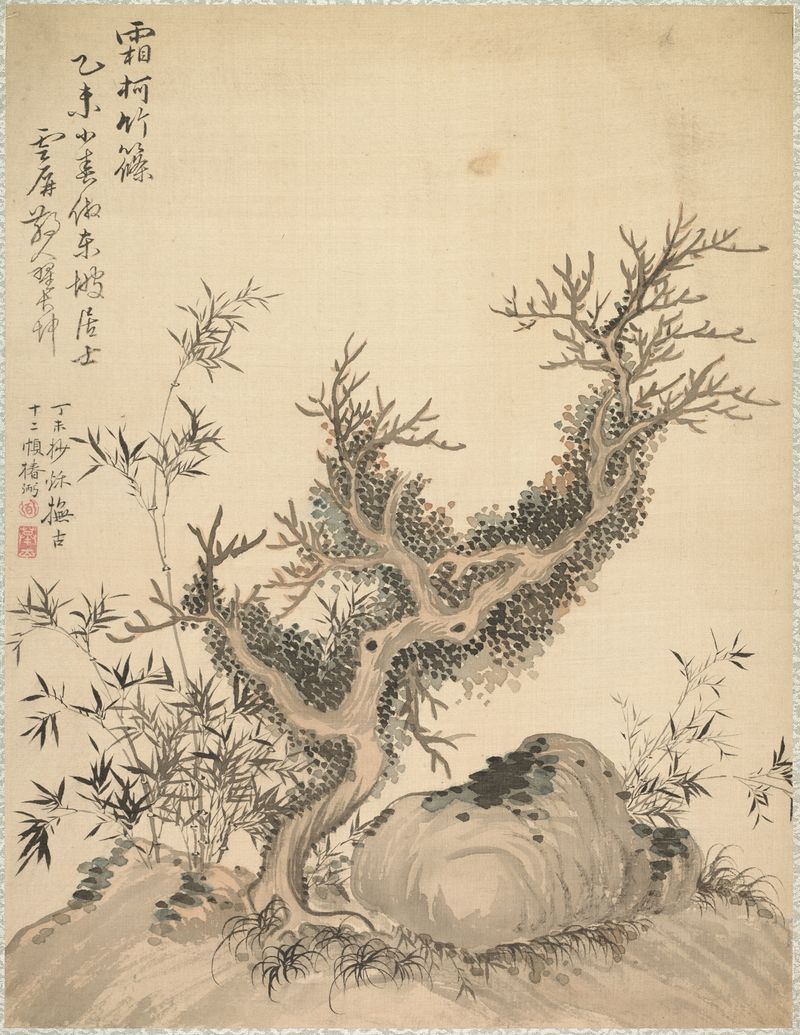
Frosted Branches and Dwarf Bamboo
Tsubaki Chinzan
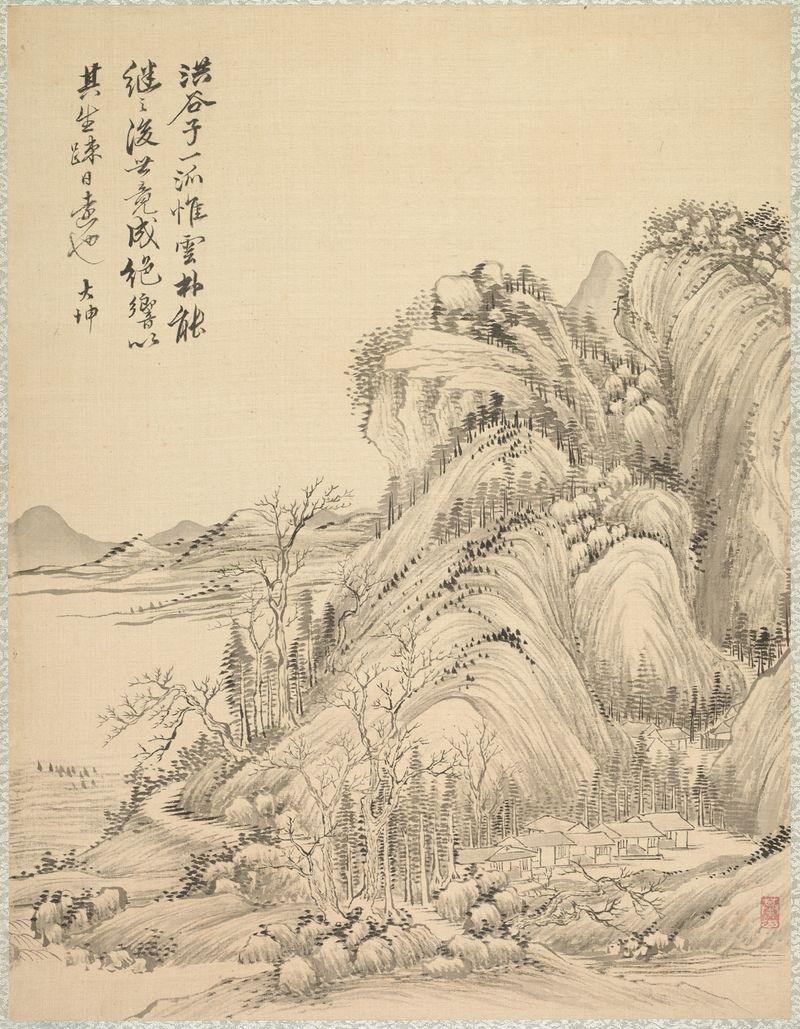
Dwellings beneath Folded Hills
Tsubaki Chinzan
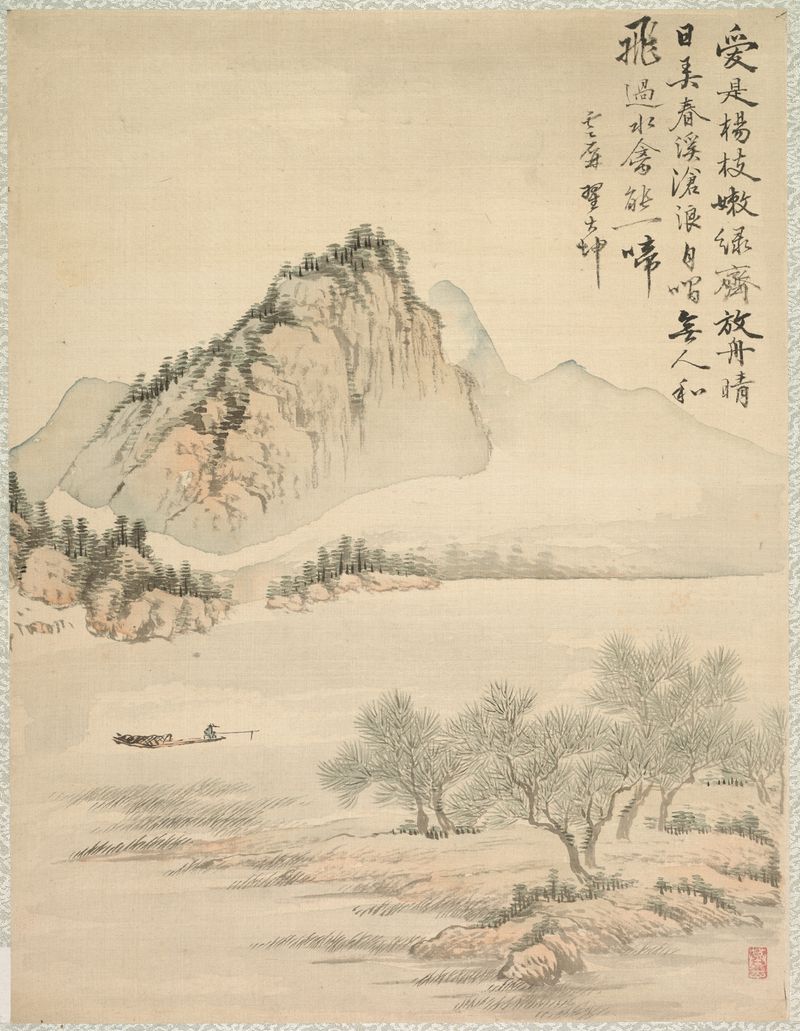
Drifting in a Boat
Tsubaki Chinzan
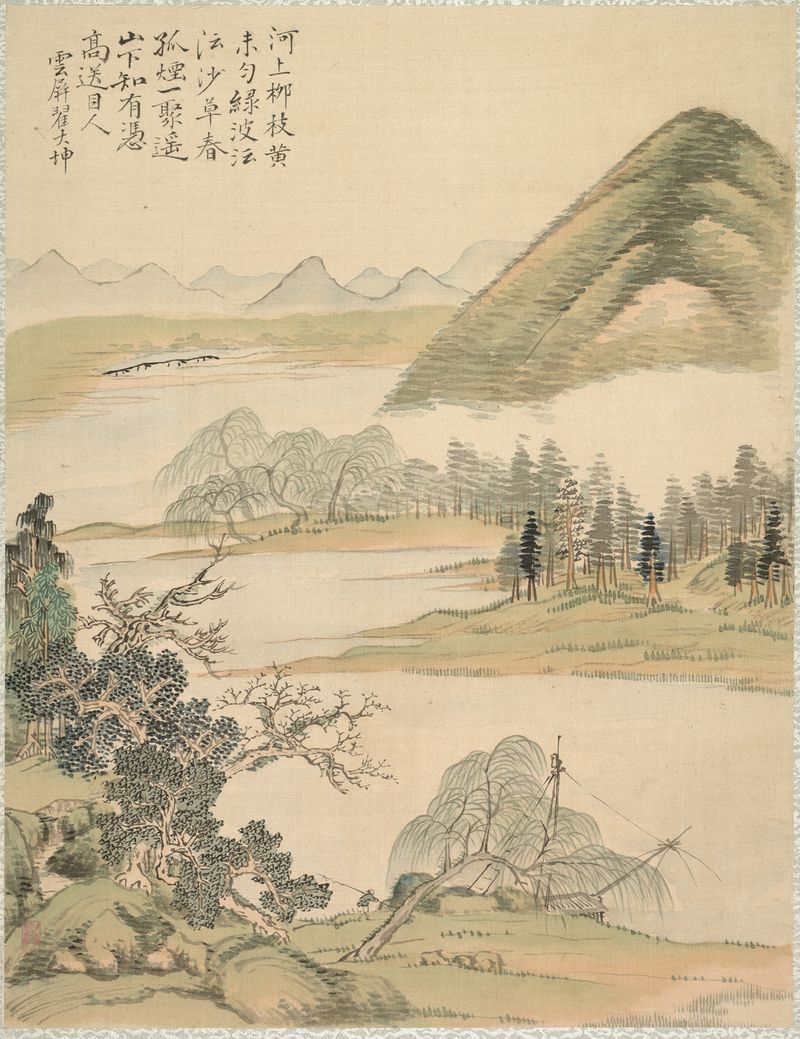
Willow Branches in Spring
Tsubaki Chinzan





