
Footbridge, Worth — History & Facts
Where does light end, and longing begin? In Footbridge, Worth, the interplay of illumination and shadow invites contemplation of transience and decay. Look to the left at the weather-worn wooden planks of the bridge, each groove and crevice telling a story of time’s passage. Notice how the dappled sunlight filters through the trees, casting a delicate glow that contrasts with the darker, muted tones of the surrounding landscape. The gentle curve of the path draws the viewer’s eye inward, beckoning them toward an unseen destination that hints at nostalgia and unfulfilled journeys. Beneath the surface, the composition reveals a rich tapestry of emotional tensions.
The interplay between the vibrant light and the deepening shadows evokes a sense of longing and melancholic beauty. On closer inspection, one might discern the soft decay of the bridge itself—a powerful symbol of the impermanence of both nature and human endeavors. This transient moment captures not just a location but an emotional landscape, where memories linger like the fading light. In 1879, Otto Henry Bacher was immersed in the flourishing art scene of America, having spent time in Europe where he absorbed impressionist techniques.
Living in a period marked by rapid industrial change, the artist sought to capture the fleeting beauty of the natural world amidst encroaching urbanity. Footbridge, Worth stands as a testament to both his vision and the ephemeral nature of existence, a moment where light encounters the inevitable march of decay.
More Artworks by Otto Henry Bacher
Browse all →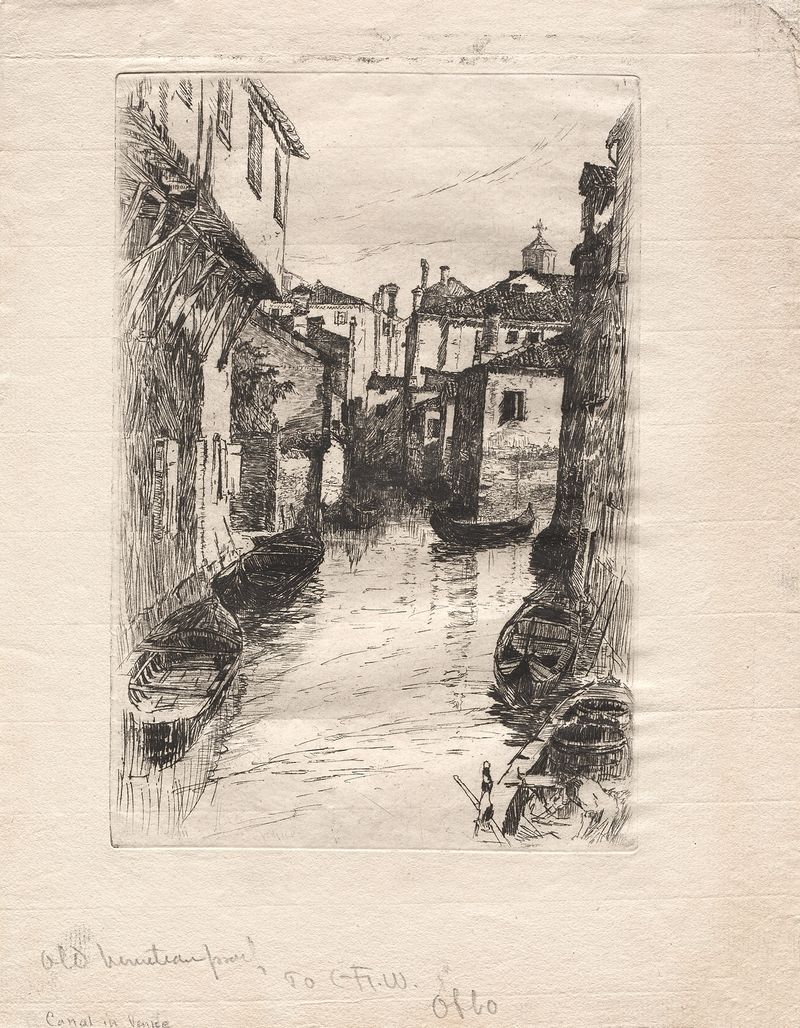
Canal in Venice
Otto Henry Bacher
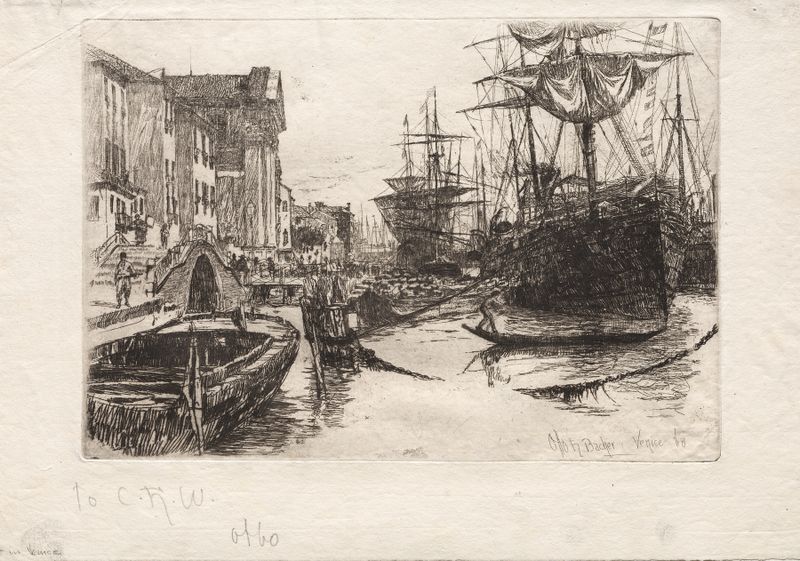
View in Venice
Otto Henry Bacher
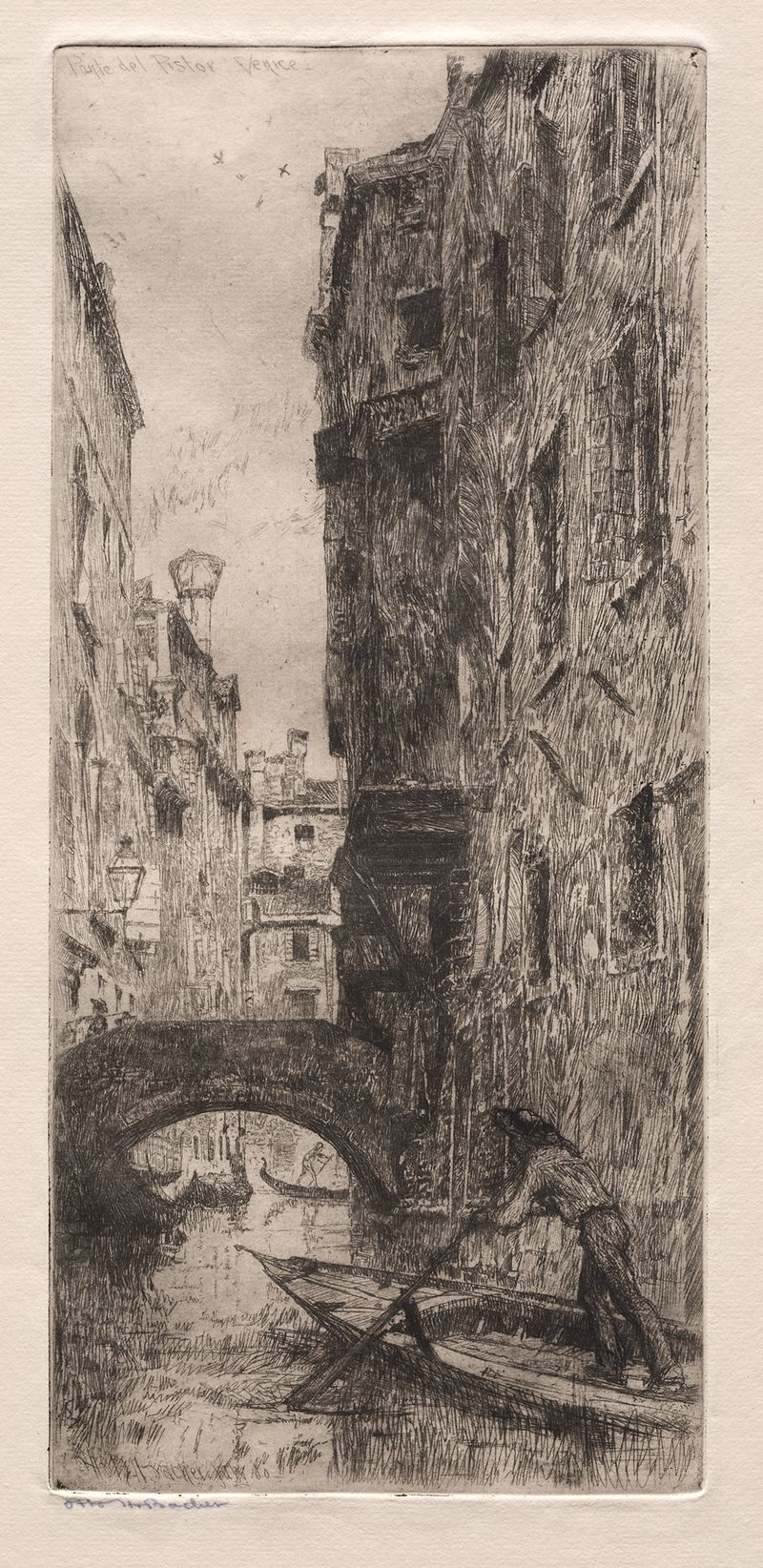
Ponte del Pistor, Venice
Otto Henry Bacher
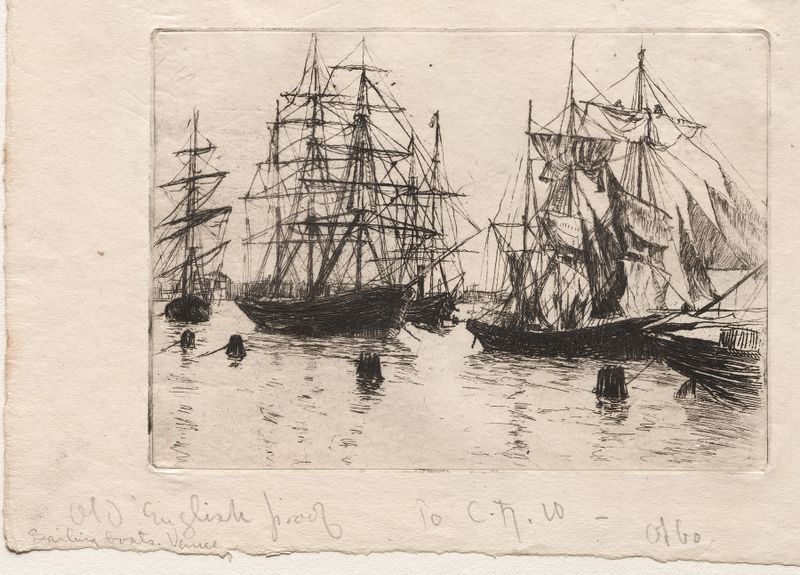
Sailing Boats, Venice
Otto Henry Bacher
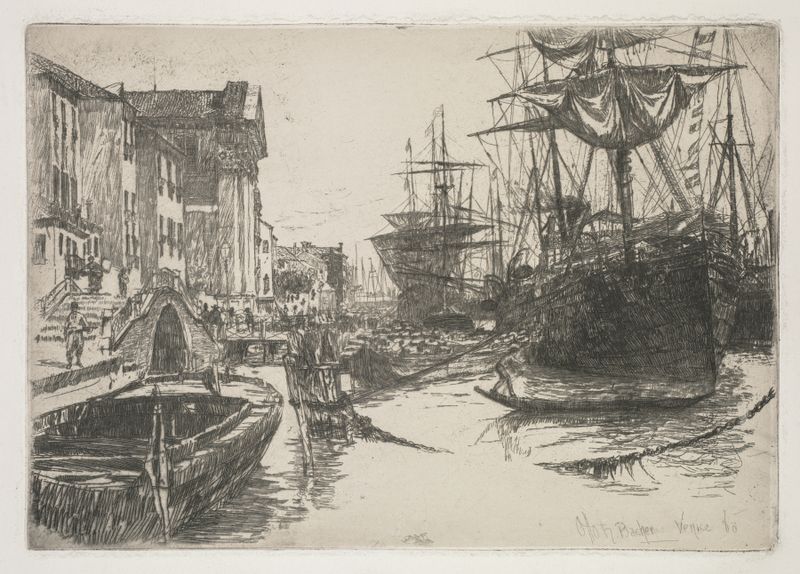
Fondamenta della Zattere
Otto Henry Bacher
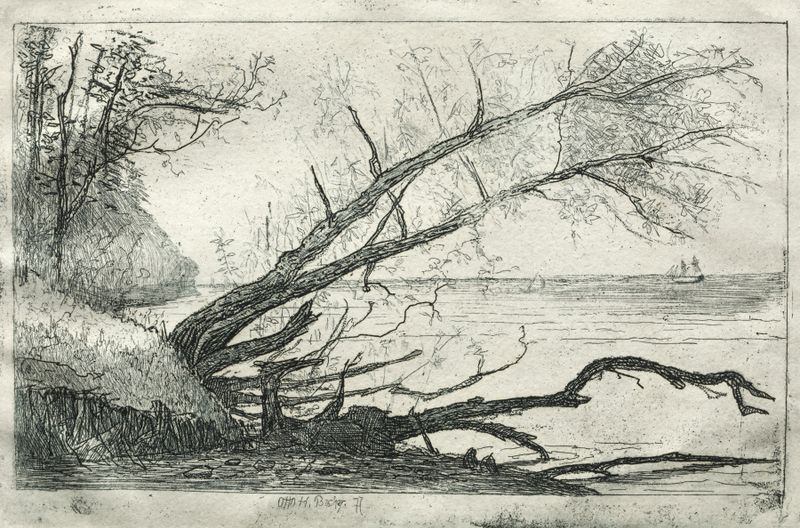
Old Sycamore
Otto Henry Bacher
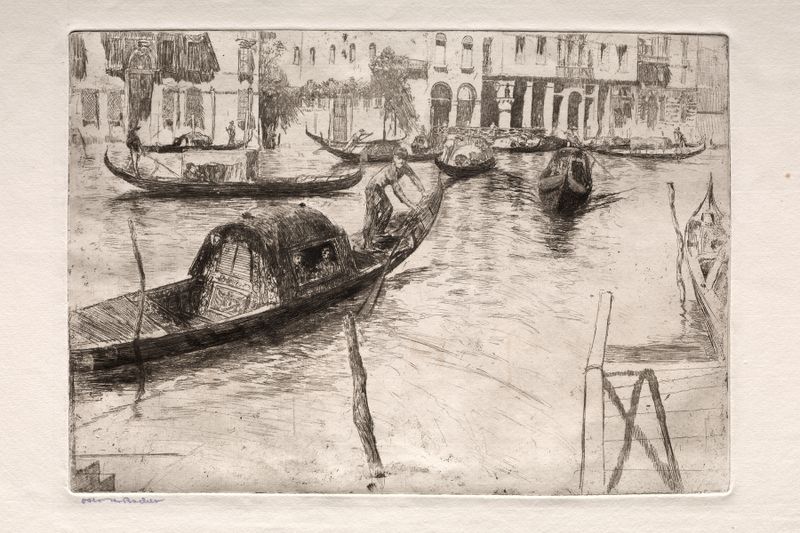
Traghetto San Felice
Otto Henry Bacher
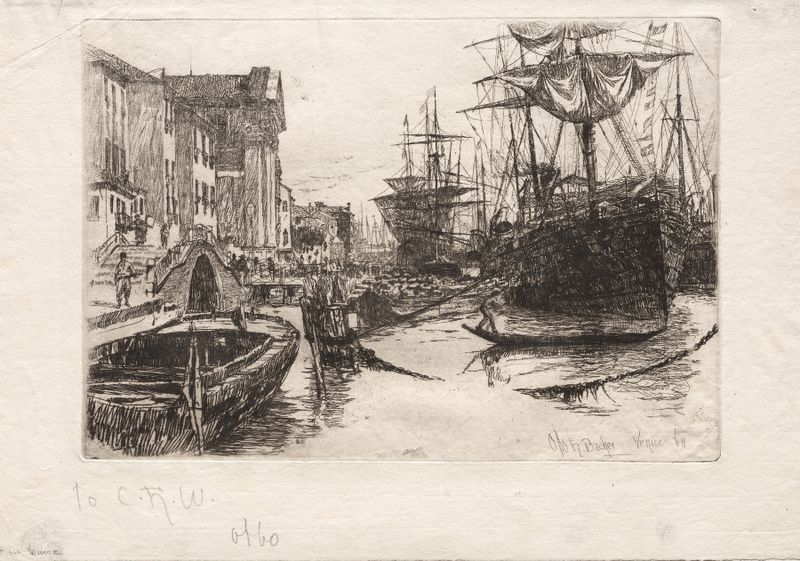
View in Venice
Otto Henry Bacher
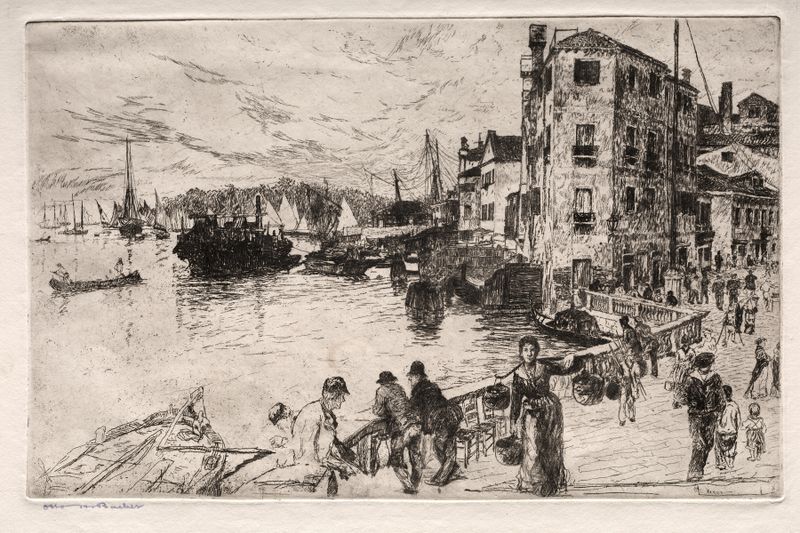
Castello Quarters, Riva
Otto Henry Bacher
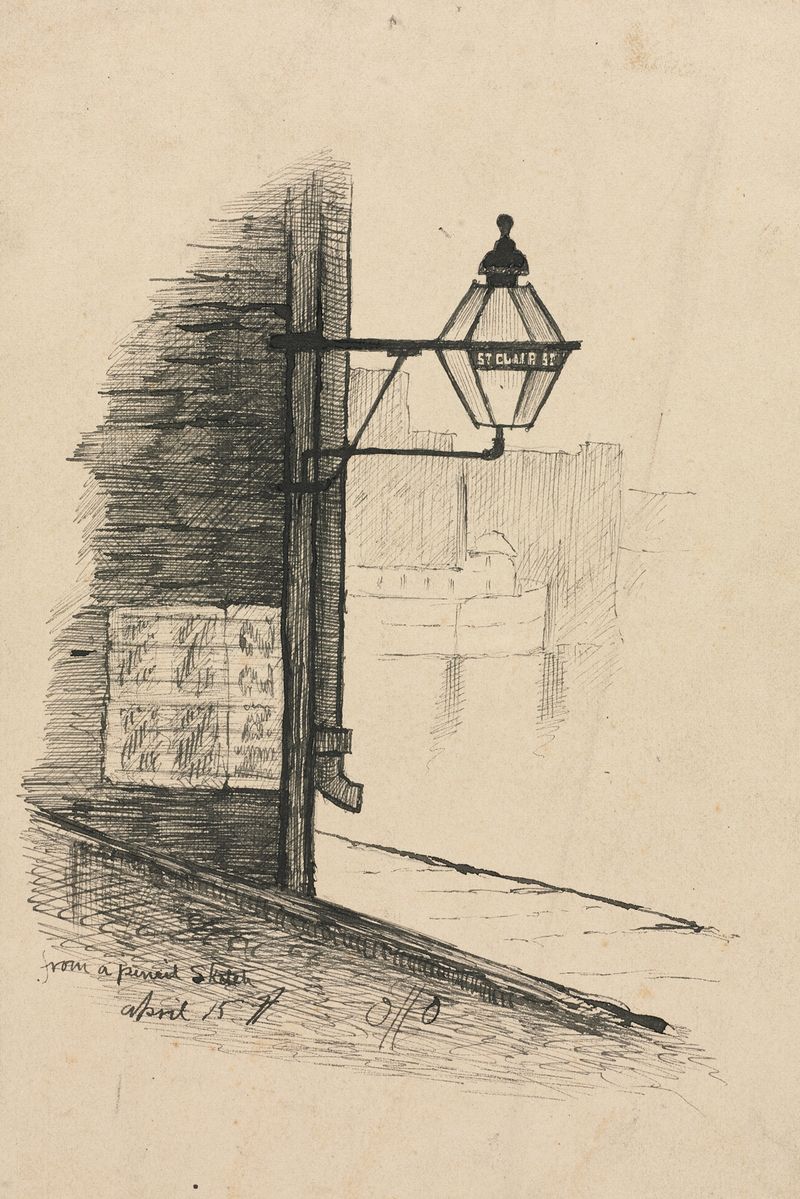
St. Clair Street, Cleveland
Otto Henry Bacher





