
Fossvöllum, Iceland — History & Facts
Where does light end, and longing begin? In the interplay of shadow and shimmer, the essence of a moment unfolds, inviting us to ponder movement both in nature and within ourselves. Look to the foreground, where the rugged terrain of Icelandic cliffs juts defiantly against the horizon. Notice the intricate texture of the rocks, each crevice telling a story of erosion and time. The cool, muted palette of blues and grays is punctuated by flecks of bright white, suggesting the glimmer of light on cascading water.
This careful balance between starkness and illumination evokes a sense of both danger and beauty, resonating with the viewer’s internal landscape. As your gaze shifts, take note of the subtle contrasts between the stillness of the earth and the swirling movement of the water below. The crashing waves seem to be both a physical force and an emotional surge, reflecting a deeper yearning for connection. The painting captures not just a place, but the sensation of being adrift in an endless cycle of turmoil and tranquility, a dichotomy that speaks to the human experience of longing for the unattainable. Charles Hamilton Smith created this work during a period of exploration and enthusiasm in the early 19th century.
His travels through Iceland reflected a burgeoning interest in the Romantic movement, which sought to explore the sublime in nature. This painting emerged at a time when the natural world was increasingly seen as a source of inspiration, framing the artist’s response to the majestic landscapes he encountered and the shift in artistic values of his time.
More Artworks by Charles Hamilton Smith
Browse all →
Situation of H.M.S. Hecla & Griper
Charles Hamilton Smith
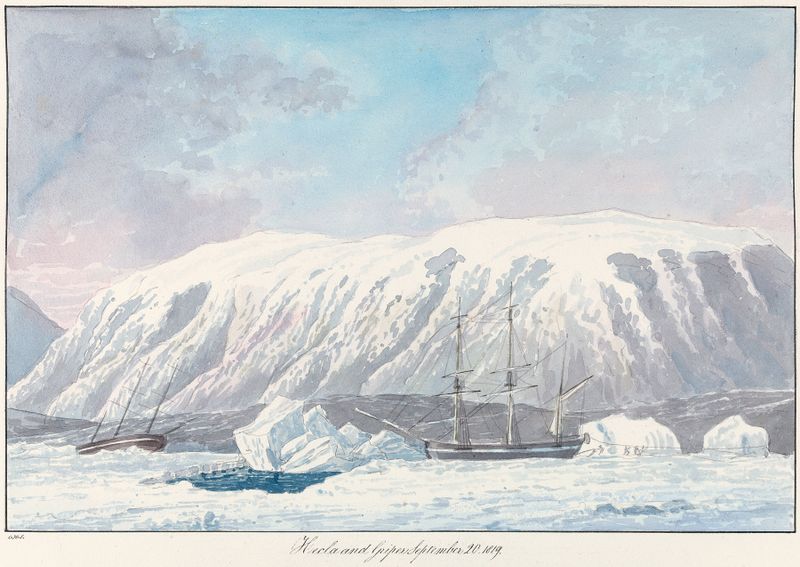
Hecla and Griper
Charles Hamilton Smith

Friendly Cove, Nootka Sound
Charles Hamilton Smith

Iceberg in Baffin’s Bay
Charles Hamilton Smith
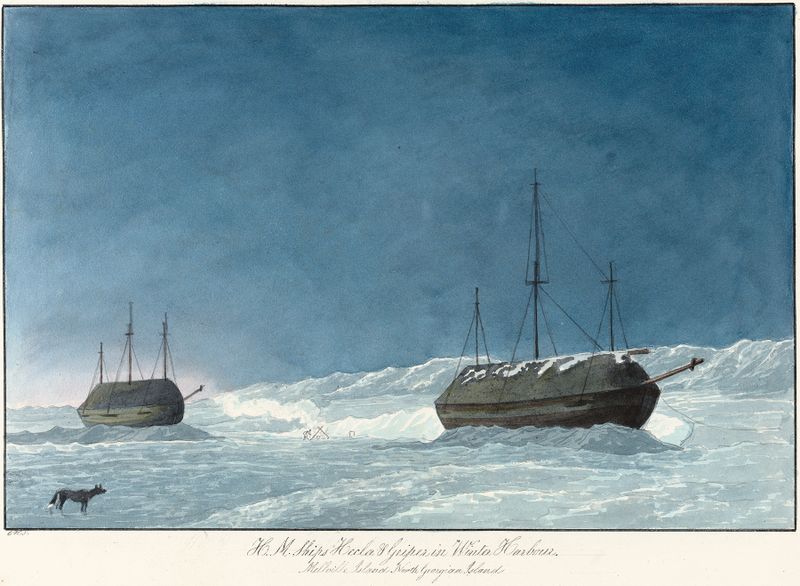
H. M. Ships Hecla and Griper in Winter Harbour
Charles Hamilton Smith

The Erebus & Terror in a Gale in the Pack of the Ice
Charles Hamilton Smith
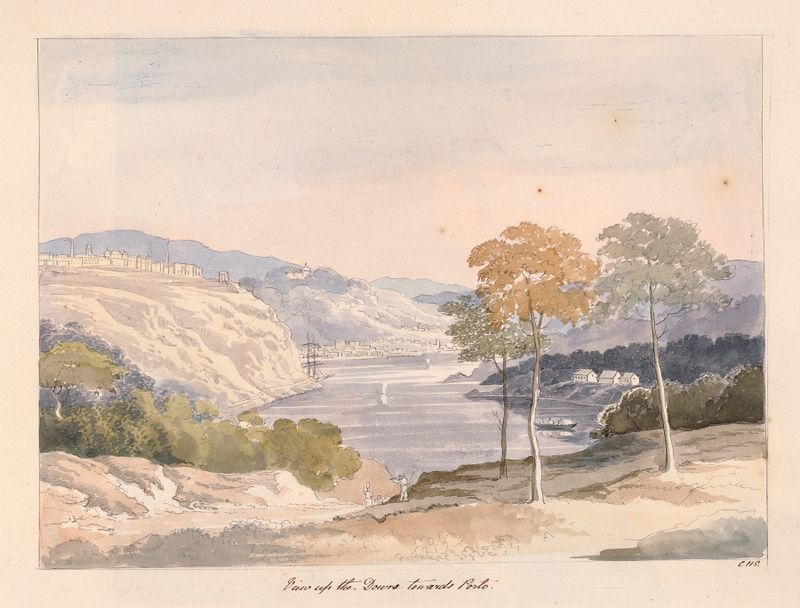
View of the Douro towards Porto
Charles Hamilton Smith
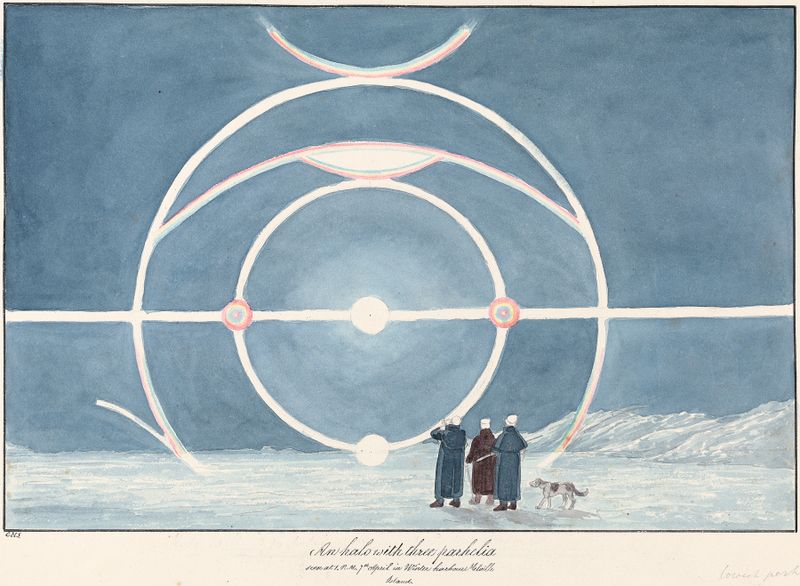
Halo with Three Parhelia, Winter Harbour Melville Island
Charles Hamilton Smith
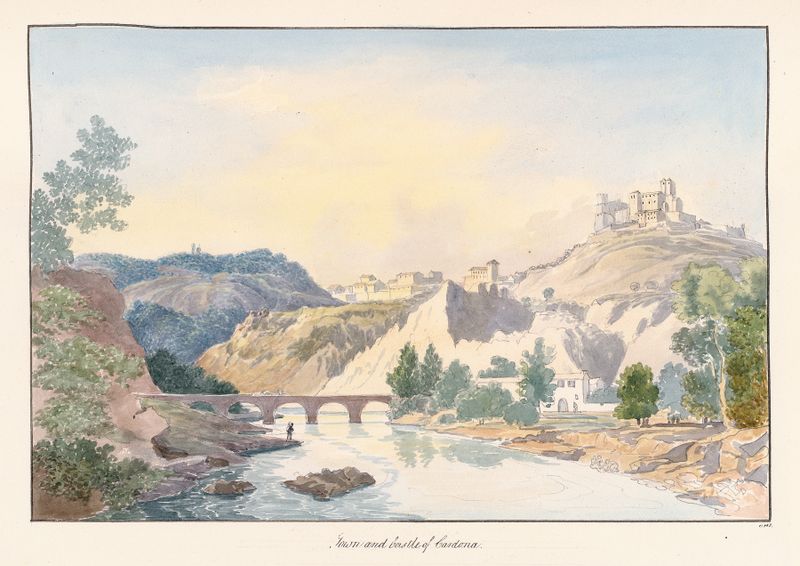
Town and Castle of Cardona
Charles Hamilton Smith
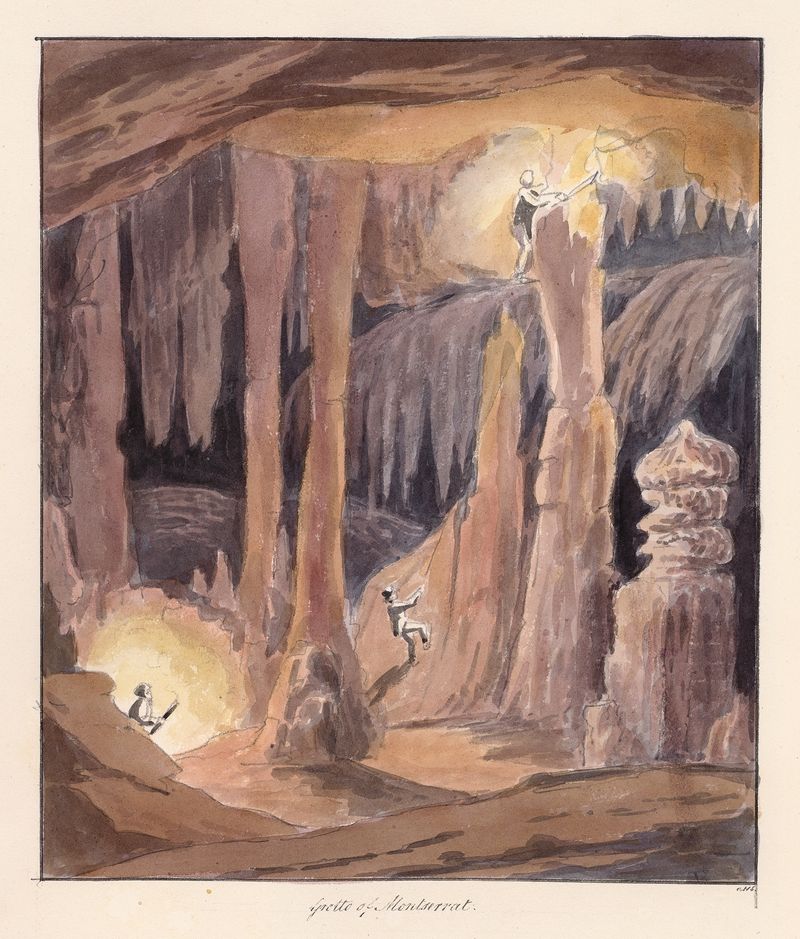
Grotto of Montserrat
Charles Hamilton Smith





