
Fountain in the khan’s palace in Bakhchisaray. From the journey to Crimea — History & Facts
Can paint confess what words never could? In the quiet stillness of Fountain in the khan’s palace in Bakhchisaray. From the journey to Crimea, we find a moment suspended in time, where silence speaks volumes through the delicate brushstrokes of Jan Ciągliński. Look to the center of the canvas, where the fountain commands attention, its water cascading gently into the basin below. The artist’s meticulous attention to detail reveals the intricate tiles that adorn the palace walls, each colorful pattern an invitation to explore the interplay of light and shadow.
The soft hues of the surrounding foliage enhance the serene atmosphere, inviting the viewer into a sanctuary where nature and architecture coexist harmoniously. Beneath the tranquil surface lies a deeper resonance—a juxtaposition of splendor and solitude. The fountain, a symbol of life and refreshment, stands in contrast to the languid, empty space around it, whispering of forgotten conversations and echoes of past inhabitants. The stillness is profound, suggesting an unspoken history that lingers in the air, evoking feelings of nostalgia and the passage of time, all captured within a single moment. Ciągliński painted this work between 1887 and 1899, during a period marked by his deep engagement with Eastern European landscapes and cultures.
Living in Paris at the time, he was influenced by the burgeoning interest in Orientalism within Western art. This piece encapsulates not only his fascination with the exotic but also reflects the broader artistic movements that celebrated a blend of cultures, allowing him to express both beauty and a sense of longing for a world he intricately portrayed.
More Artworks by Jan Ciągliński
Browse all →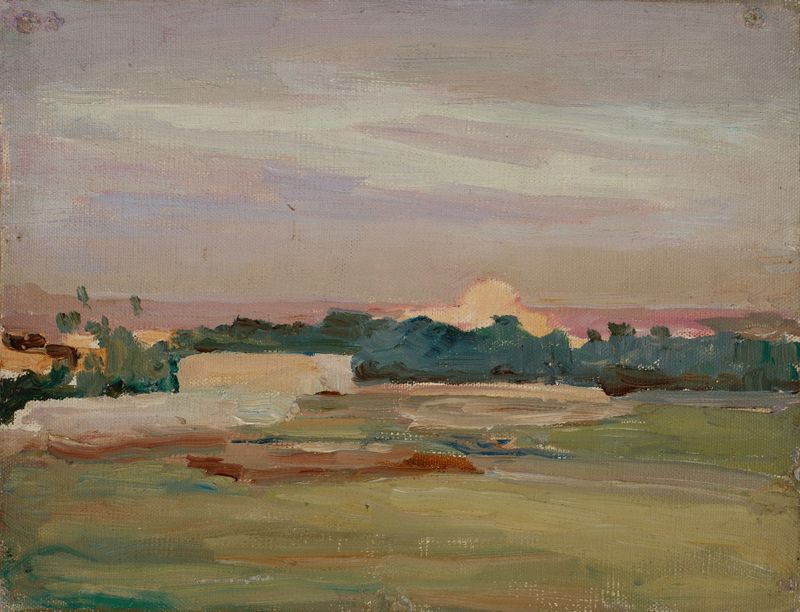
The Sirocco
Jan Ciągliński
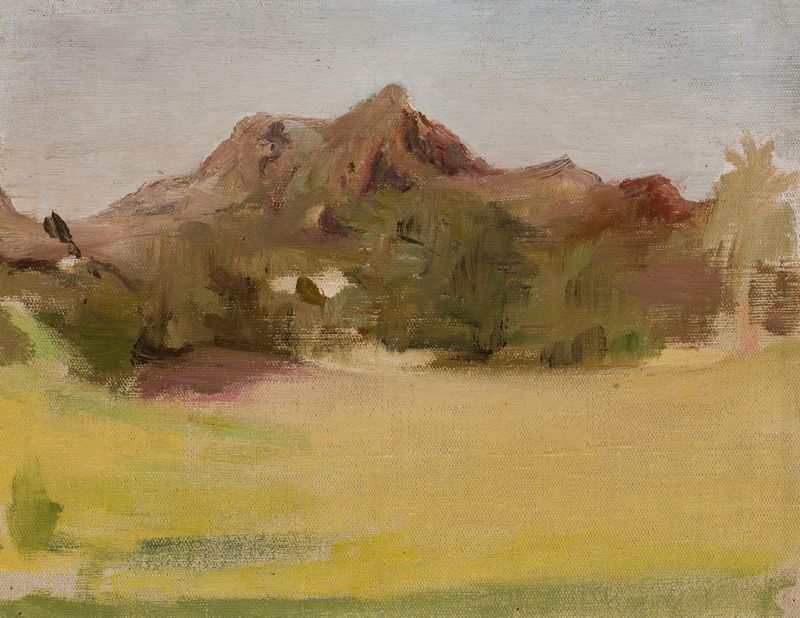
Mountain landscape. From the journey to India
Jan Ciągliński
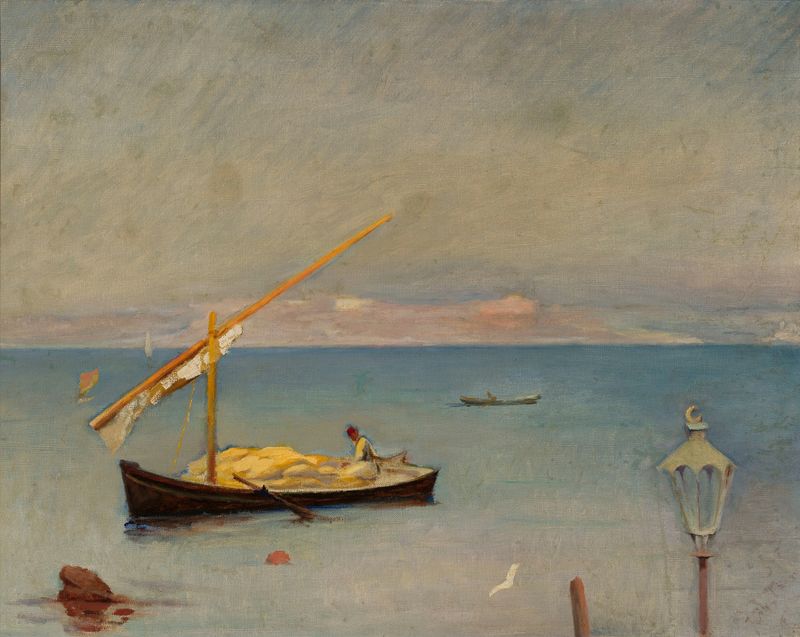
At Bosporus
Jan Ciągliński
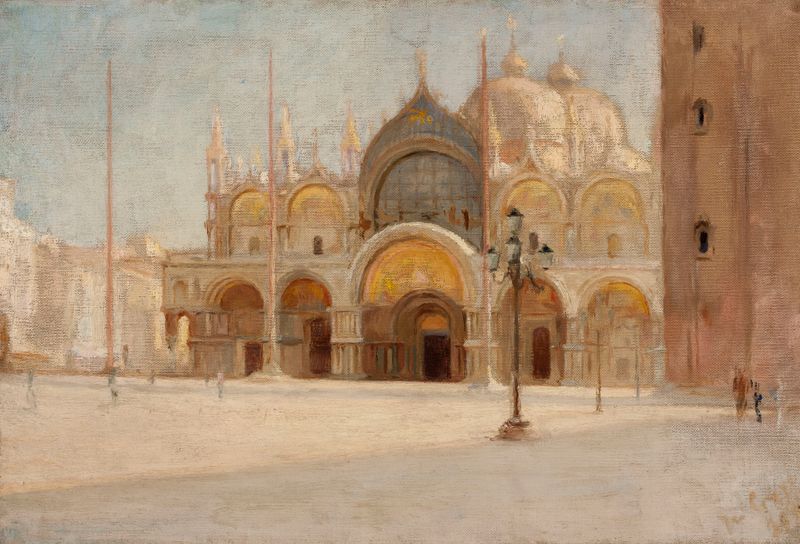
St Mark’s Square in Venice
Jan Ciągliński
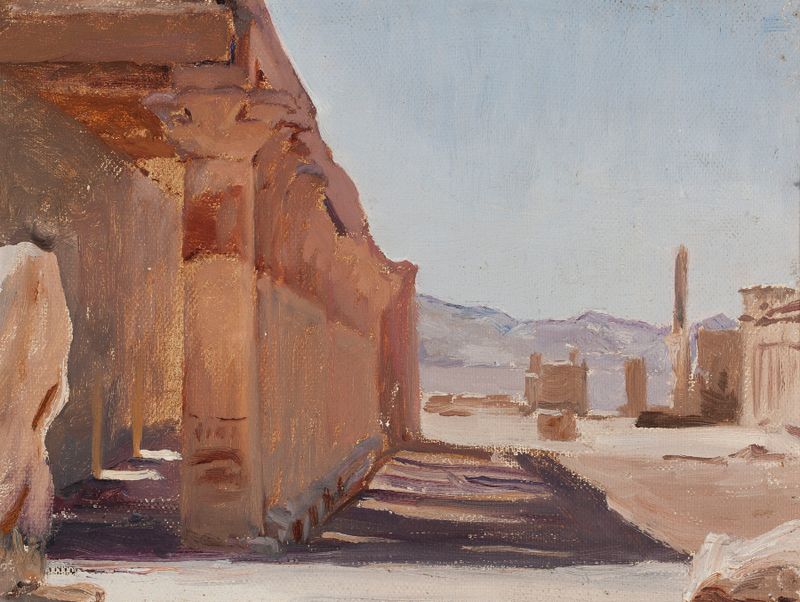
Temple. From the journey to Egypt
Jan Ciągliński
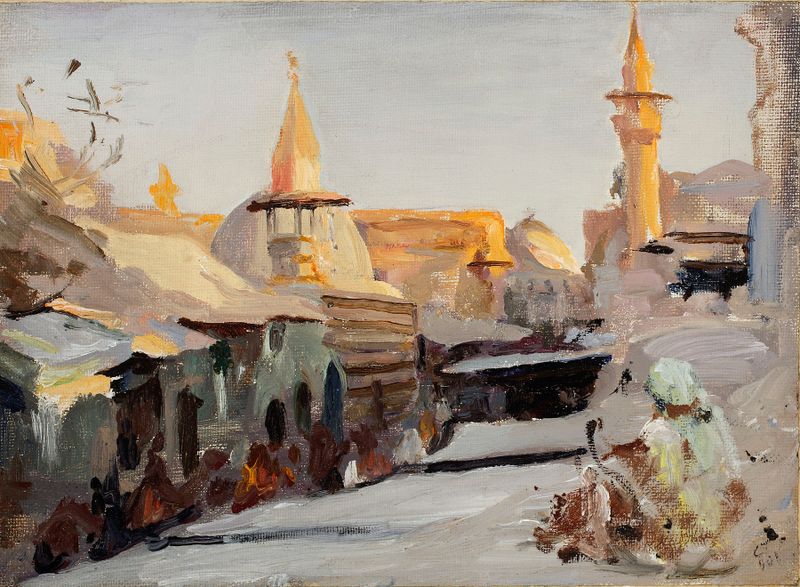
Street in Damascus. From the journey to Palestine
Jan Ciągliński
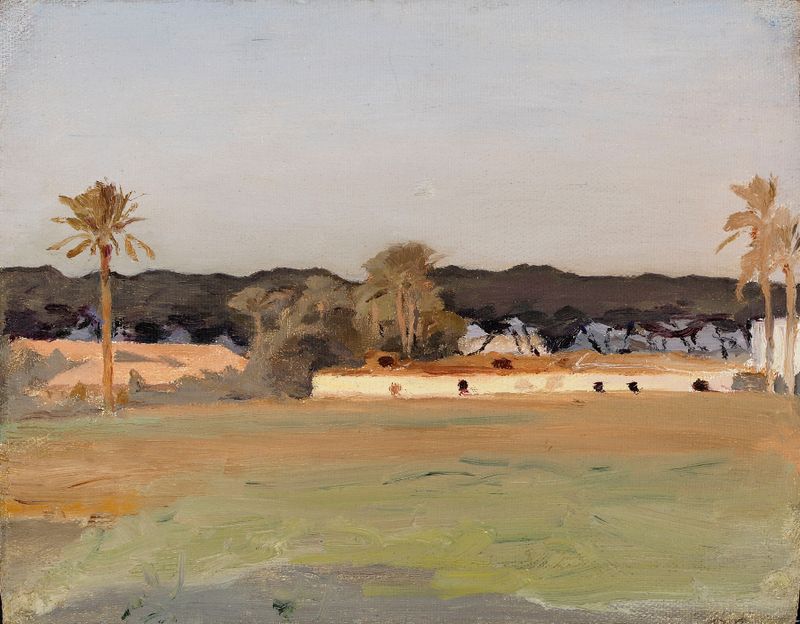
Evening. From the journey to Egypt
Jan Ciągliński
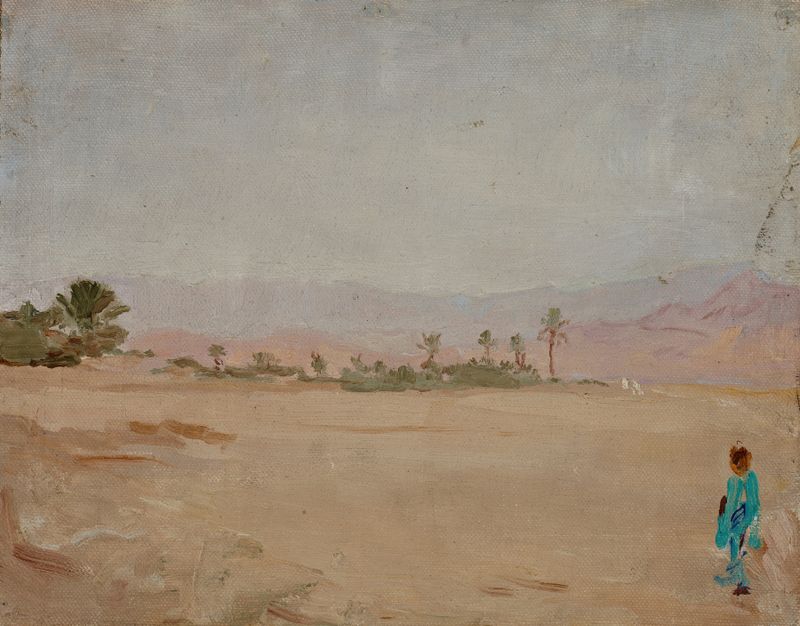
Sahara (Desert)
Jan Ciągliński
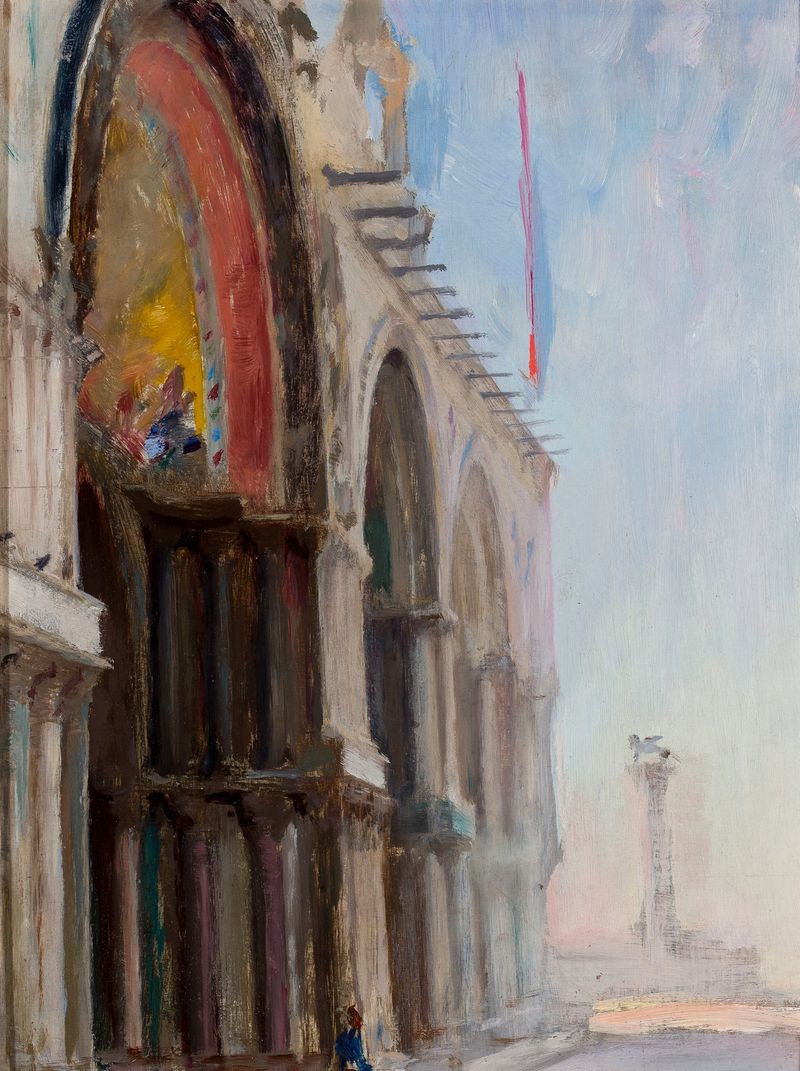
Venice – San Marco. From the journey to Italy
Jan Ciągliński
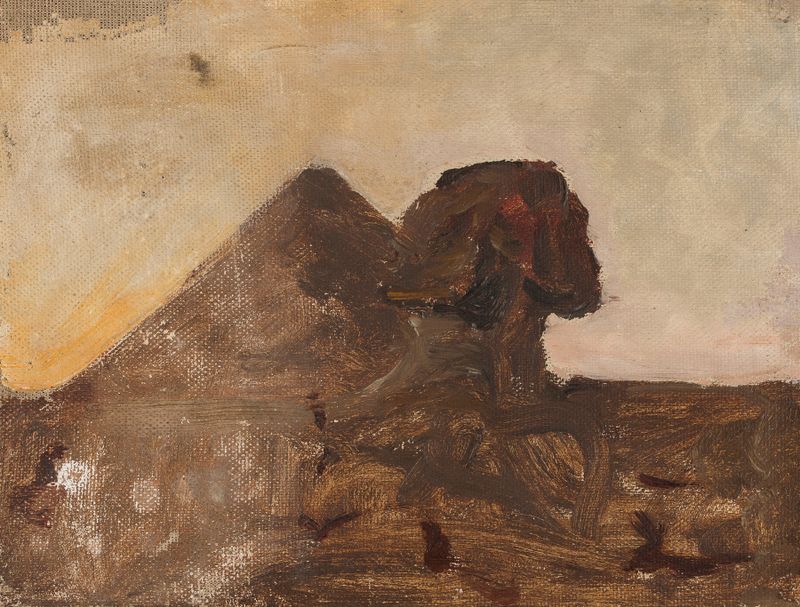
Evening in the desert – Sphinx and pyramid. From the journey to Egypt
Jan Ciągliński





