
Fountain in the khan’s palace in Bakhchisaray. From the journey to Crimea between 1887 and 1899 — History & Facts
Where does light end, and longing begin? In the hauntingly beautiful composition that evokes both serenity and trepidation, a sense of fear lingers beneath the tranquil surface of the fountain’s flow. Notice how your gaze is drawn to the gentle ripples of water cascading from the fountain, glimmering in the diffused light. The intricate details of the surrounding architecture frame the scene, inviting you to explore the delicate interplay of shadows and illumination. The cool blue and earthy tones meld harmoniously, suggesting a delicate balance between nature and the weight of history. Yet, this work speaks of more than mere aesthetics.
The fountain, a symbol of life and refreshment, juxtaposes the palpable tension of exile and longing—a fear of what is lost. The stillness of the water reflects not just the physical space but the echoes of a deeper emotional landscape, where the past and present collide, evoking a haunting nostalgia for a lost world. During the late 19th century, the artist created this piece amidst a period marked by artistic exploration and a renewed interest in Eastern themes. Jan Ciągliński's journey to Crimea was not only a personal pilgrimage but also a reflection of a broader fascination within European art circles.
Life in the Crimea, with its rich cultural tapestry, deeply influenced his work, allowing him to infuse his paintings with both historical context and a profound sense of longing.
More Artworks by Jan Ciągliński
Browse all →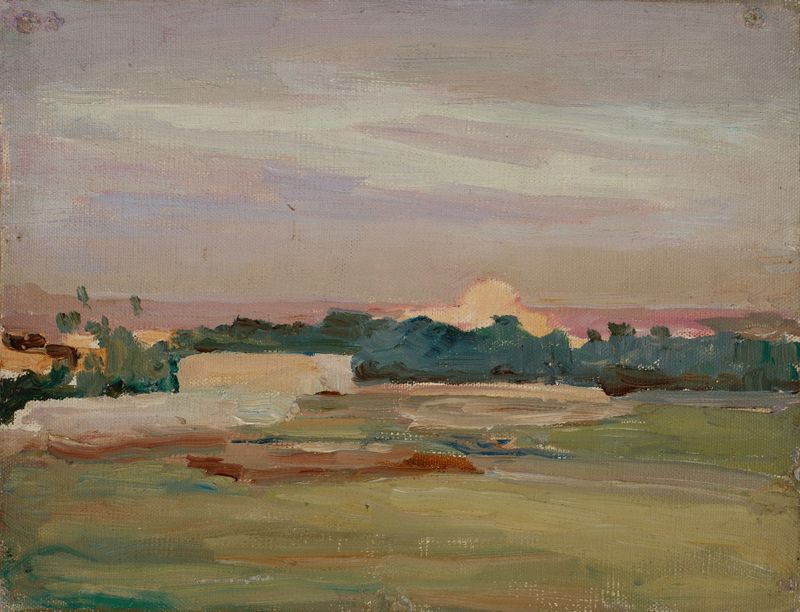
The Sirocco
Jan Ciągliński
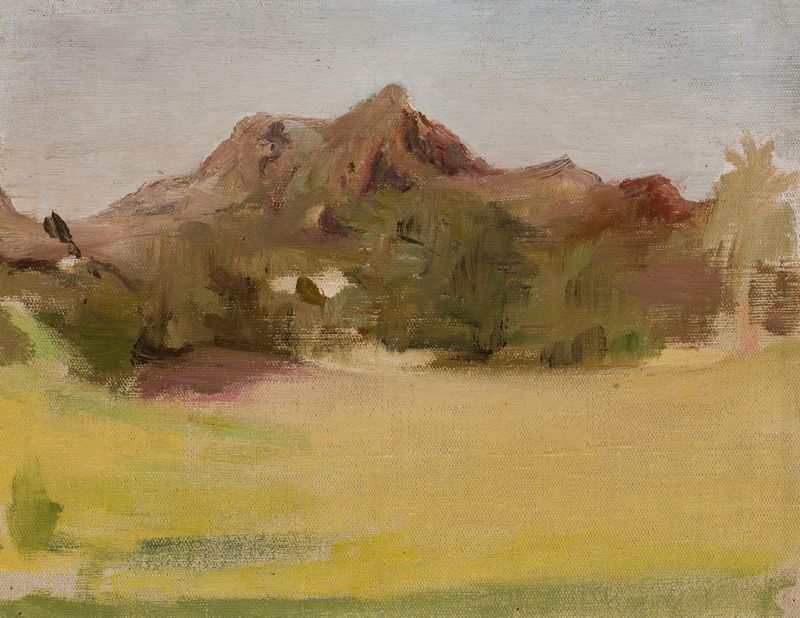
Mountain landscape. From the journey to India
Jan Ciągliński
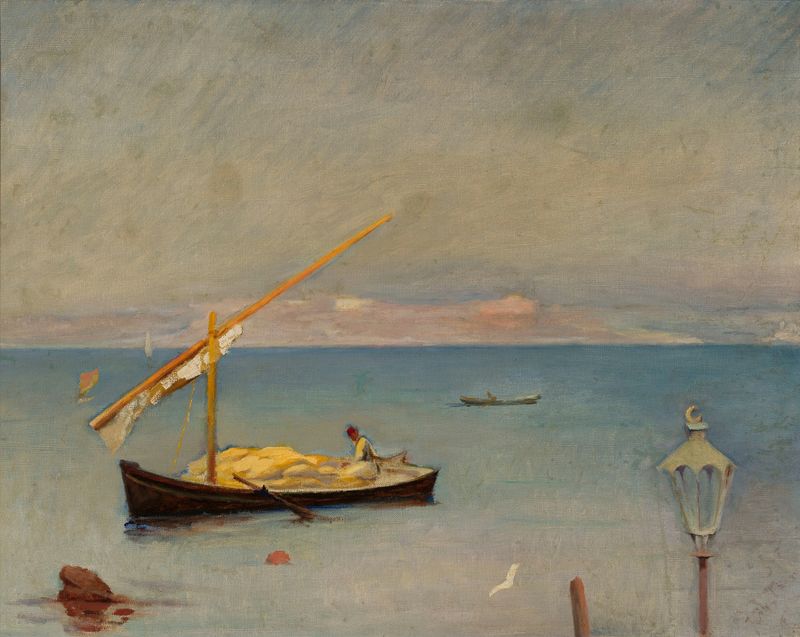
At Bosporus
Jan Ciągliński
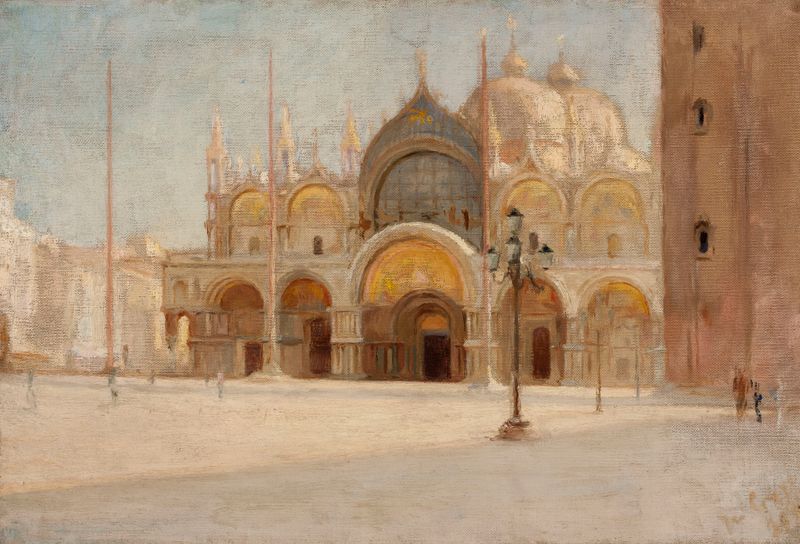
St Mark’s Square in Venice
Jan Ciągliński
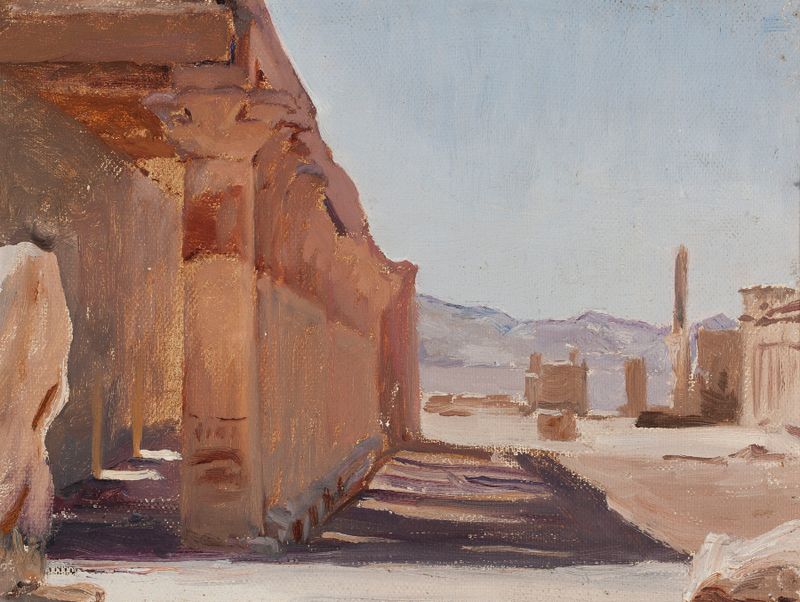
Temple. From the journey to Egypt
Jan Ciągliński
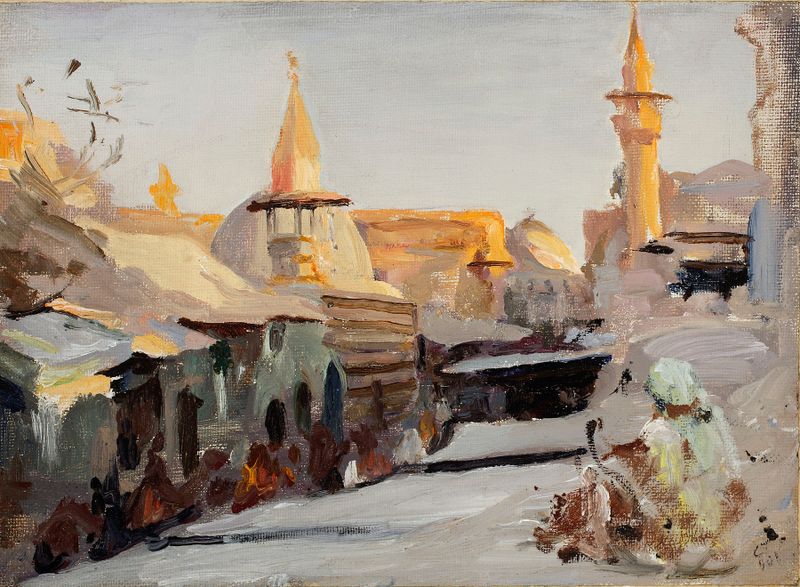
Street in Damascus. From the journey to Palestine
Jan Ciągliński
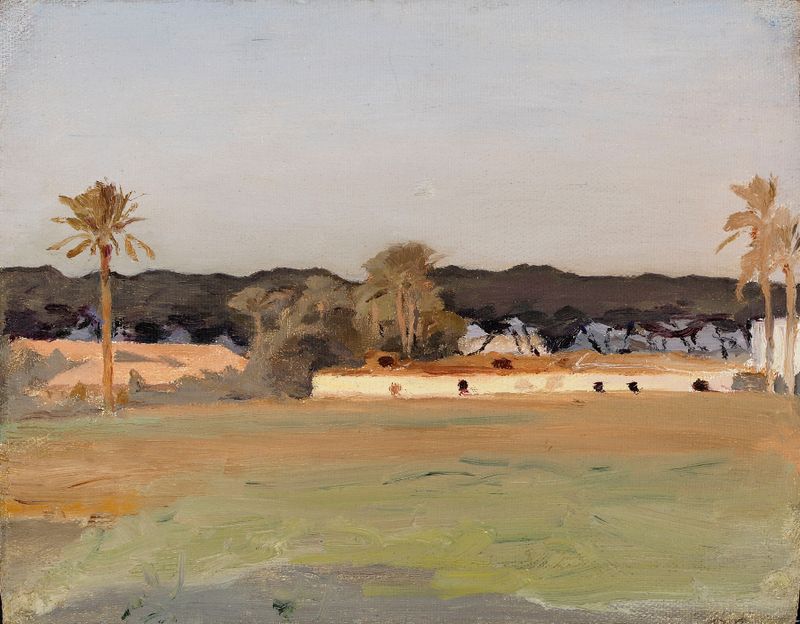
Evening. From the journey to Egypt
Jan Ciągliński
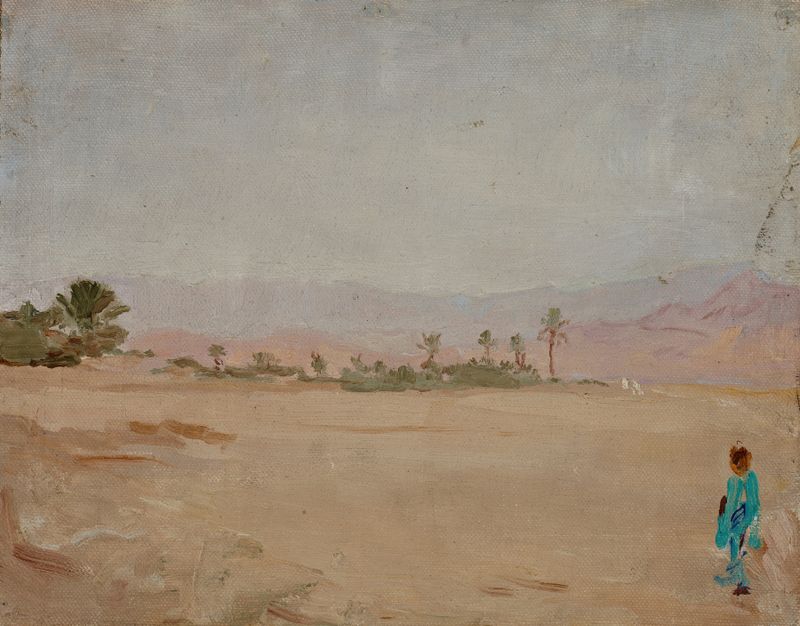
Sahara (Desert)
Jan Ciągliński
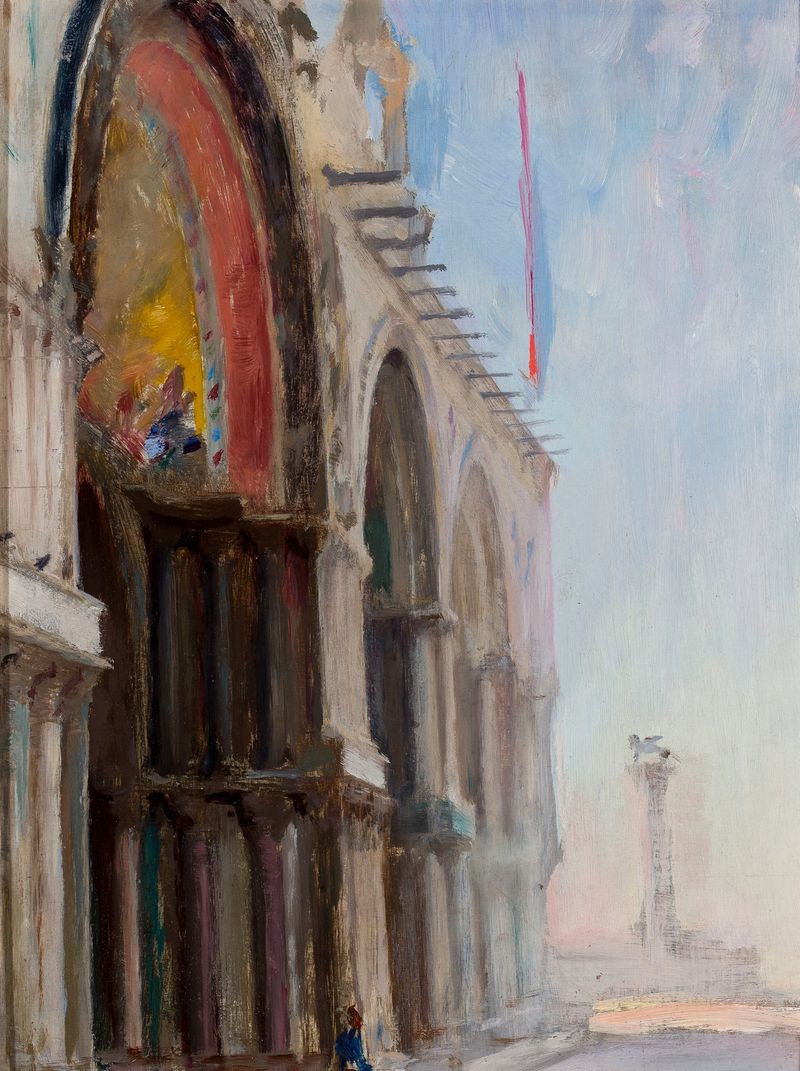
Venice – San Marco. From the journey to Italy
Jan Ciągliński
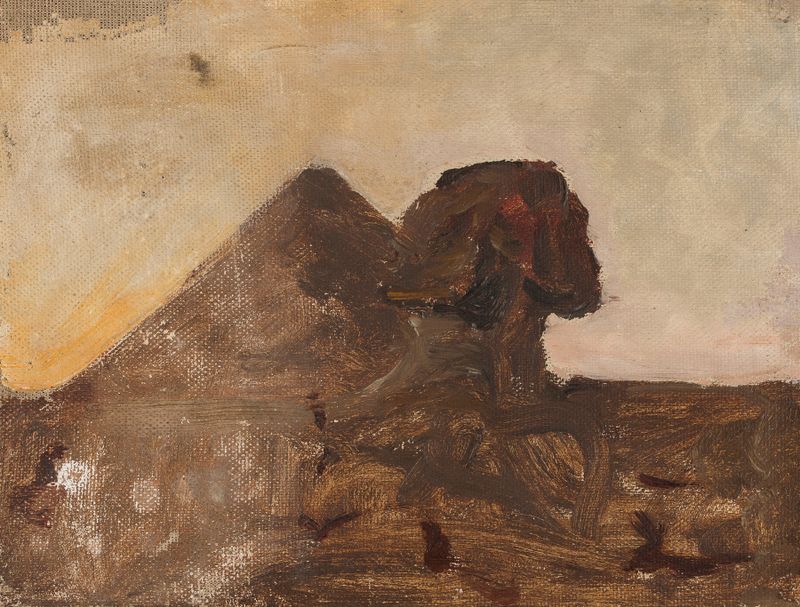
Evening in the desert – Sphinx and pyramid. From the journey to Egypt
Jan Ciągliński
More Architecture Art
Browse all →
The statue of Liberty
Frédéric Auguste Bartholdi

View of Houses in Delft, Known as ‘The Little Street’
Johannes Vermeer

View of Houses in Delft, Known as ‘The Little Street’
Johannes Vermeer

The Cathedral in Rouen. The portal, Grey Weather
Claude Monet

The yellow house
Vincent van Gogh

The Church in Auvers-sur-Oise, View from the Chevet
Vincent van Gogh