Fragment of a garden with pink flowers — History & Facts
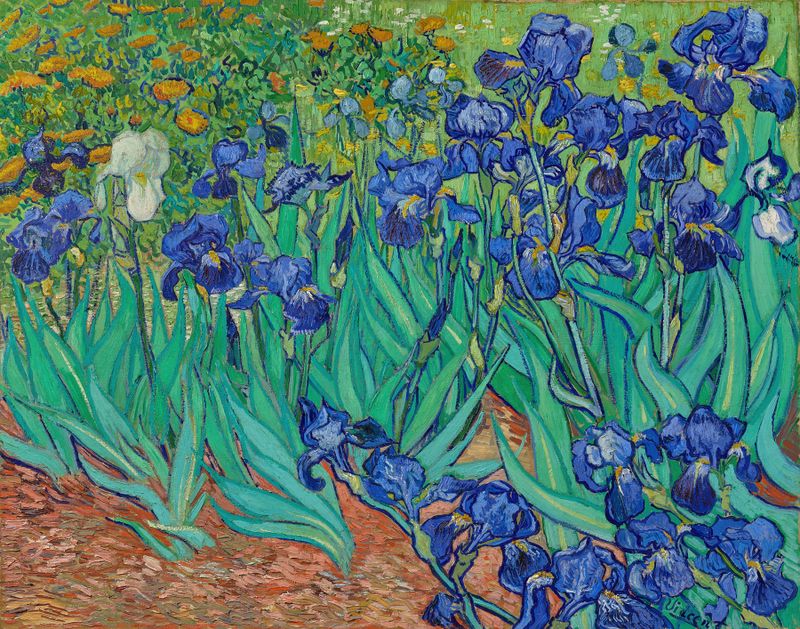
Sunlight filters through a canopy of leaves, casting dappled shadows upon a vibrant patch of pink blooms. A gentle breeze stirs the petals, infusing the air with a soft whisper of life and renewal. In this moment, nature breathes; the scene is alive with the promise of beauty and tranquility, inviting viewers to pause and reflect. Look to the left at the delicate interplay of pink and green — the flowers stand out, vibrant against the lush foliage.
Notice how the artist employs soft brushstrokes to create a sense of movement, as if the flowers themselves sway gently in the wind. The use of light captures the essence of the day, with sunbeams illuminating the petals, making them glow as if infused with warmth from a higher power. This composition draws the eye across the canvas, encouraging a slow exploration of each bloom and blade of grass. Each flower embodies a story of resilience amid nature's splendor, symbolizing faith in the cycles of life.
The pink hues evoke feelings of hope and affection, while the surrounding greenery represents growth and vitality. The juxtaposition of the softness of the petals against the sturdiness of the stems hints at life’s delicate balance and the strength found within vulnerability. In 1938, when this piece was created, Alf.J. Bigiński was immersed in a world grappling with the shadows of impending conflict and change.
Working in Poland, he sought solace in nature’s beauty, a counterpoint to the uncertainty of his times. This fragment of a garden reflects a momentary retreat into tranquility, embodying an enduring faith in the resilience of life itself.