
At the port of Mainz — History & Facts
Is this a mirror — or a memory? The canvas invites contemplation, where layers of past and present intertwine, promising reflections of rebirth and renewed beginnings. Focus on the foreground, where the shimmering water draws your gaze first. The soft ripples are adorned with the gentle hues of twilight — oranges, purples, and blues merge seamlessly, suggesting the day's end and the night's embrace. Notice how the boats rest upon the surface, their silhouettes dark against the glow of the horizon, hinting at both motion and stillness.
The figures in the scene are engaged in quiet activity, their gestures suggesting a blend of labor and leisure, a dance of life at the water’s edge. As you delve deeper, consider the contrasts present in the artwork. The serene water reflects the life above, a mirror to the bustling scene, yet it also evokes a sense of quiet introspection. The twilight sky, vibrant and yet fleeting, symbolizes the passage of time, where each moment is both an ending and a beginning.
The juxtaposition of the lively boats against the tranquil water hints at the tireless spirit of humanity striving forward, even as night falls and darkness approaches. In 1876, Morgenstern was immersed in the vibrant art community of Germany, navigating the shifting tides of Romanticism and Naturalism. This era was marked by a growing fascination with capturing the essence of everyday life, and the artist's focus on the port of Mainz reflects both the industrial advancements of the time and a deep connection to nature. His work embodies the duality of progress and tranquility, a testament to the world around him as he sought to capture fleeting moments of beauty and meaning.
More Artworks by Friedrich Ernst Morgenstern
Browse all →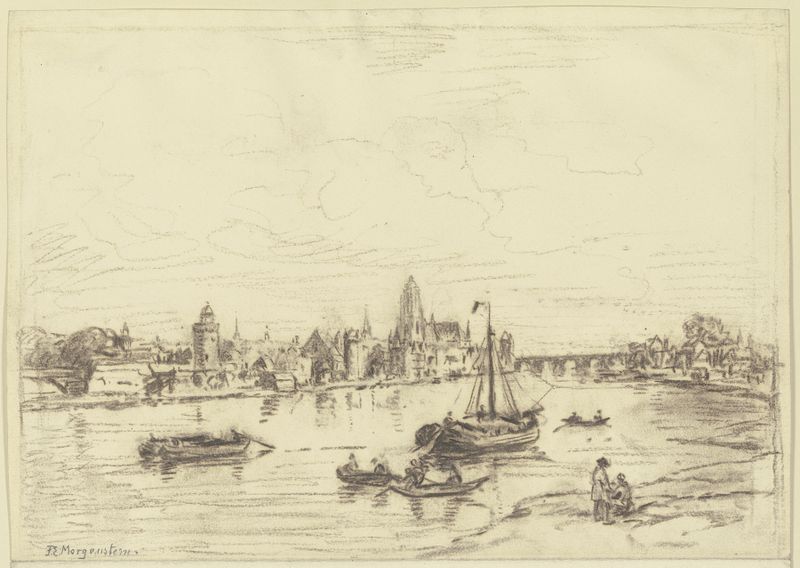
View of Frankfurt
Friedrich Ernst Morgenstern

On the Scheldt near Veere
Friedrich Ernst Morgenstern
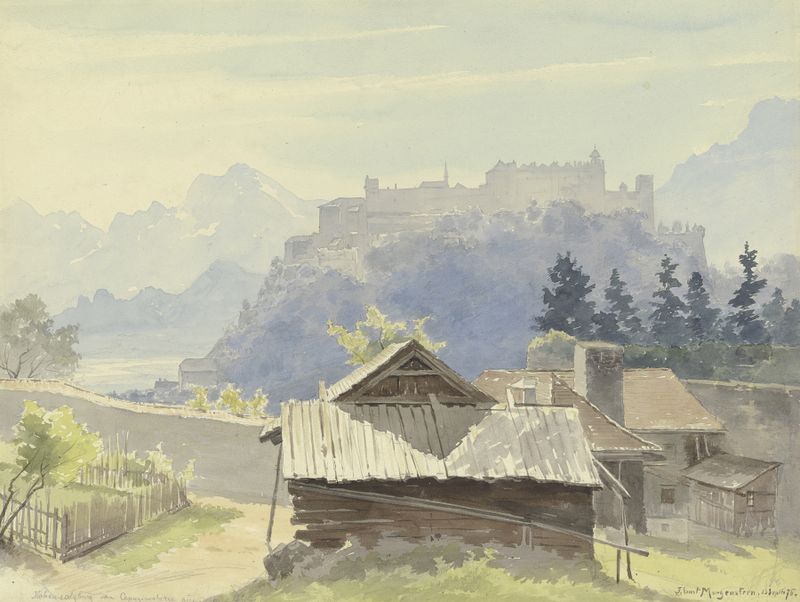
Hohensalzburg vom Kapuzinerberg aus gesehen
Friedrich Ernst Morgenstern
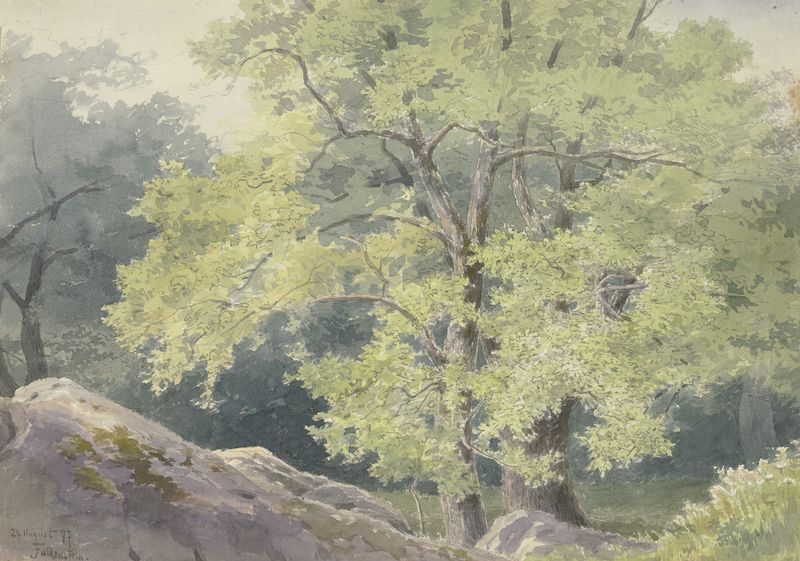
In the forest near Falkenstein
Friedrich Ernst Morgenstern
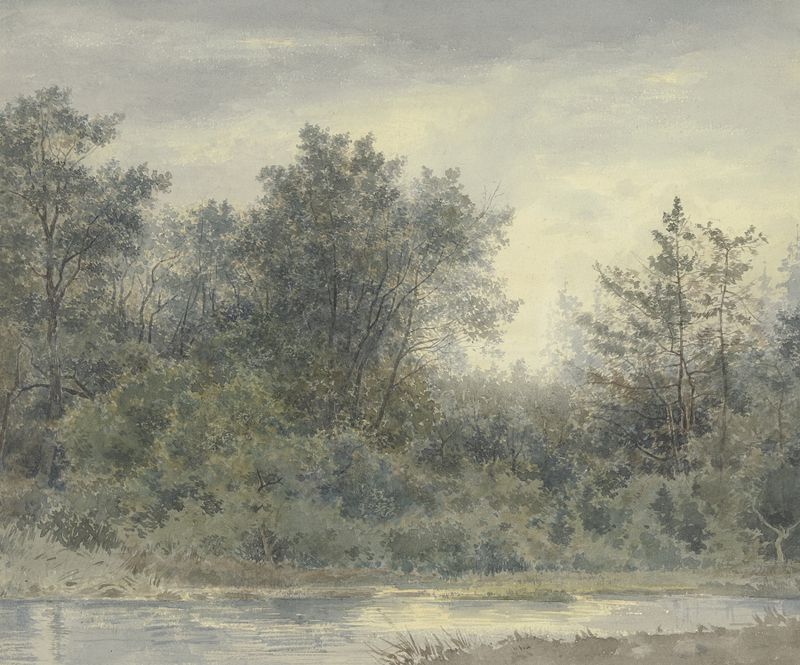
Wood by the water
Friedrich Ernst Morgenstern
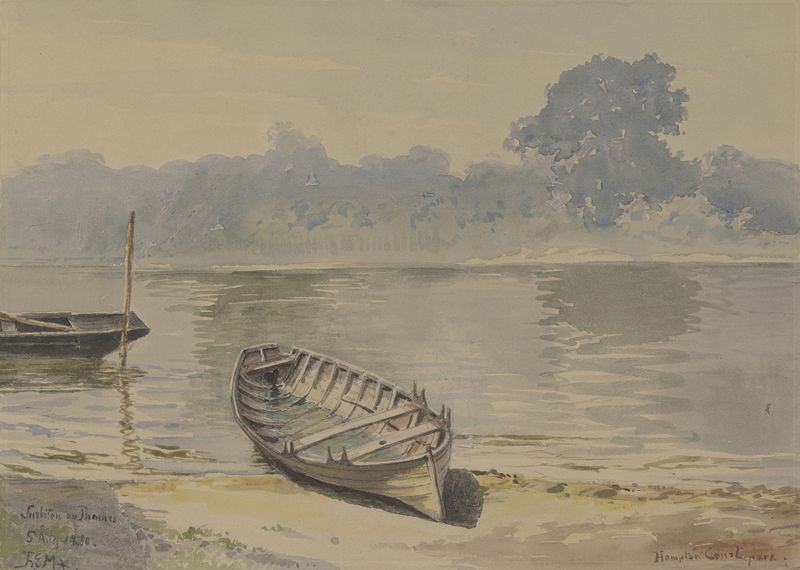
From Hampton Court Park
Friedrich Ernst Morgenstern
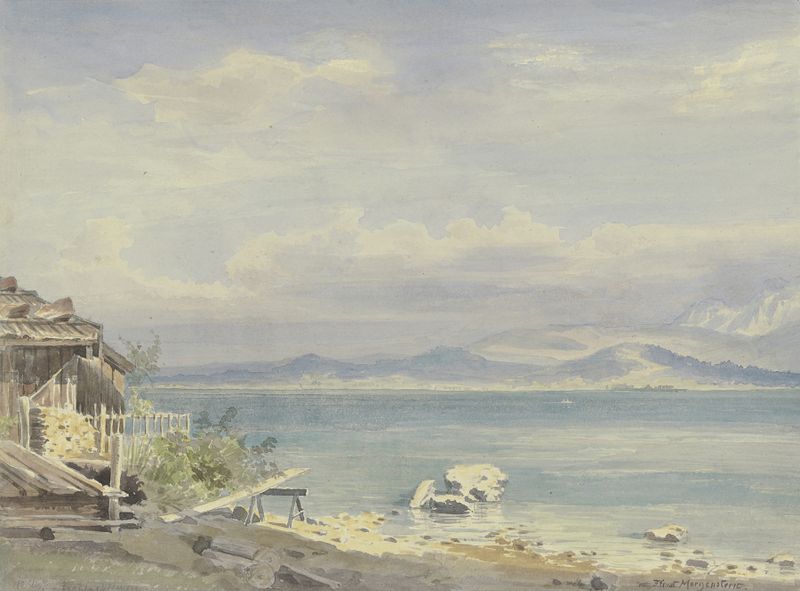
Frauenchiemsee
Friedrich Ernst Morgenstern
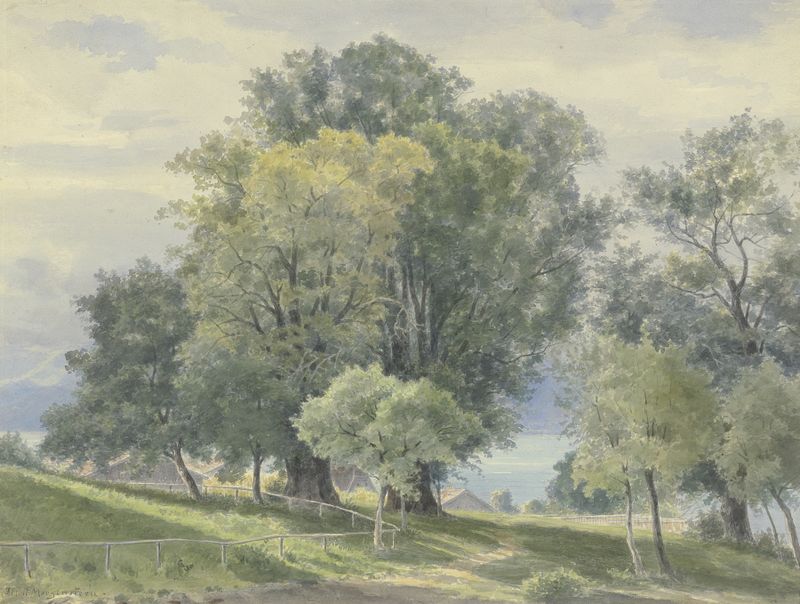
Frauenchiemsee
Friedrich Ernst Morgenstern
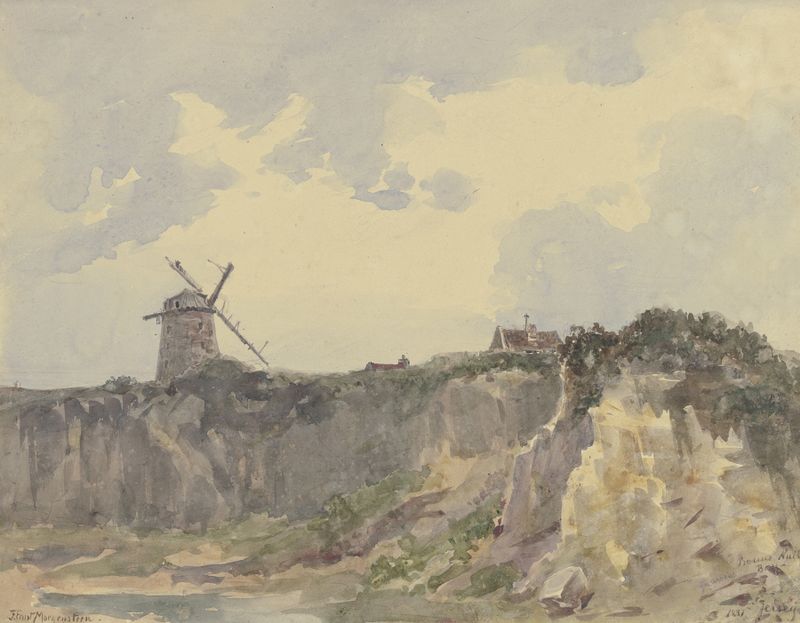
Küstenlandschaft der Bonne Nuit Bay
Friedrich Ernst Morgenstern
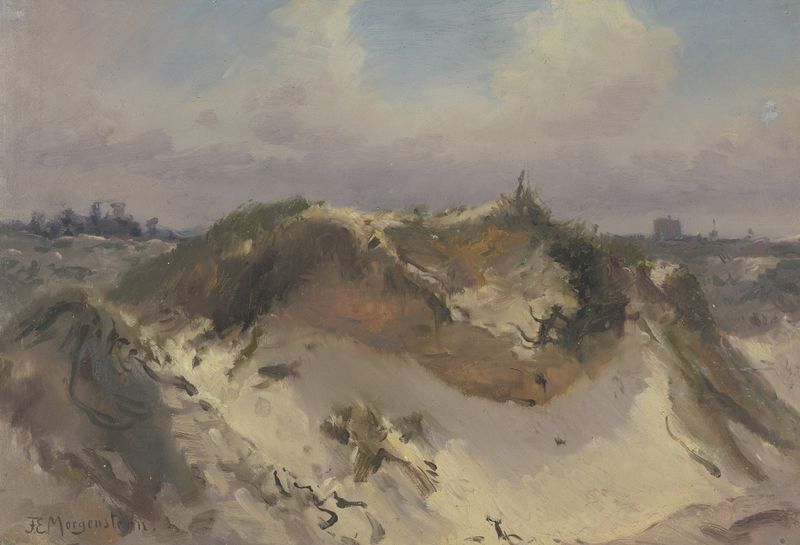
Dune near De Panne
Friedrich Ernst Morgenstern





