
Fraueninsel — History & Facts
In a world filled with noise and chaos, the void can often speak louder than words. Within the tranquil confines of this painting, the allure of emptiness invites us to confront our own introspections. Look to the center where the serene waters hover in stillness, reflecting the soft hues of twilight. The delicate brushwork captures the subtle undulations of the lake, drawing your gaze across the surface to the distant outline of Fraueninsel.
The muted palette of blues and grays lends a somber yet soothing quality, creating a somnolent harmony that not only showcases the landscape but also evokes a profound sense of solitude. As the viewer, you may find yourself entwined in the dichotomy of presence and absence. The stark yet beautiful island stands as a solitary figure amidst the expansive water, representing both isolation and introspection. The gentle caress of the fading light hints at the passage of time, suggesting that within this silence lies a deeper narrative of longing and reflection.
Each brushstroke conveys a tension between the physical and emotional spaces, stirring an ambiguous connection to what is left unsaid. Painted in 1930, this work emerged during a turbulent period in Europe, marked by the aftermath of the Great War and the rise of new ideologies. Hiasl Maier-Erding, influenced by the changing art movements of the time, sought to capture not only the picturesque beauty of places but also the complexities of human emotions reflected in nature. By immersing himself in the serene landscapes of Bavaria, he embraced an artistic exploration of solitude that resonates powerfully through this piece.
More Artworks by Hiasl Maier-Erding
Browse all →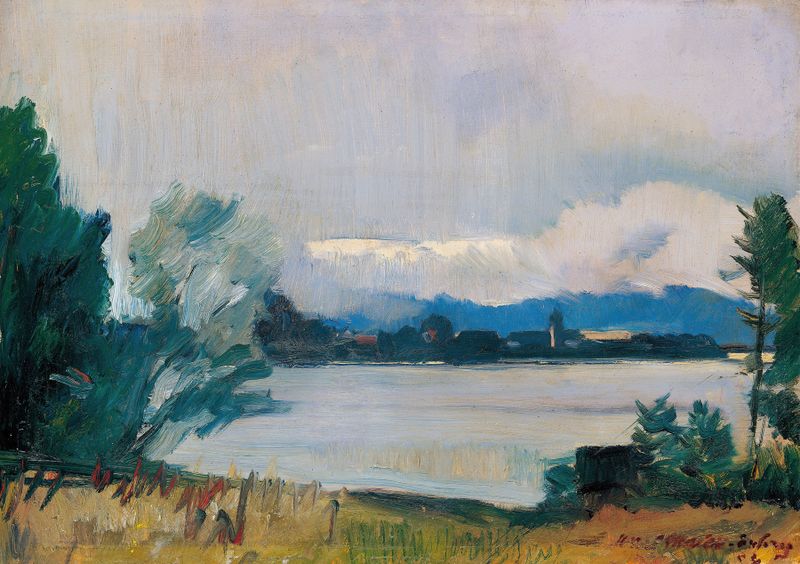
Blick zur Fraueninsel
Hiasl Maier-Erding

Rosenheim im Winter
Hiasl Maier-Erding

Moosstimmung am Chiemsee (bei Übersee)
Hiasl Maier-Erding

Dorfstraße in Gstadt am Morgen
Hiasl Maier-Erding
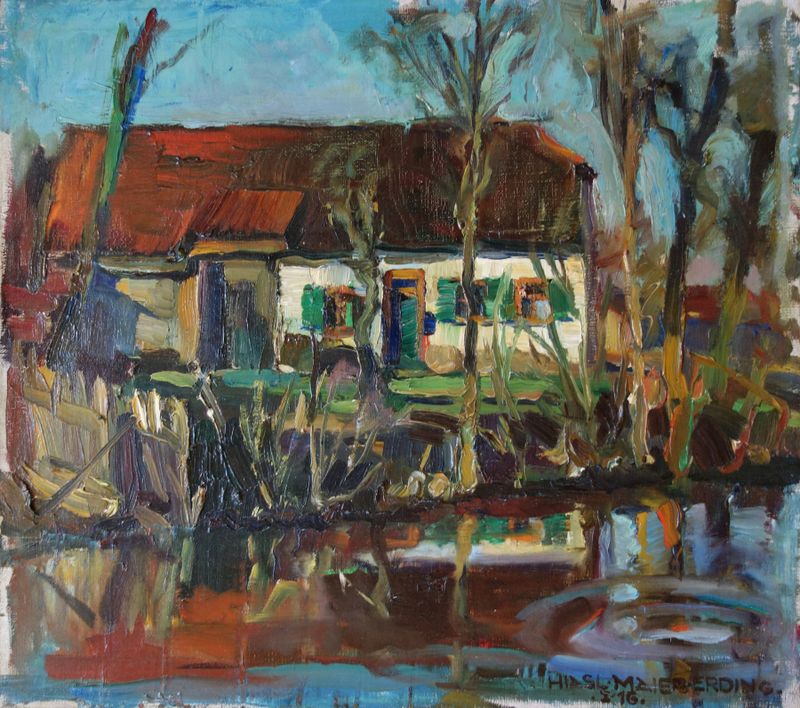
An der Sempt in Alternerding
Hiasl Maier-Erding
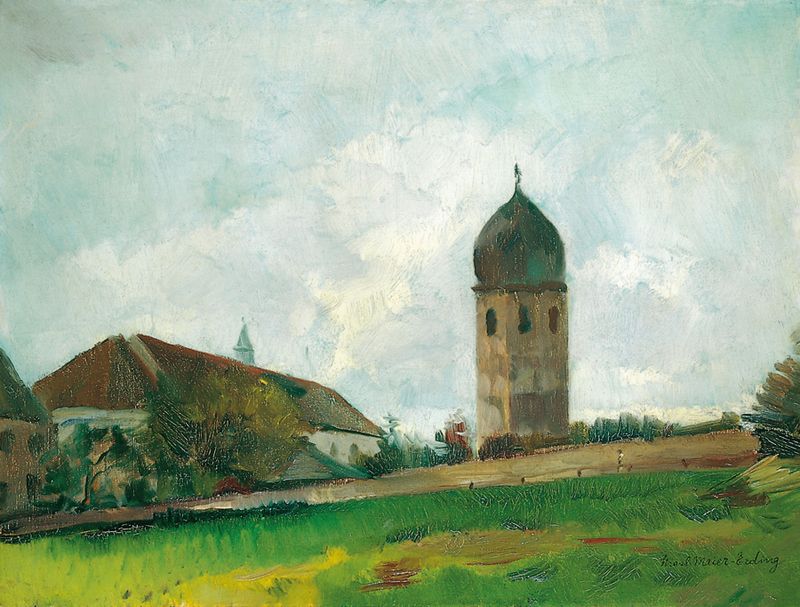
Klostergebäude mit Campanile (Fraueninsel)
Hiasl Maier-Erding
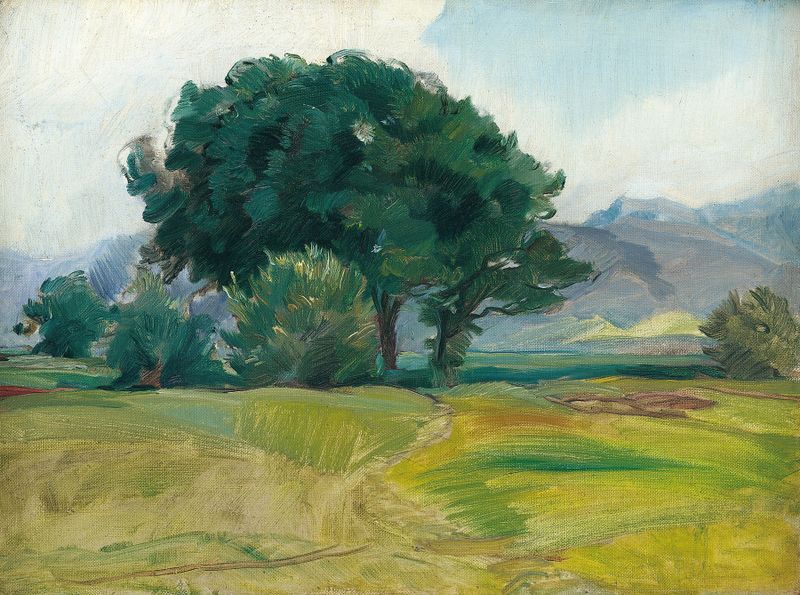
Baumgruppe im Harrasser Moor
Hiasl Maier-Erding
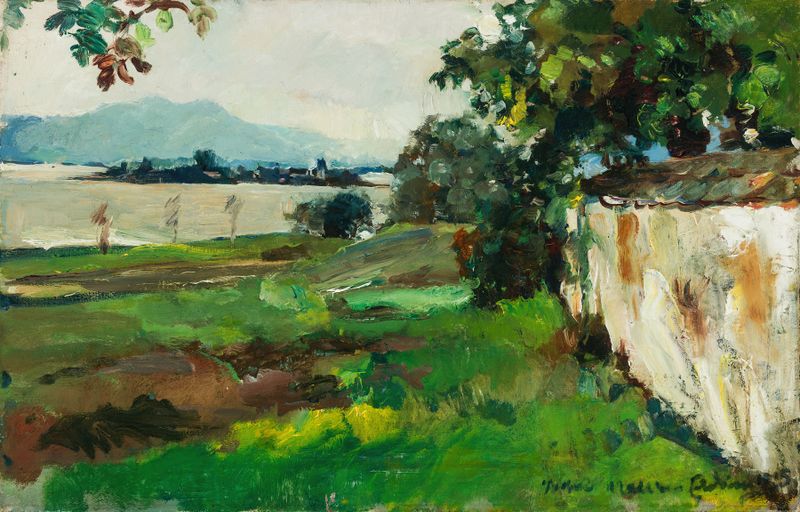
Frauenchiemsee von Gstadt aus
Hiasl Maier-Erding
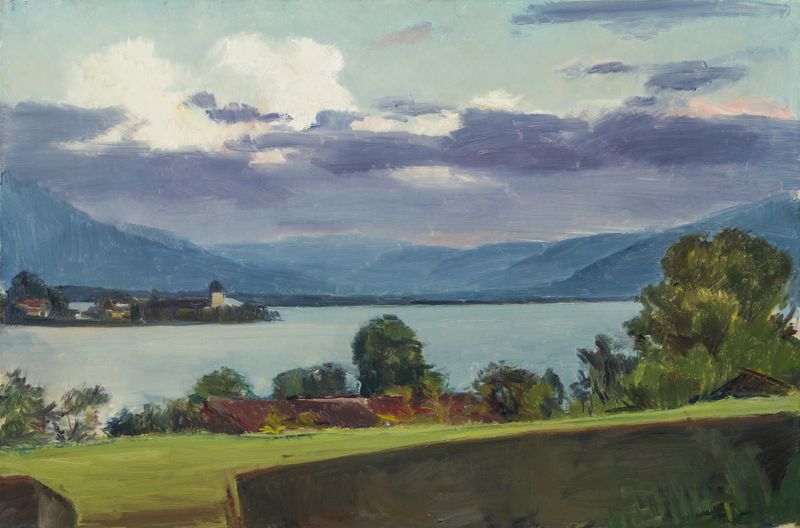
Blick von Balkon auf die Fraueninsel
Hiasl Maier-Erding
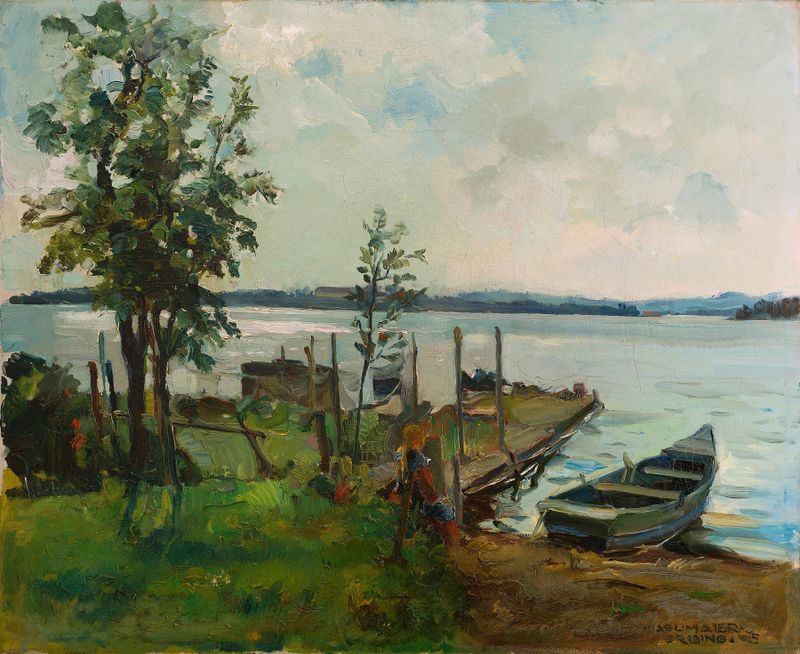
Auf der Fraueninsel
Hiasl Maier-Erding





