
Frederick the Great at Lissa: Bonsoir, Messieurs — History & Facts
A flash of lantern light cuts through the gloom, drawing every eye to the drama unfolding at the heart of the canvas. In Frederick the Great at Lissa: Bonsoir, Messieurs, Adolph von Menzel orchestrates a charged encounter in a shadowy interior, where the sweep of a staircase and the press of bodies above and below create a sense of urgent, almost theatrical anticipation. The central figure, illuminated and upright, commands the scene with a gesture that seems both greeting and challenge, while the crowd—soldiers, officers, and onlookers—cluster in agitation and awe.
The composition funnels our gaze from the chaos of the lower floor to the pale, restless faces crowding the balustrade, each one a silent witness to the moment’s gravity. Painted in 1858, this work belongs to a world fascinated by the spectacle and turmoil of history. The mid-nineteenth century saw artists across Europe turning to the grand narratives of war and leadership, often at the behest of a public eager for images of national myth and heroism. Menzel, celebrated for his meticulous reconstructions of Prussian history, here favors drama over documentation—his brushwork loose, his palette muddy and urgent, capturing not just an event but the fevered atmosphere of a night when destinies hung in the balance.
Though the precise details of this painting’s journey remain obscure, its survival in a modern collection—photographed and shared by Hajotthu in 1858—invites us to step into the charged space it conjures, to feel the weight of history pressing in from every side.
More Artworks by Adolph von Menzel
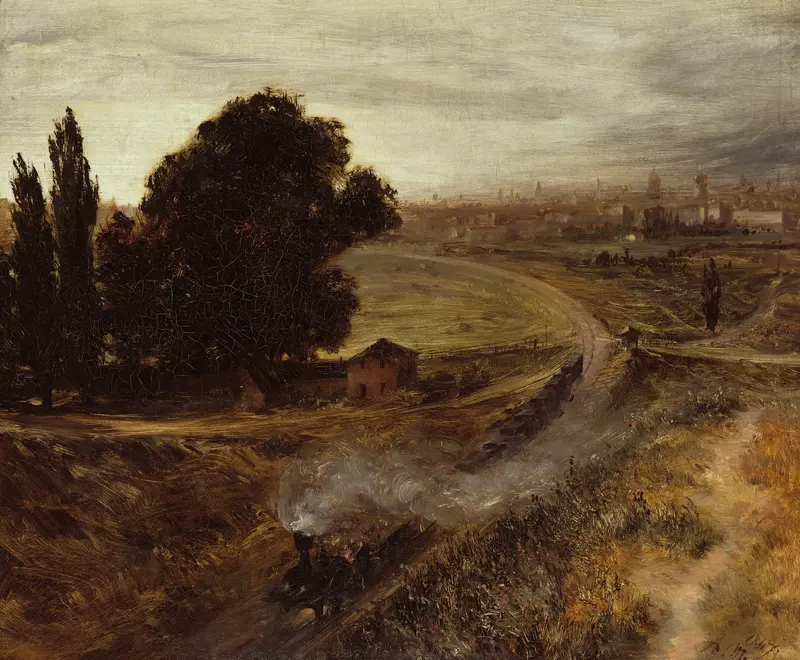
The Berlin-Potsdam Railway
Adolph von Menzel
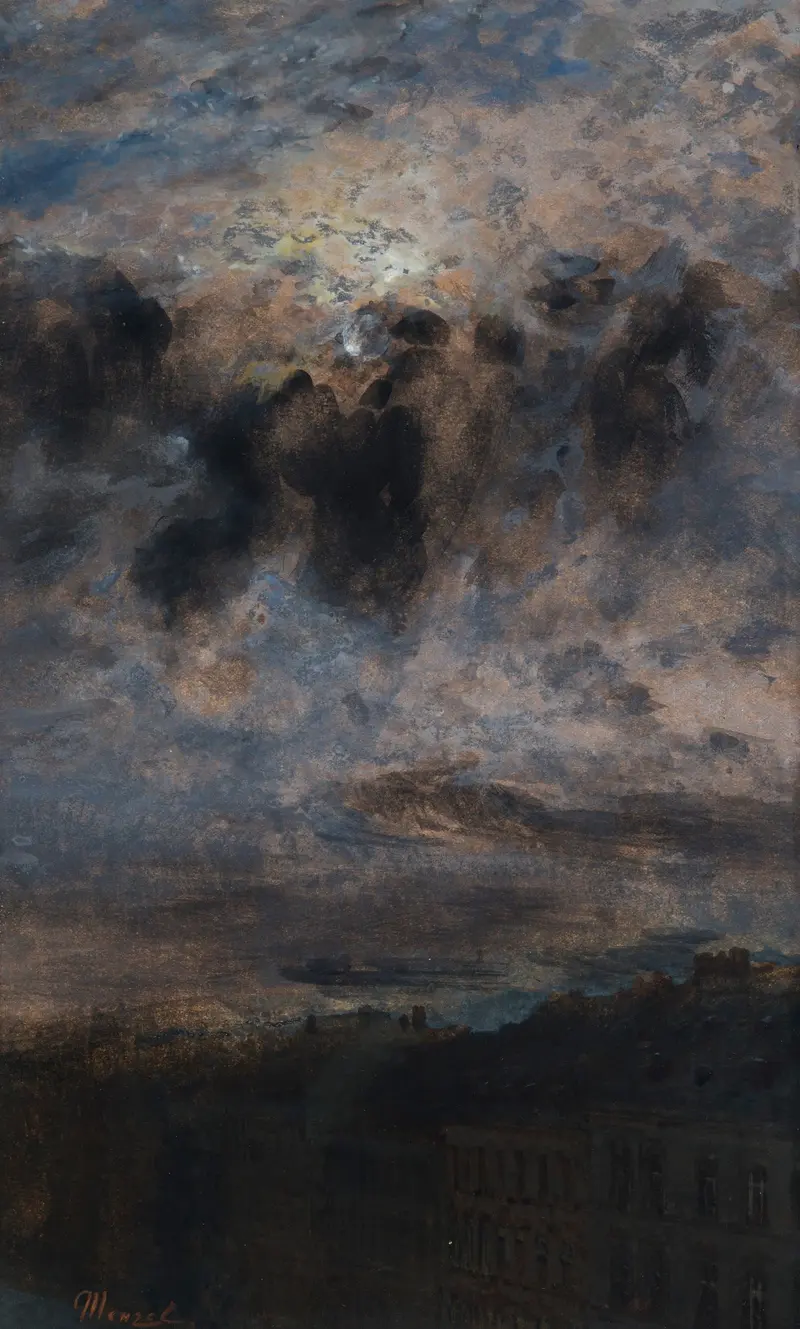
Mondschein über den Dächern von Berlin
Adolph von Menzel
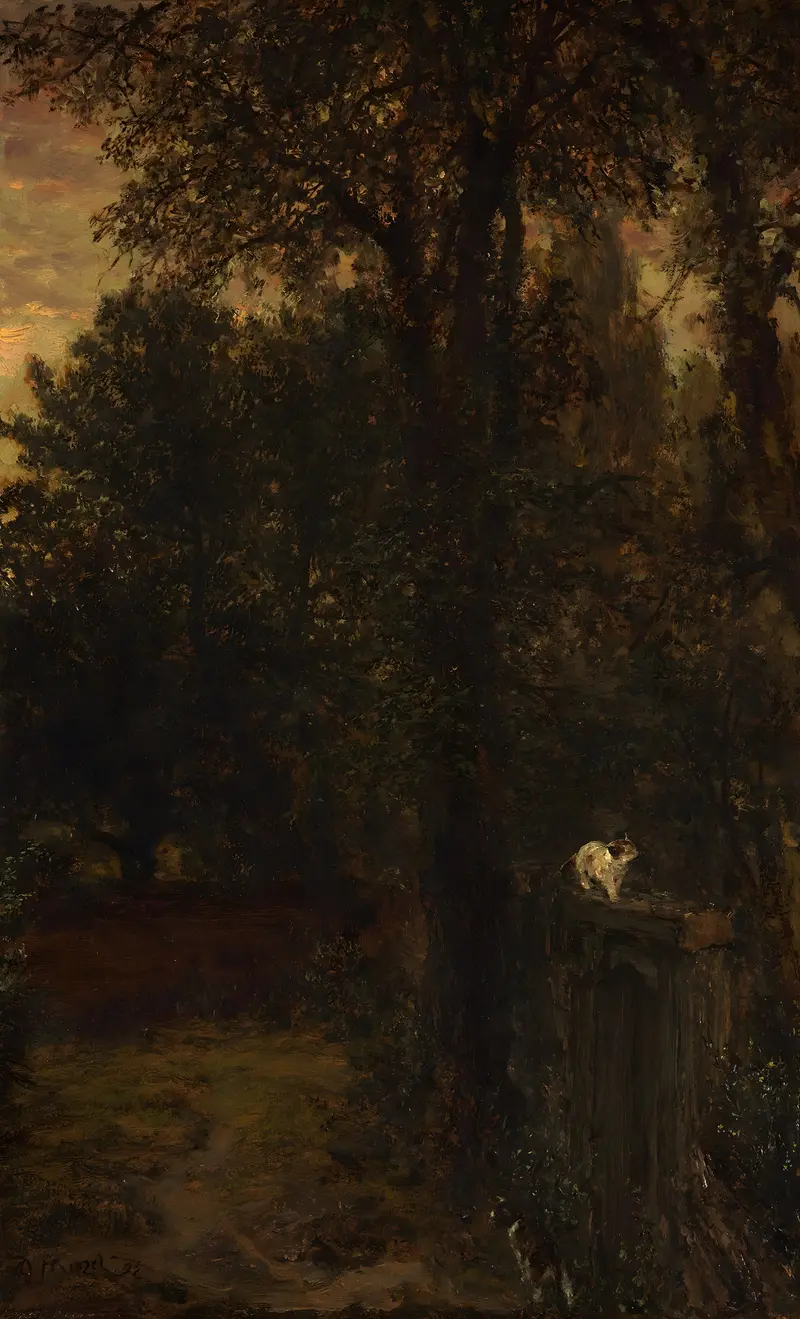
Landscape
Adolph von Menzel
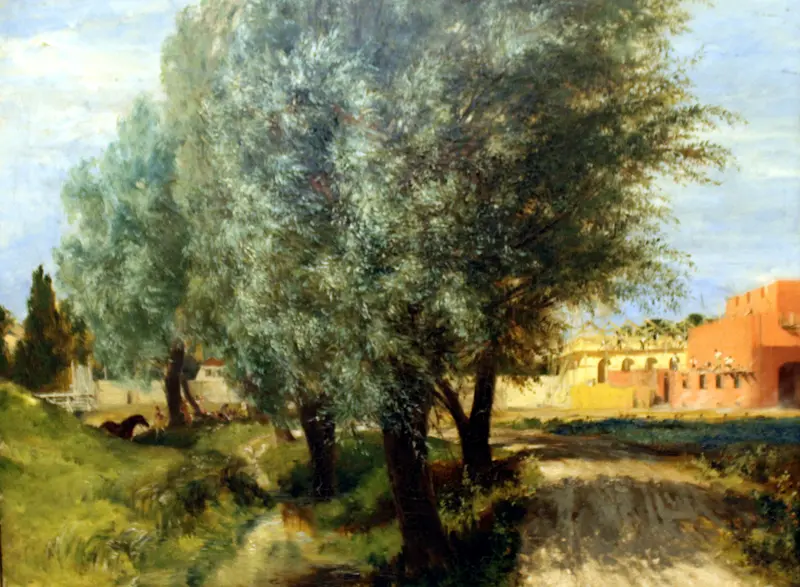
Building Site with Willows
Adolph von Menzel
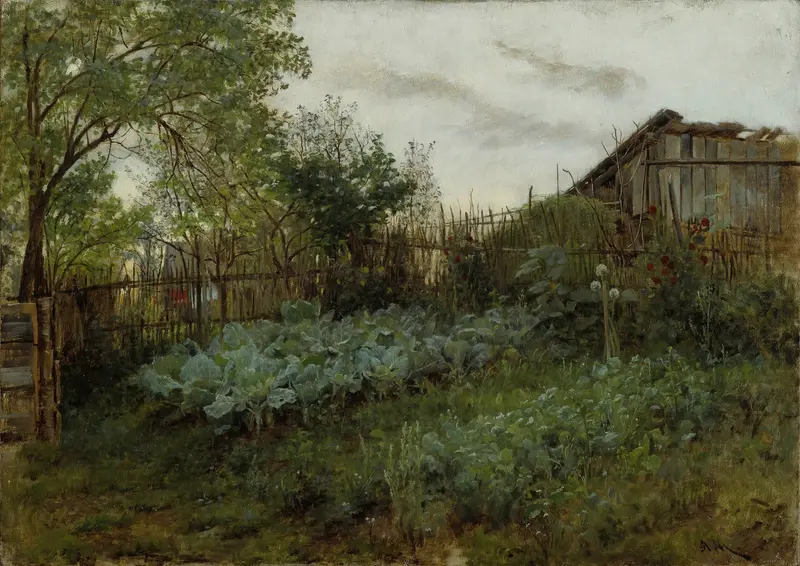
The Back Garden
Adolph von Menzel
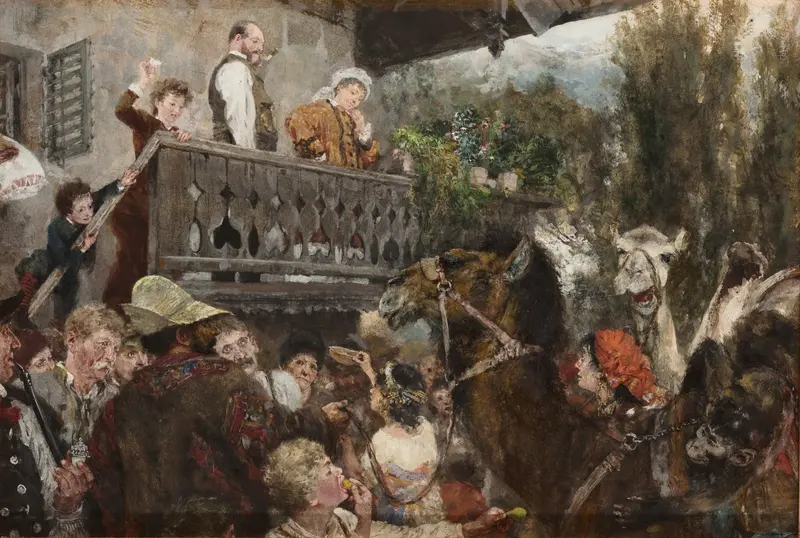
The wandering circus (Camel drivers in Partenkirchen)
Adolph von Menzel
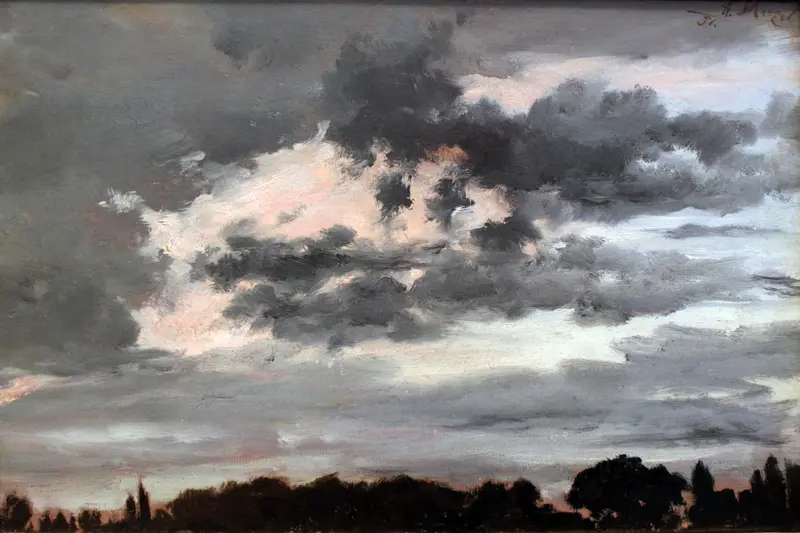
Cloud Study
Adolph von Menzel
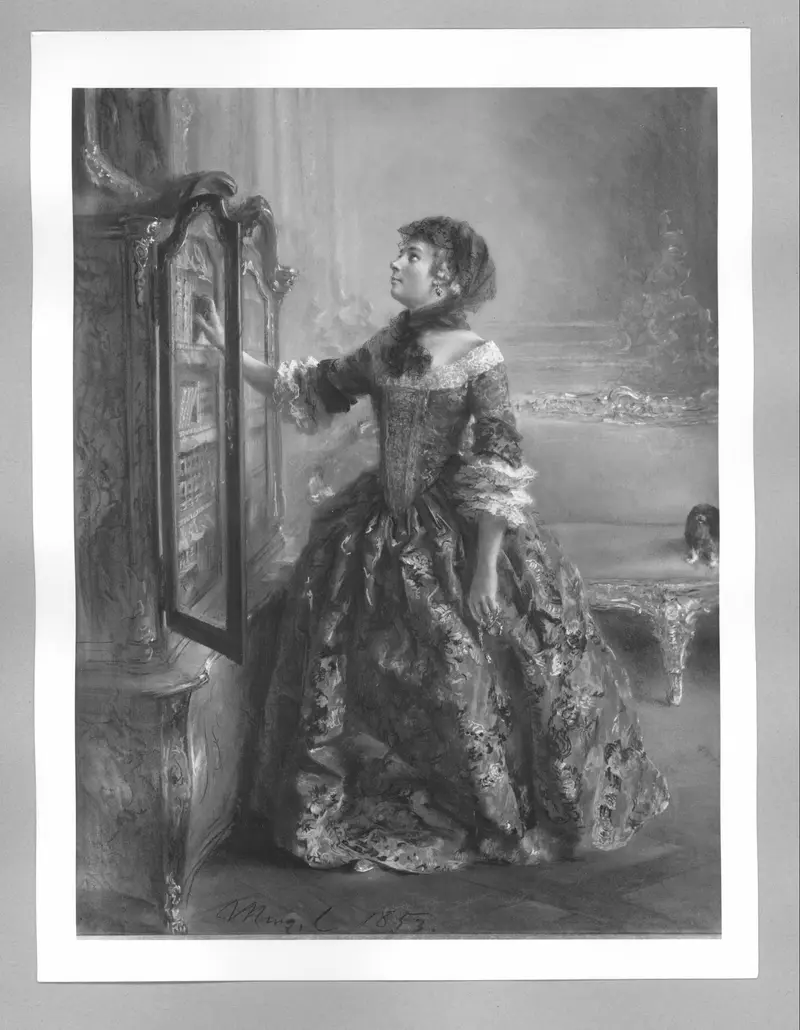
Adolf Friedrich Erdmann Menzel Dame in Rokoko Kostüm vor einem Bücherschrank (Prinzessin Amalie von Hohenzollern) 2320 Führermuseum
Adolph von Menzel
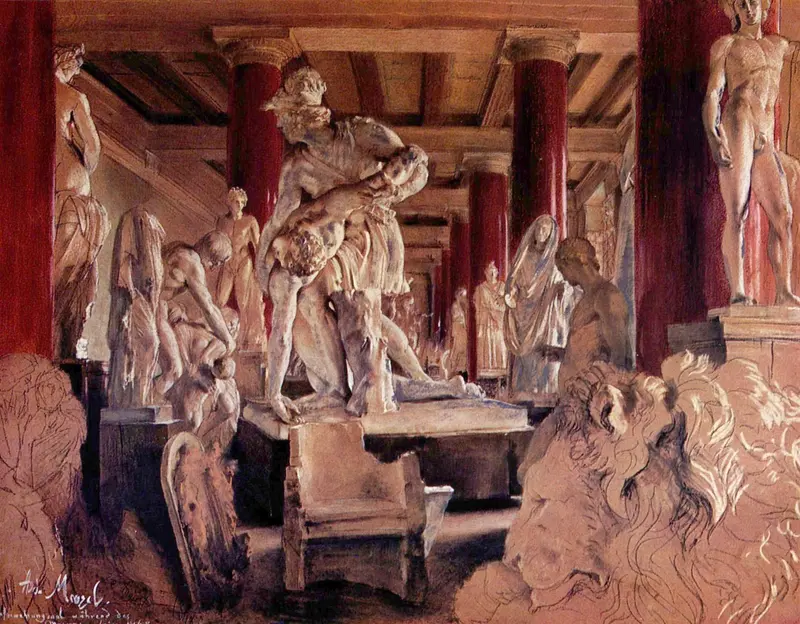
Aufbewahrungssaal während des Museumsumbaus Adolf Friedrich Erdmann von Menzel (Alte Nationalgalerie, Berlin)
Adolph von Menzel
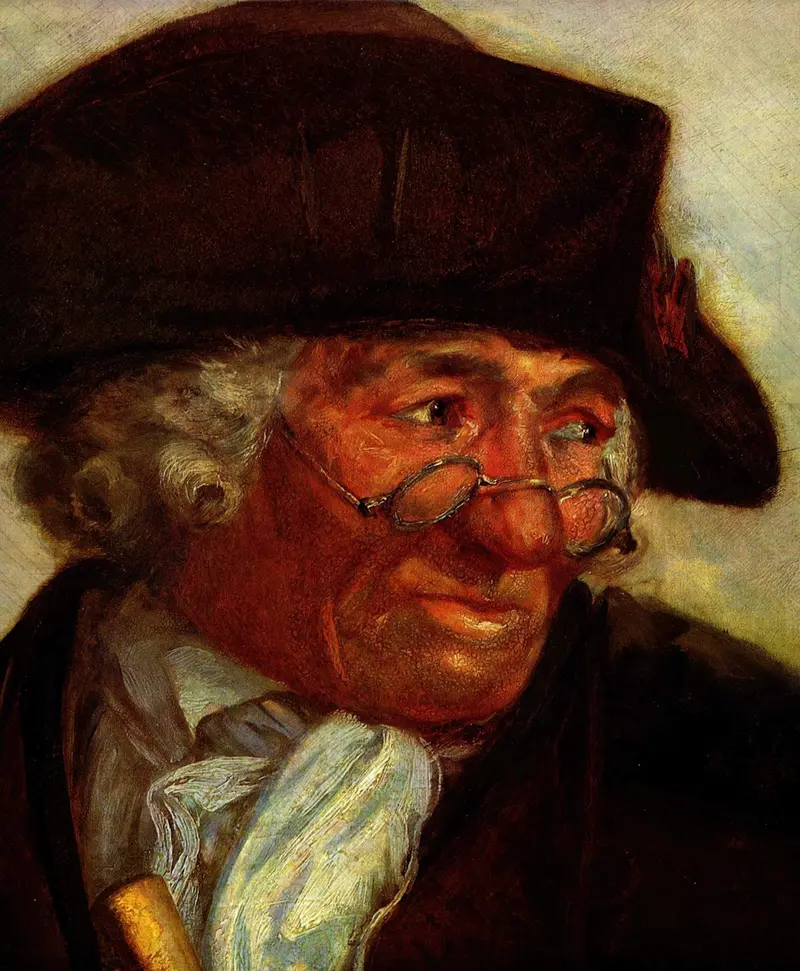
Chodowiecki on the Jannowitz Bridge
Adolph von Menzel





