Frühling — History & Facts
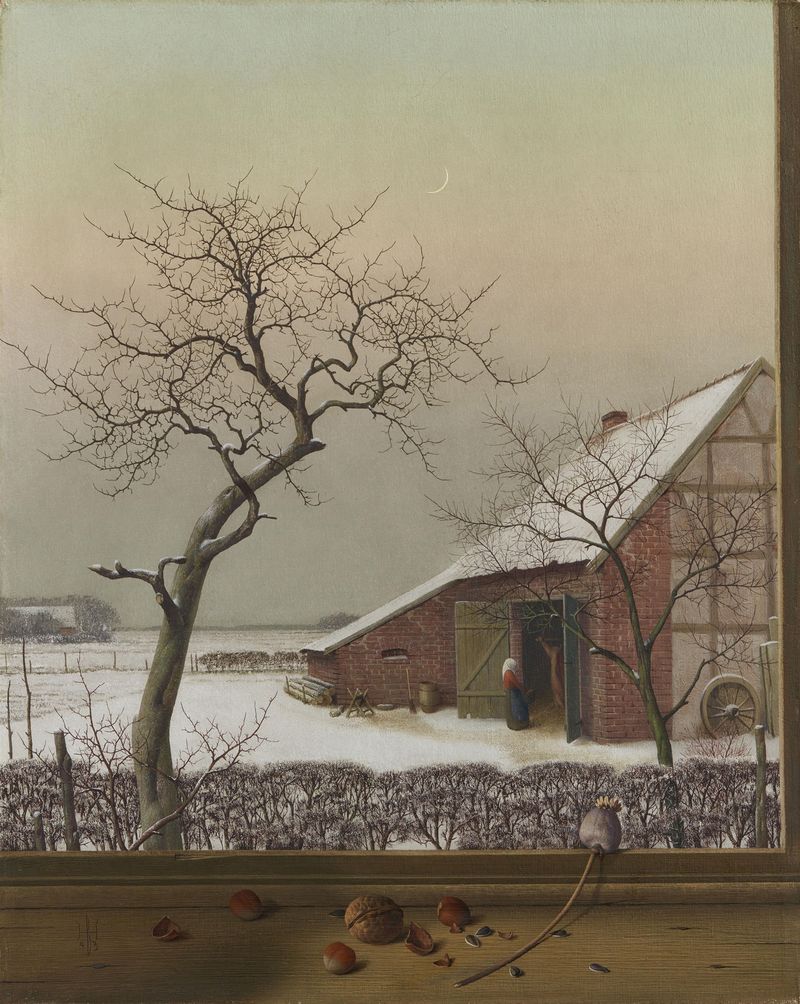
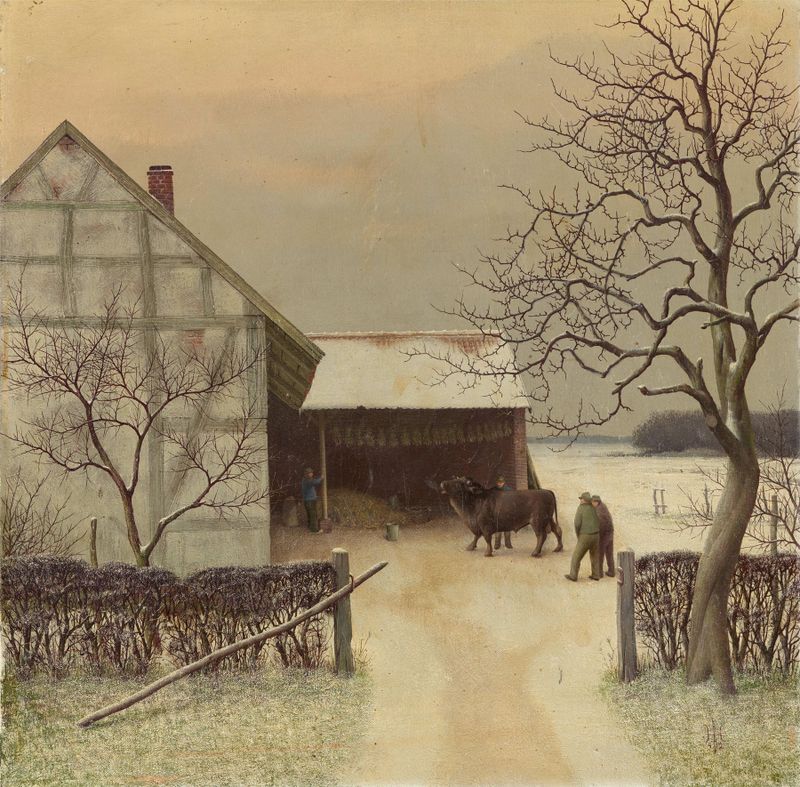
In the midst of turmoil, Frühling emerges as a poignant reminder of beauty and longing, capturing the essence of a season often associated with renewal yet tinged with bittersweet melancholy. Look to the center of the canvas, where a delicate symphony of greens and soft pastels intertwines, suggesting the first breaths of spring. The brushstrokes are fluid, almost whispering, as they weave through a landscape alive with promise. Notice how the light filters through the leaves, illuminating individual blossoms, each one a fragile testament to resilience amidst uncertainty.
The composition invites the viewer’s gaze to wander, revealing layers of texture that evoke both vitality and a sense of lingering sorrow. Within this painting lies a subtle interplay between hope and despair. The vibrant flora, while radiant, suggests a world striving to awaken, held back by shadows that loom just out of sight. The choice of colors paints a contrast between burgeoning life and the weight of history, hinting at an underlying narrative of loss and longing.
Each petal and blade of grass seems to whisper stories of a forgotten past, reminding us that renewal often comes at a cost. In 1942, during the height of World War II, Herbert Böttger created Frühling in a Germany filled with strife and uncertainty. The art world at that time was grappling with the consequences of political upheaval and social disintegration. Böttger, reflecting on the human experience, sought to convey deep emotional undercurrents through his work, capturing a fleeting moment of beauty amid a landscape marked by turmoil.