Weite Landschaft im Frühling — History & Facts
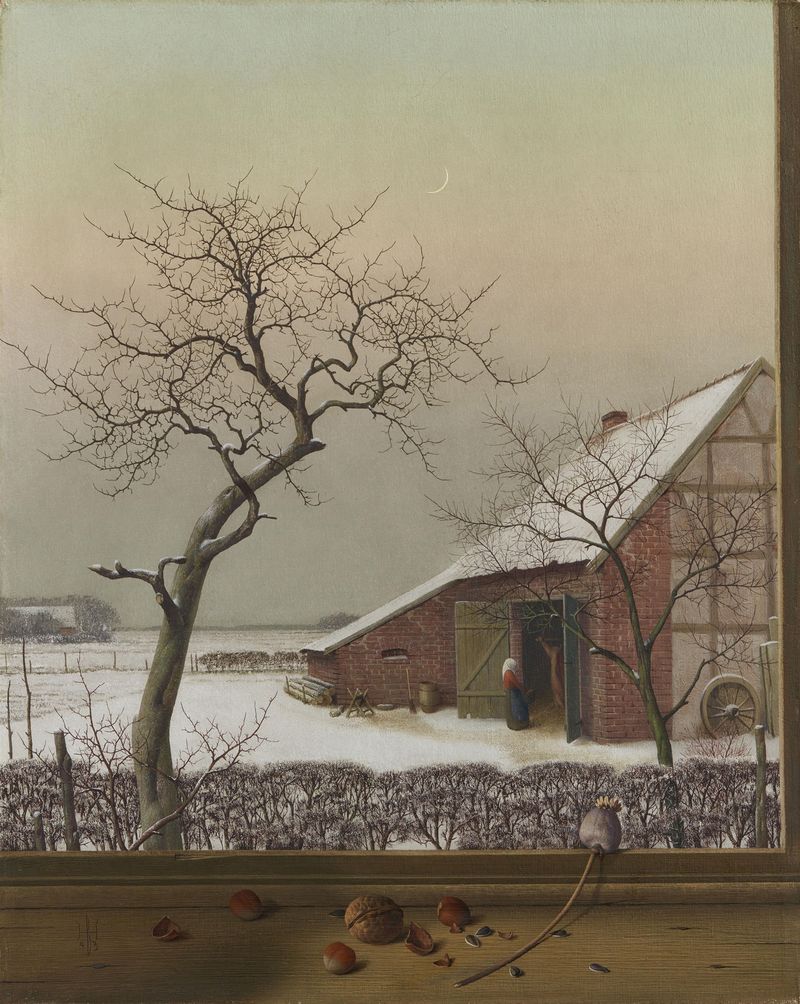
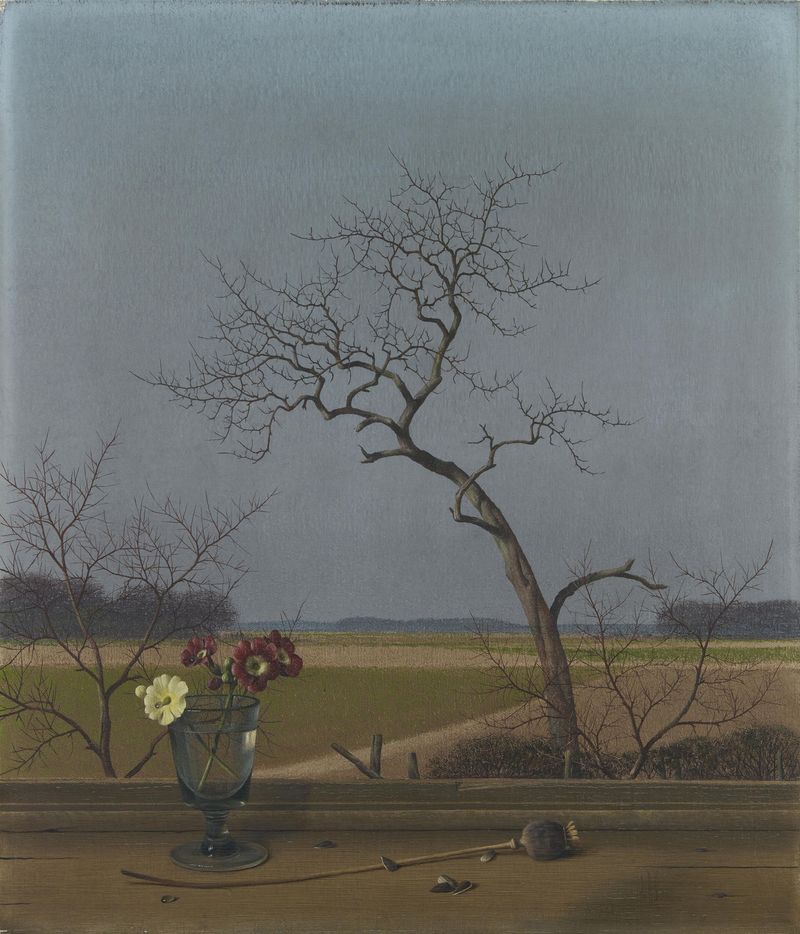
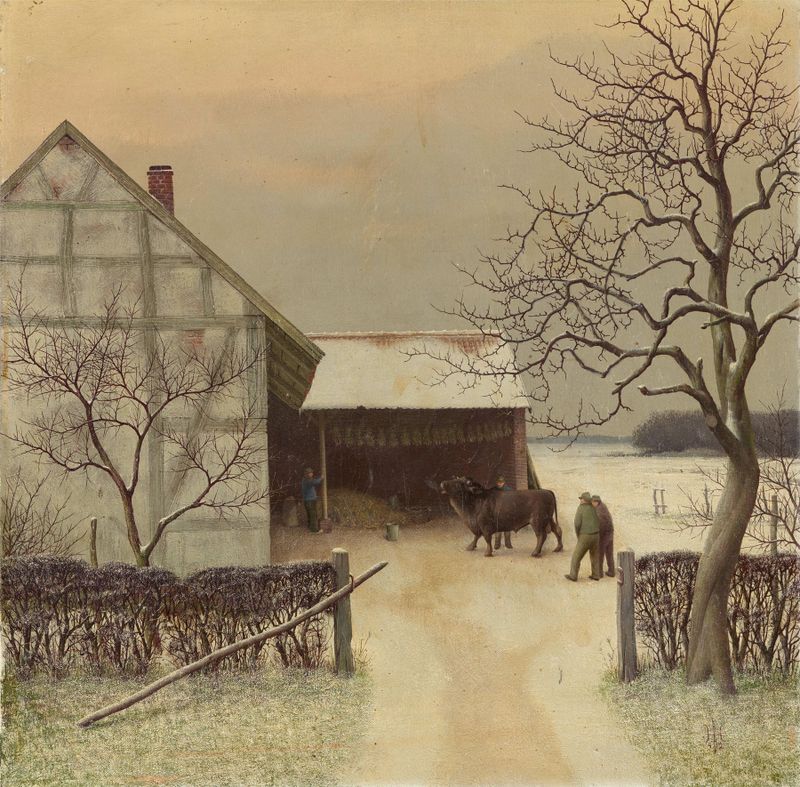
In the sweeping vistas of nature, where the eye dances across lush meadows and undulating hills, revelations emerge just beneath the surface. Each stroke holds the weight of memory, inviting us to pause and feel the ephemeral beauty of a moment forever captured. Look to the horizon, where gentle greens and soft blues converge, drawing you into the heart of spring. The artist employs a harmonious palette, emphasizing the vibrancy of life in its awakening.
Notice how delicate brushwork creates a sense of movement in the grasses, as if the wind whispers through them, breathing life into the scene. The interplay of light and shadow across the landscape adds depth, evoking a world that feels both familiar and profoundly magical. Yet, beneath this tranquil surface lies an undercurrent of tension. The faint echoes of human presence, perhaps in the distant trees or the subtle pathways, suggest the unseen stories that intertwine with nature.
This landscape is more than mere beauty; it’s a reminder of our transient existence and the cycles of life that shape our memories. The delicate balance between bright optimism and the looming shadows of history speaks to the fragility of the moment. Created between 1937 and 1939, this work emerged during a turbulent period in Herbert Böttger’s life. The artist, grappling with the rise of political unrest in Germany, sought solace in the quietude of nature.
The surrounding art world was shifting towards abstraction and modernism, yet Böttger chose to remain rooted in the beauty of realism, reflecting both personal introspection and the broader societal longing for peace amidst chaos.