Vorfrühling — History & Facts
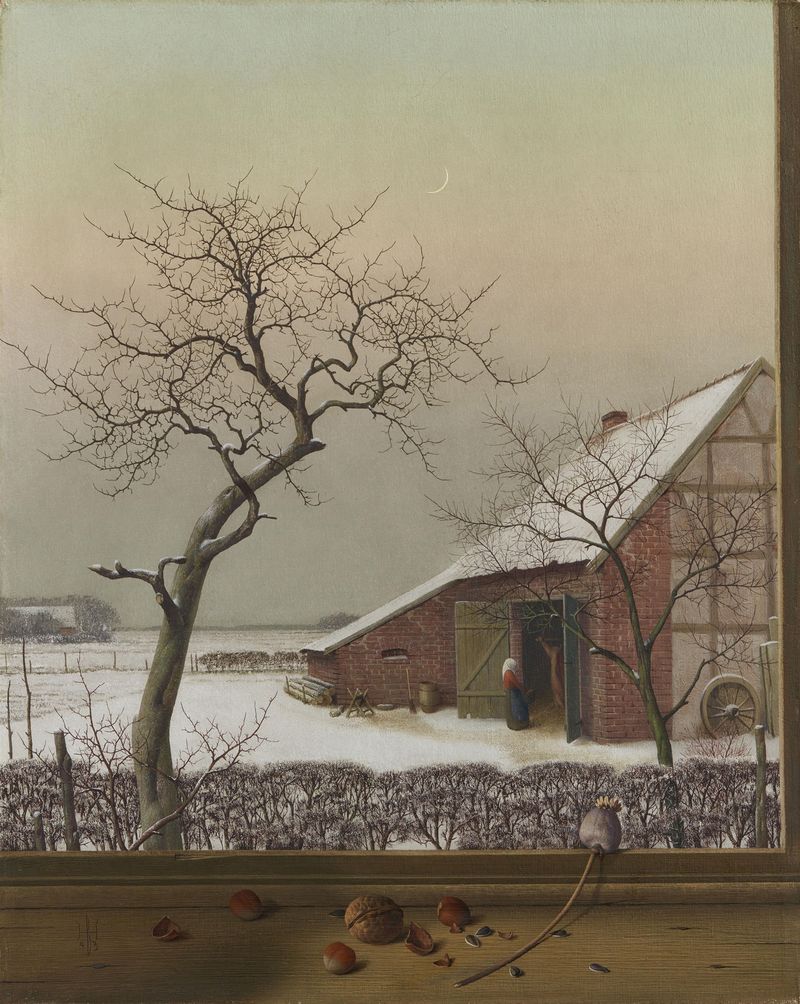
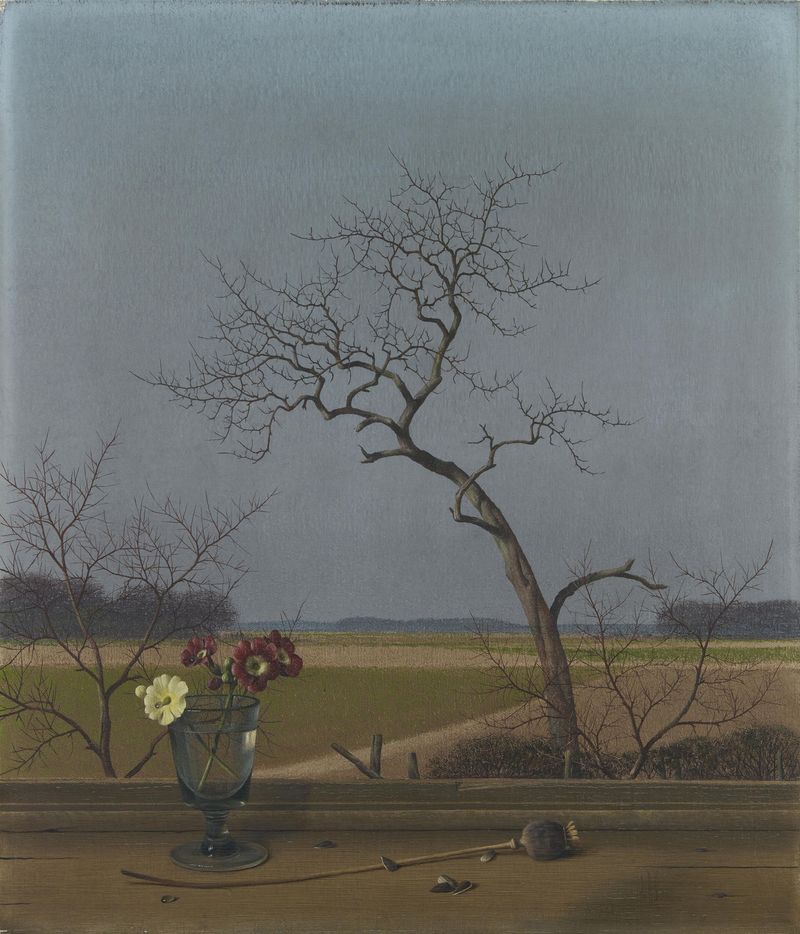
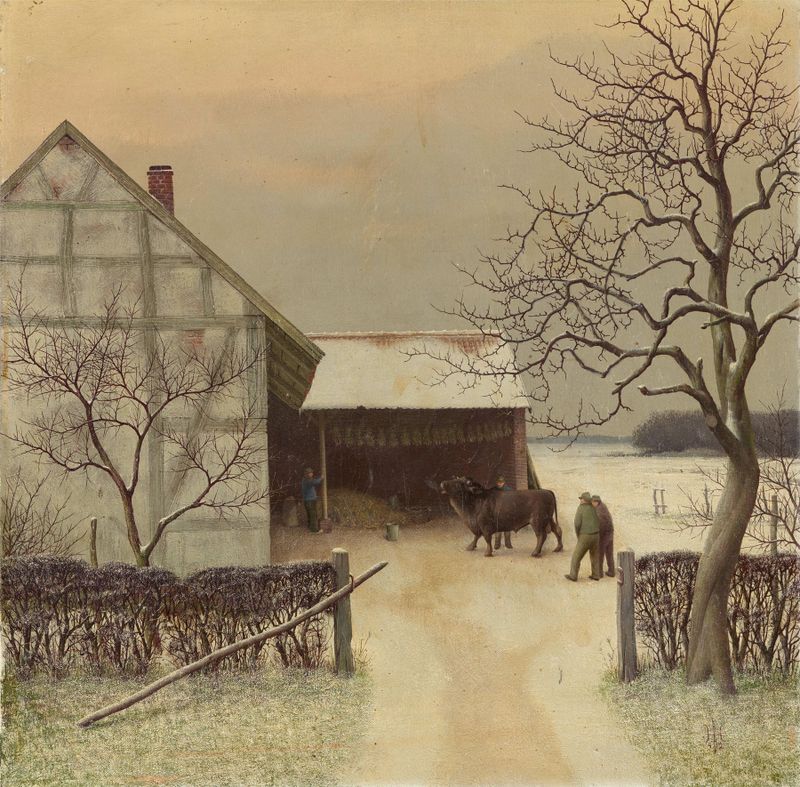
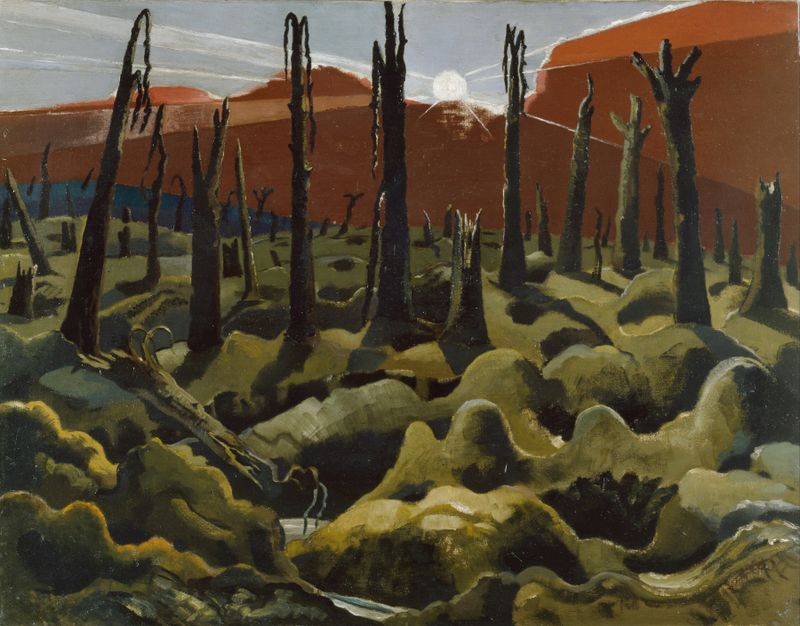
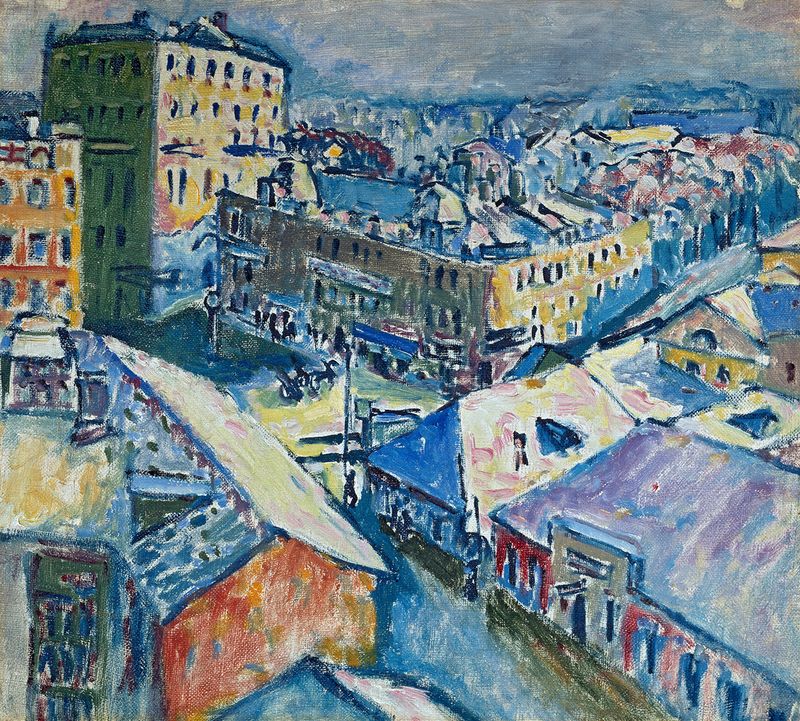
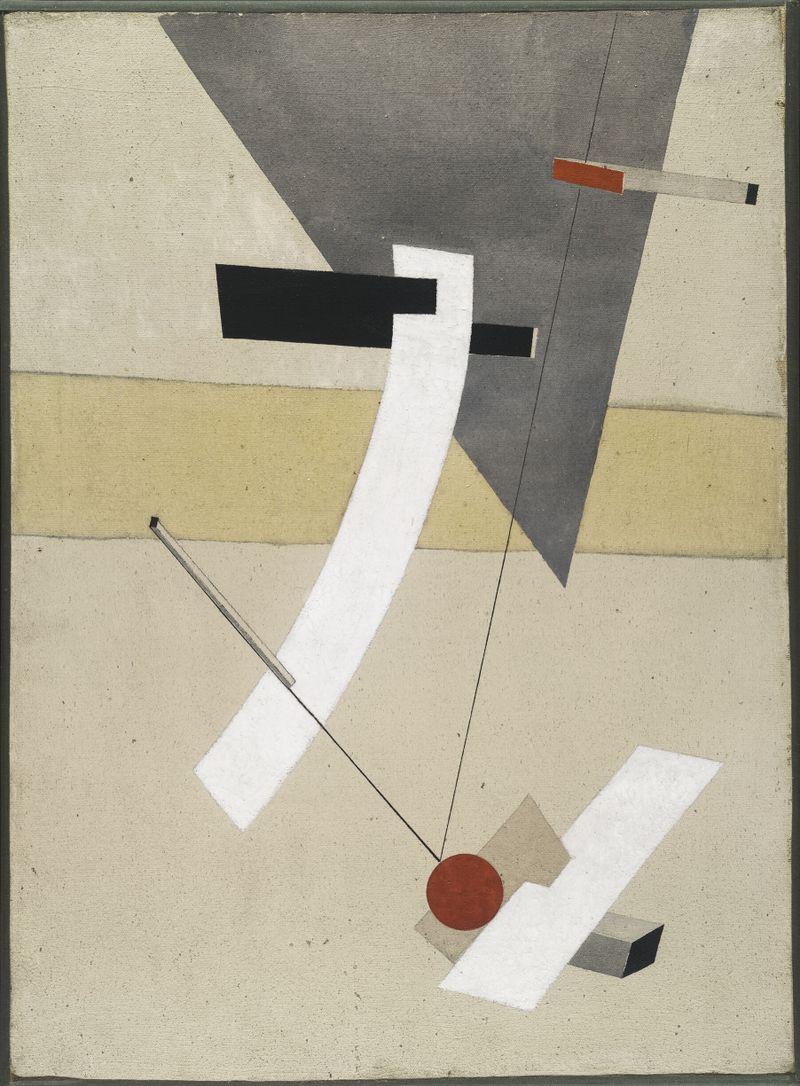
In a world where vibrant hues and muted tones wrestle for dominance, emptiness becomes the canvas upon which we project our deepest emotions. Look to the center of Vorfrühling, where soft greens and yellows intertwine, invoking the early stirrings of spring. The brushstrokes are both delicate and assertive, creating a sense of movement that suggests life is on the verge of awakening. The gradual transition from darker undertones on the edges to the luminous center invites viewers to journey inward, connecting the feeling of renewal with the quiet anticipation of what is to come. Within the artwork lies a tension between vibrancy and void.
Notice how the lighter colors almost shimmer, suggesting hope, yet are juxtaposed with shadows that hint at lingering sadness. This interplay captures the essence of yearning—emphasizing how the promise of spring can coexist with the remnants of winter. Each stroke not only portrays the beauty of blossoming life but also echoes the fragility of existence, revealing that even in moments of renewal, emptiness often lingers just beneath the surface. In 1942, Herbert Böttger created Vorfrühling amidst the backdrop of a war-torn Europe, grappling with personal and collective loss.
Living in an era of uncertainty, Böttger's work reflected a deep desire for hope and rebirth, resonating with the tumultuous atmosphere of his time. His exploration of color and form aimed to capture both the beauty of nature and the complexities of human emotions, making this piece not only a celebration of spring but also a poignant commentary on the cycle of life and loss.