
Frithiof's Return — History & Facts
A lone figure stands amid the ruins, his presence commanding even as the world around him lies in quiet disarray. The artist draws the viewer’s gaze to the man’s steady stance and the loyal dog that leaps up to greet him, a rare moment of warmth in a scene otherwise marked by desolation. The spear he holds and the intricate belt at his waist speak of a warrior’s life, while the battered shield at his feet hints at battles past.
Light glimmers off the water behind him, cutting through the grey palette and guiding the eye to the horizon, where mountains and clouds merge in a haze. Every detail—the twisted dead tree, the scattered timbers—serves to heighten the sense of return after loss, the aftermath of some unspoken ordeal. Painted in the 1880s, this work emerges from a period when Nordic legends and national romanticism held powerful sway over Scandinavian art. Artists like August Malmström drew inspiration from sagas and folklore, weaving tales of heroism and melancholy into their canvases for audiences hungry for stories of ancestral valor.
While little is recorded about the specific journey of this painting, now part of the Nationalmuseum collection, it stands as a testament to that era’s fascination with myth and memory. In the quiet tension of the scene, the viewer is invited to imagine the world that came before—and the uncertain future that lies ahead.
More Artworks by August Malmström

Tonttu
August Malmström
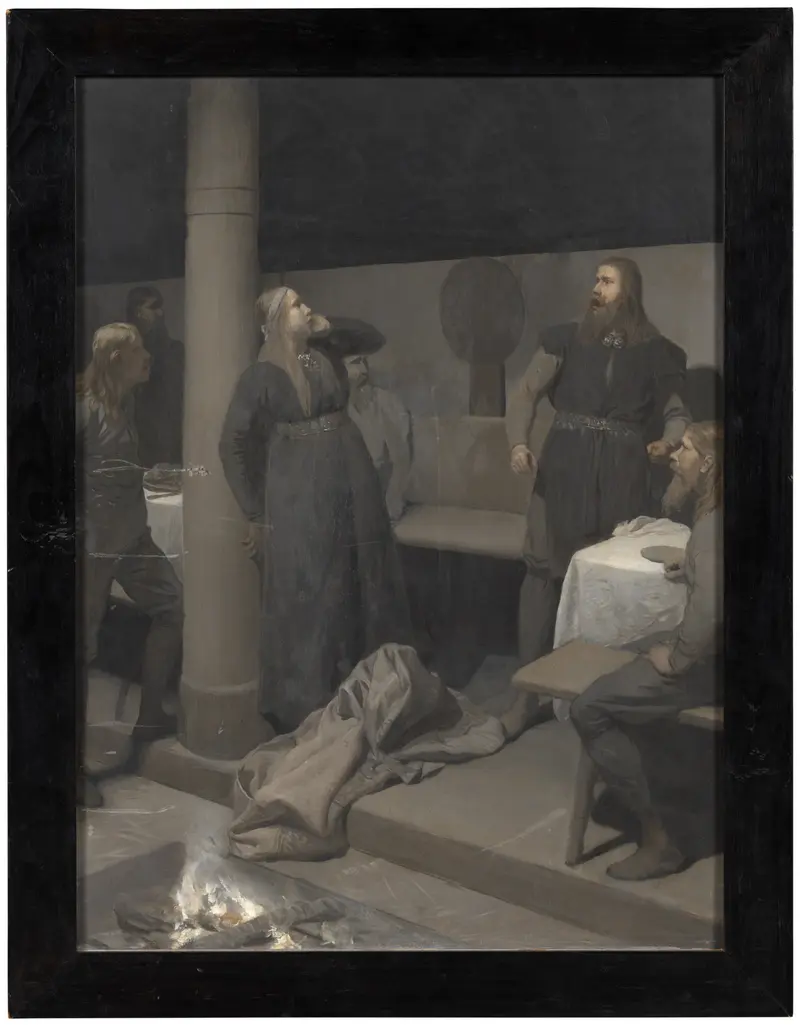
Hallgerd’s Slap
August Malmström
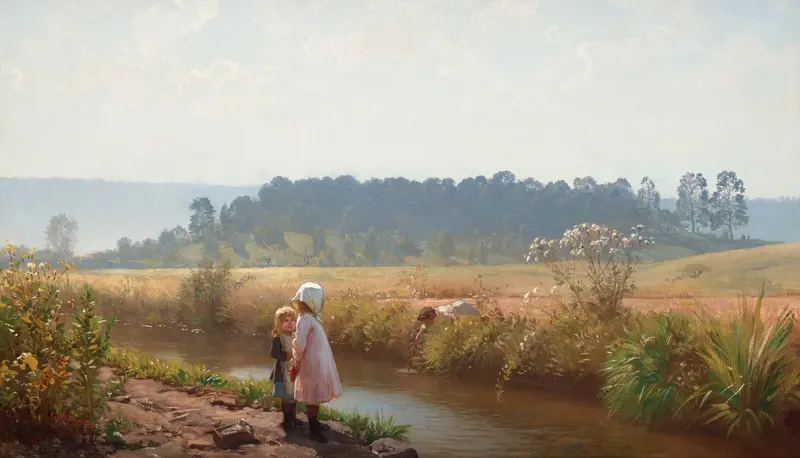
Children playing at the stream
August Malmström
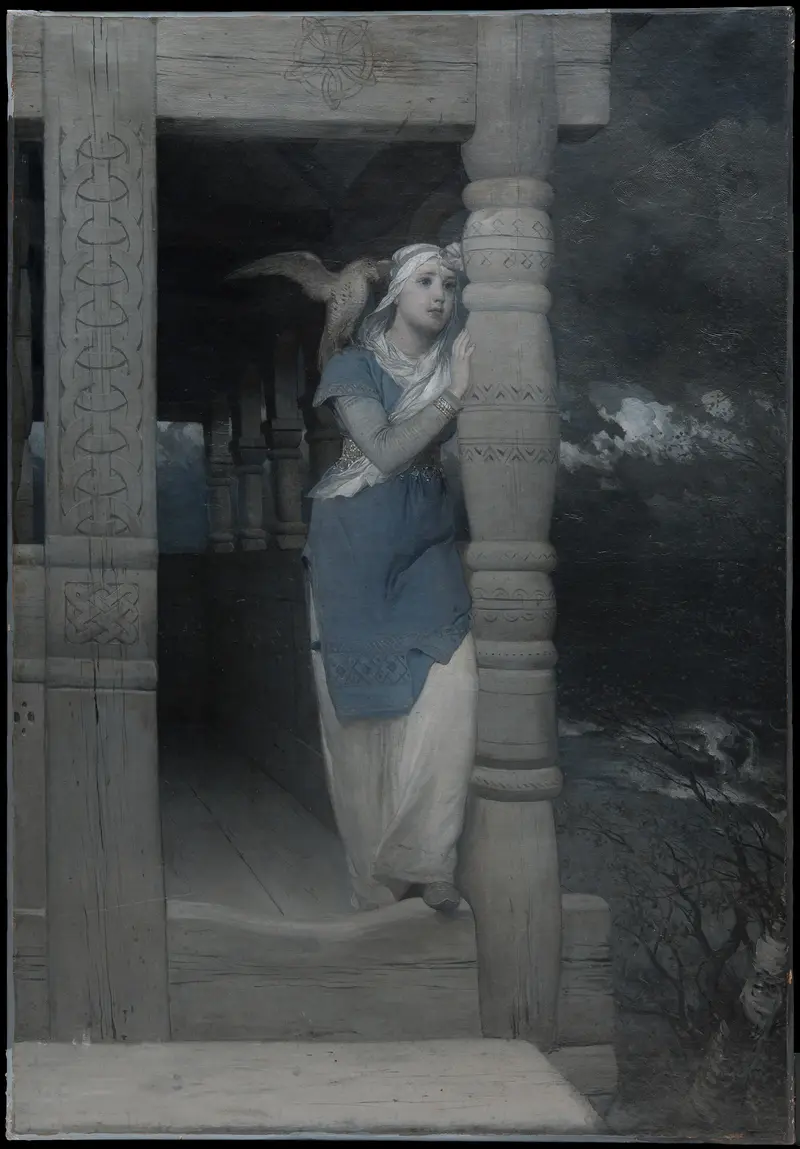
Ingeborg's Lament
August Malmström
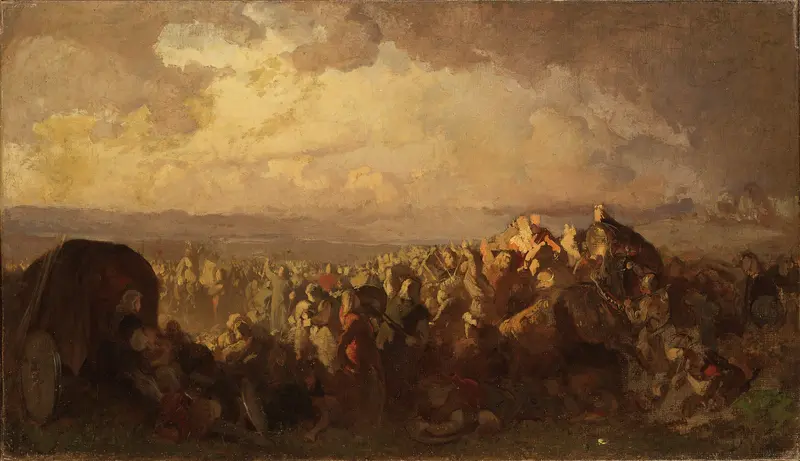
The Battle of Bråvalla. Study
August Malmström
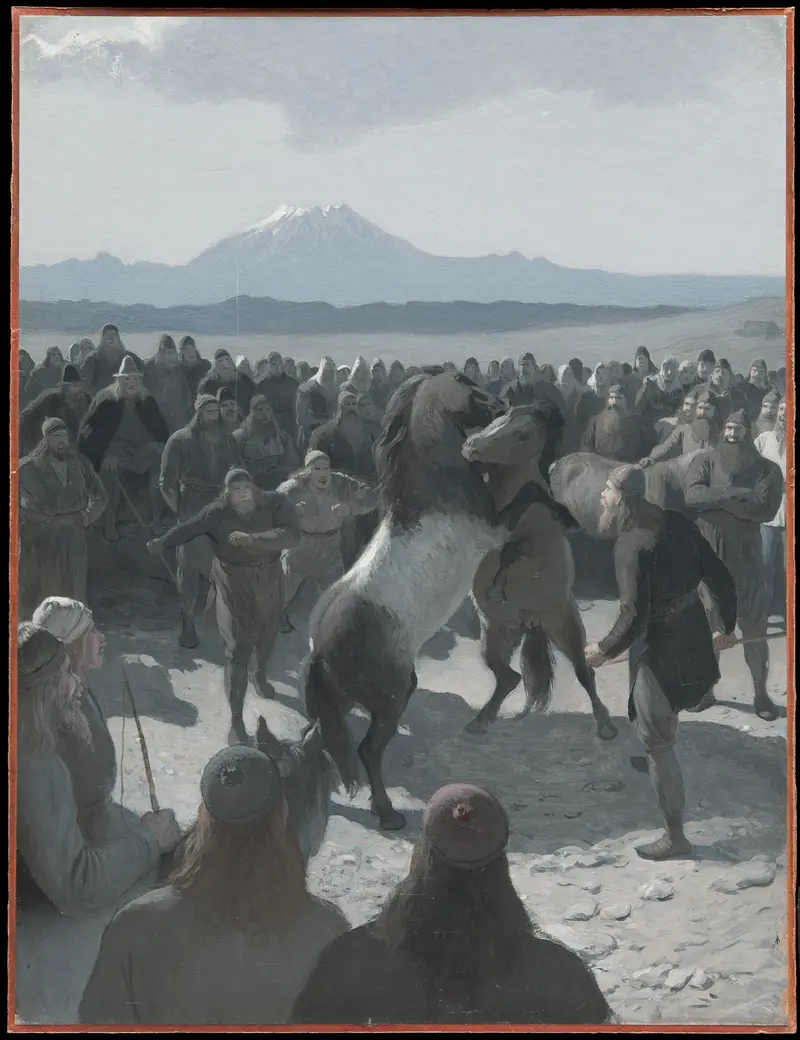
The Horse-Fight at Hlidarendi
August Malmström
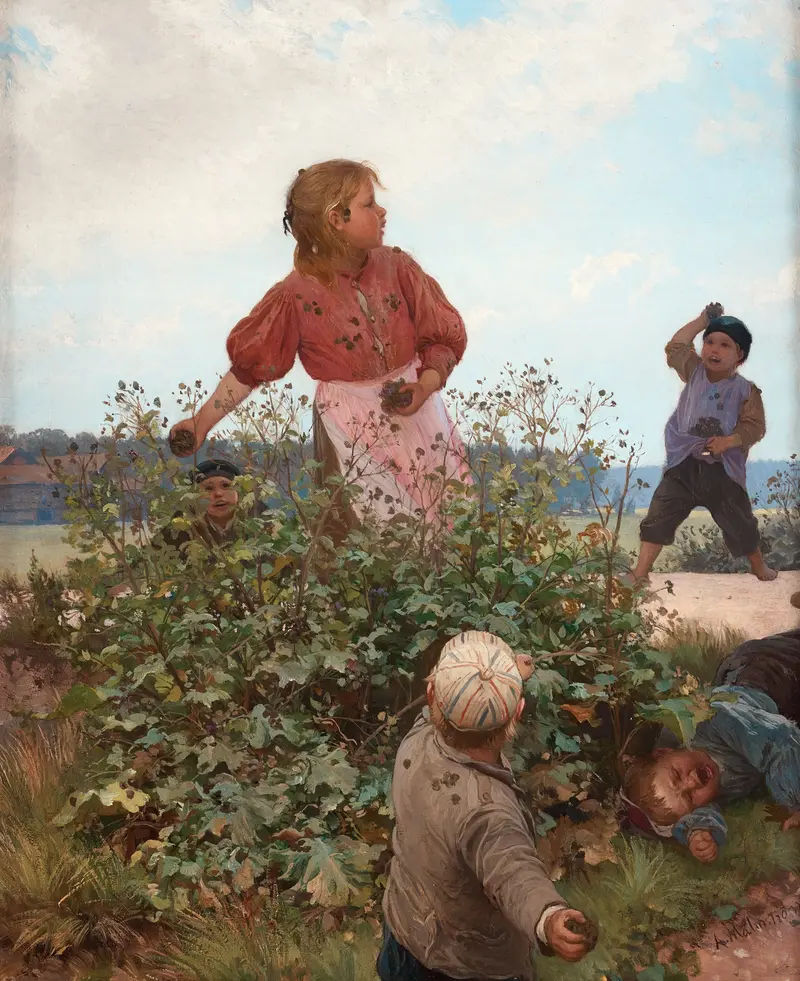
A modern Blenda
August Malmström
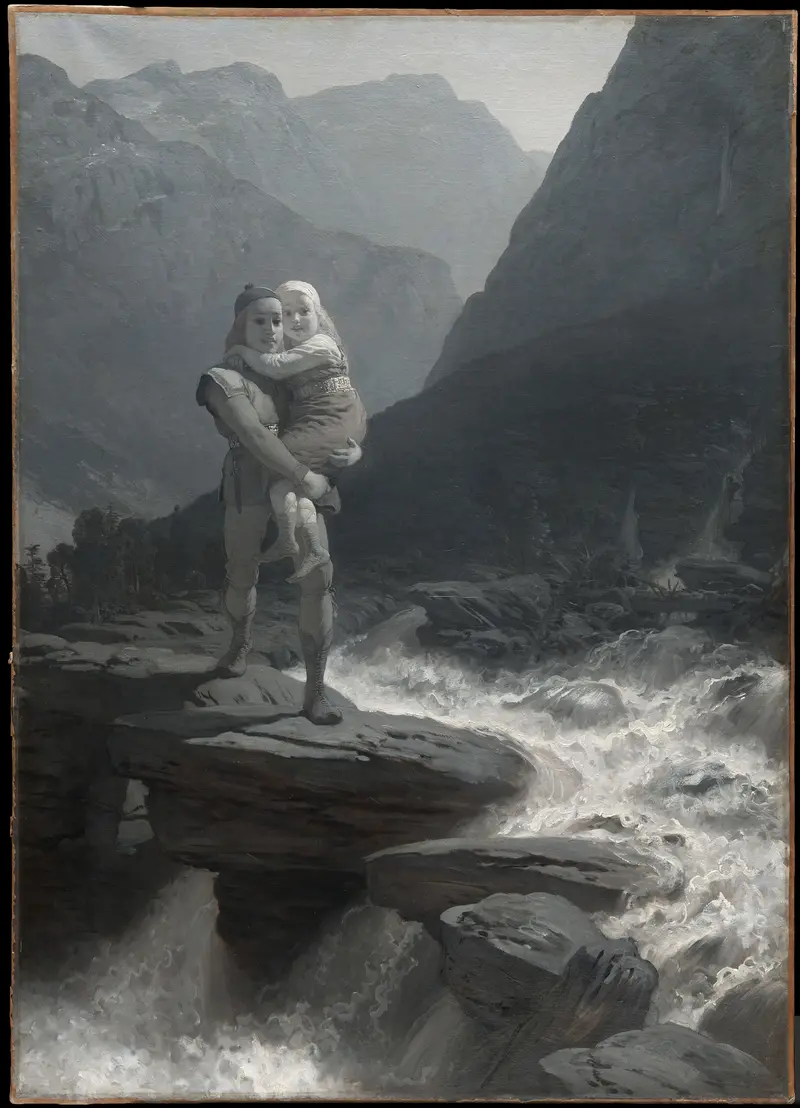
Frithiof and Ingeborg
August Malmström
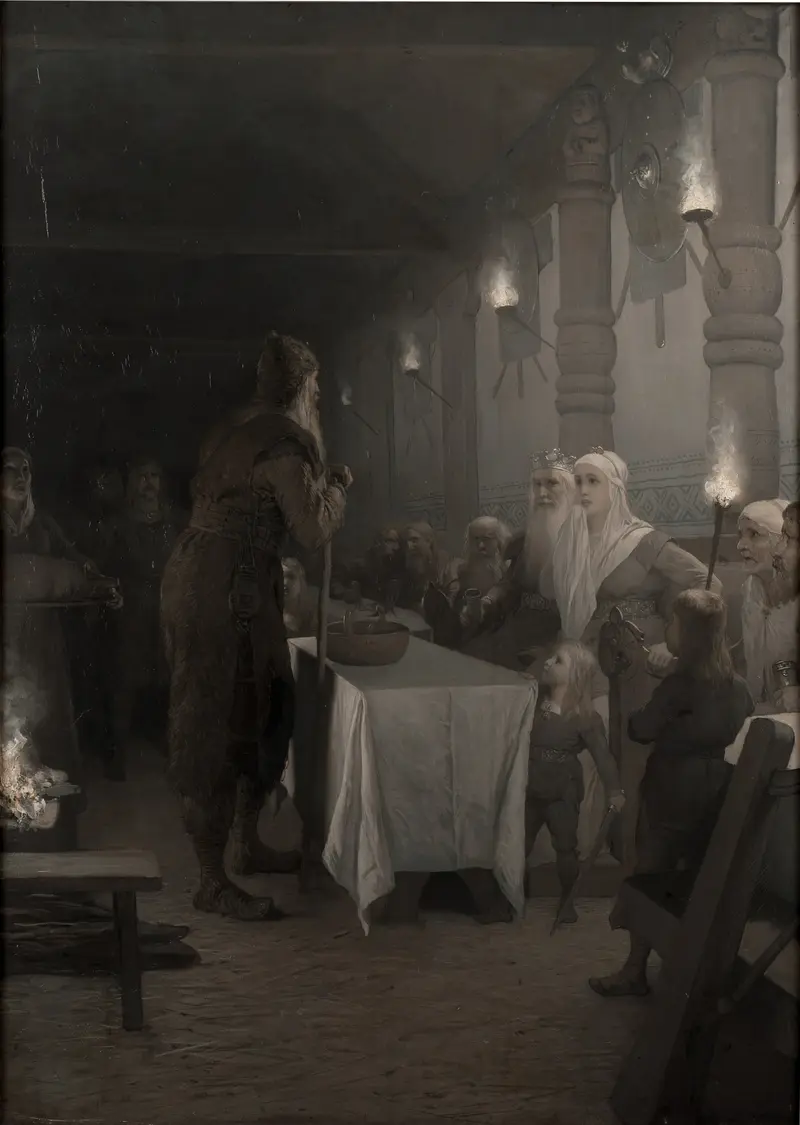
Frithiof kommer till Kung Ring (ur Frithiofs saga)
August Malmström
Frithiofs lycka (ur Frithiofs saga)
August Malmström





