From Öland — History & Facts
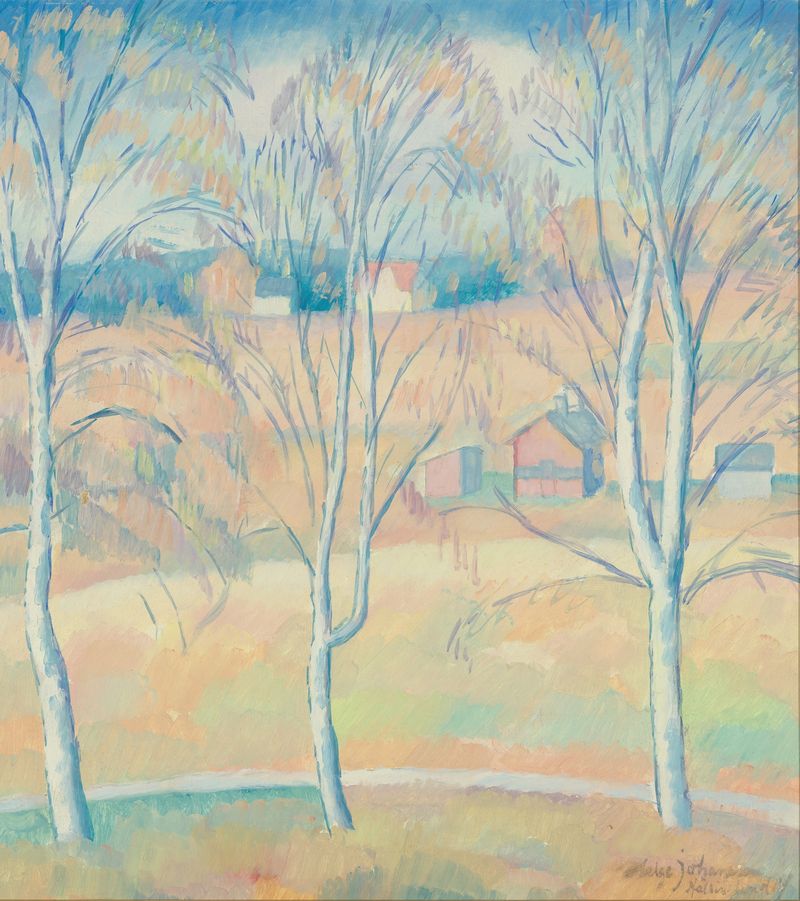
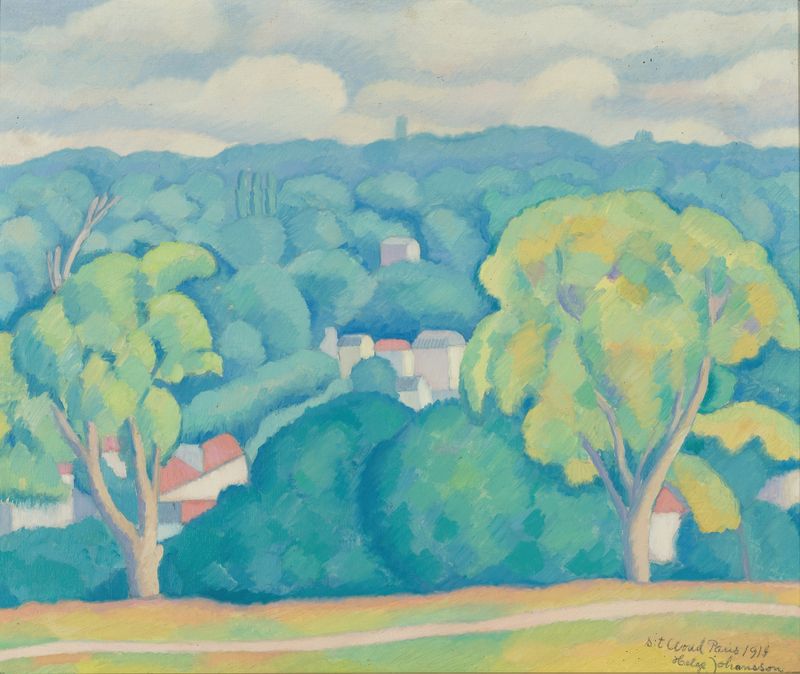
Where does light end, and longing begin? In the quiet embrace of From Öland, every brushstroke whispers of a deep, unspoken yearning. Look to the horizon, where the gentle play of pastel hues blends seamlessly — soft blues and golden yellows converge in a hazy sky. The delicate strokes evoke the calming essence of Öland, hinting at the gentle lapping of waves on a distant shore. Notice how the light falls upon the grassy expanse, illuminating patches of wildflowers that seem to sway in a breeze we can’t feel, yet somehow sense. Yet beneath this serene surface lies a profound tension.
The soft juxtaposition of light and shadow invites contemplation on the passage of time and the weight of memory. The distant landmass, shrouded in mist, symbolizes both presence and absence, drawing the viewer into a moment of introspection. Each element, from the horizon to the foreground, speaks to the delicate balance between solitude and the yearning for connection. During the summer of 1911, Johansson painted this piece in a time of artistic exploration in Sweden, influenced by the emerging modernist movements.
His life was filled with both personal struggles and the vibrant atmosphere of a changing art world. This period saw a shift towards capturing emotion and atmosphere through color and form, as artists like Johansson sought to express not just the world around them, but the internal landscapes of the soul.