From Maridalen — History & Facts
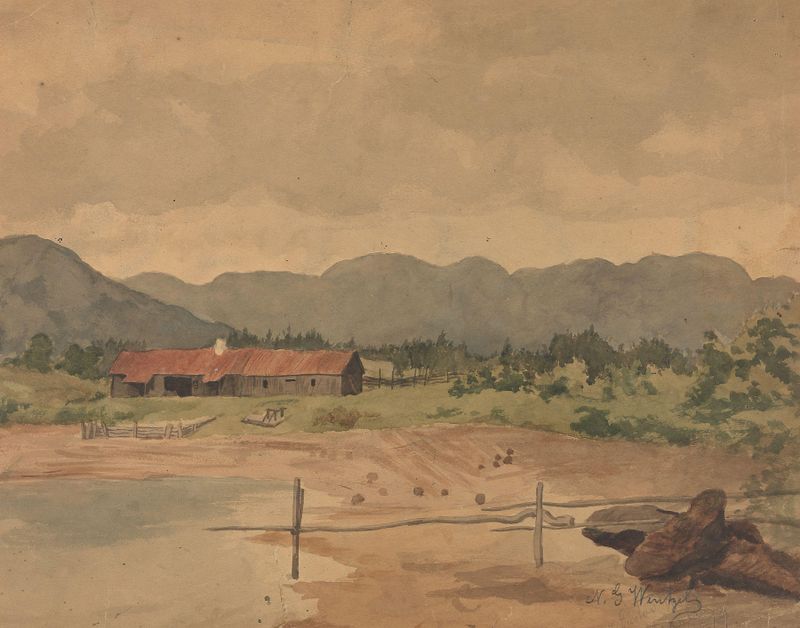
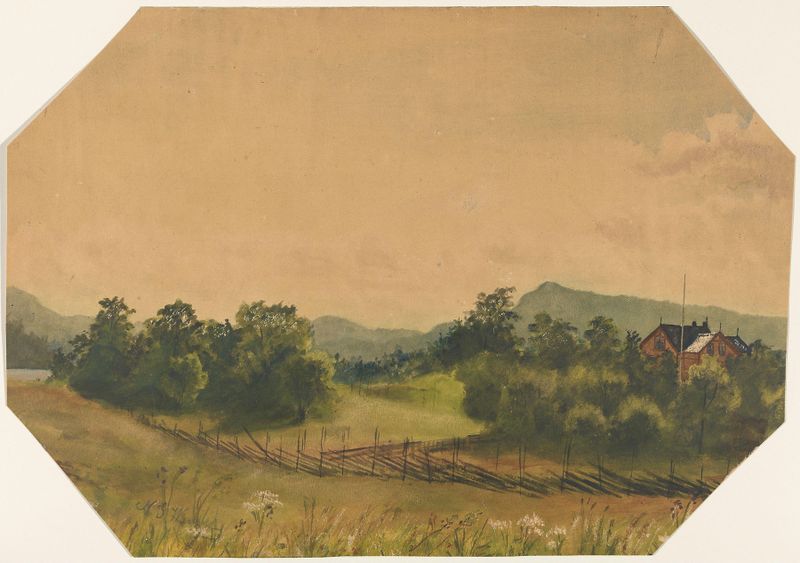
Can paint confess what words never could? In From Maridalen, the brush captures a longing that lingers just beyond the edge of verbal expression, an unspoken yearning for connection and beauty. Look to the foreground where lush greenery sprawls across the canvas, drawing your gaze to the vivid details of the foliage. Notice how the sunlight filters through the leaves, creating a delicate interplay of shadow and light that breathes life into the scene. The soft pastel hues of the sky blend seamlessly with the vibrant greens, inviting an emotional resonance that feels at once intimate and expansive—a moment suspended in time. As you delve deeper, explore the hidden contrasts woven throughout the painting.
The serene landscape, filled with gentle hills and tranquil water, stands in stark juxtaposition to the turbulent emotions that seem to flicker just beneath the surface. This duality speaks to a yearning for peace, an aspiration that remains unfulfilled. Each brushstroke conveys a sense of desire, not just for the beauty of the scene itself, but for something more profound, a connection to nature that transcends the mundane. In 1879, Gustav Wentzel painted this piece during a period of personal growth and exploration in his artistic journey.
Residing in Norway, he was part of a movement that sought to capture the essence of the Norwegian landscape, reflecting the growing fascination with natural beauty in the art world. This work emerged amid a backdrop of shifting artistic paradigms, where the emotive power of nature was increasingly celebrated, and Wentzel’s mastery of light and color became a testament to his evolving style.