Stone Blocks — History & Facts
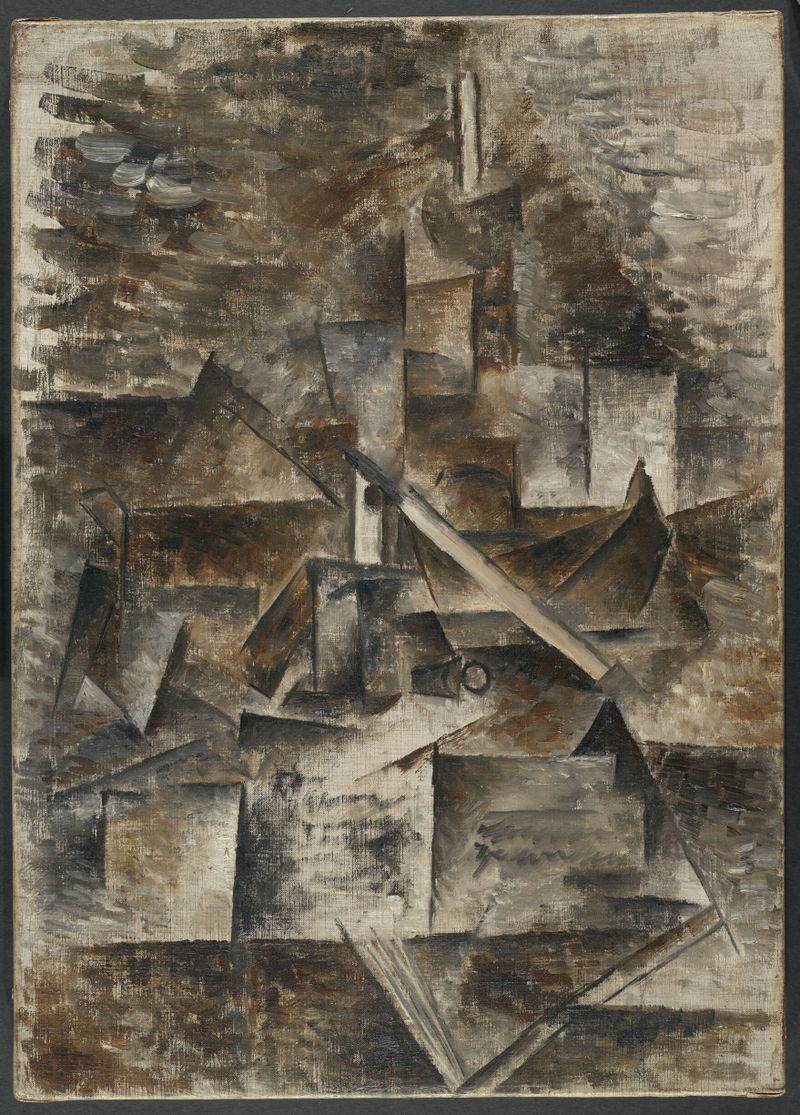
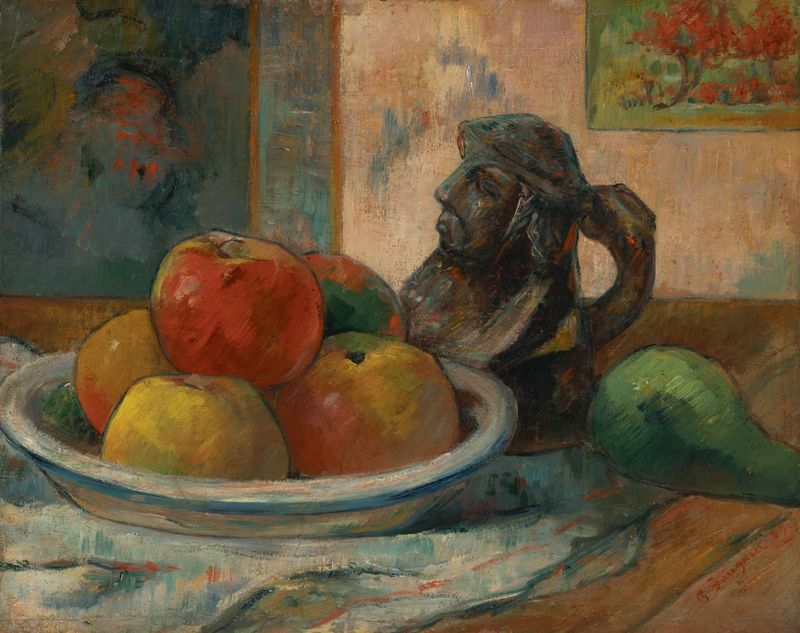
What if silence could speak through light? In Stone Blocks, a profound stillness envelops the canvas, inviting reflections on the weight of legacy and the passage of time. Focus first on the interplay of light and shadow at the top left, where soft rays emerge to illuminate the rugged contours of the stone blocks. Notice how the delicate play of colors transitions from muted grays to warm ochres, revealing the texture and depth of each stone. The meticulous detail in the chiseled surfaces draws you in, suggesting a story carved within, while the painter’s precision evokes a sense of reverence for the material itself. Hidden within this stillness lies an emotional tension between permanence and transience.
The worn edges of the stones speak of history and the hands that shaped them, while the subtle glow hints at the vitality of memory, suggesting that these remnants of the past continue to resonate in the present. The contrast of the solid, enduring blocks against the ethereal light captures the essence of legacy—both a burden and a beacon. In 1879, when this piece was created, Gustav Wentzel was settled in the vibrant artistic milieu of Norway, where he explored themes of nature and civilization. This period marked a time when artists were increasingly drawn to the exploration of light and texture, a movement that reflected broader social changes and an evolving understanding of the world.
Wentzel’s work stands as a testament to the enduring conversation between humanity and the environment, encapsulating a moment ripe with historical significance.