
From Rungpore [Rangpur] — History & Facts
Could beauty survive in a century of chaos? In a world where innocence often falters against the specter of turmoil, From Rungpore offers a poignant reminder of resilience and grace. Look to the left where the serene landscape unfolds under a bright sky, painted in gentle pastels that evoke tranquility. The sweeping fields cradle lush greenery, dotted with delicate wildflowers, while a meandering river reflects the vibrant hues above. Notice the meticulous brushwork that brings texture to the foliage, each stroke creating a rhythm that guides your eyes across the canvas, inviting you into this idyllic world. Yet, beneath the surface of this pastoral scene lies a tension between nature's beauty and the fragility of existence.
The delicate balance of colors hints at a fleeting moment, perhaps a meditation on the impermanence of peace against the backdrop of the 18th century’s shifting tides. The juxtaposition of the verdant life with the sparse, distant figures evokes an undeniable sense of solitude, subtly illustrating how innocence can thrive, but remain vulnerable amidst cultural and political upheaval. In 1783, the artist found himself in the tumultuous environment of colonial India, where Western influences began to intermingle with local traditions. This period marked a significant transition in art as European styles infiltrated regional practices, shaping how landscapes and narratives were depicted.
Samuel Davis, an officer of the East India Company, painted From Rungpore during his time in Rangpur, reflecting both the beauty of the locale and the complex relationship between colonizer and culture, laying the groundwork for future artistic dialogues.
More Artworks by Samuel Davis
Browse all →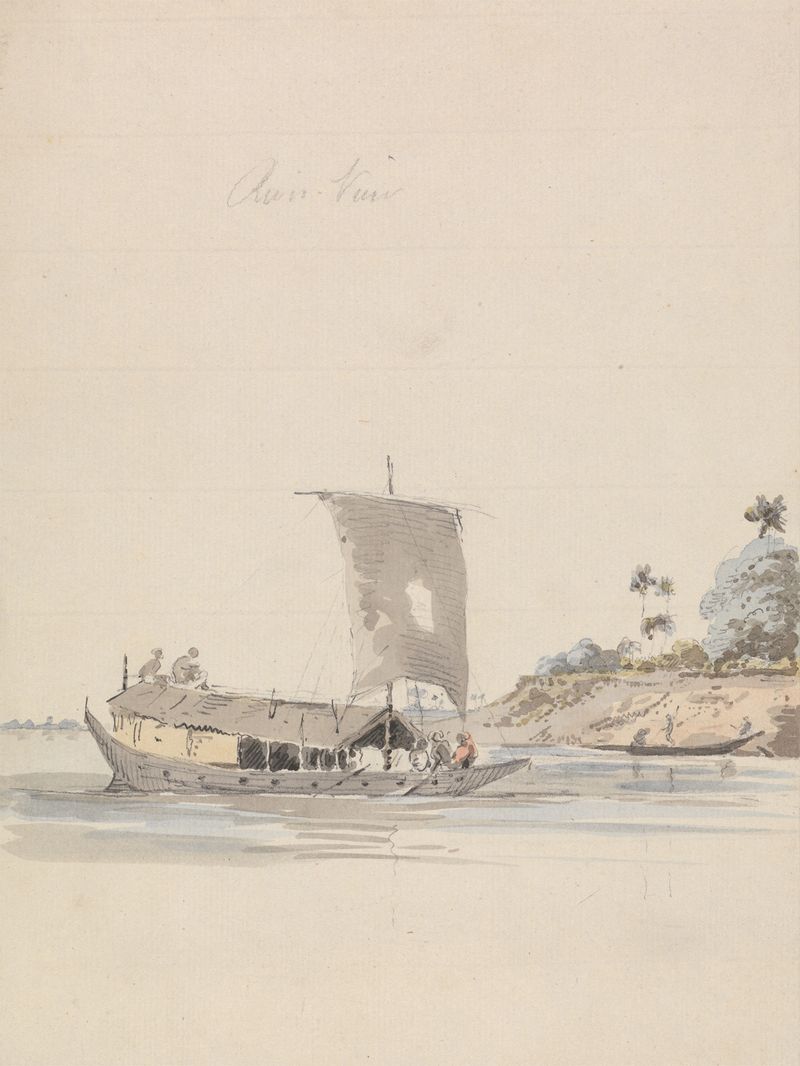
River View with a Junk (near Rajmahal)
Samuel Davis
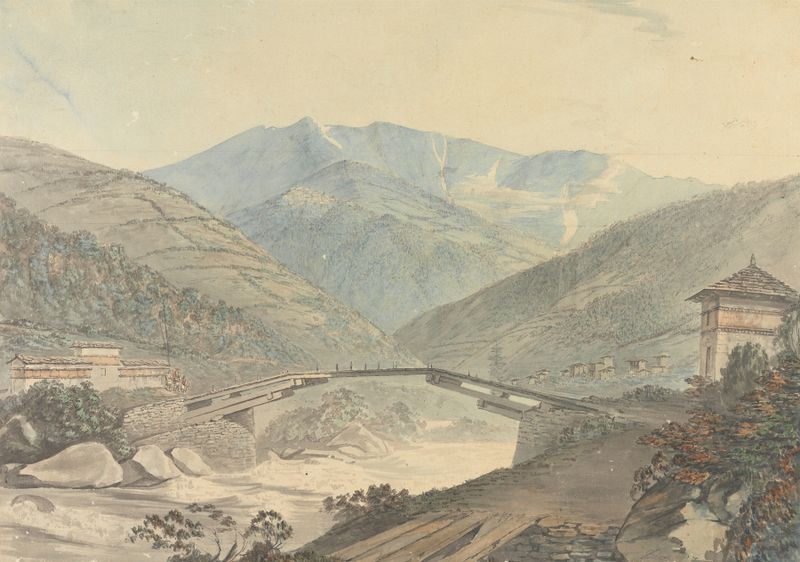
View near Tassisudon [Tashicho Dzong] in Bhutan
Samuel Davis
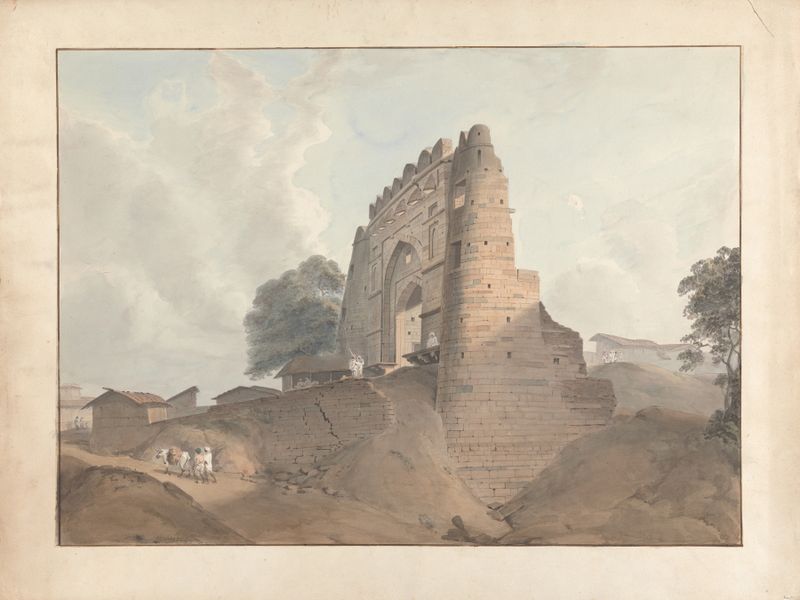
Gate of the Old Fort at Old Benares
Samuel Davis
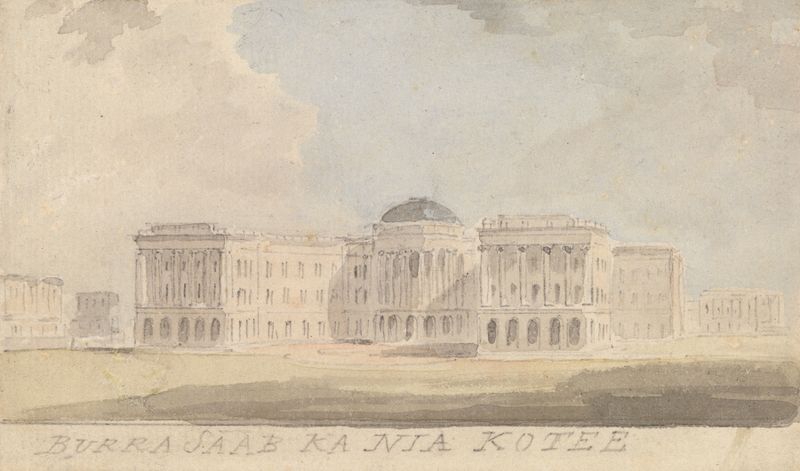
New Government House at Calcutta
Samuel Davis
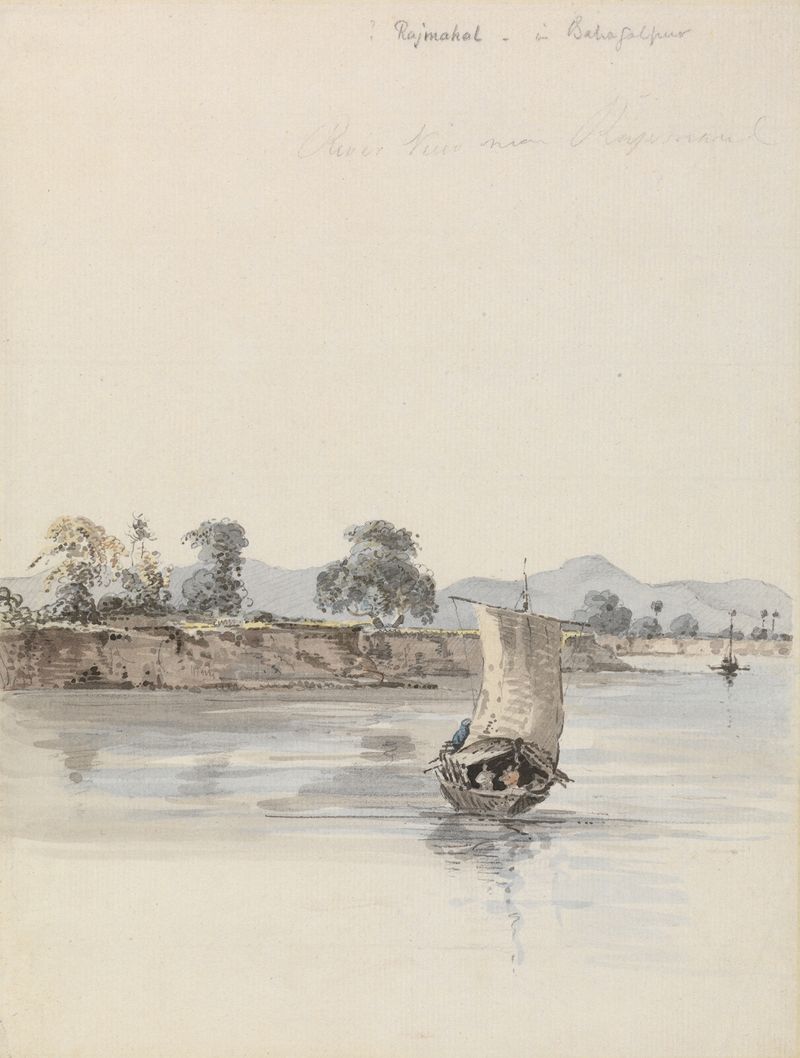
River View near Rajmahal
Samuel Davis
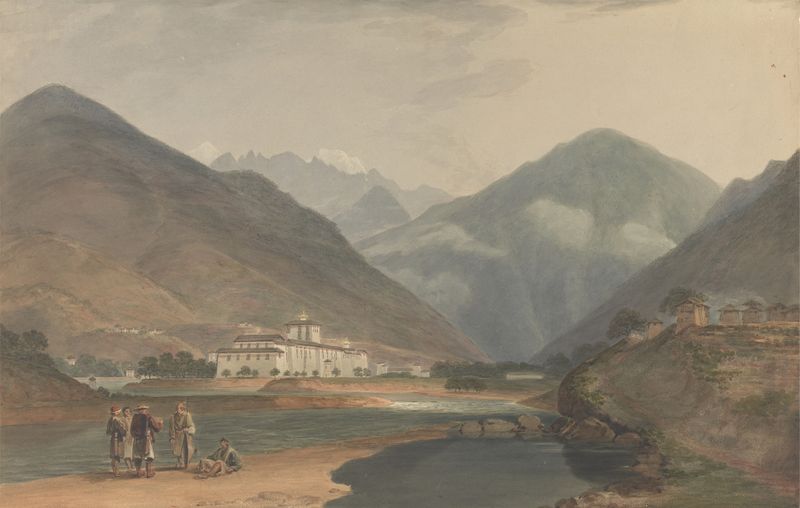
The Former Winter Capital of Bhutan at Punakha Dzong
Samuel Davis
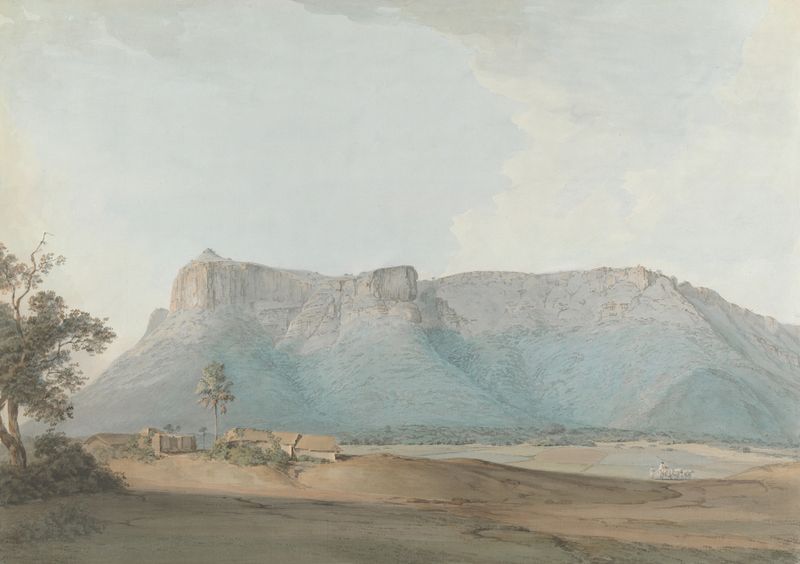
Rhotas from Akberpore
Samuel Davis
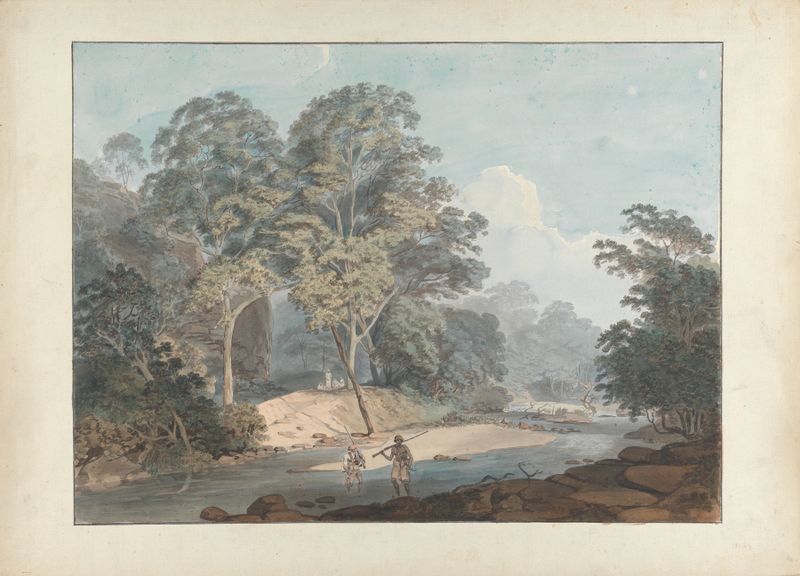
Rocky River Scene with Sepoys
Samuel Davis
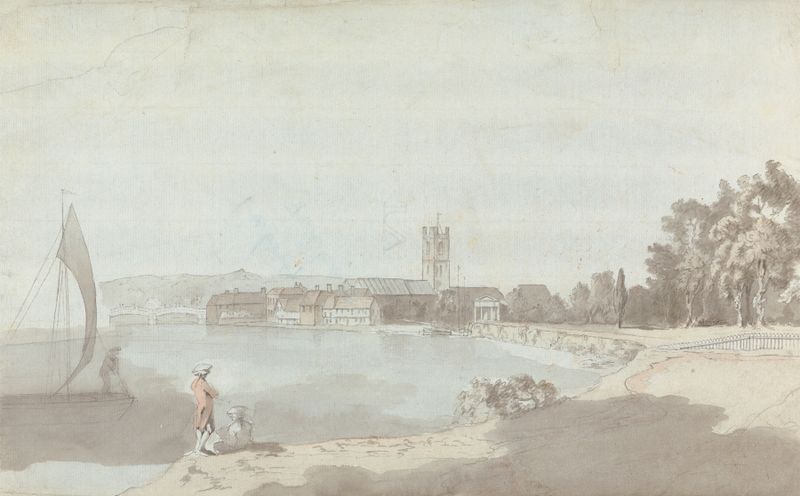
West Country Town by a River
Samuel Davis
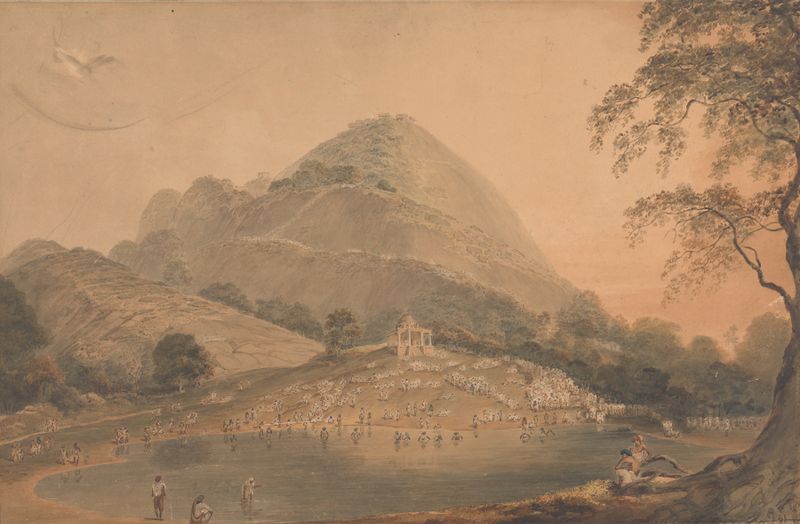
The Annual Resort of Hindoos to Mundar Hill near Bhagulpore [Bhagalpur]
Samuel Davis





