
From Treatise on Etching — History & Facts
Within the stillness of etched lines and shadowy depths lies an obsession that draws the viewer into its intricate embrace. Here, one can sense the artist’s dialogue with the medium, the weight of each mark carrying the burden of intent and desire, resonating with the unspoken yearnings trapped beneath the surface. Look to the delicate interplay of light and shadow, where the subtle nuances of texture reveal the artist’s mastery. Focus on the intricate details of the etching, where every stroke forms a tapestry of ideas, flowing seamlessly across the surface.
The choices in shading create a dim yet intimate atmosphere, guiding your eye across the composition as it dances between the realms of reality and abstraction. Within this work, there are layers of meaning that speak to the artist's preoccupation with the act of creation itself. The meticulous lines evoke a sense of both control and chaos, reflecting the struggle between the process and the outcome. This tension mirrors a broader exploration of artistic identity and the obsession that drives one to etch their thoughts into permanence—each line a whispered secret held within the confines of the page. In 1866, Maxime Lalanne was deeply entrenched in the world of printmaking while living in France, a hub for artistic innovation.
The mid-19th century marked a pivotal moment in the evolution of etching, as artists sought to redefine their craft amidst changing aesthetic movements. Lalanne's dedication to his technique reveals not only his personal exploration of obsession but also reflects a broader dialogue within the art community regarding the value and significance of print as a legitimate art form.
More Artworks by Maxime Lalanne
Browse all →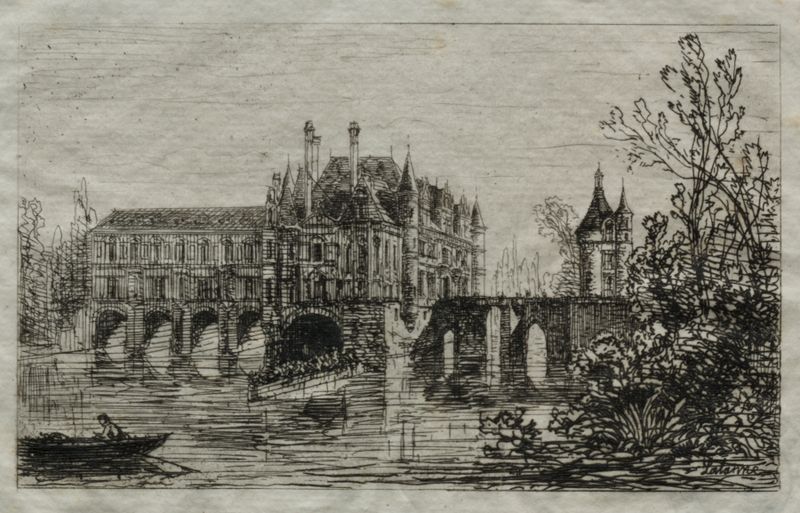
Château de Chenonceau
Maxime Lalanne
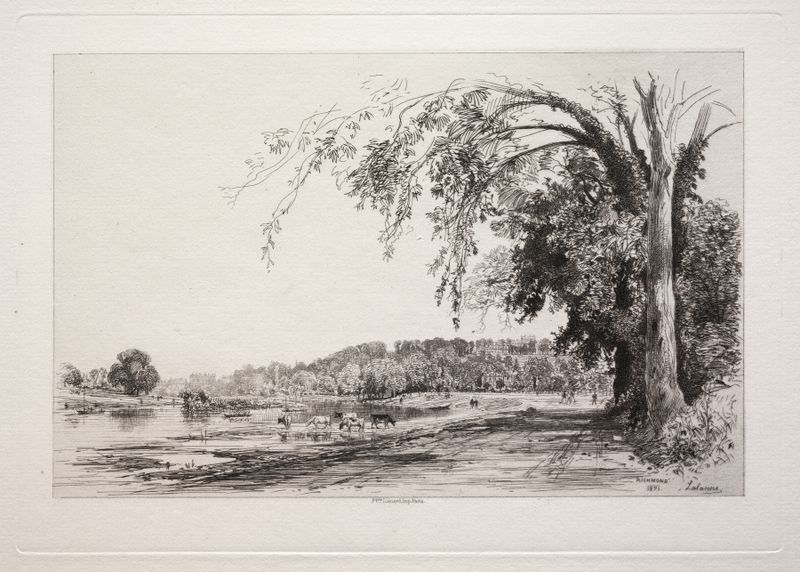
Richmond
Maxime Lalanne
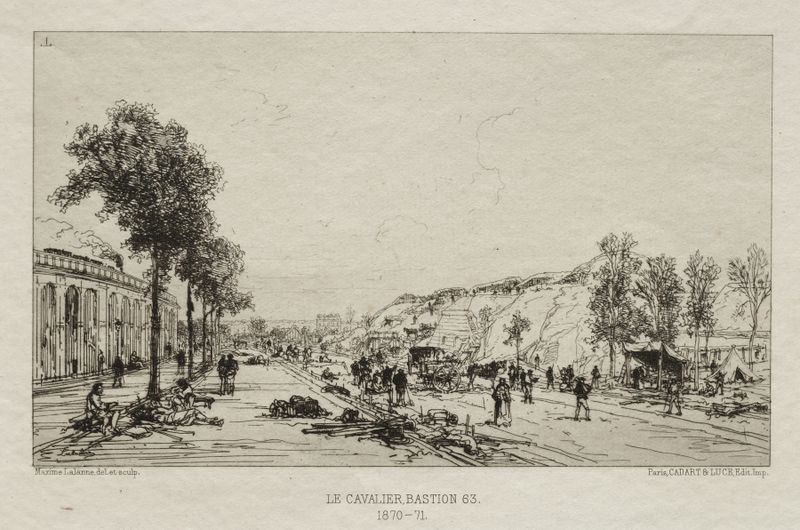
Souvenirs artistiques du Siège de Paris; Le Cavalie (Bastion 63)
Maxime Lalanne
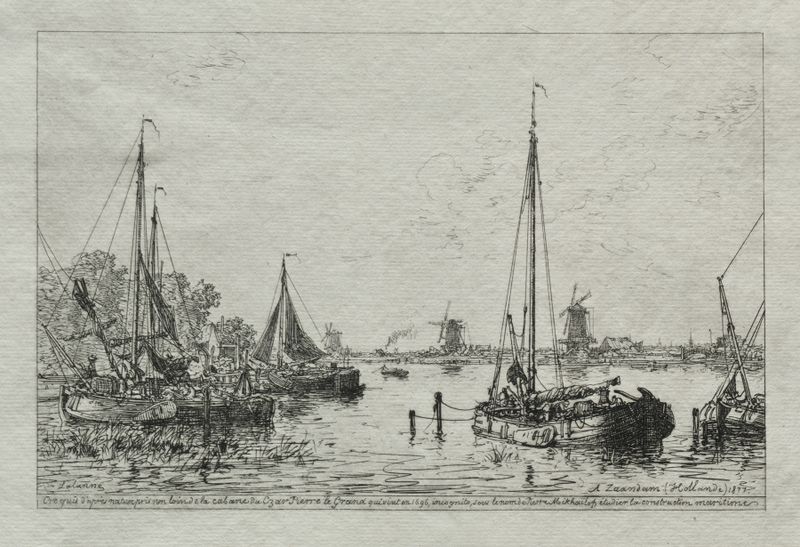
Sketch from Nature
Maxime Lalanne
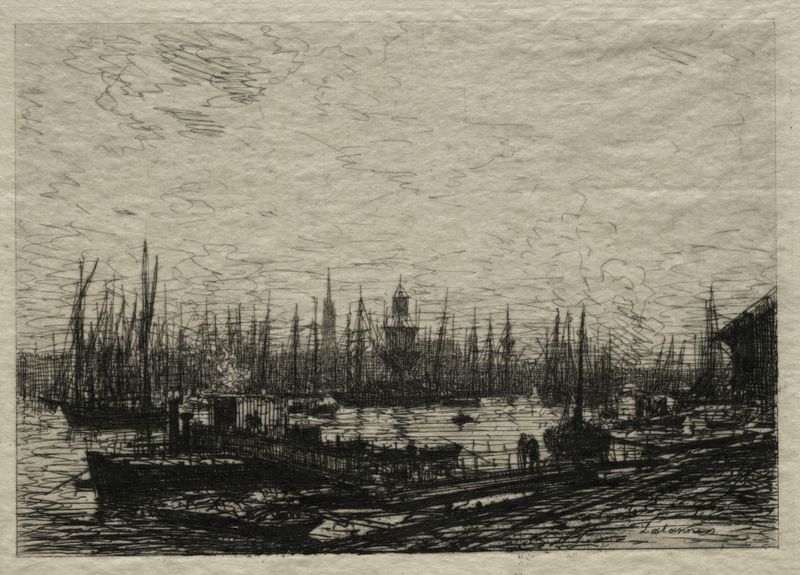
In the Bordeaux Harbor
Maxime Lalanne
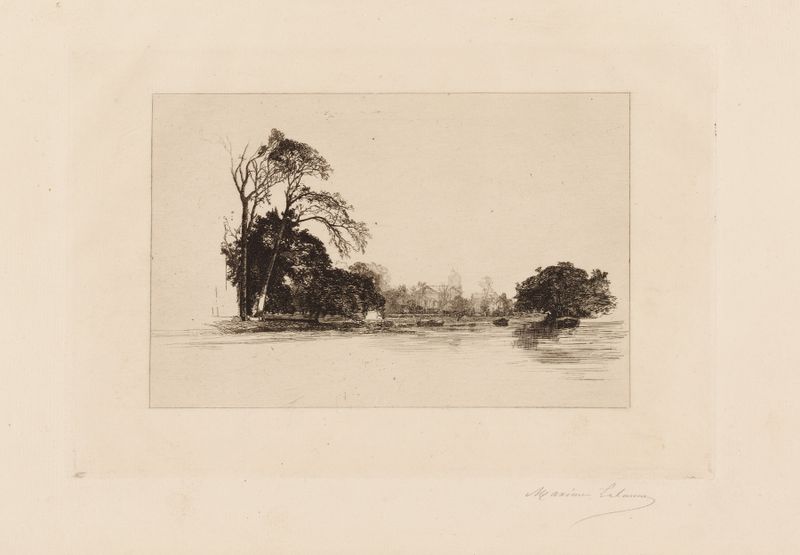
Bank of the Thames
Maxime Lalanne
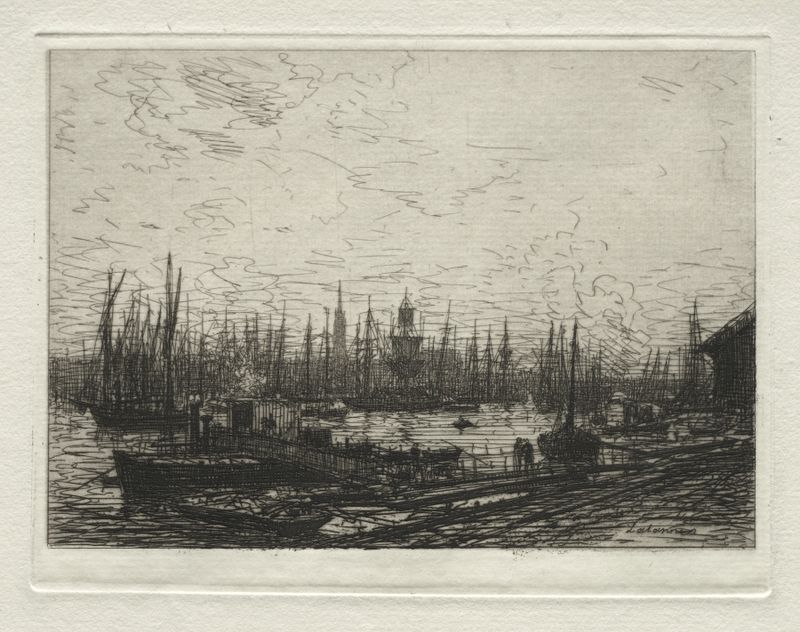
Port of Bordeaux
Maxime Lalanne
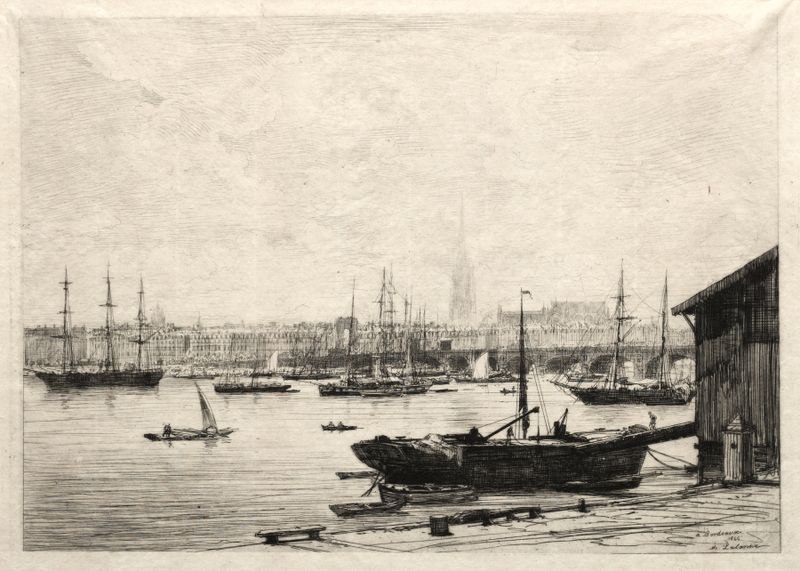
Bordeaux
Maxime Lalanne
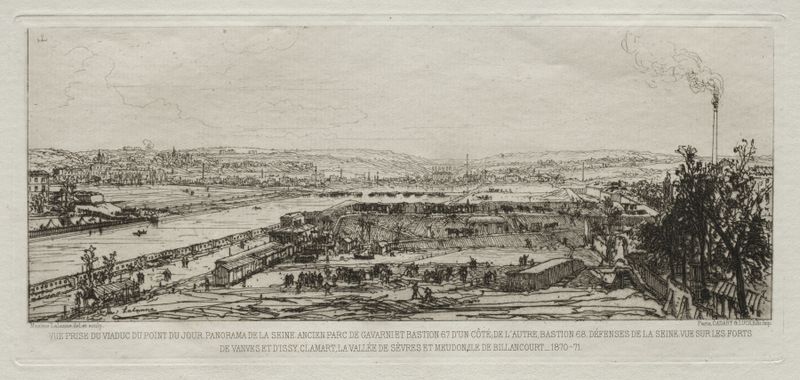
View from the Viaduct at the Pont-du-Jour, Panorama de la Seine
Maxime Lalanne
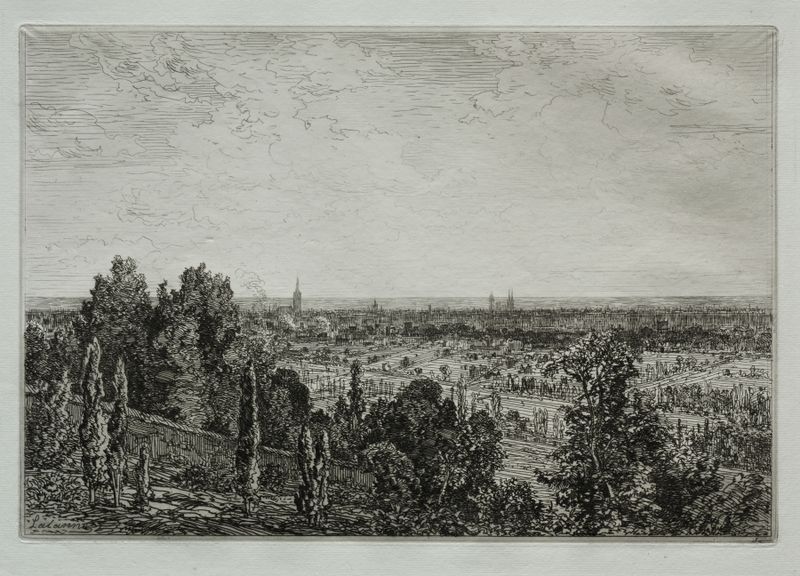
Bordeaux, View from the Coast of Cénon
Maxime Lalanne





