
From Turkestan. — History & Facts
In a world where every glance seems to fill the void, how do we confront the profound emptiness that lingers just beneath the surface? In From Turkestan, the viewer is first drawn to the expansive landscape, where ochre and muted greens stretch towards an uncertain horizon. Look to the center, where a solitary figure stands, draped in a flowing robe that seems to echo the surrounding earth. The interplay of light and shadow on the figure highlights a sense of introspection, while the hazy background adds layers of mystery, inviting contemplation on the identity and journey of the individual. Delve deeper into the work and one can uncover the tension between isolation and connection.
The figure’s stance, with arms slightly outstretched, evokes both vulnerability and strength. The desolate terrain surrounding them suggests a longing for belonging, while the vastness of the landscape amplifies the inherent solitude. Each brushstroke carries the weight of silence, as if the artist captures a moment suspended in time, resonating with the ache of unfulfilled desires. In 1912, Jan Ciągliński created this piece amidst a transformative period in art history, marked by the rise of modernism and a break from traditional forms.
Living in Paris, he sought to explore diverse cultures and landscapes that influenced his work. The fertile artistic climate of the time nurtured experimentation, and this painting reflects not just a personal introspection but also a broader inquiry into identity and existence amidst the shifting tides of an ever-changing world.
More Artworks by Jan Ciągliński
Browse all →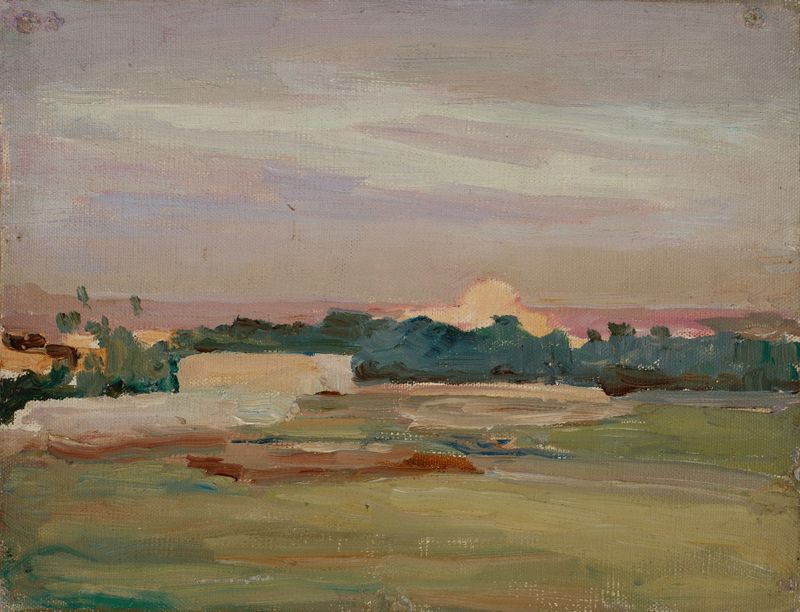
The Sirocco
Jan Ciągliński
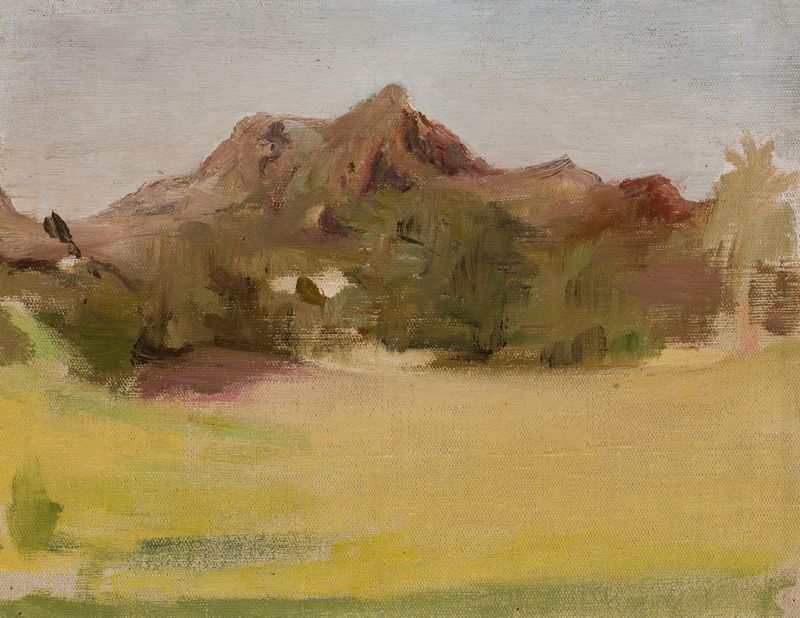
Mountain landscape. From the journey to India
Jan Ciągliński
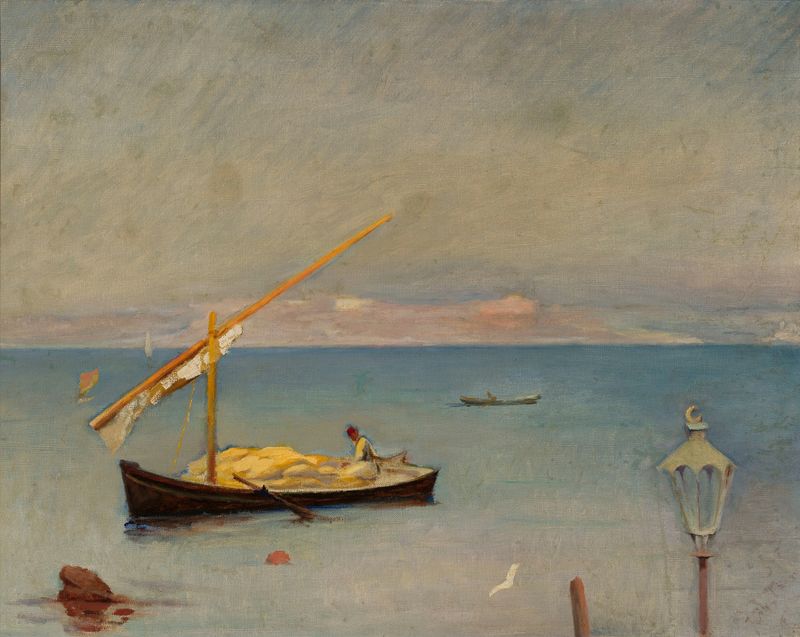
At Bosporus
Jan Ciągliński
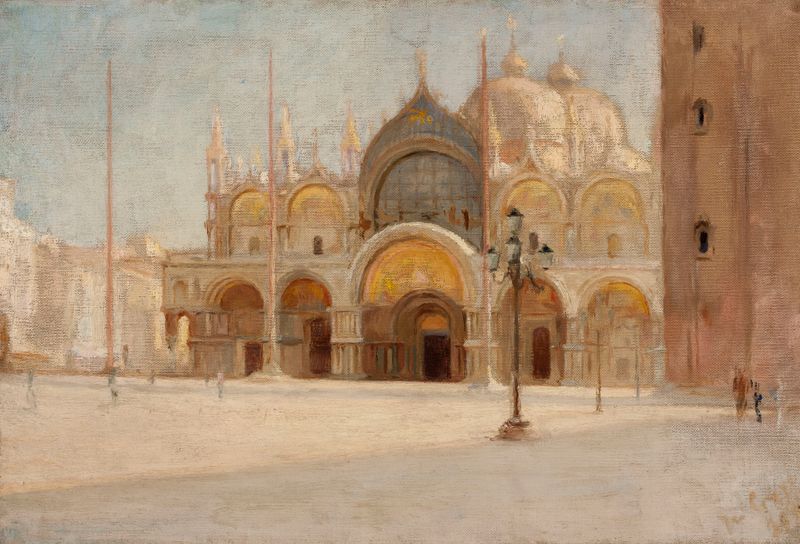
St Mark’s Square in Venice
Jan Ciągliński
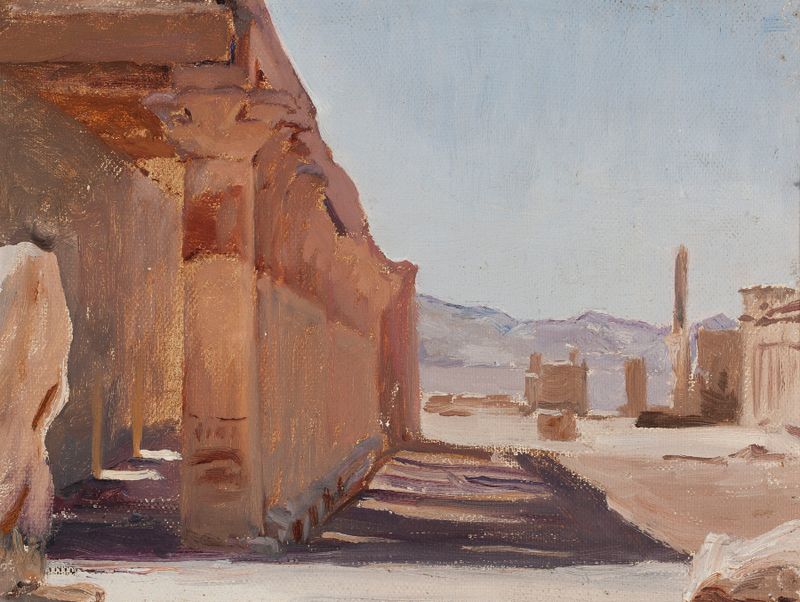
Temple. From the journey to Egypt
Jan Ciągliński
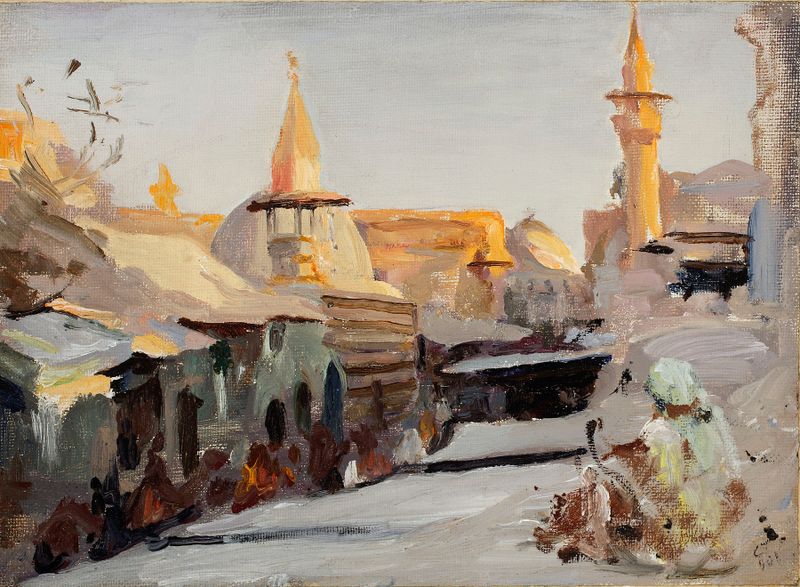
Street in Damascus. From the journey to Palestine
Jan Ciągliński
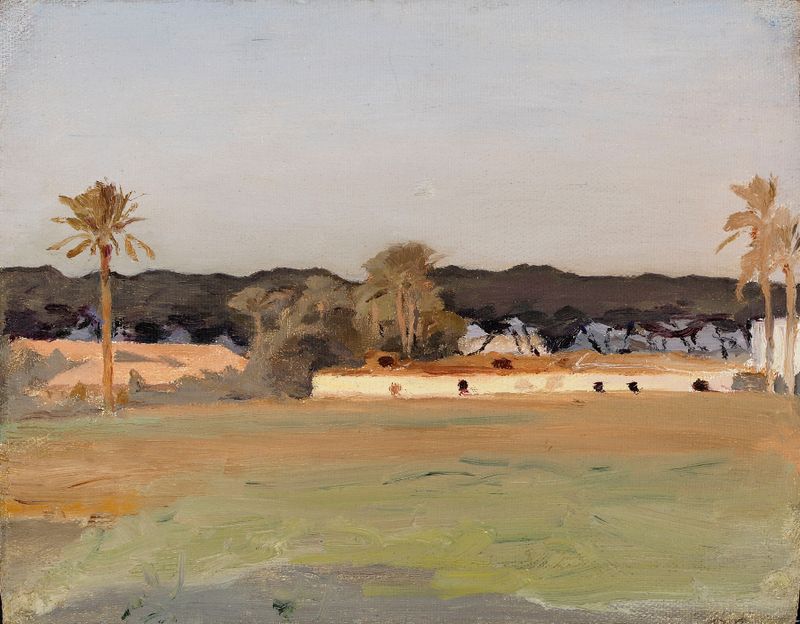
Evening. From the journey to Egypt
Jan Ciągliński
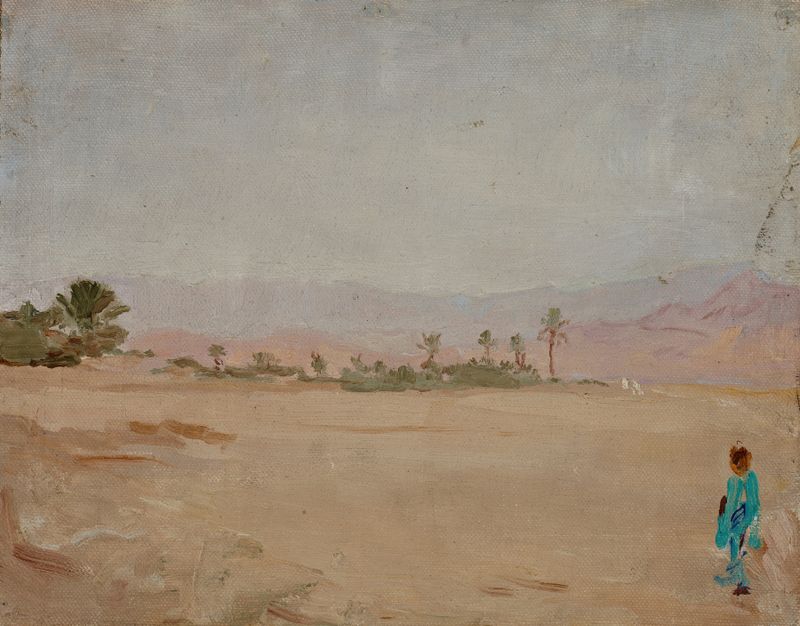
Sahara (Desert)
Jan Ciągliński
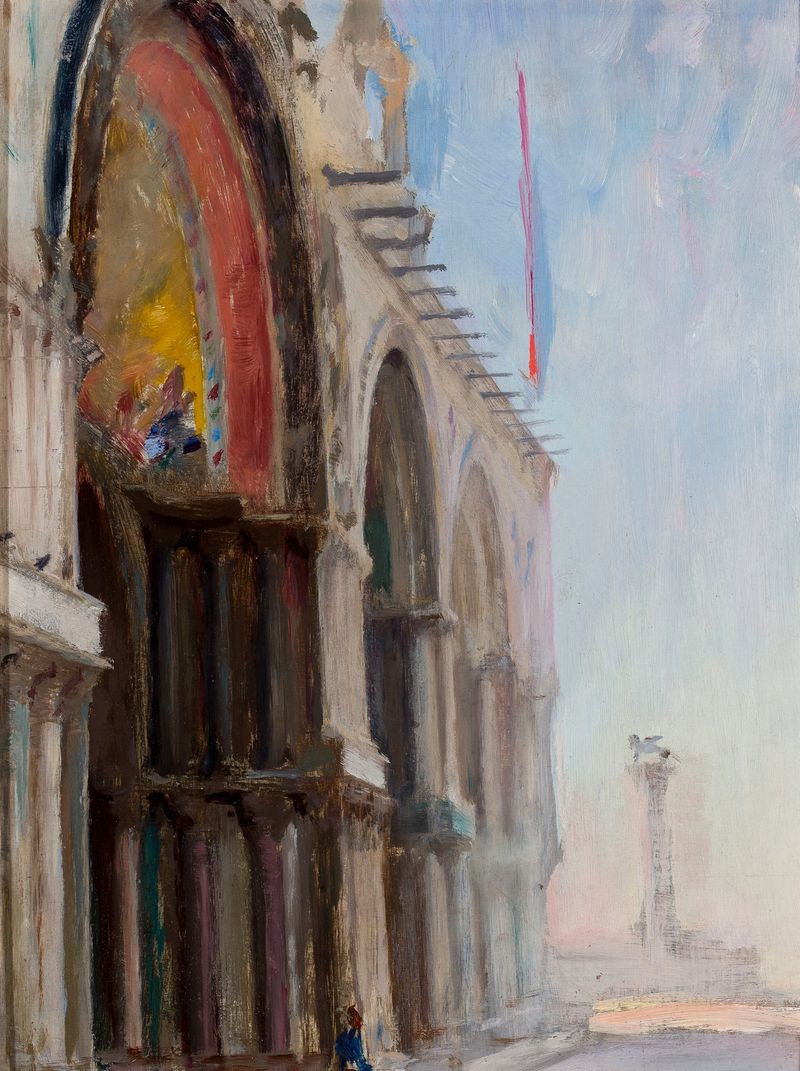
Venice – San Marco. From the journey to Italy
Jan Ciągliński
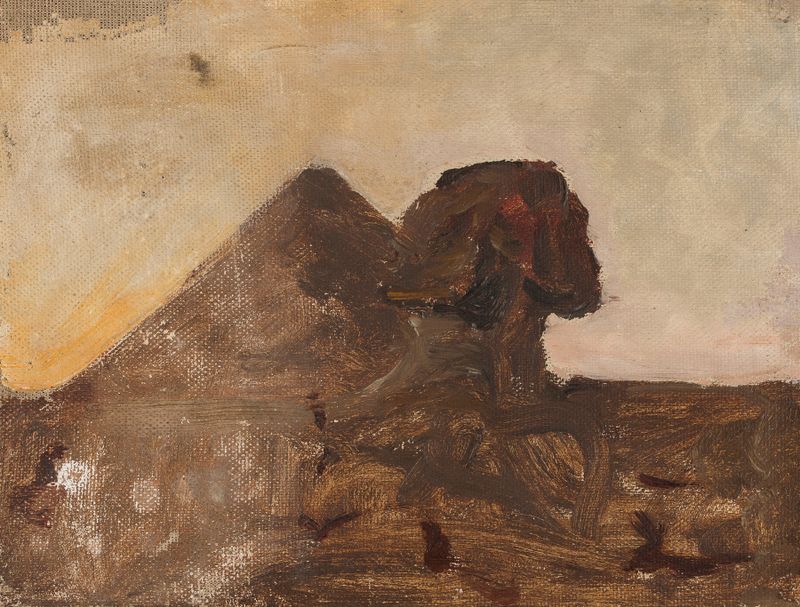
Evening in the desert – Sphinx and pyramid. From the journey to Egypt
Jan Ciągliński





