
Fête galante — History & Facts
What secret hides in the quiet of the canvas? In Fête galante, the stillness of the scene whispers untold stories of betrayal and unfulfilled desire from the lush world of 19th-century Paris. Look to the center where a pair of elegantly dressed figures dominate the composition, their postures suggestive of a deeper narrative. As your gaze travels outward, notice the vibrant greens and blues that envelop them, creating a harmonious yet unsettling backdrop. The delicate brushstrokes convey a sense of movement, as if the whole gathering is caught in a moment of shared laughter or veiled tension.
Shadows play a crucial role, wrapping around the characters like hidden thoughts, urging the viewer to question the authenticity of their smiles. The interplay of light and shadow in Fête galante reveals emotional tensions beneath the surface. The couples, while seemingly engaged in joyful festivities, are framed by an aura of isolation, hinting that not all is as it appears. The slight distance between figures suggests unspoken secrets and the fragile nature of trust.
The ornate decorations and vibrant colors further accentuate this contrast, drawing attention to the duplicity of appearances versus reality. In 1852, Schaefels created this work during a time of shifting artistic ideals in France, as Romanticism began yielding to Realism. Nestled in the heart of Paris, he was part of a vibrant art scene that grappled with the complexities of society and personal relationships. His exploration of the nuances of human connection, particularly the darker undercurrents of betrayal and isolation, marks a significant moment in his career and the broader narrative of 19th-century art.
More Artworks by Henri François Schaefels
Browse all →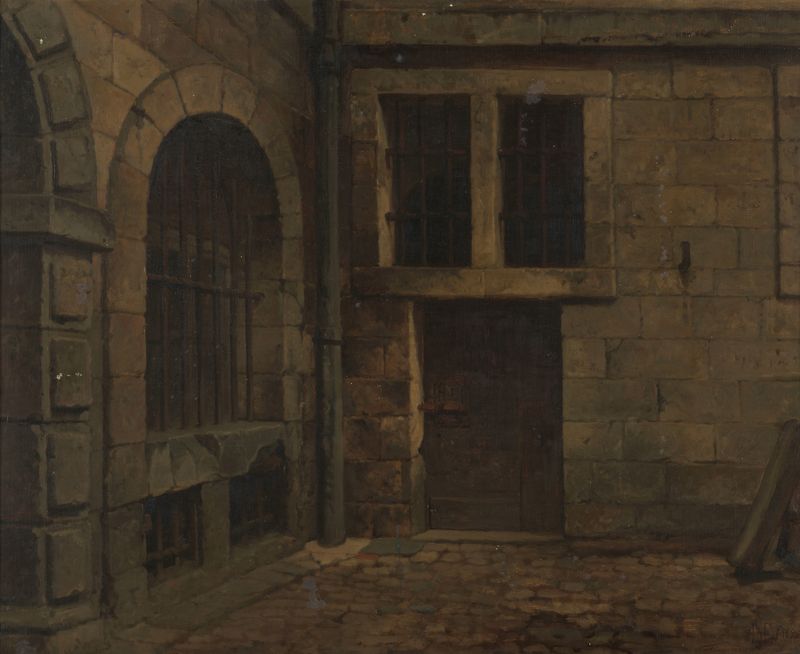
Old Courtyrad of Antwerp Town Hall
Henri François Schaefels
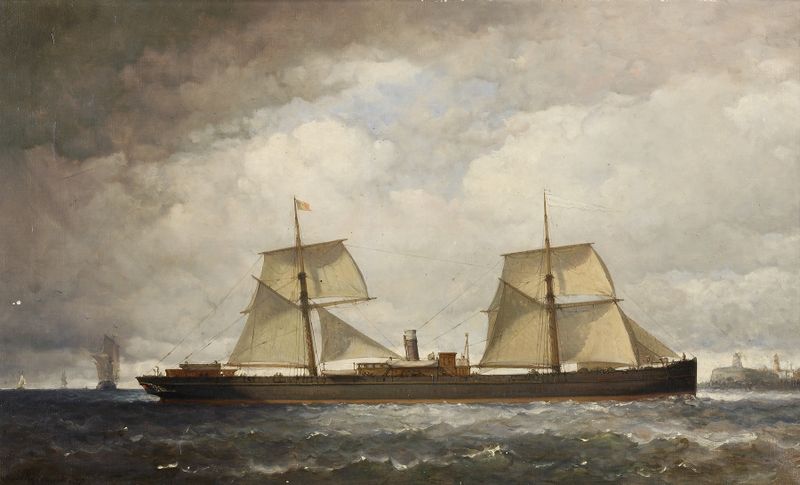
Het stoomschip met hulpzeilvermogen Ferdinand van der Taelen vaart de Schelde op
Henri François Schaefels

A Naval Battle
Henri François Schaefels
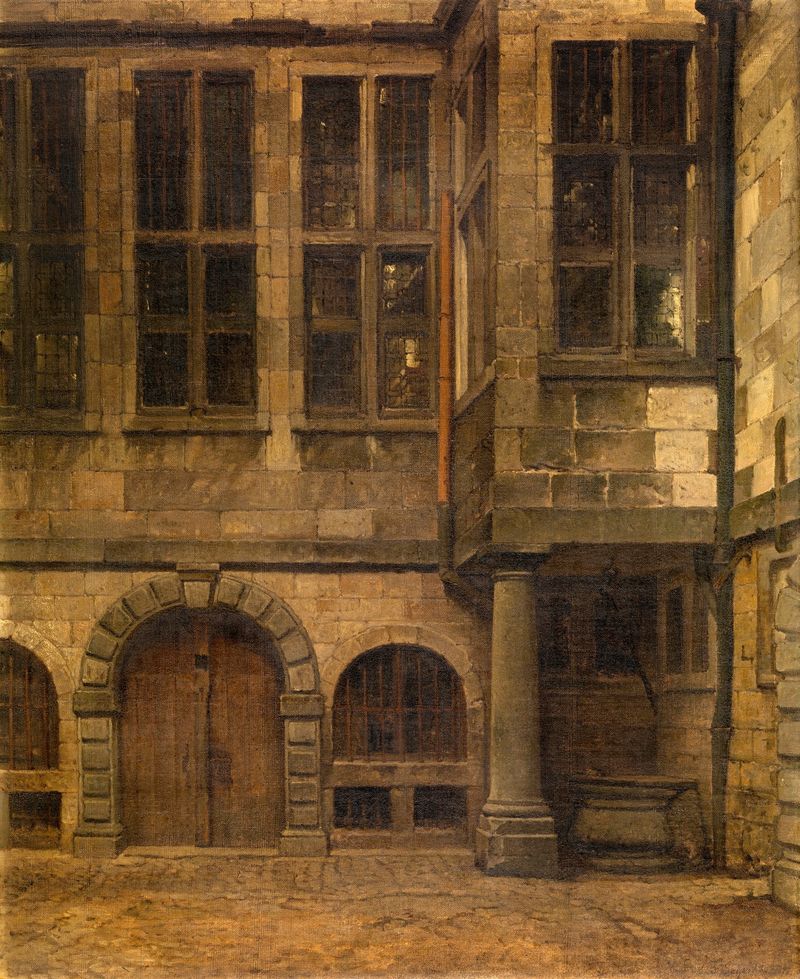
Old Courtyard of Antwerp Town Hall
Henri François Schaefels
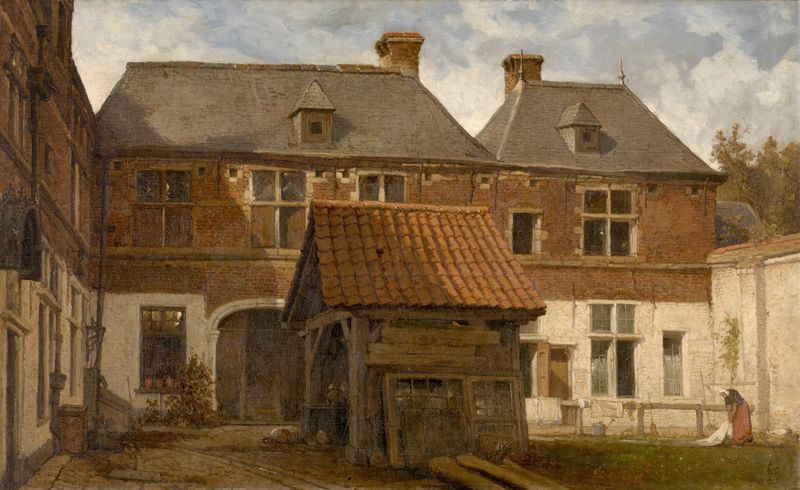
Saint Anna Almshouse in the Otto Veniusstraat Antwerp
Henri François Schaefels
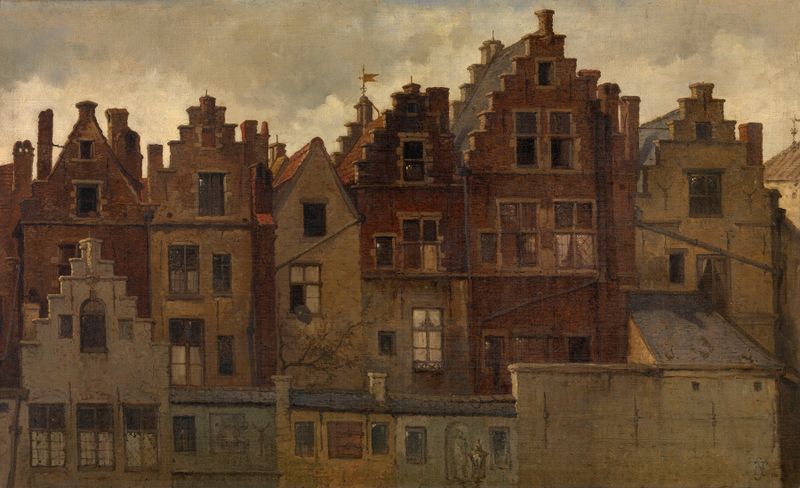
Old Façades on the Handschoenmarkt
Henri François Schaefels

Stoelstraatje and the Tower of the St Paul’s Church
Henri François Schaefels
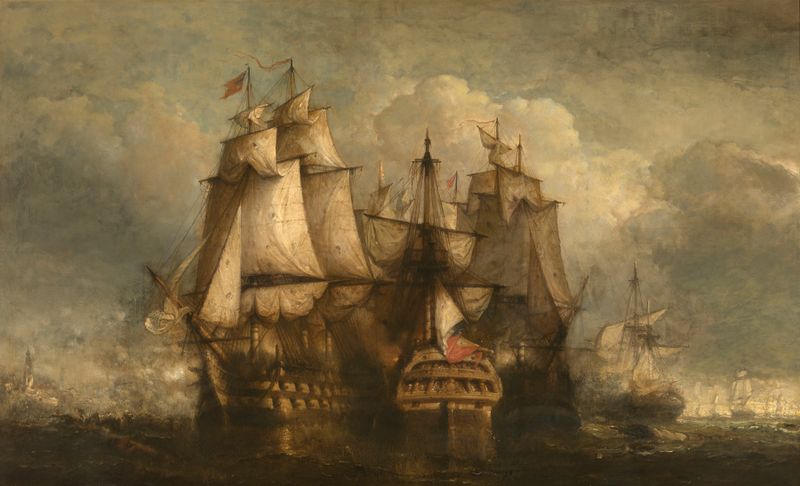
Siege of Vlissingen by an English Squadron
Henri François Schaefels

The Vleeshuis and Old Houses
Henri François Schaefels
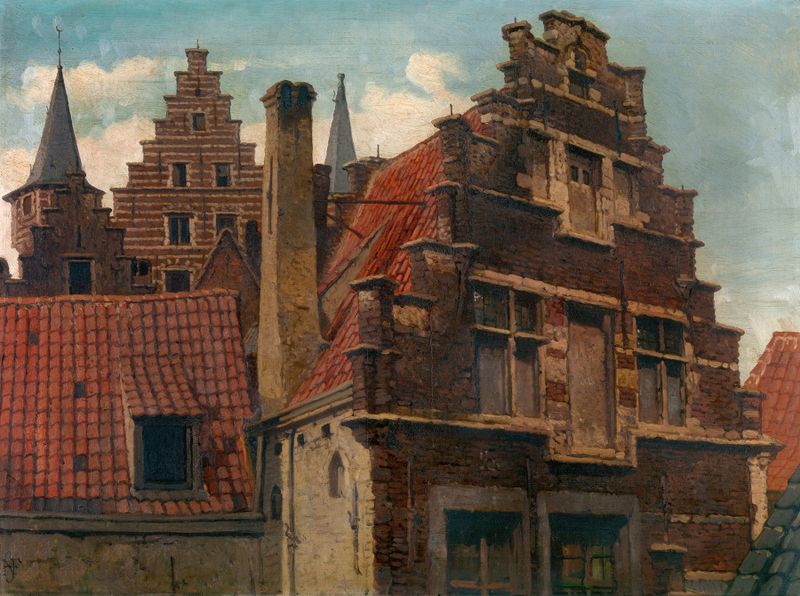
The Vleeshuis and Old Houses 2
Henri François Schaefels





