
Futagawa — History & Facts
In Futagawa, Utagawa Hiroshige encapsulates life’s chaotic nuances, where serenity and turmoil intertwine beneath the shimmering surface. Look to the foreground, where delicate waves of indigo and turquoise dance across the canvas, each stroke a whisper of movement. The eye is drawn to the detail of the boats, their sails taut against gusting winds, as the sun casts a golden glow over the tumultuous waters. Notice how the vibrant colors juxtapose with the darkening sky, creating a striking contrast that speaks to the duality of nature—splendor and uncertainty coexisting in this fleeting moment. Beneath the surface lies a deeper narrative; the chaos of the water reflects the artist's own tumultuous experiences.
The small figures aboard the boats represent humanity’s struggle against nature’s whims, while the overwhelming waves symbolize the unpredictability of life itself. Within this beauty, there is an inherent tension, a reminder that every serene view may harbor its own unseen turmoil. Hiroshige painted Futagawa in 1855, a time when Japan was undergoing significant social and political changes. As part of the ukiyo-e movement, he aimed to capture the fleeting beauty of life amidst the rapid developments in society.
This period in his life was marked by personal loss and changing artistic landscapes, reflected in the emotional depth and complexity evident in this work.
More Artworks by Utagawa Hiroshige
Browse all →
Sudden Shower over Shin Ohashi Bridge and Atake (Ohashi Atake no yudachi), from the series "One Hundred Famous Views of Edo (Meisho Edo hyakkei)"
Utagawa Hiroshige
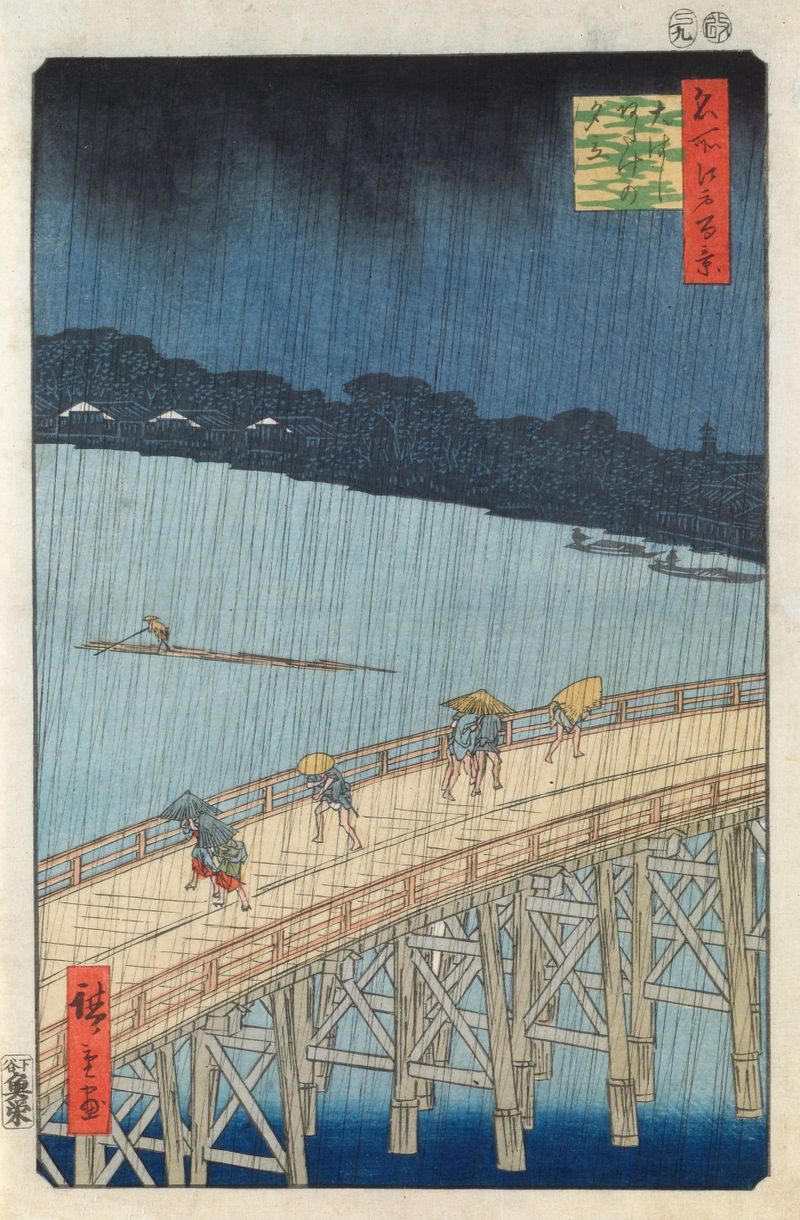
Sudden Shower Over Ohashi Bridge and Atake
Utagawa Hiroshige
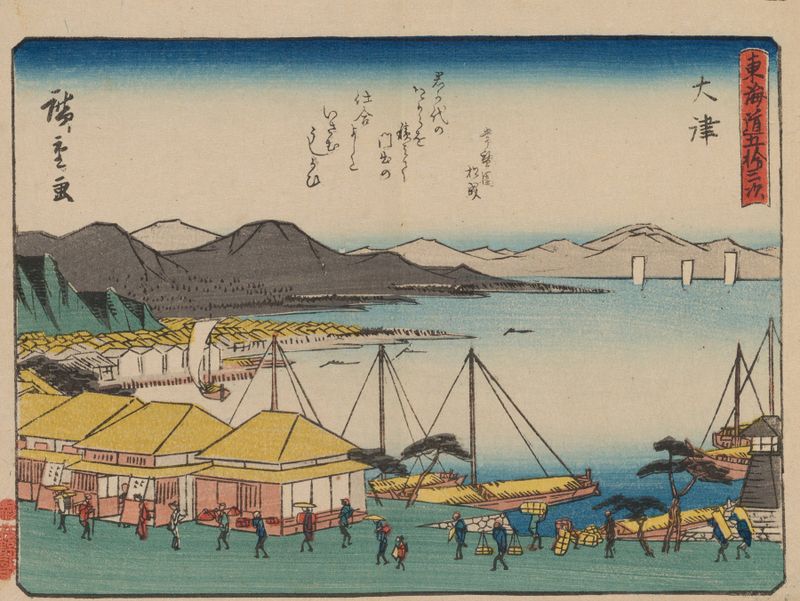
Tokaido gojusantsugi, Pl.54
Utagawa Hiroshige
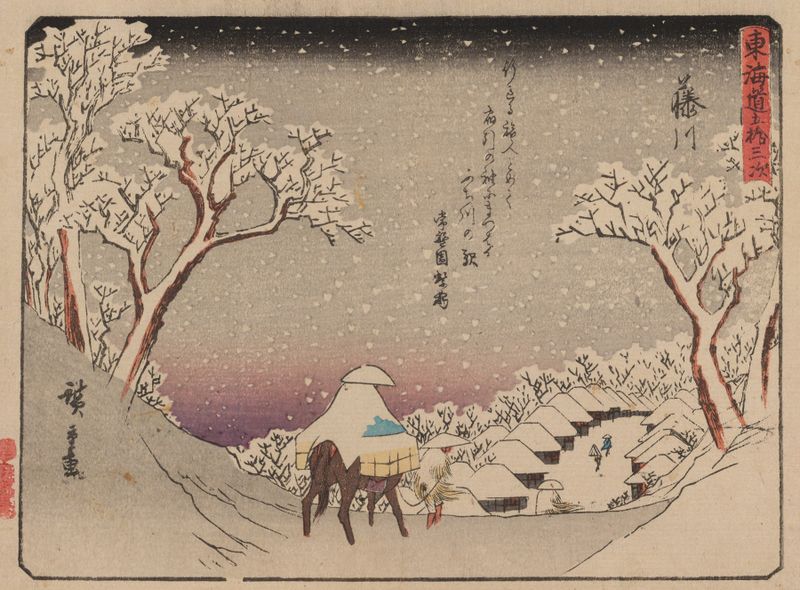
Tokaido gojusantsugi, Pl.38
Utagawa Hiroshige
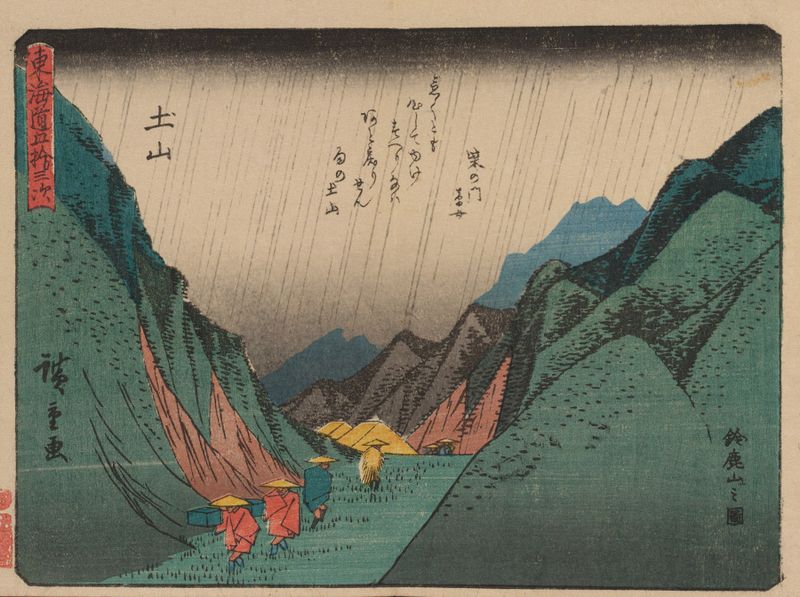
Tokaido gojusantsugi, Pl.50
Utagawa Hiroshige
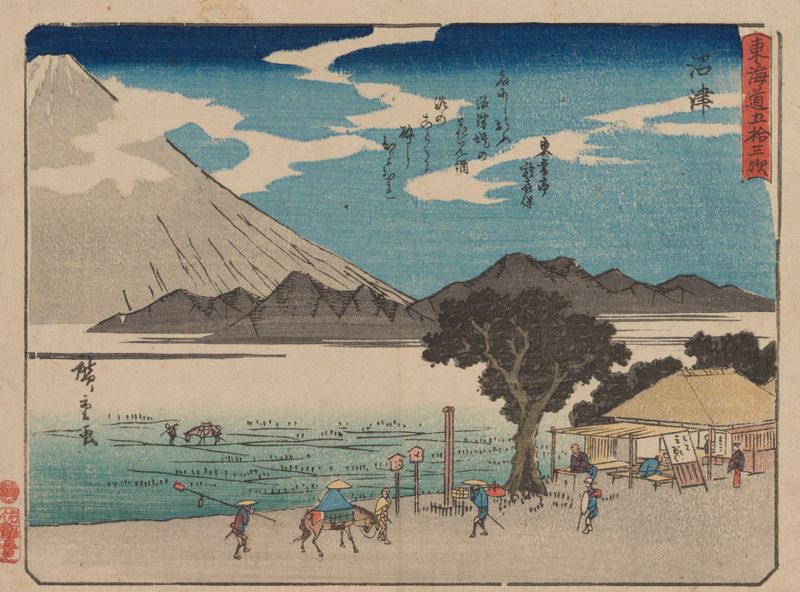
Tokaido gojusantsugi, Pl.13
Utagawa Hiroshige
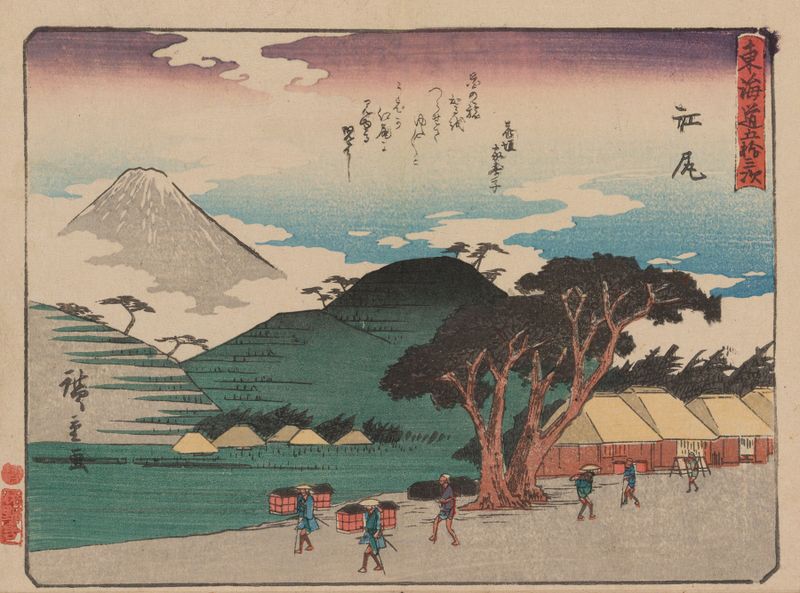
Tokaido gojusantsugi, Pl.19
Utagawa Hiroshige
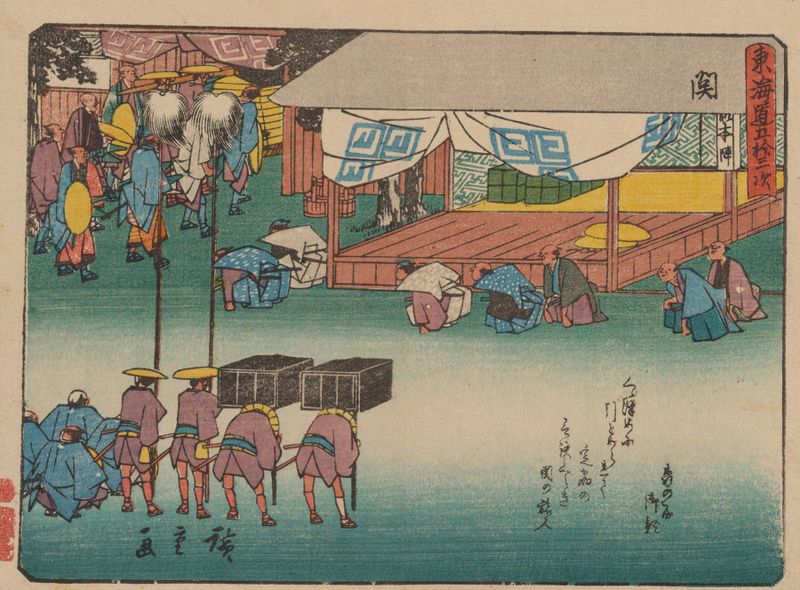
Tokaido gojusantsugi, Pl.48
Utagawa Hiroshige
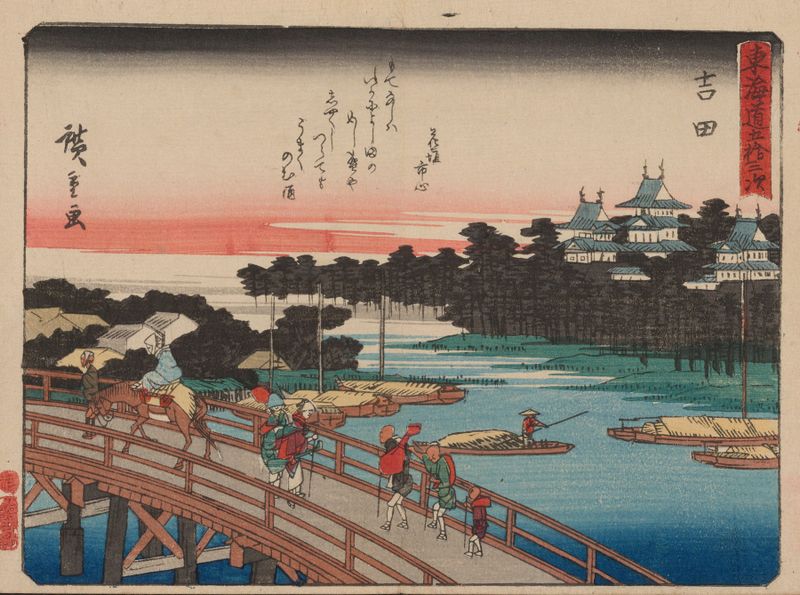
Tokaido gojusantsugi, Pl.35
Utagawa Hiroshige
Tokaido gojusantsugi, Pl.49
Utagawa Hiroshige





