
Garden House — History & Facts
Dappled sunlight filters through the lush canopy, casting playful patterns on the cobblestone path leading to an inviting garden house. A woman in a flowing dress pauses, her fingers grazing the vibrant blooms that sway gently in the breeze, while a child kneels nearby, captivated by a fluttering butterfly. The air is thick with the scent of blossoms and the soothing hum of nature, creating a serene atmosphere that feels almost enchanted. Look to the left at the intricate details of the garden, where rich greens and bursts of color draw the eye.
Notice how the warm golden hues of late afternoon sunlight illuminate the petals, enhancing their vibrancy, while the soft shadows add depth to the scene. The artist’s brushwork melds impressionistic strokes with careful realism, making each flower appear alive and breathing, inviting viewers to step into this tranquil sanctuary. In the interplay of light and shadow, there is a contrast between the innocence of childhood and the maturity of nature. The woman stands in serene contemplation, possibly embodying the passage of time, while the child’s curiosity represents the purity of youth.
This tension of growth and stillness evokes a sense of longing for simpler days, as nature flourishes around them, untouched and eternal. Frederick Landseer Maur Griggs painted Garden House in 1909, during a period when he was deeply influenced by the Arts and Crafts movement that celebrated craftsmanship and the beauty of nature. Living in England at the time, he captured the essence of idyllic rural life, a response to the industrialization that was transforming society and art. This work encapsulates his commitment to beauty and the harmonious relationship between humanity and the natural world.
More Artworks by Frederick Landseer Maur Griggs
Browse all →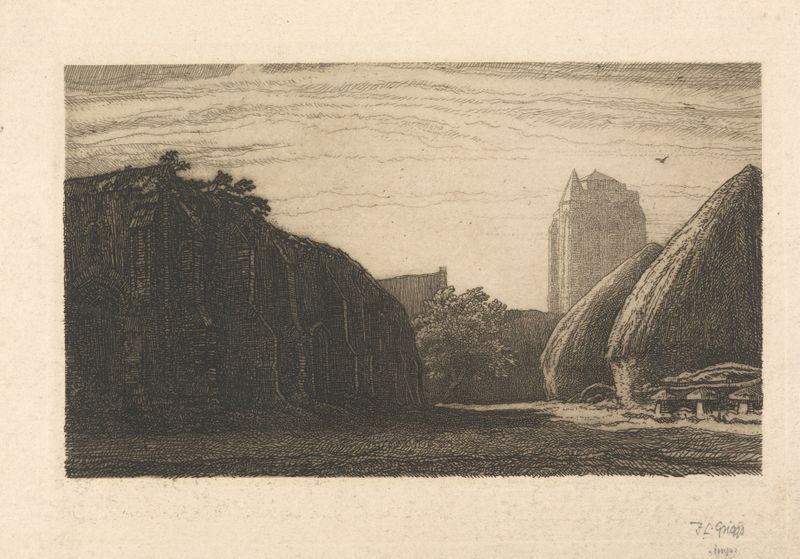
Maur’s Farm
Frederick Landseer Maur Griggs
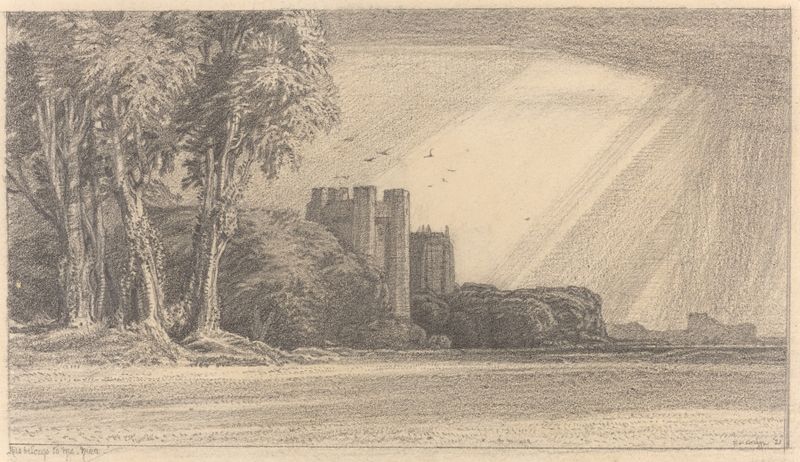
Landscape with Castle
Frederick Landseer Maur Griggs
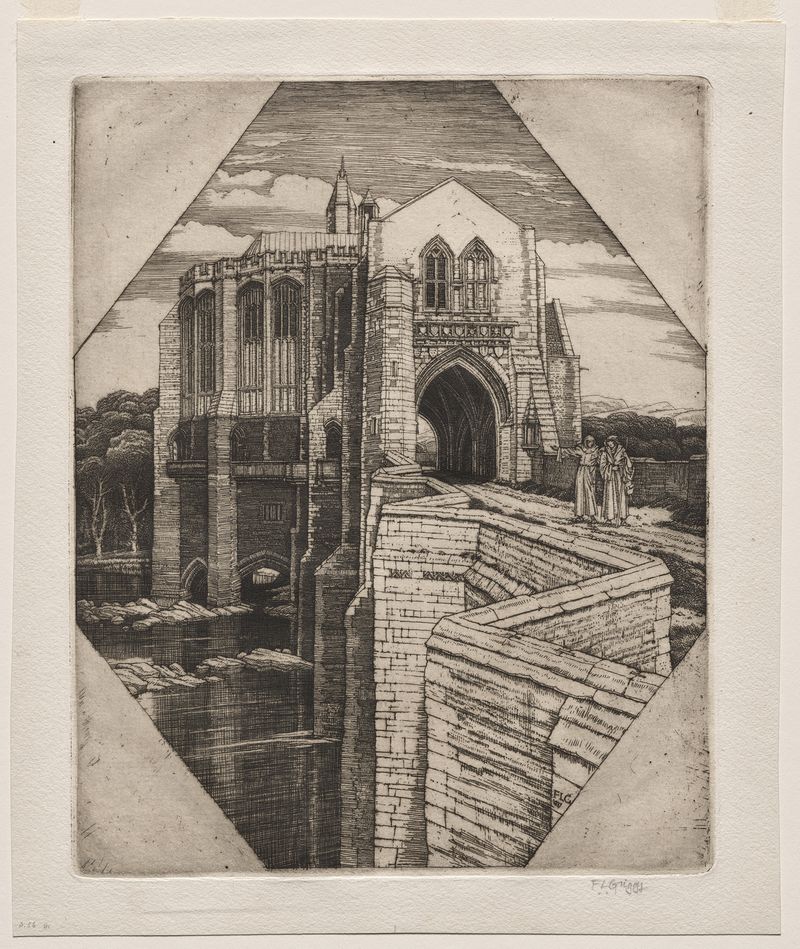
St. Botolph’s Bridge No. 2 1937
Frederick Landseer Maur Griggs
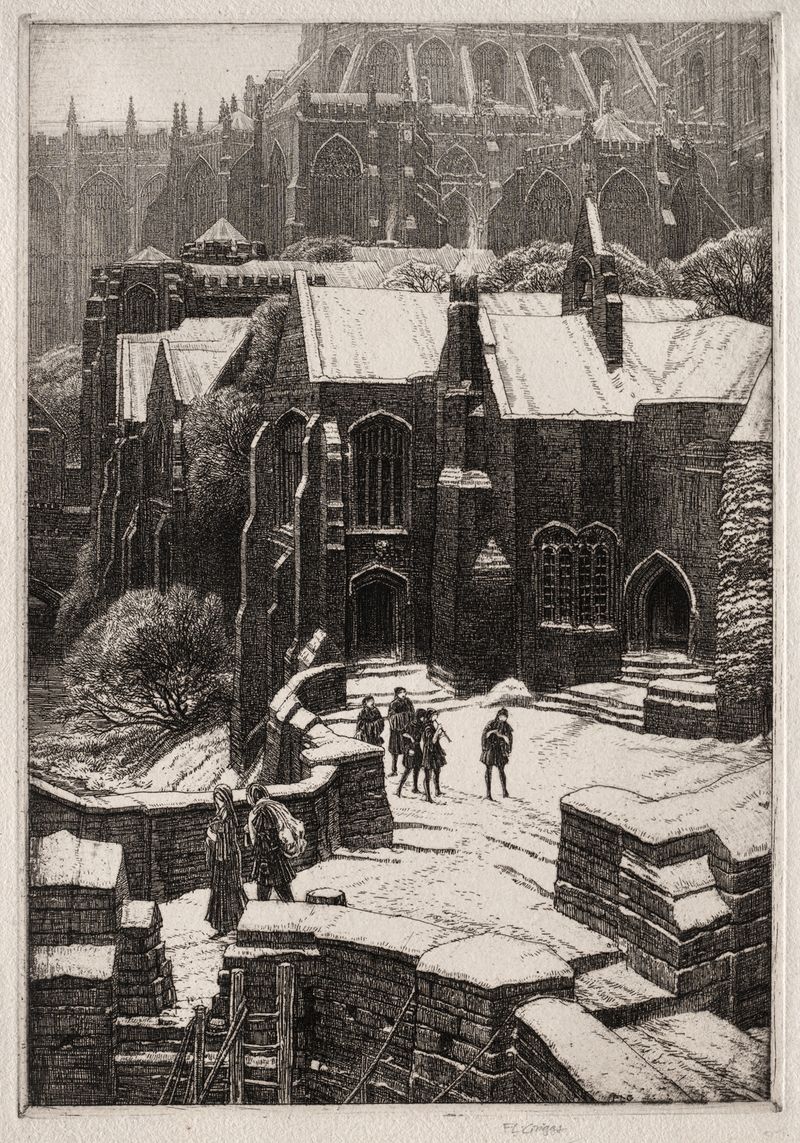
The Almonry
Frederick Landseer Maur Griggs

The Cresset
Frederick Landseer Maur Griggs
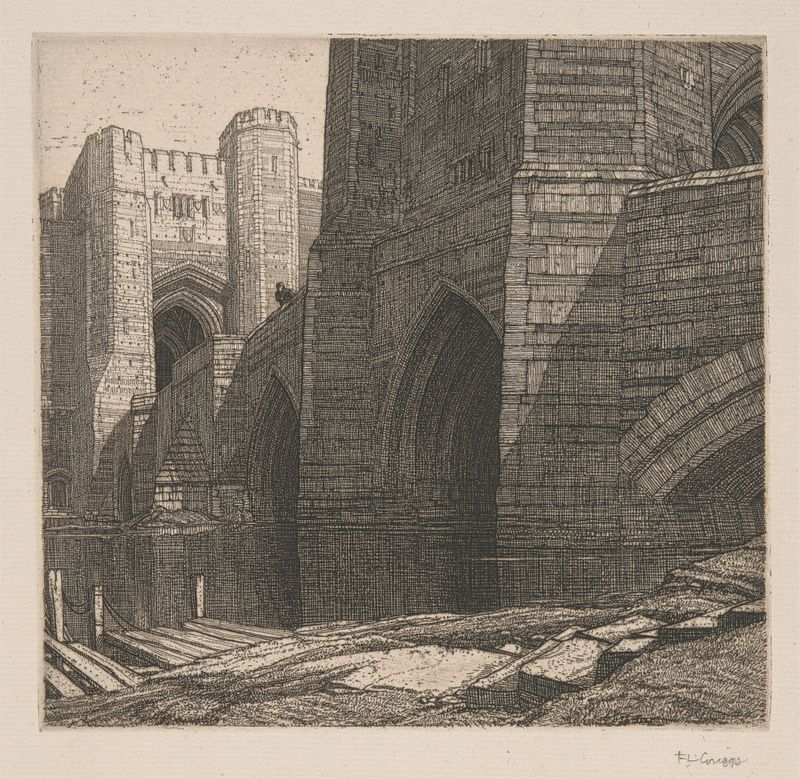
The Barbican
Frederick Landseer Maur Griggs

Maur’s Farm
Frederick Landseer Maur Griggs
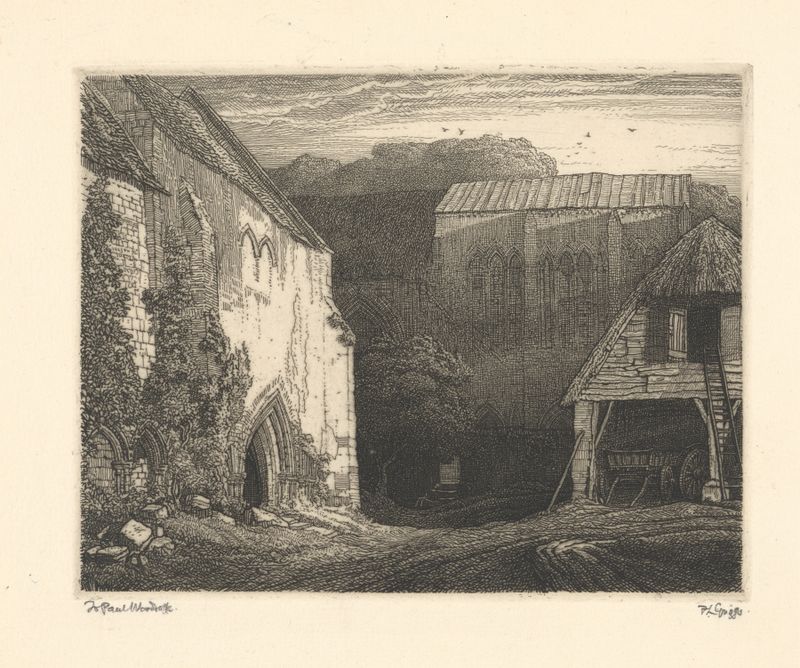
Priory Farm
Frederick Landseer Maur Griggs

St. Wendred’s March
Frederick Landseer Maur Griggs
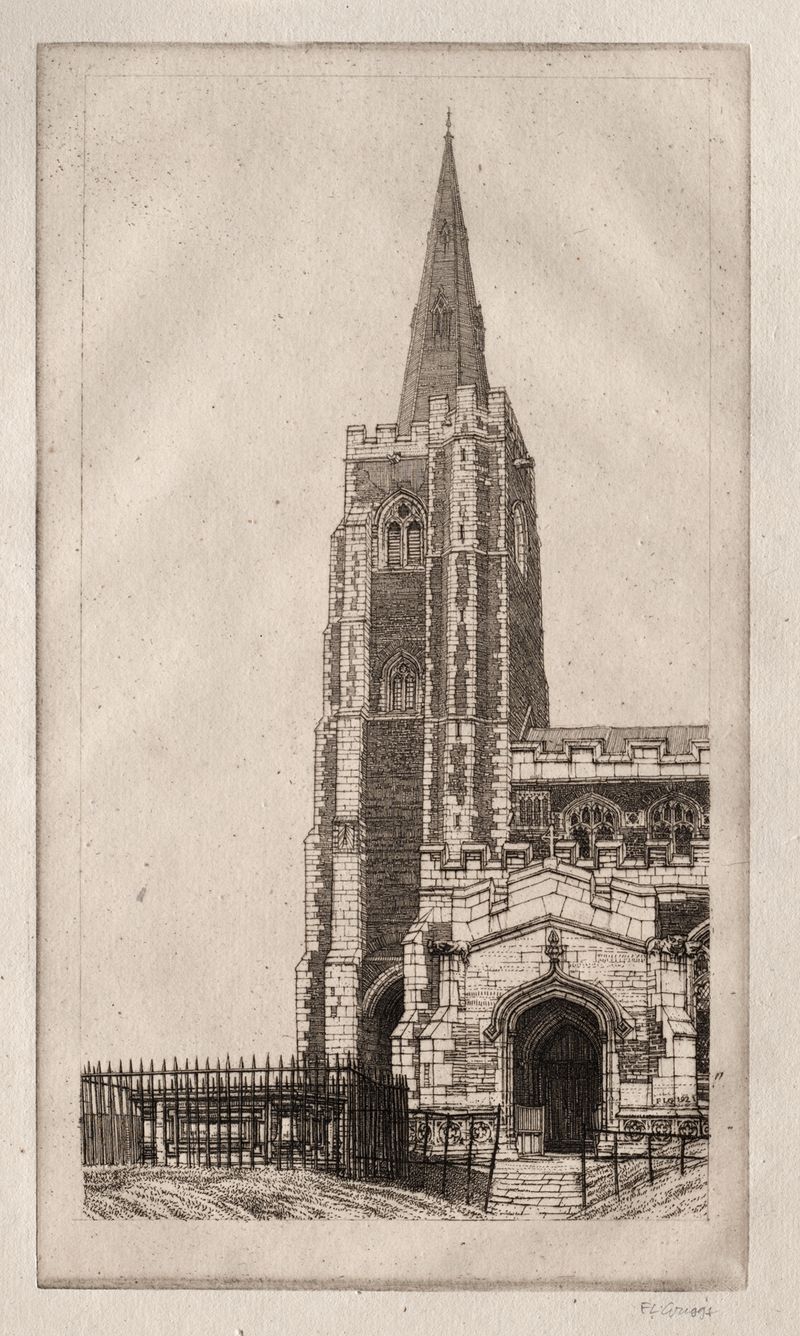
St. Wendred’s, March
Frederick Landseer Maur Griggs





