
Gardens at Florence — History & Facts
Sunlight filters through the lush canopy, dappling the cobblestones with soft patterns of light and shadow. A solitary figure wanders through the verdant paths of a garden in Florence, her vibrant dress a stark contrast to the muted greens and browns surrounding her. The air is thick with the scent of blooming flowers, yet a profound stillness envelops the scene, hinting at an unspoken solitude amid nature's embrace. Focus on the gentle curves of the path that lead your gaze deeper into the garden, drawing attention to the carefully arranged flora on either side.
Look closely at the interplay of light as it dances across the leaves, illuminating bursts of color while casting shadows that are both intimate and isolating. The brushwork is skillful, blending impressionistic techniques with a keen observation of detail, inviting viewers to experience the lushness of the garden while feeling the weight of the figure's solitude. Within this serene setting lies a rich tapestry of emotions. The figure, though surrounded by beauty, appears disconnected from her environment, embodying a sense of emptiness that contrasts sharply with the vibrancy around her.
The garden, often a symbol of abundance and life, serves as a poignant backdrop for this exploration of isolation and introspection, revealing the complexities of human emotion even in the most picturesque settings. John Singer Sargent painted Gardens at Florence around 1910, during a period of significant change in his artistic journey. Having already achieved acclaim for his portraiture, he sought to expand his repertoire into landscapes, reflecting a broader trend in art towards capturing the impression of a moment. This work, realized in Italy, embodies his mastery of light and color while also revealing a contemplative side of the artist, resonating with the shifting currents of modernity in the world around him.
More Artworks by John Singer Sargent
Browse all →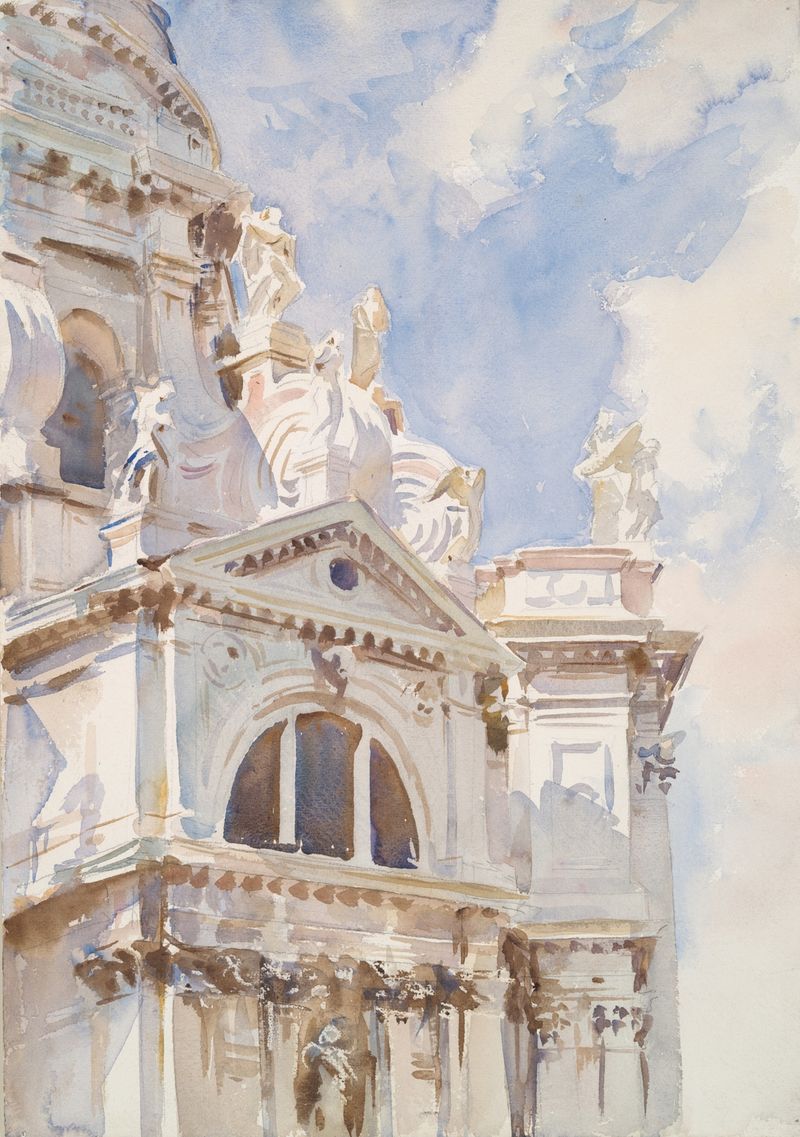
The Salute, Venice
John Singer Sargent

Mrs. Charles Deering (Marion Denison Whipple)
John Singer Sargent
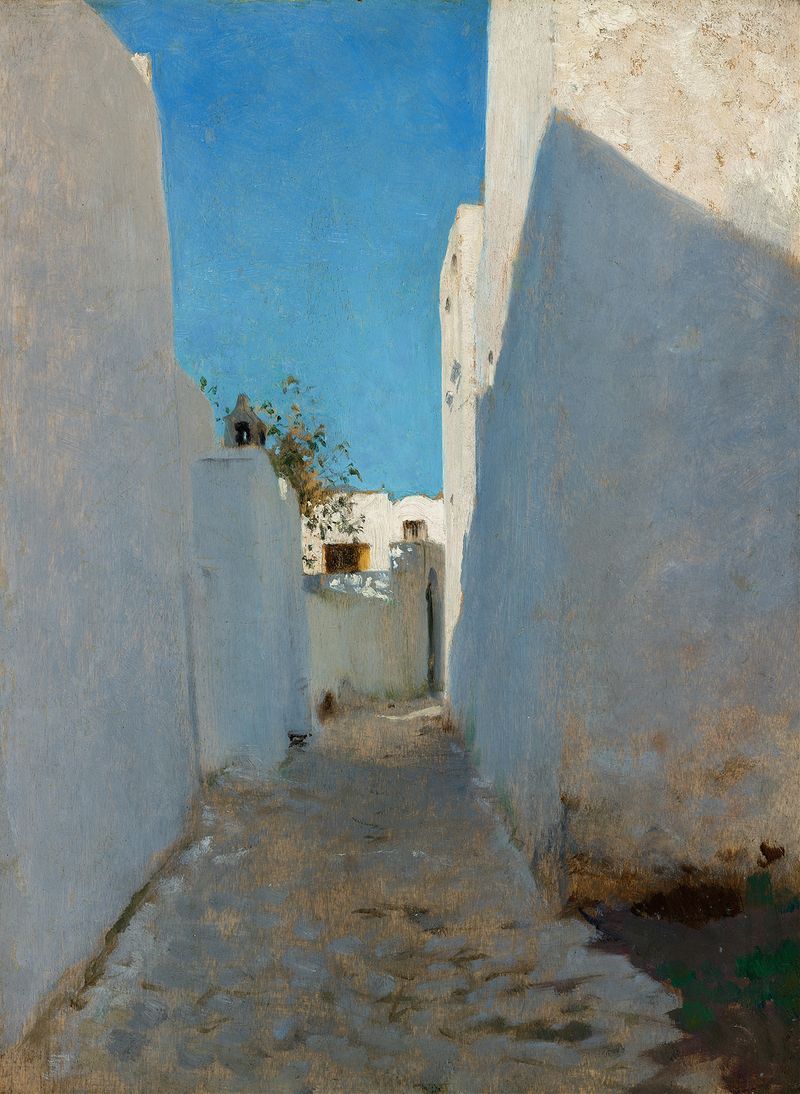
A Moroccan Street Scene
John Singer Sargent
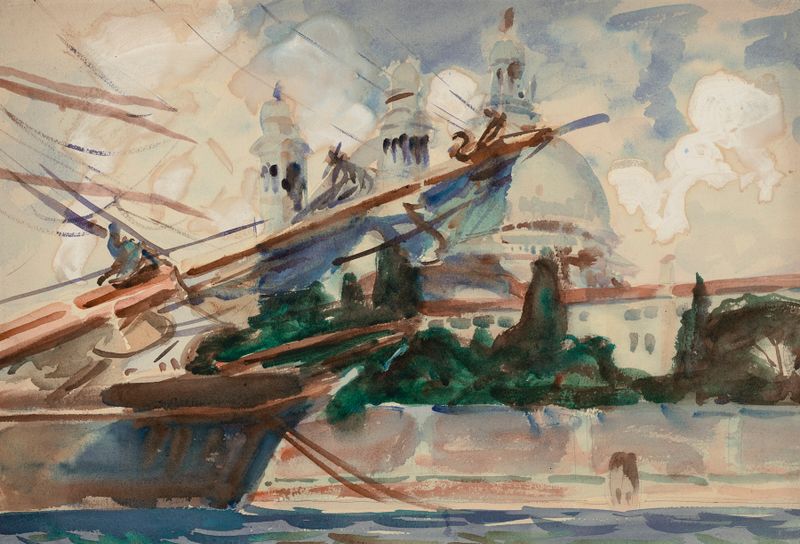
The Salute, Venice
John Singer Sargent
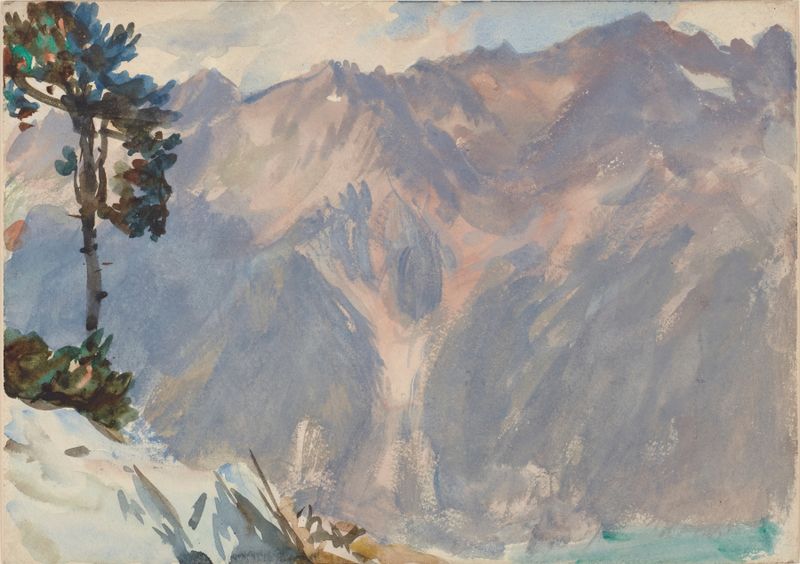
Tyrol
John Singer Sargent

Study for "Gog and Magog," for the Boston Public Library
John Singer Sargent
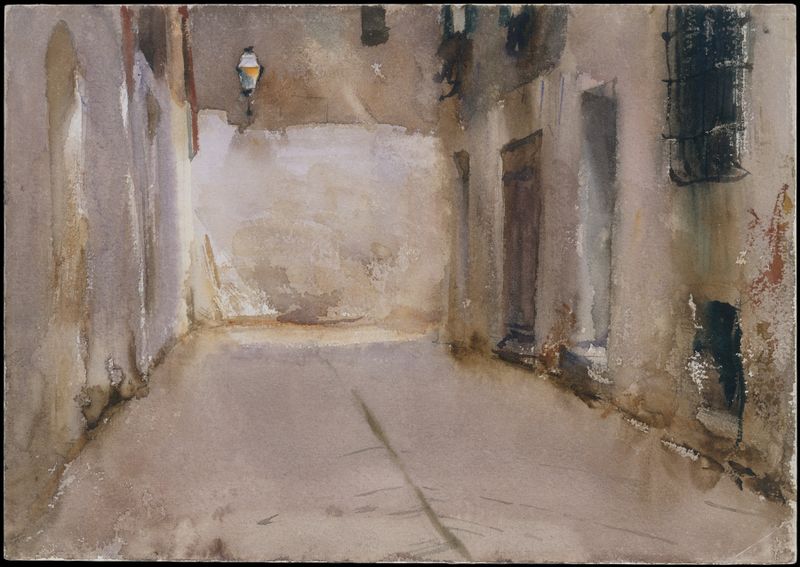
Venice
John Singer Sargent
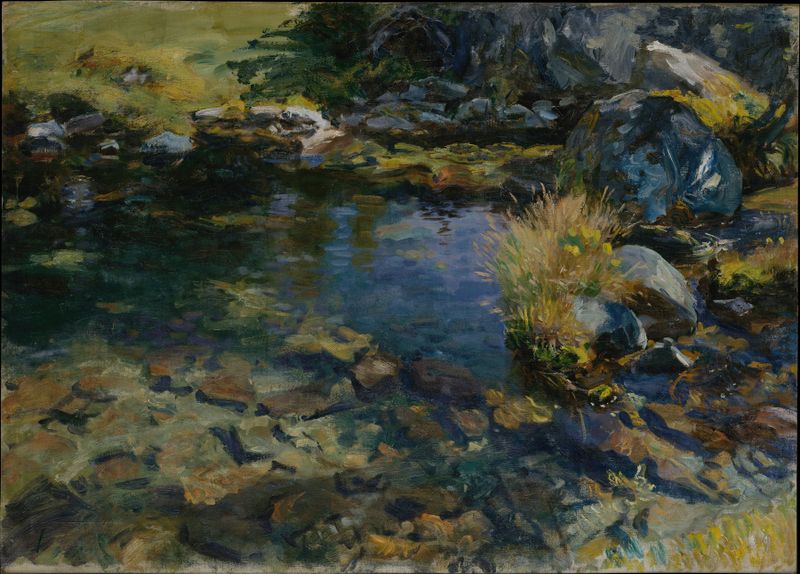
Alpine Pool
John Singer Sargent
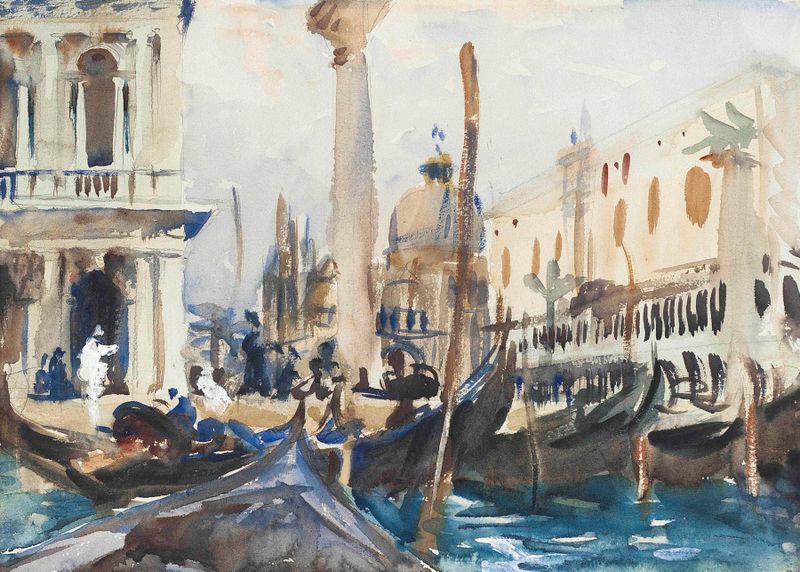
The Piazzetta with Gondolas
John Singer Sargent
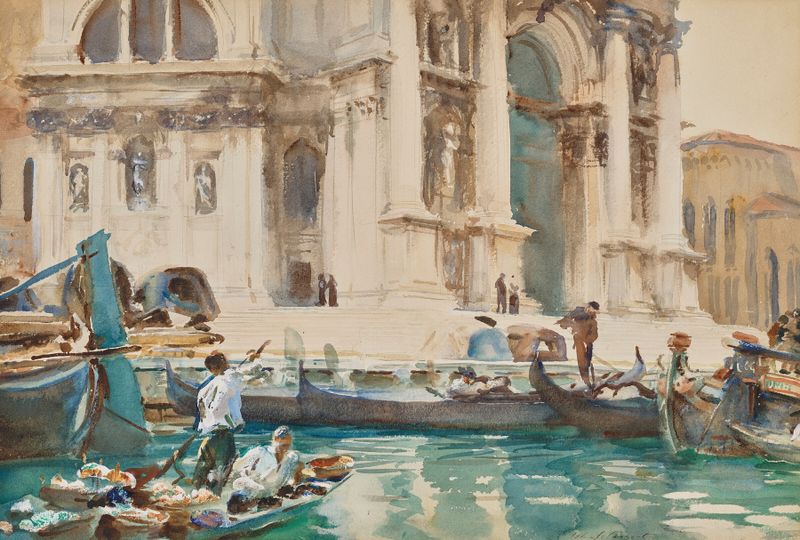
The Façade of La Salute, Venice
John Singer Sargent





