Garten des Gasthauses ‘zum Blumenstock’ im Prater — History & Facts
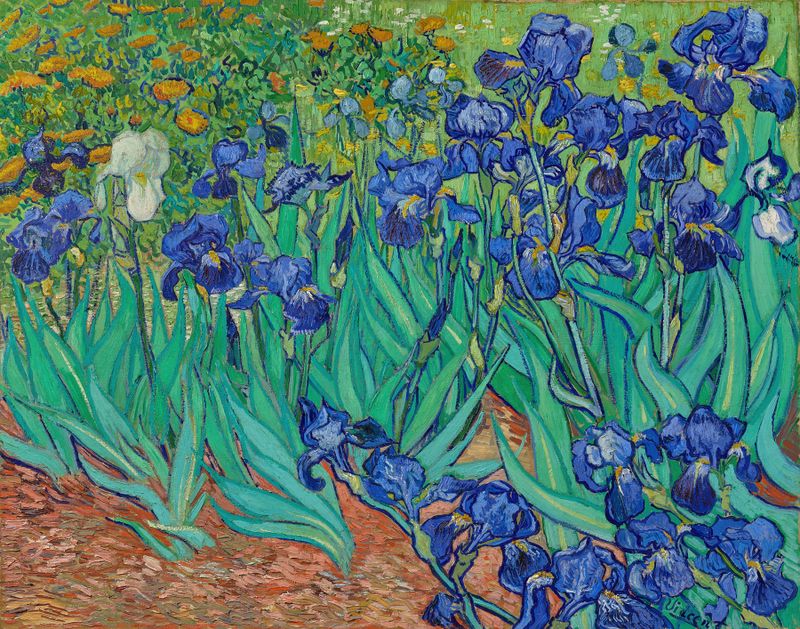
Can beauty exist without sorrow? In Garten des Gasthauses ‘zum Blumenstock’ im Prater, the answer quietly lingers amid the blooms. As you approach this piece, look to the left where the vibrant flowers burst forth in an array of colors, their petals capturing the light like jewels. The contrast between the lush greens of the foliage and the delicate pinks and whites draws you in, inviting your gaze to wander through this tranquil garden. Notice how the soft brushstrokes create a sense of movement in the leaves, suggesting a gentle breeze that carries whispers of laughter and echoes of past conversations. Yet beneath this idyllic scene lies a deeper tension, a reminder of the world outside the garden's confines.
The meticulous arrangement of flowers can be seen as a metaphor for fleeting moments of joy, overshadowed by the shadows of impending change. Each bloom, while exquisite in its beauty, also evokes a sense of longing, hinting at the fragility of happiness during a time marked by turmoil. Leopold Widliczka painted this work in 1916, during a period of considerable upheaval in Europe due to World War I. Living in Vienna, he was influenced by the shifting dynamics of society and the emotional weight carried by individuals amid such chaos.
This canvas reflects not only the charm of a serene garden but also the undercurrents of memory and the poignant awareness of what beauty may cost.