
Garzia de' Medici — History & Facts
What first arrests the eye is the gravity of a child so young, his round face and wide, solemn gaze set against a field of deep blue. The golden embroidery of his crimson garment catches the light in rippling bands, drawing attention to the ornate collar and the tiny hand that clutches a delicate orange blossom. In the other hand, a small jewel dangles—more than an ornament, it suggests protection or status, a silent testament to the world the boy was born into.
Every detail, from the intricate goldwork to the careful rendering of his pale skin, signals that this is no ordinary child but someone whose very presence was meant to reassure and impress. The composition holds the viewer in a quiet standoff, inviting us to wonder at the seriousness that adulthood has already pressed upon these soft features. Painted around 1550, this portrait belongs to a tradition in Renaissance Florence where children of ruling families were presented not as playful innocents but as miniature heirs, already participants in dynastic display. Agnolo Bronzino, known for his precise, almost enamel-like surfaces, was a favored painter of the Medici court, and here he turns his meticulous eye to the third son of Cosme I de’ Medici and Leonor of Toledo.
Such portraits were not only family records but also tools of alliance and power, exchanged among courts or displayed to reinforce legitimacy. History has kept few traces of young García himself, but the painting’s survival in the Museo del Prado allows us to glimpse the calculated tenderness and unyielding expectations that shaped the children of Renaissance rulers—look again at the amulet, and imagine the burdens it was meant to ward away.
More Artworks by Agnolo Bronzino

Eleonora Of Toledo
Agnolo Bronzino
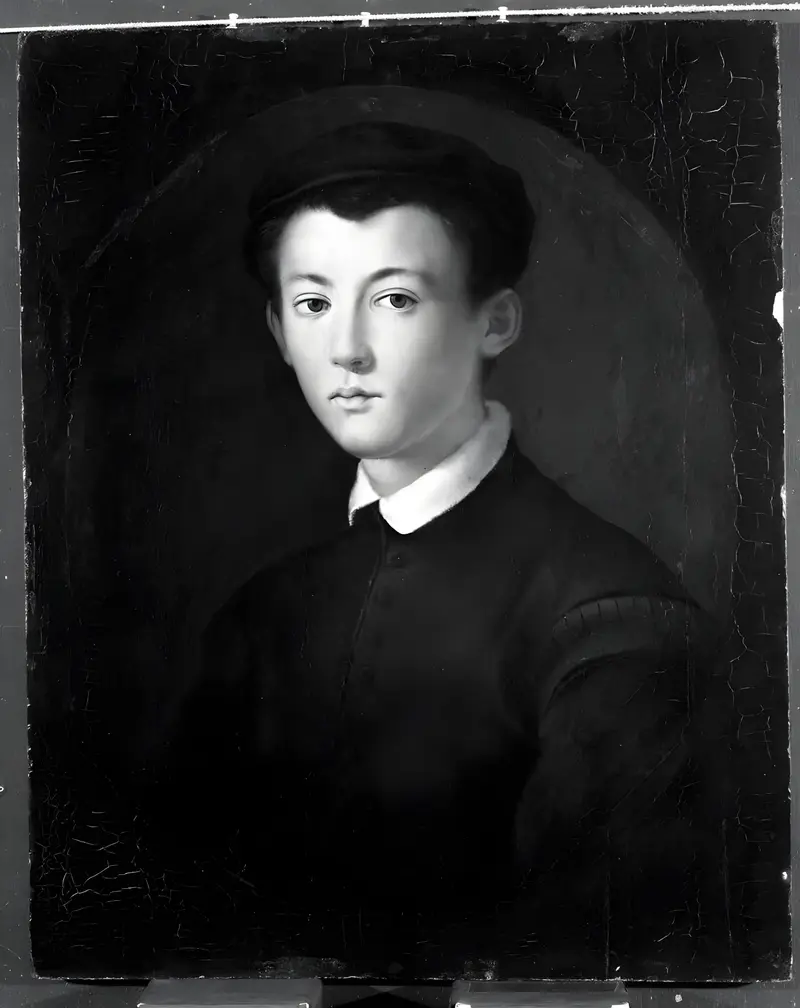
Portrait of a Young Man
Agnolo Bronzino
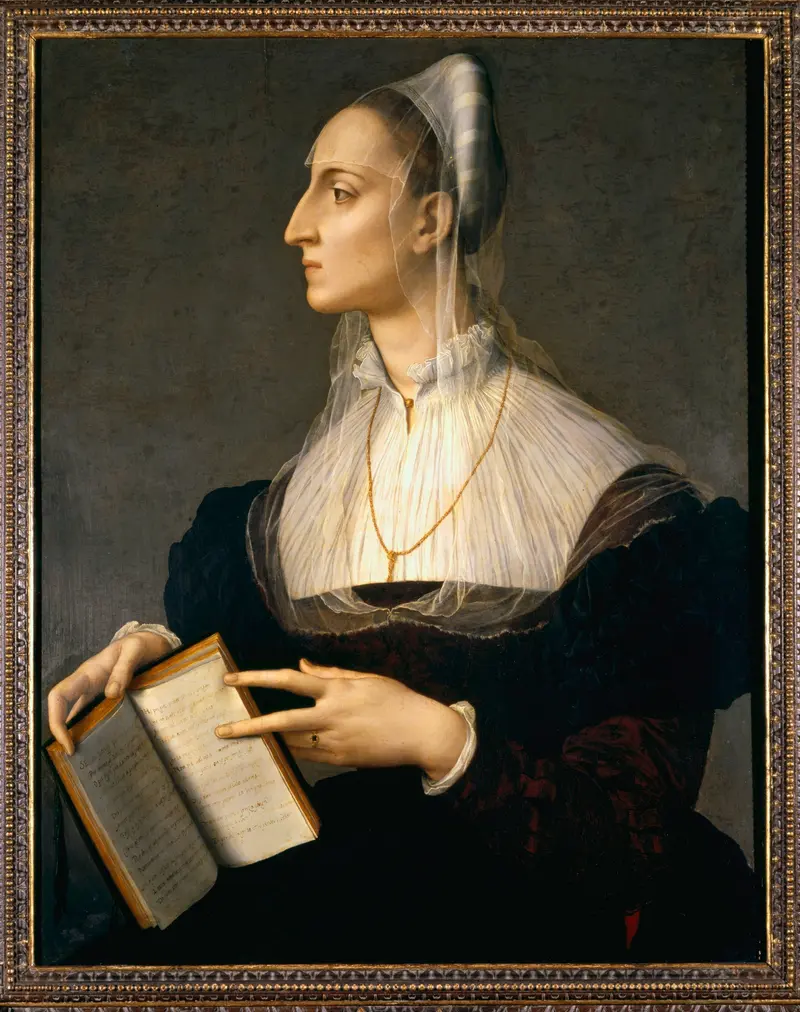
Portrait Of Laura Battiferri
Agnolo Bronzino
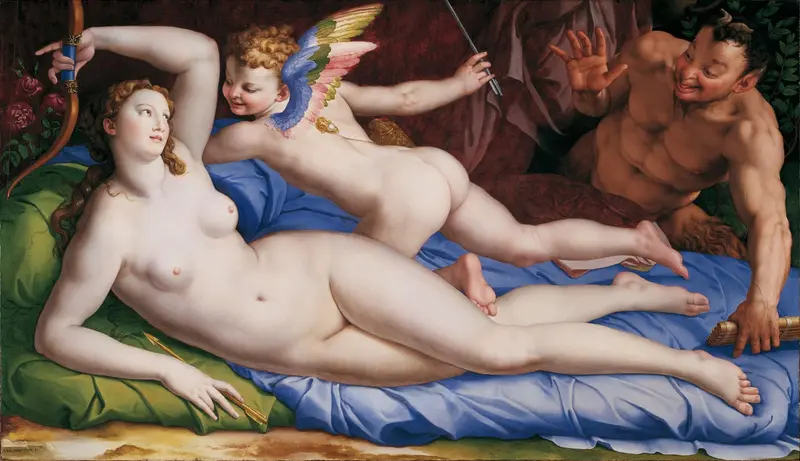
Venus, Cupid And Satyr
Agnolo Bronzino
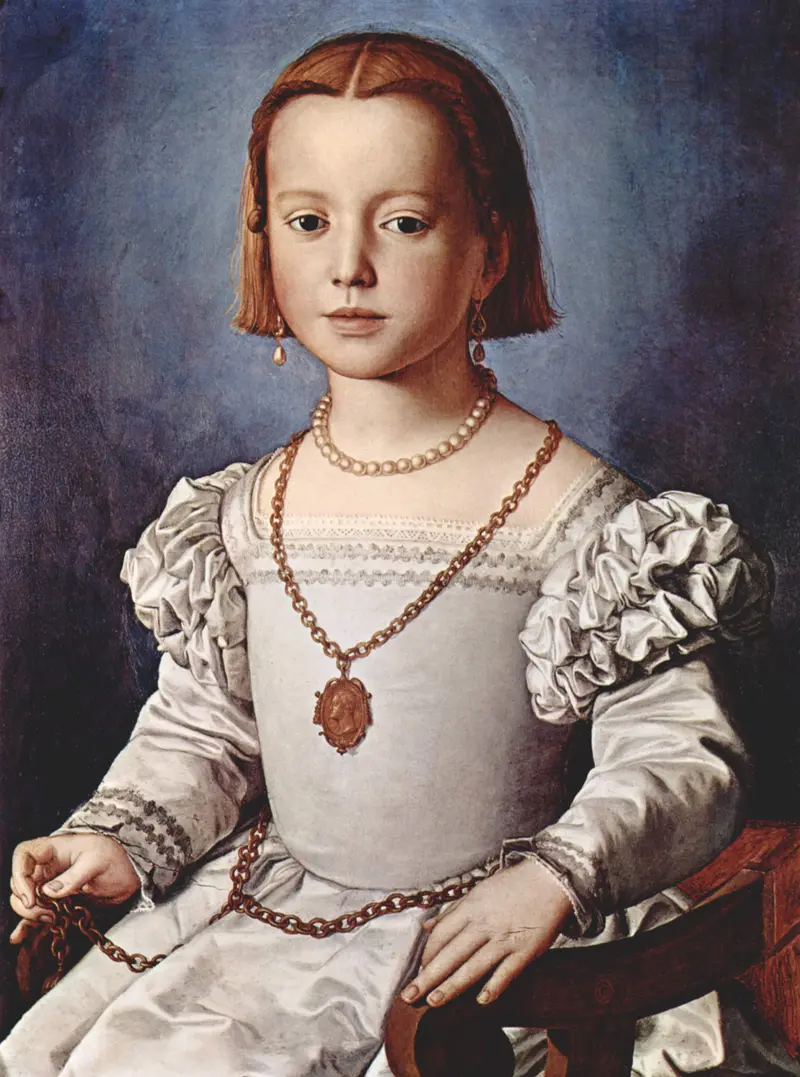
Bia Di Cosimo De‘ Medici
Agnolo Bronzino
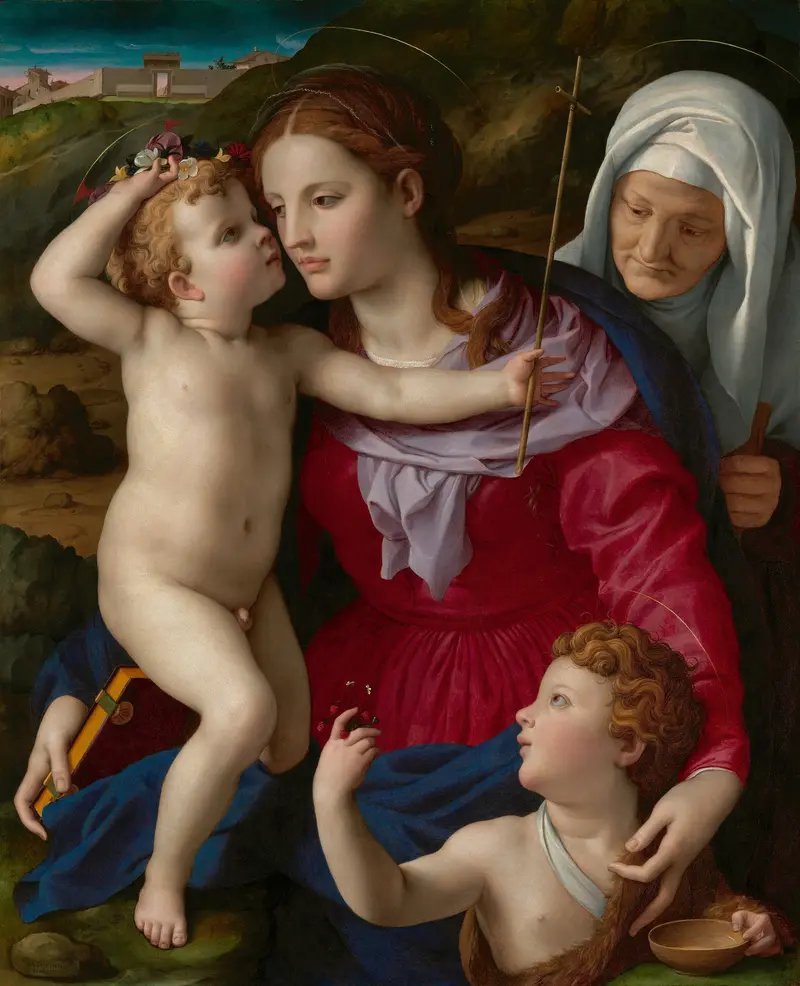
Virgin and Child with Saint Elizabeth and Saint John the Baptist
Agnolo Bronzino
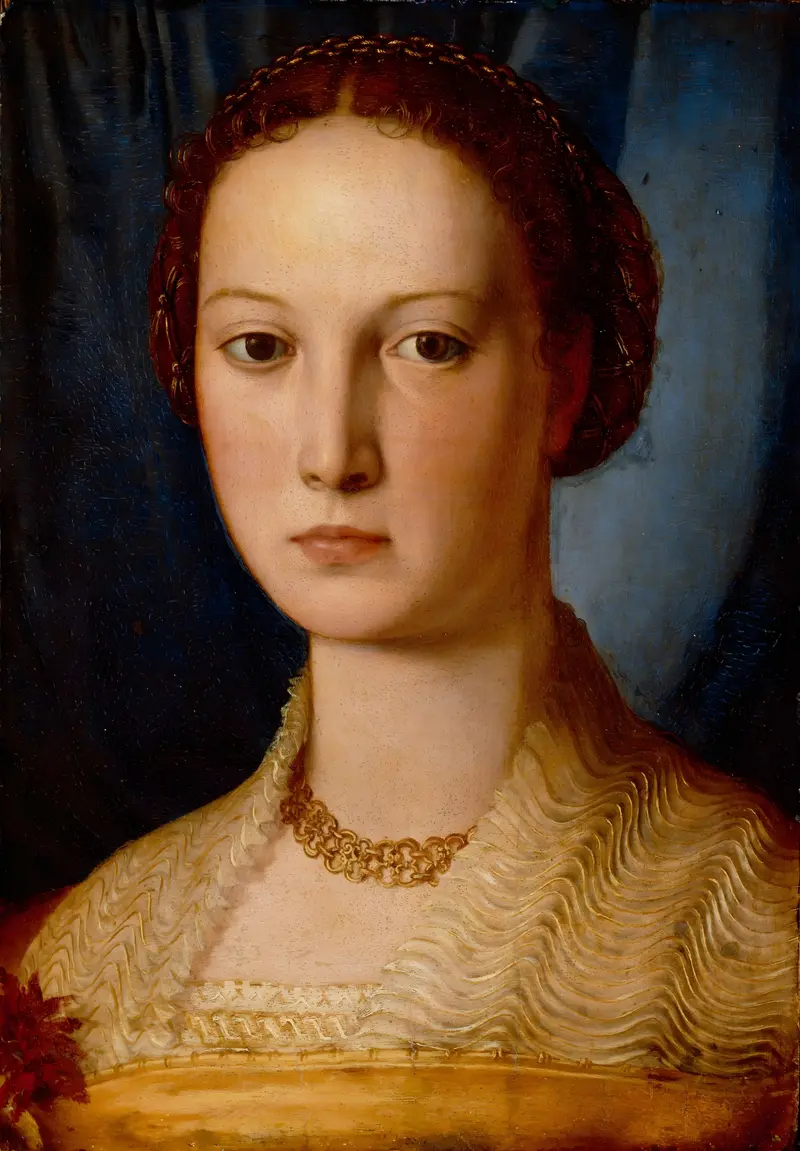
Costanza Da Sommaia
Agnolo Bronzino
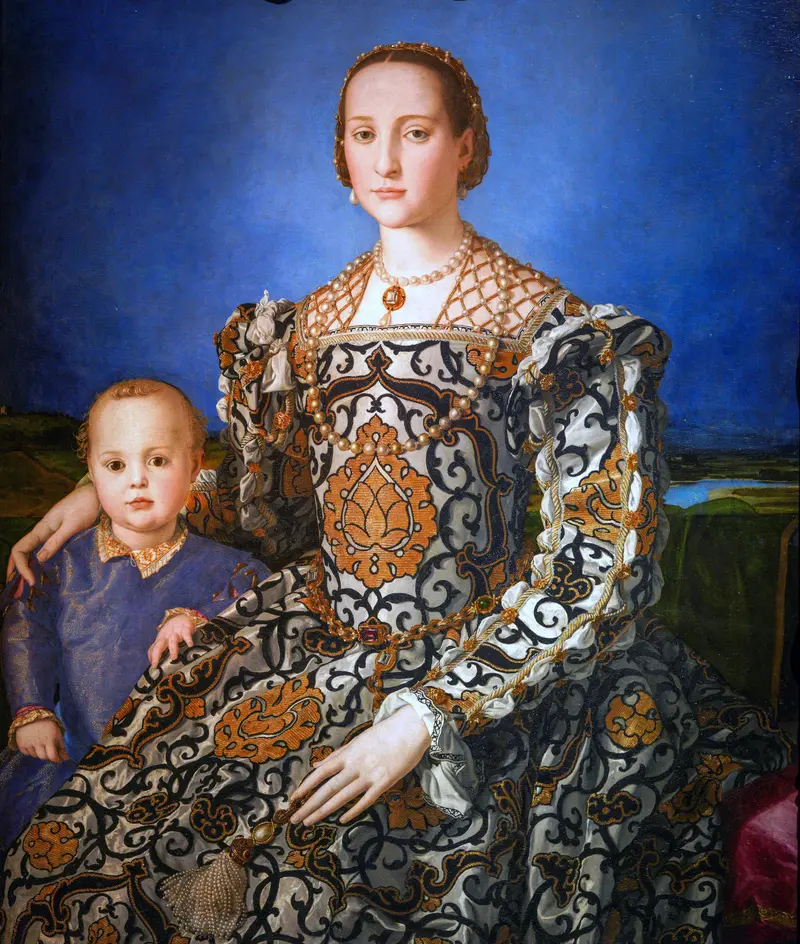
Portrait of Eleanor of Toledo with Her Son Giovanni de’ Medici
Agnolo Bronzino
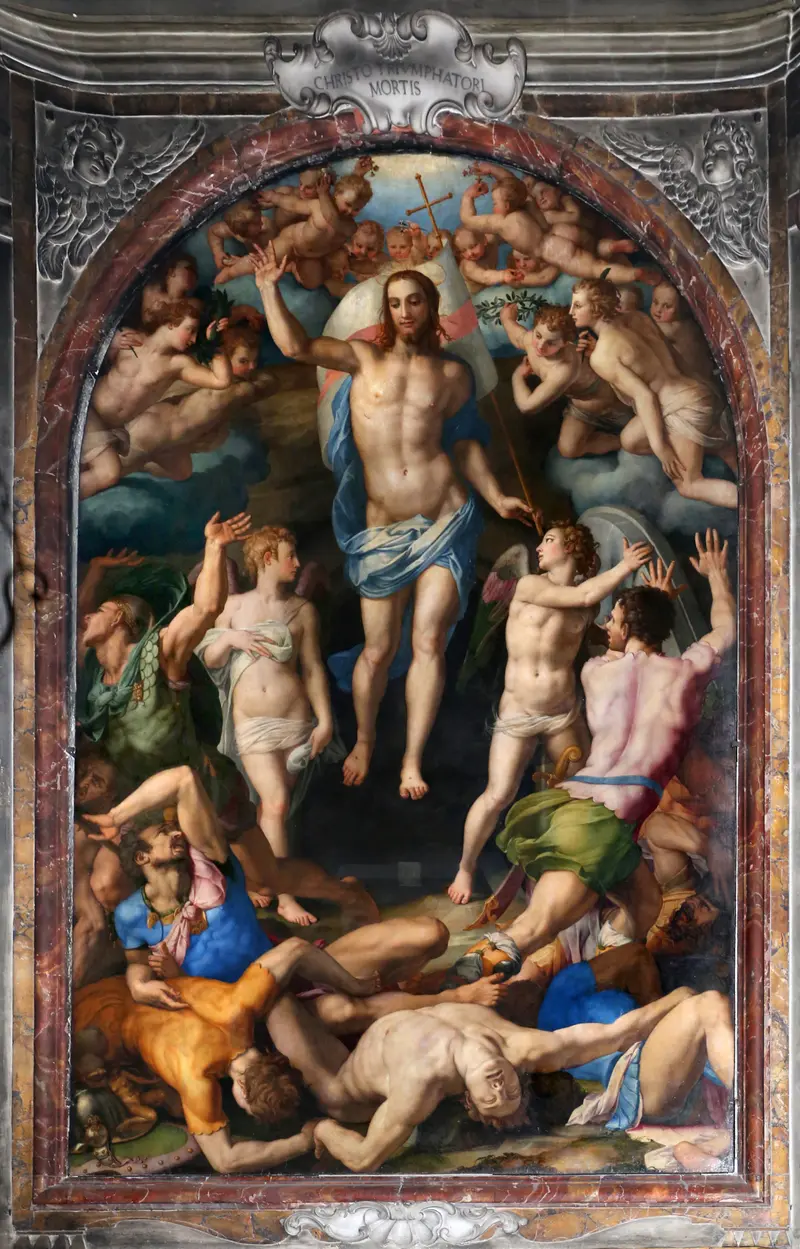
Resurrection Of Christ
Agnolo Bronzino
Saint Sebastian
Agnolo Bronzino





