
Gate to the San Vigilio Garden on Lake Garda — History & Facts
A warm, golden light settles over the entrance of the San Vigilio Garden, casting elongated shadows upon the cobblestone pathway. A wrought-iron gate stands ajar, inviting visitors into this hidden paradise. Nearby, vibrant blooms unfurl in the gentle breeze, their colors whispering secrets to the sun-drenched air, while the soft rustle of leaves creates a symphony of nature just beyond the threshold. Look to the left, where the intricate design of the gate draws the eye with its delicate curves and ornamental patterns.
Notice how the sunlight filters through the latticework, creating a play of light and shadow that dances across the stones. The lush greenery just beyond the gate contrasts vividly with the hues of the flowers, offering a preview of the serenity that lies in wait, further enhancing the allure of this secret garden. The balance of light and shadow here evokes a sense of mystery and anticipation, suggesting a journey from the mundane to the enchanting. The shadows whisper of undiscovered paths, while the brightness hints at joy and beauty.
This tension between light and dark embodies the dual nature of exploration—both thrilling and daunting—inviting viewers to contemplate what lies beyond the known. In 1903, while residing near Lake Garda, Curt Agthe captured this scene during a period of deep personal reflection and artistic exploration. At the turn of the century, the art world was experiencing a shift towards impressionism and a heightened focus on the interplay between nature and human emotion. The garden, emblematic of tranquility and beauty, reflects Agthe’s desire to connect with the natural world, revealing his fascination with the transient moments of light and shadow.
More Artworks by Curt Agthe
Browse all →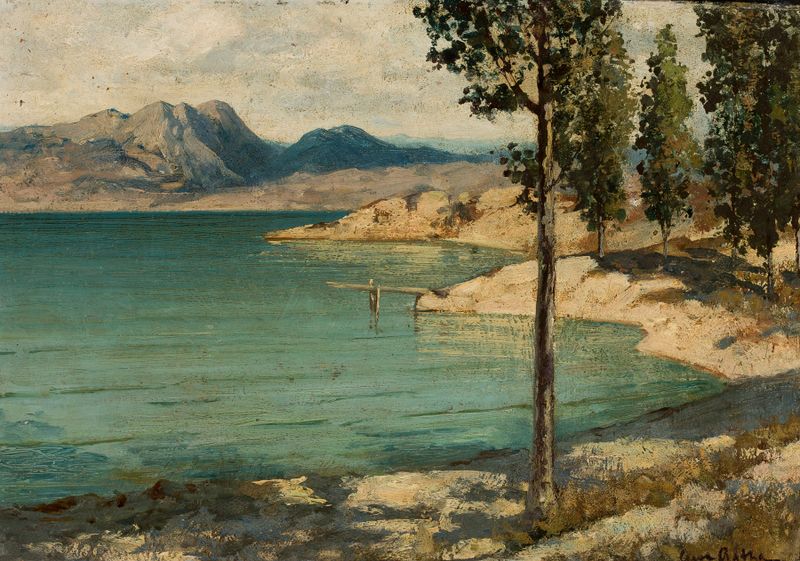
Lake Garda
Curt Agthe
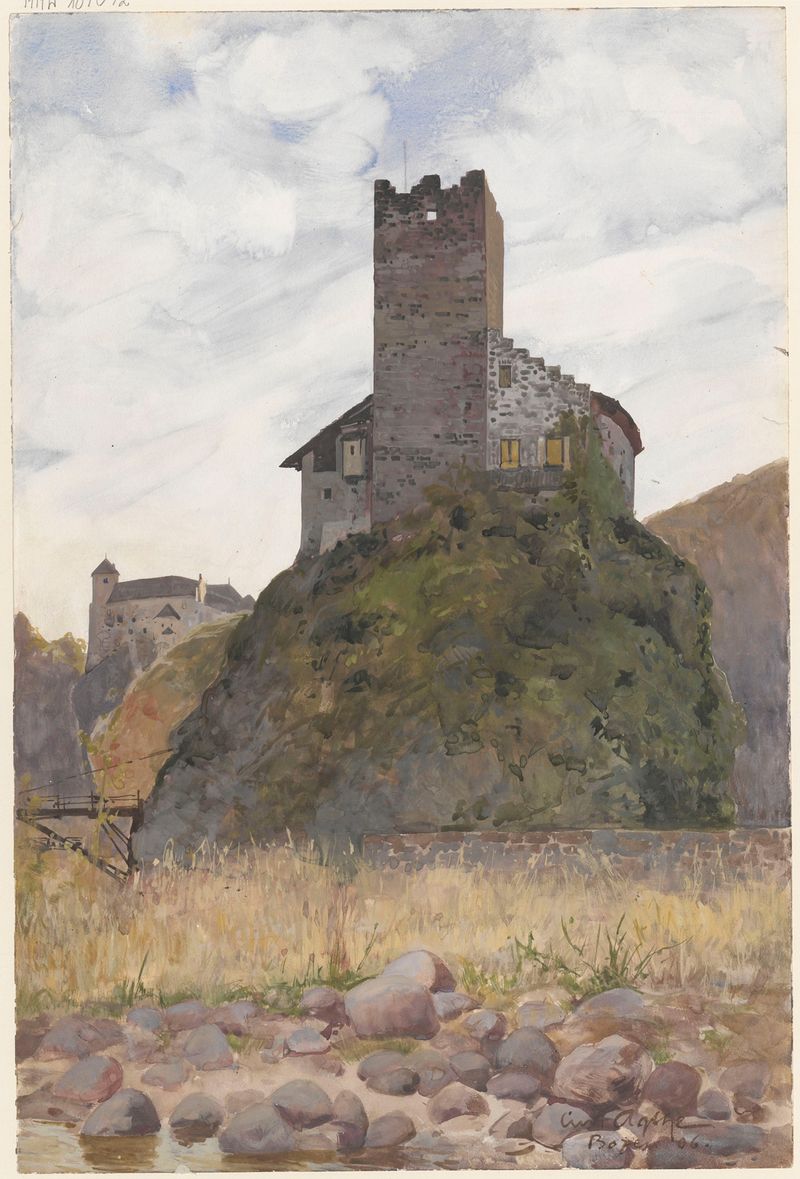
Castel Novale tower and view of Castel Runcolo in Bolzano
Curt Agthe
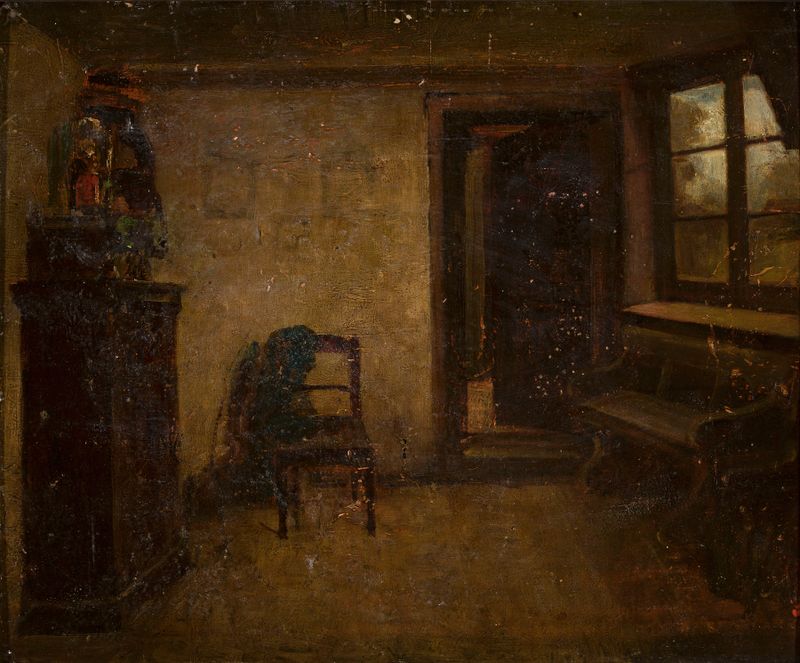
Room interior
Curt Agthe
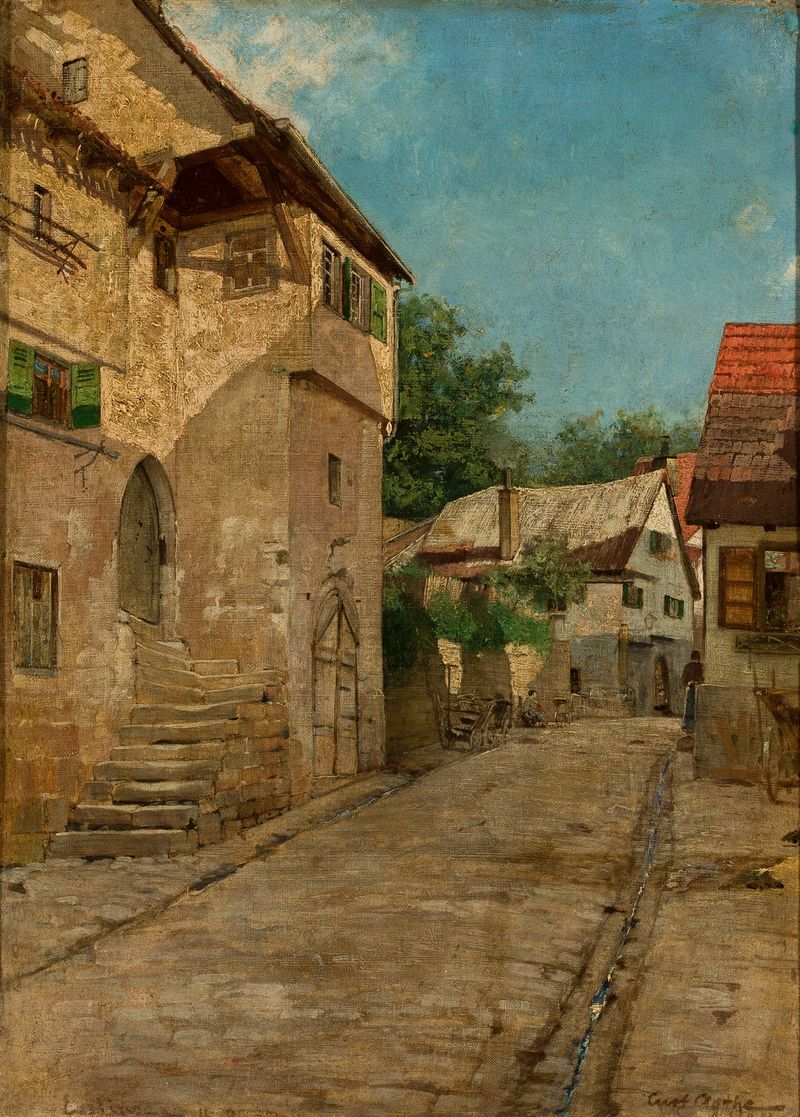
In a town
Curt Agthe
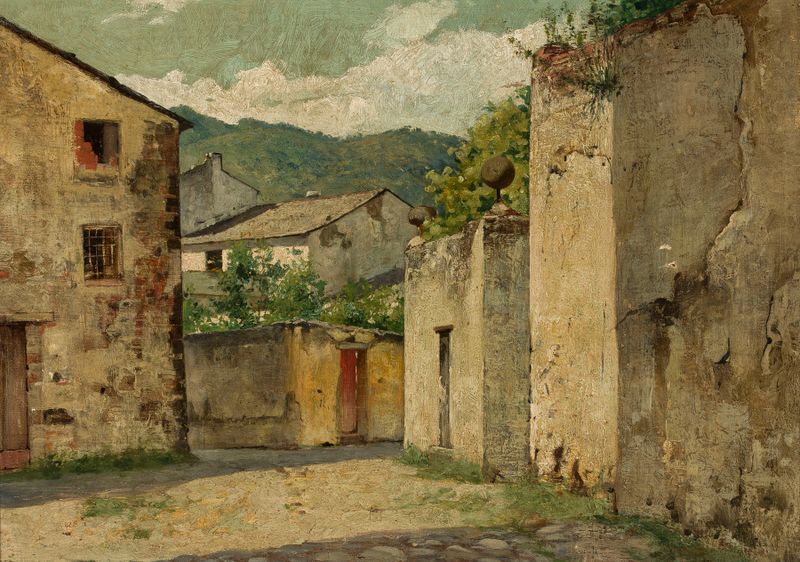
View of the town of Cassa on Riviera di Levante
Curt Agthe
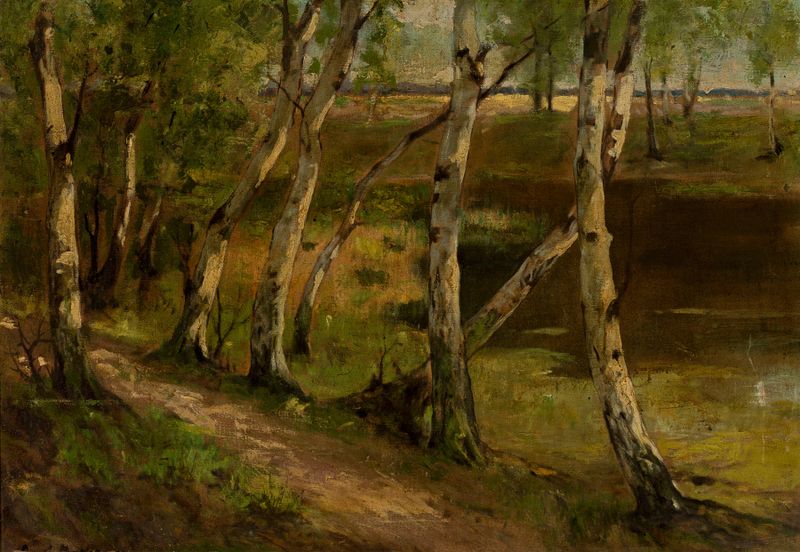
Birches at waterside
Curt Agthe
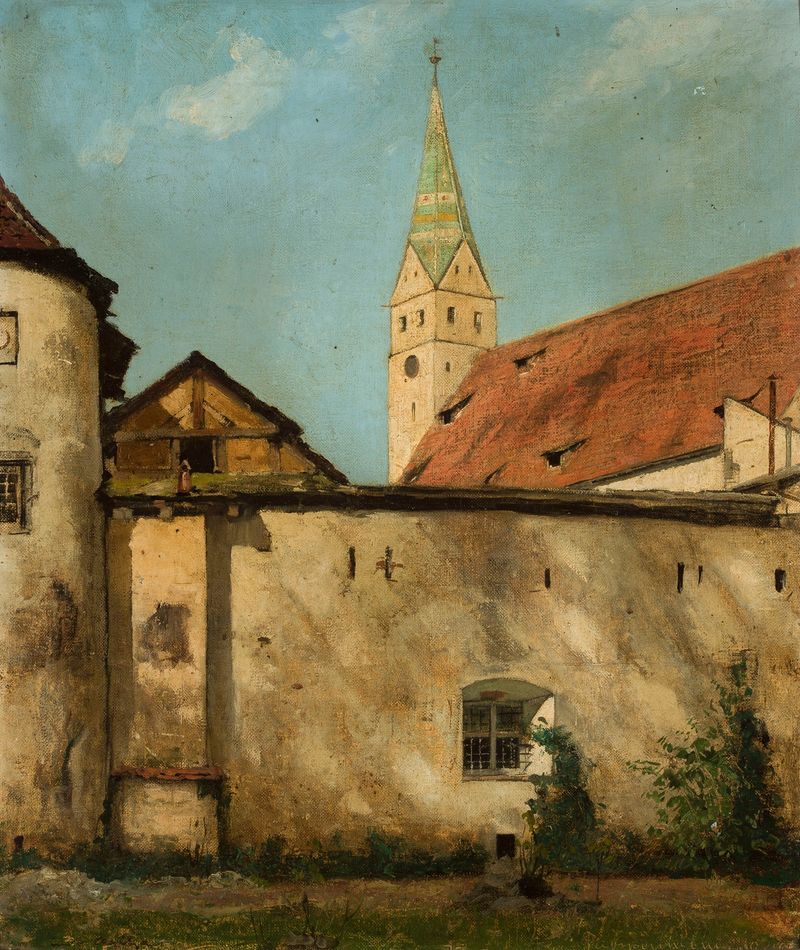
Courtyard of the castle in Pappenheim
Curt Agthe
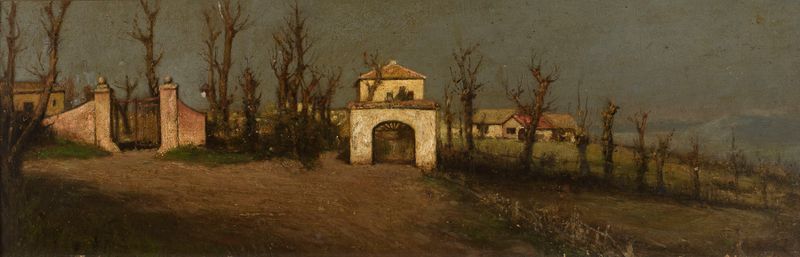
Landscape
Curt Agthe

Landscape with poplars
Curt Agthe

Waterfall
Curt Agthe





