
Gebirgsbach in Cachoeira do Marmello — History & Facts
Where does light end, and longing begin? In the delicate interplay between nature and reflection, a conversation unfurls in Gebirgsbach in Cachoeira do Marmello. Look closely at the shimmering water, where sunlight dances on the surface, suggesting movement and life. Notice how the artist captures the gentle curve of the riverbanks, inviting your gaze deeper into the tranquil scene. The lush greens blend seamlessly with the soft blues and browns, creating a harmonious palette that echoes the serenity of untouched nature.
Every brushstroke reveals Keller's keen observation of light’s ephemeral nature, highlighting not only the physical landscape but also the emotional landscape within the viewer. As you explore the painting, consider the tension between stillness and flow. The reflective water holds the surrounding forest like a secret, suggesting depths beneath its surface. This duality evokes a sense of nostalgia, where the vibrant life of the mountains contrasts with the stillness of the moment, urging you to reflect on your own relationship with nature and the passage of time.
Each element—be it the rushing water or the silent trees—whispers stories of longing and tranquility. Ferdinand Keller painted this piece in 1860 while residing in Germany, a period marked by the Romantic movement's celebration of nature’s sublime beauty. At that time, the art world was shifting toward capturing landscapes that evoke emotion and introspection, a direction that Keller embraced fully. His work reflects both personal and societal aspirations for connection with the natural world amidst the increasing industrialization of 19th-century Europe.
More Artworks by Ferdinand Keller
Browse all →
Markt in Rio
Ferdinand Keller
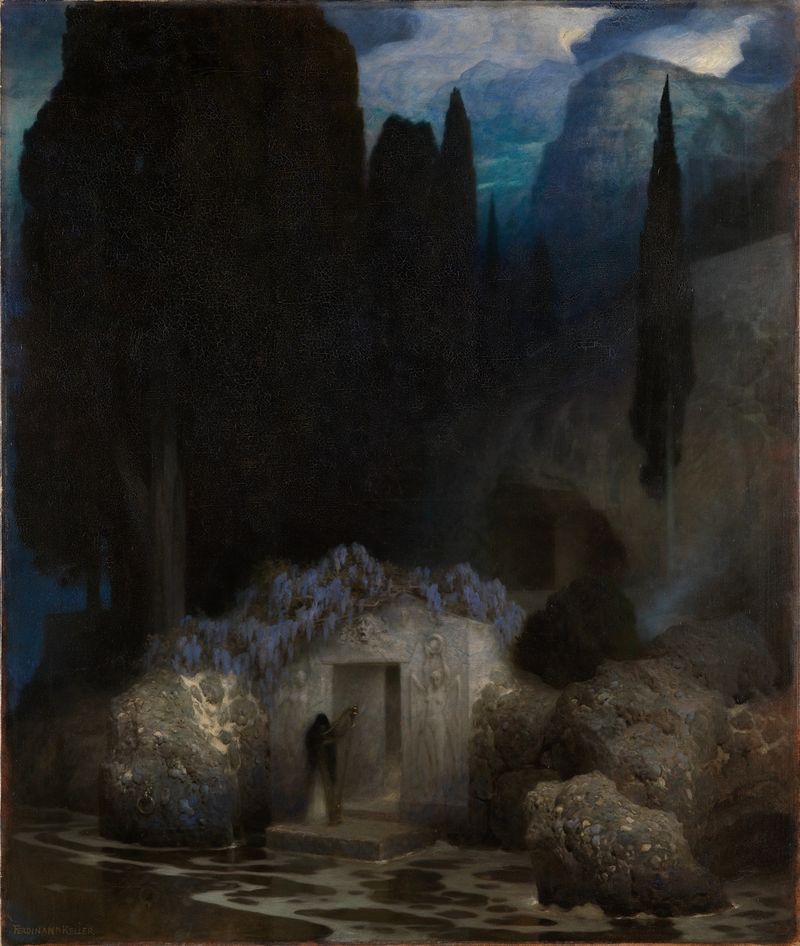
Böcklins Grab
Ferdinand Keller

Reisende in Brasilien
Ferdinand Keller
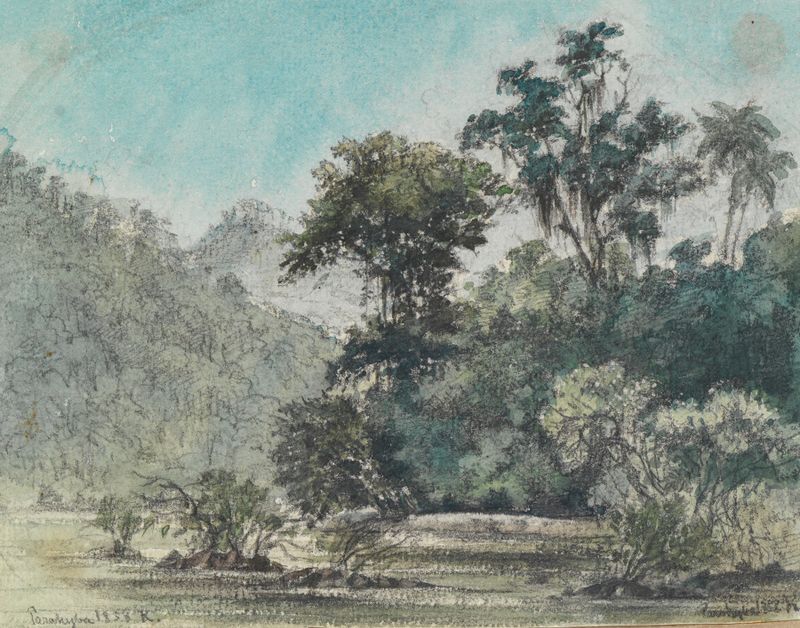
Blick auf das bewaldete Flussufer
Ferdinand Keller

Seestück- Segel und Ruderboote auf bewegtem Meer
Ferdinand Keller
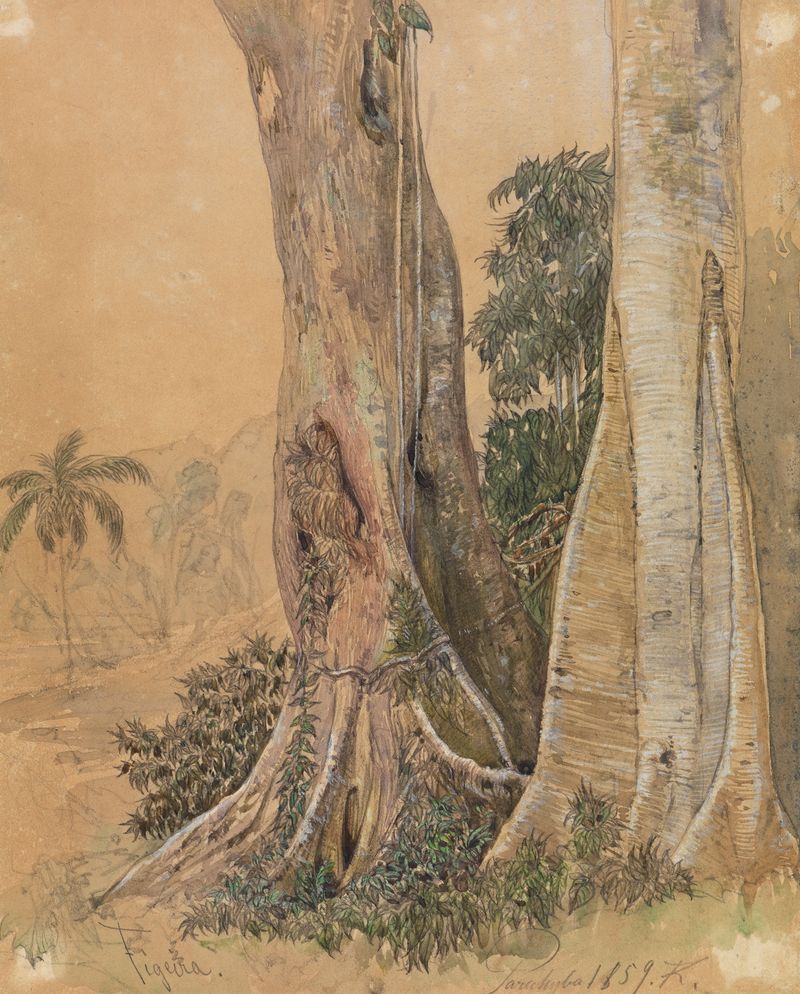
Figeira-Stämme am Ufer des Parahyba
Ferdinand Keller

Flusslauf mit aufragender Felswand
Ferdinand Keller
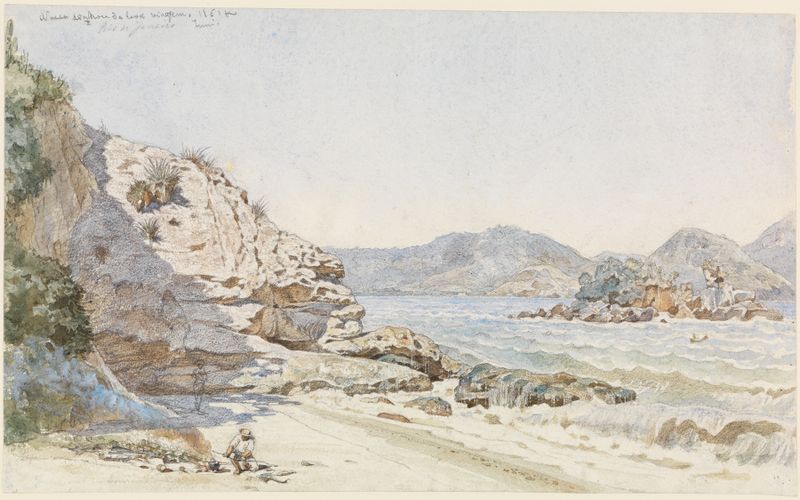
Meeresbucht bei Rio de Janeiro
Ferdinand Keller
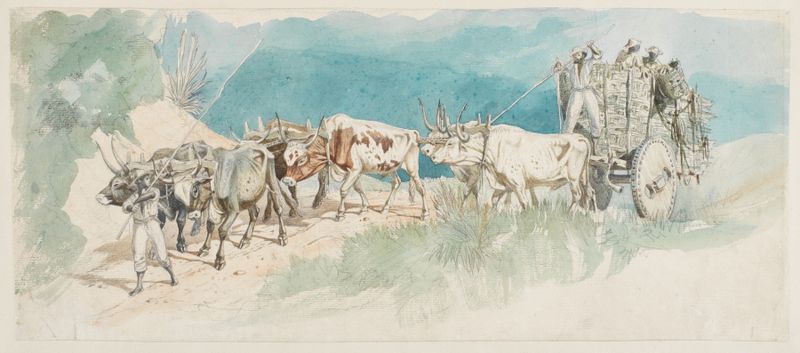
Zweiradgespann, von sechs Büffeln gezogen
Ferdinand Keller
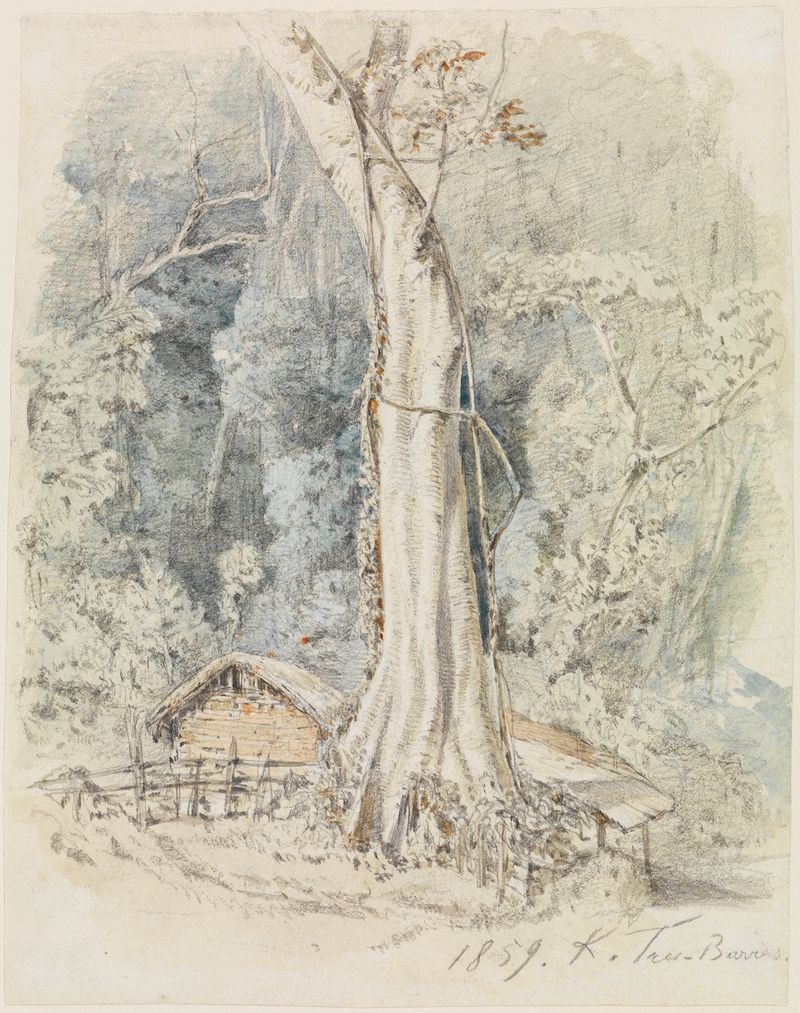
Haus mit Unterstand im Urwald bei Tres-Barras
Ferdinand Keller





