
Gebirgslandschaft — History & Facts
Did the painter know this moment would outlive them? The stillness of the mountains holds a profound sadness, echoing the fleeting nature of existence and the weight of time. Look to the left at the jagged peaks, their sharp lines contrasting with the soft blues and greens of the valley below. The composition draws the eye into a depth that feels both vast and intimate, inviting contemplation. Notice how the light dances across the surfaces — a luminous glow illuminating the slopes, hinting at both hope and heartache.
The palette captures a serene yet somber atmosphere, with muted earth tones that speak of nature's beauty wrapped in a veil of melancholy. As you delve deeper, you’ll find hidden narratives within the textures. The delicate brushstrokes evoke a sense of movement in the clouds, suggesting the passage of time despite their stillness. There is a subtle interplay between light and shadow, revealing the artist's exploration of absence, perhaps reflecting personal loss or the impermanence of life itself.
Each layer of paint tells a story, where the sublime beauty of the landscape becomes a poignant reminder of human fragility. Schiess created this work during a period when the world was grappling with the aftermath of conflicts and transitions. His artistic journey unfolded around the early 20th century, a time marked by both innovation and introspection in the art world. The mountains may serve as an eternal backdrop, but they are also a testament to an artist's desire to capture fleeting moments of beauty amidst an ever-changing reality.
More Artworks by Ernst Schiess
Browse all →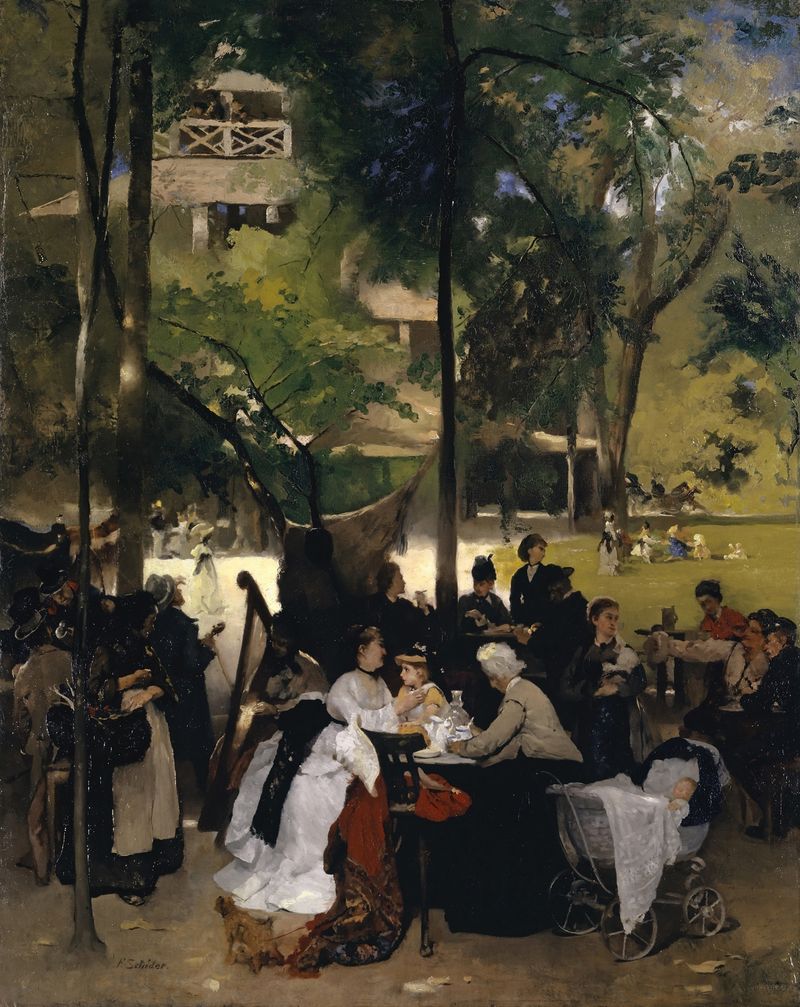
The Chinese Tower in the English Garden in Munich
Ernst Schiess

Evening Walk Above a Southern Lake
Ernst Schiess
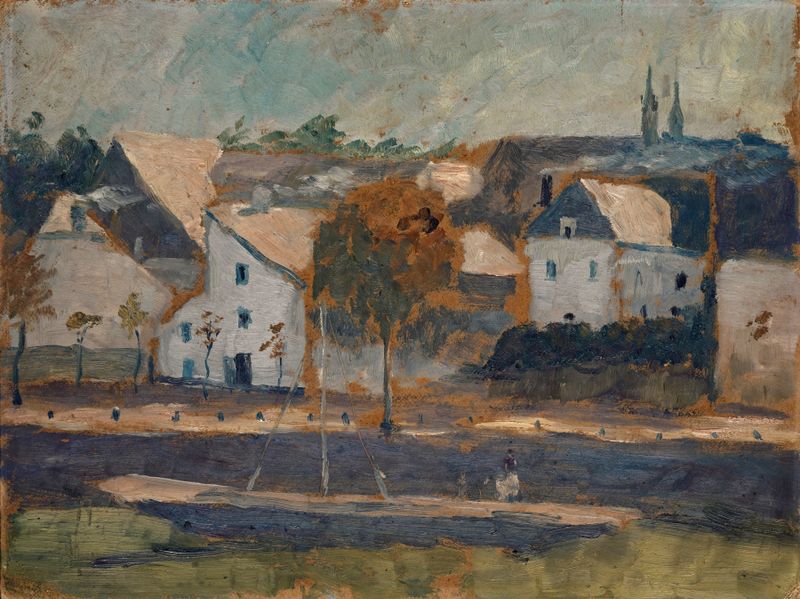
Kleine Stadt an Kanal
Ernst Schiess
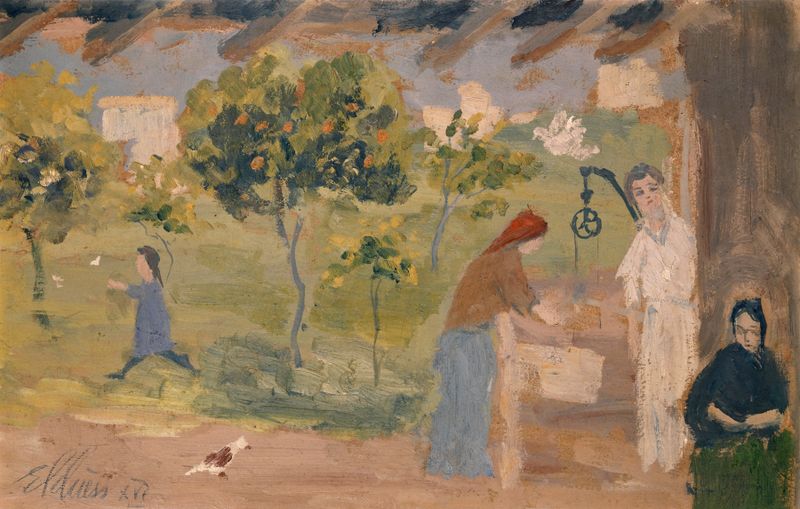
At the Fountain
Ernst Schiess

At the Harbour of Palma de Mallorca
Ernst Schiess
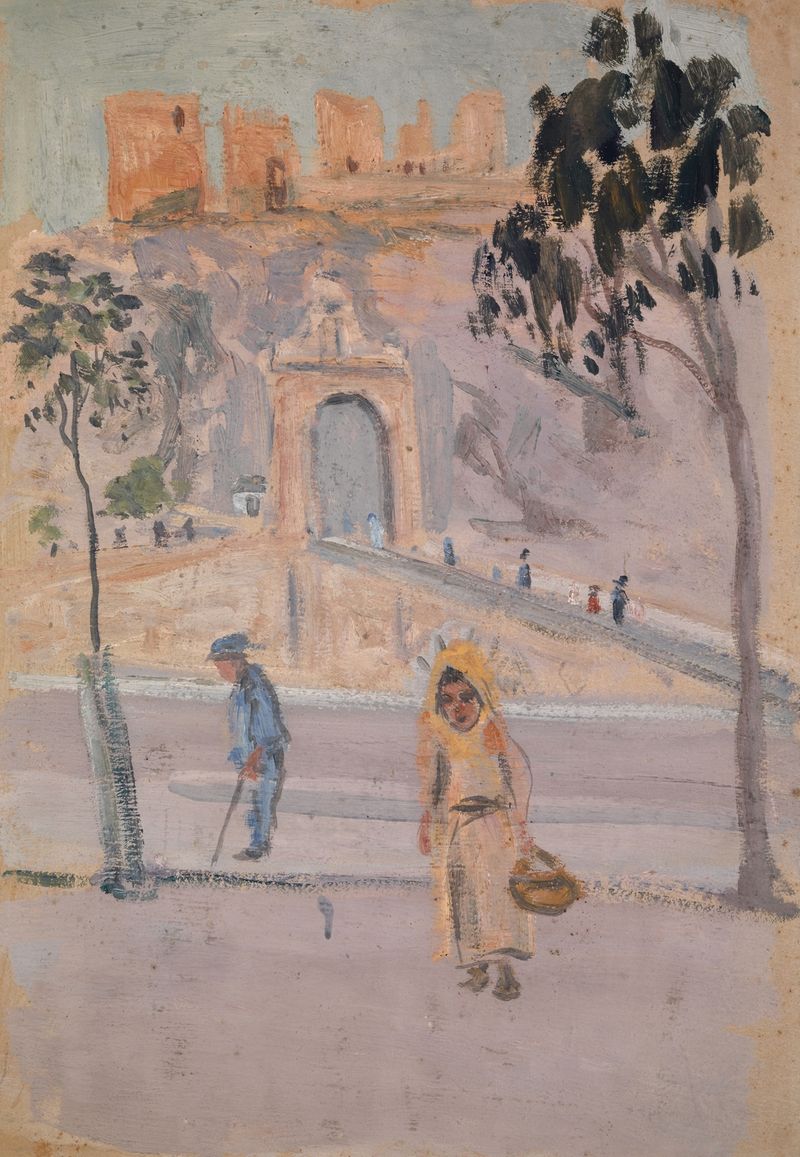
Alcantarabridge and Castillo de San Servando at Toledo
Ernst Schiess
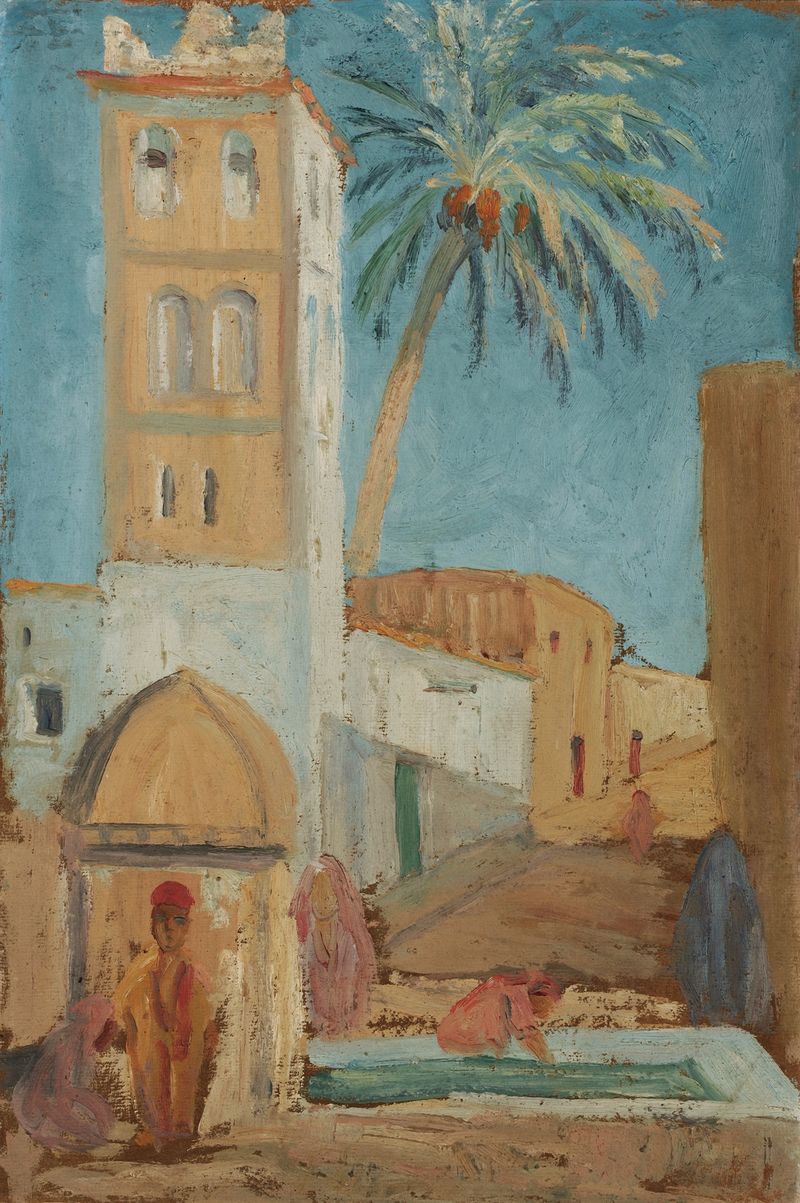
Scene at a Fountain in a Moroccan Place
Ernst Schiess
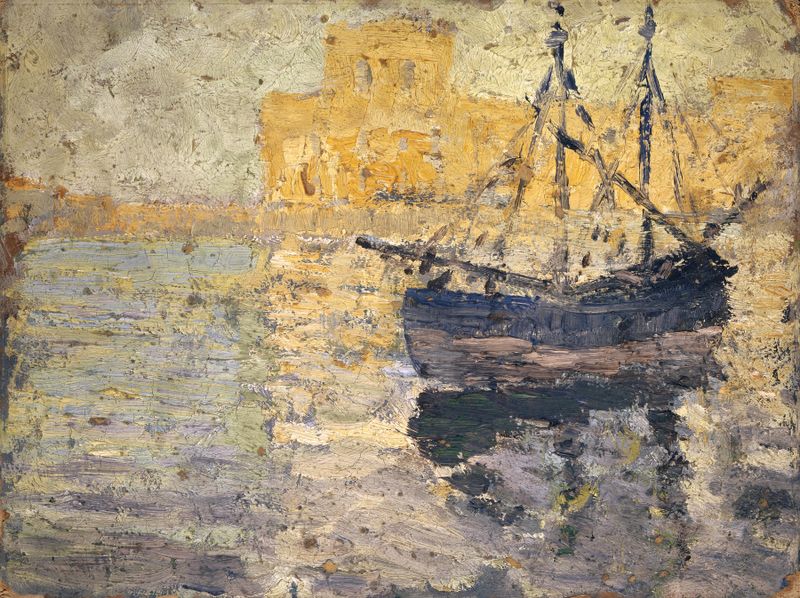
Harbour with Sailing Boat
Ernst Schiess
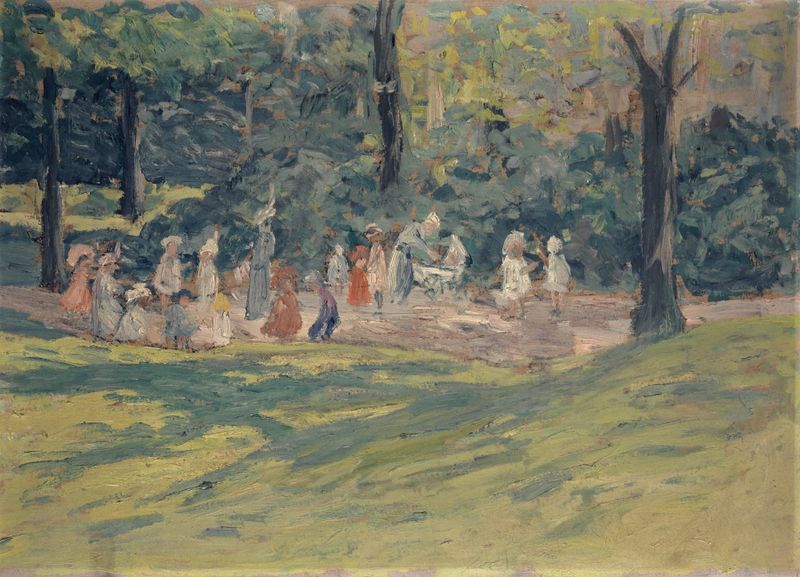
Children Playing in a Public Park
Ernst Schiess

Mohammedanischer Friedhof
Ernst Schiess





