Geborstener Ast — History & Facts
In its stillness, it captures the ephemeral nature of life, whispering of both beauty and decay. Look closely at the center of the canvas, where a gnarled, broken branch rests against a delicate backdrop of soft, muted tones. The rich browns and earthy greens invite the viewer to investigate further, drawing the eye to the intricate textures of the bark and the quiet despair of the splintered wood. Notice how light filters through the leaves, casting an ethereal glow that seems to flirt with life even as it hovers over death. Amidst the stillness, there lies a poignant tension between fragility and resilience.
The branch, once full of vigor, now stands as a testament to nature's cycles — a reminder of mortality lurking beneath the surface of existence. The surrounding foliage, lush yet distant, enhances this contrast, suggesting life continues even as something has been lost. Each detail carries weight, evoking a sense of reflection on the passage of time and the scars it leaves behind. Ferdinand Keller created this work in 1858, a time when Romanticism was giving way to a more introspective exploration of nature and existence.
Living in Germany during a period marked by rapid industrial change, the artist found solace in the natural world, often depicting it with a thoughtful eye. In Geborstener Ast, he conveys both the beauty and the inevitability of decay, echoing the sentiments of an era grappling with the complexities of life and death.
More Artworks by Ferdinand Keller
Browse all →
Markt in Rio
Ferdinand Keller
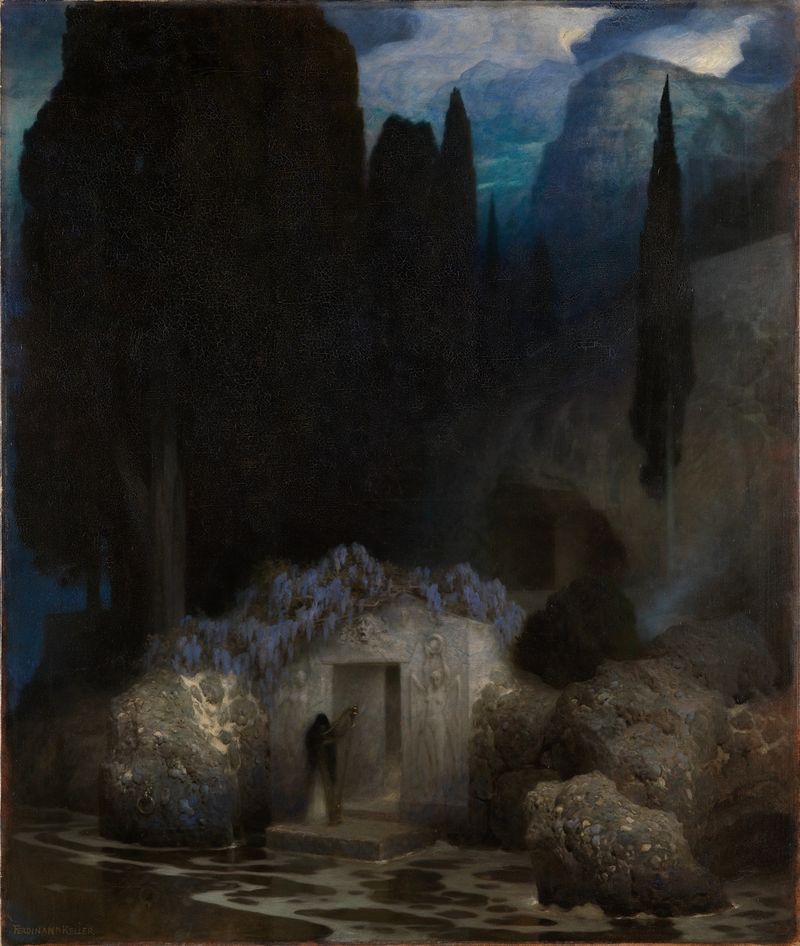
Böcklins Grab
Ferdinand Keller

Reisende in Brasilien
Ferdinand Keller
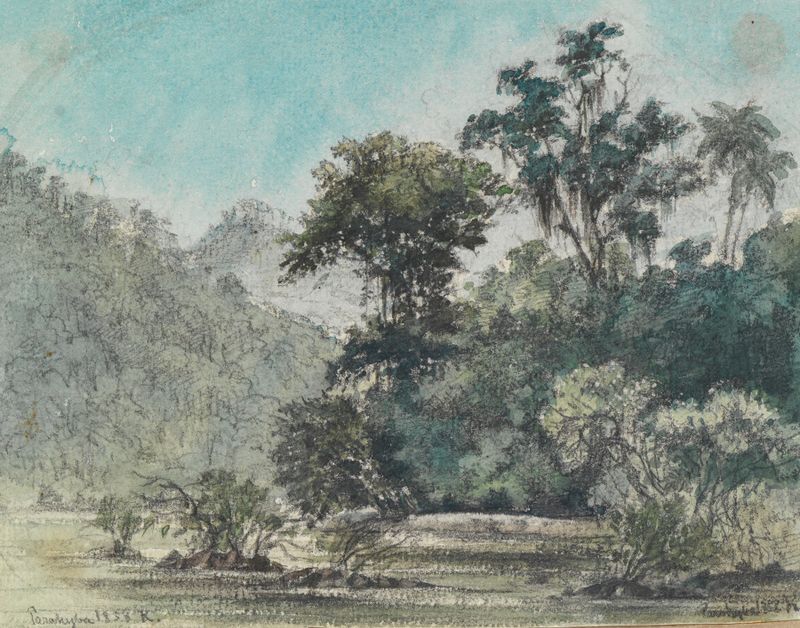
Blick auf das bewaldete Flussufer
Ferdinand Keller

Seestück- Segel und Ruderboote auf bewegtem Meer
Ferdinand Keller
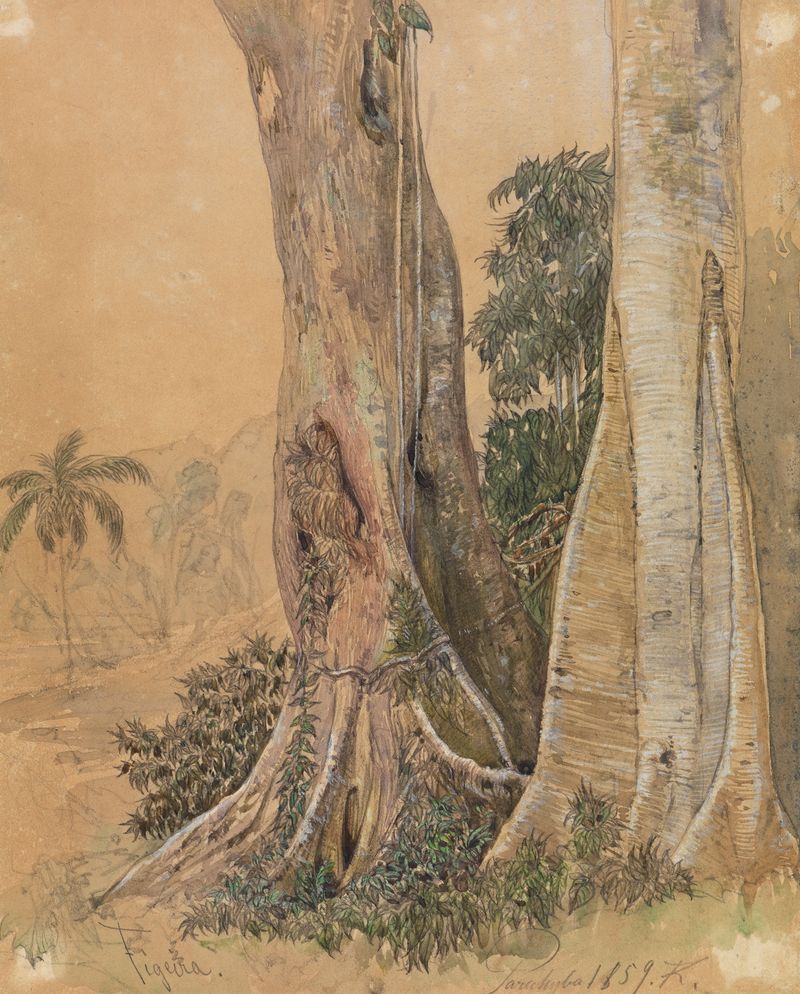
Figeira-Stämme am Ufer des Parahyba
Ferdinand Keller

Flusslauf mit aufragender Felswand
Ferdinand Keller
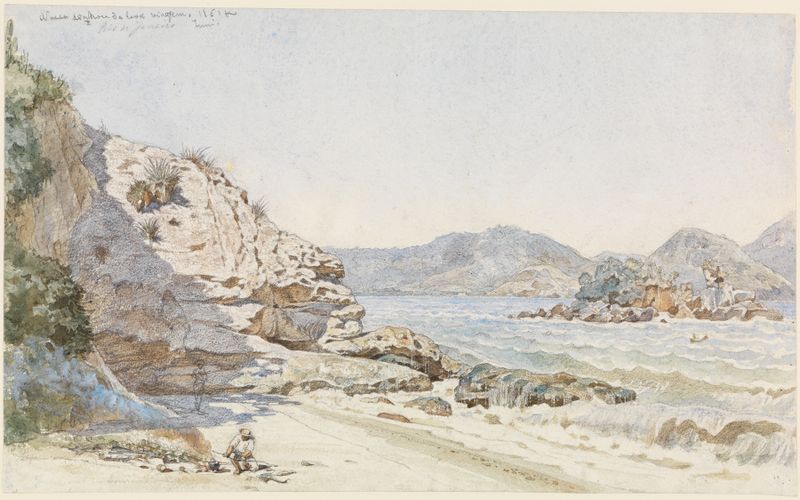
Meeresbucht bei Rio de Janeiro
Ferdinand Keller
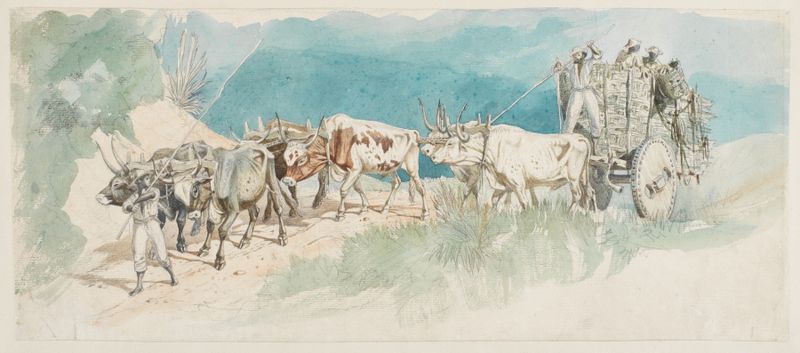
Zweiradgespann, von sechs Büffeln gezogen
Ferdinand Keller
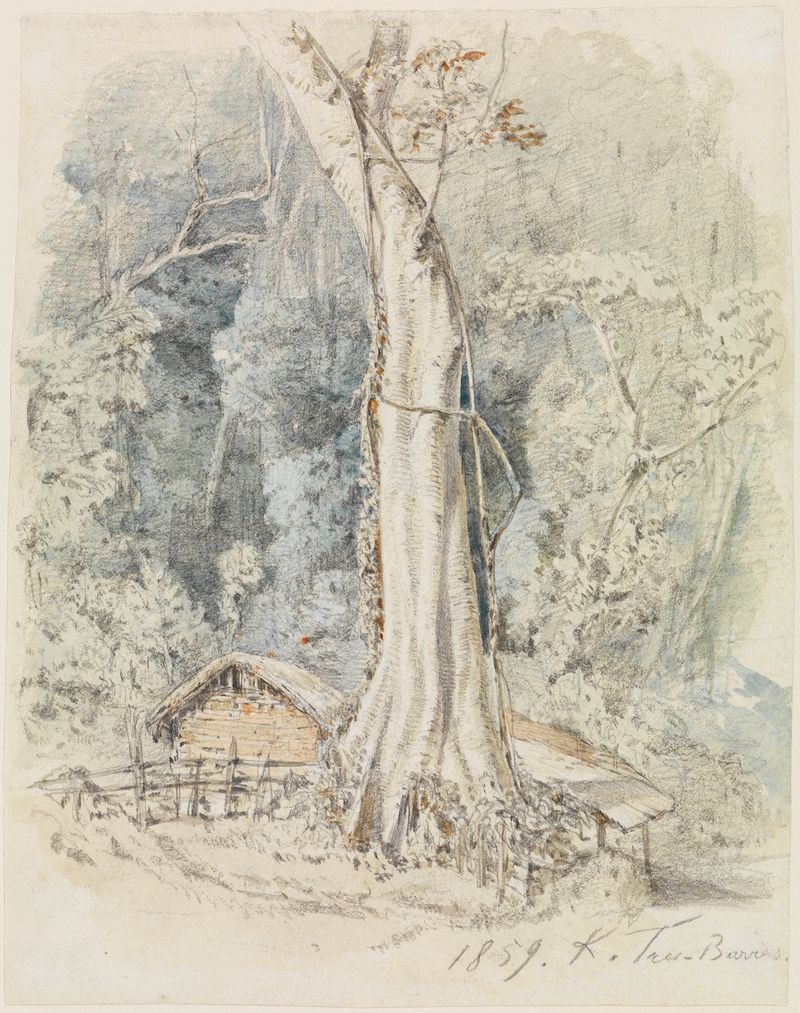
Haus mit Unterstand im Urwald bei Tres-Barras
Ferdinand Keller