
Gehaltserhöhung und Ferienverlängerung – Arbeitslosigkeit und Krisis – Beamtengesetz: Nein — History & Facts
A coiled, almost monstrous bureaucratic figure pours gold into the arms of a stylish woman, while, below, a silent crowd drifts past a shuttered factory, watched over by gaunt, slumped men on a bench. The split composition of Otto Plattner’s Gehaltserhöhung und Ferienverlängerung – Arbeitslosigkeit und Krisis – Beamtengesetz: Nein draws the viewer into a world of sharp contrasts: privilege and want, warmth and cold, promise and despair. The upper scene glows with ochre and red, its figures cartoon-bright, almost theatrical; the lower half is all grey, the trees bare, the factory windows blank, the faces hollowed by worry.
The sweep of the diagonal divides not just space, but fate itself—above, the rewards of the system; below, the cost. Created in 1927, this work belongs unmistakably to the charged atmosphere of Weimar Germany, when posters and prints became weapons in fierce political struggles. In these years, artists like Plattner were called upon to make the stakes of parliamentary debates vivid to ordinary people, using satire, exaggeration, and direct visual storytelling. The bold caption—BEAMTENGESETZ: NEIN—anchors the work in the era’s battles over civil service laws and social policy, when economic crisis and mass unemployment haunted the streets.
History has kept few traces of Plattner’s individual career, but the urgency of this poster’s message and its place in a self-scanned collection speak to the power of images to shape memory and action. The longer you look, the more the faces below the factory windows seem to ask: whose side of the line are you on?
More Artworks by Otto Plattner
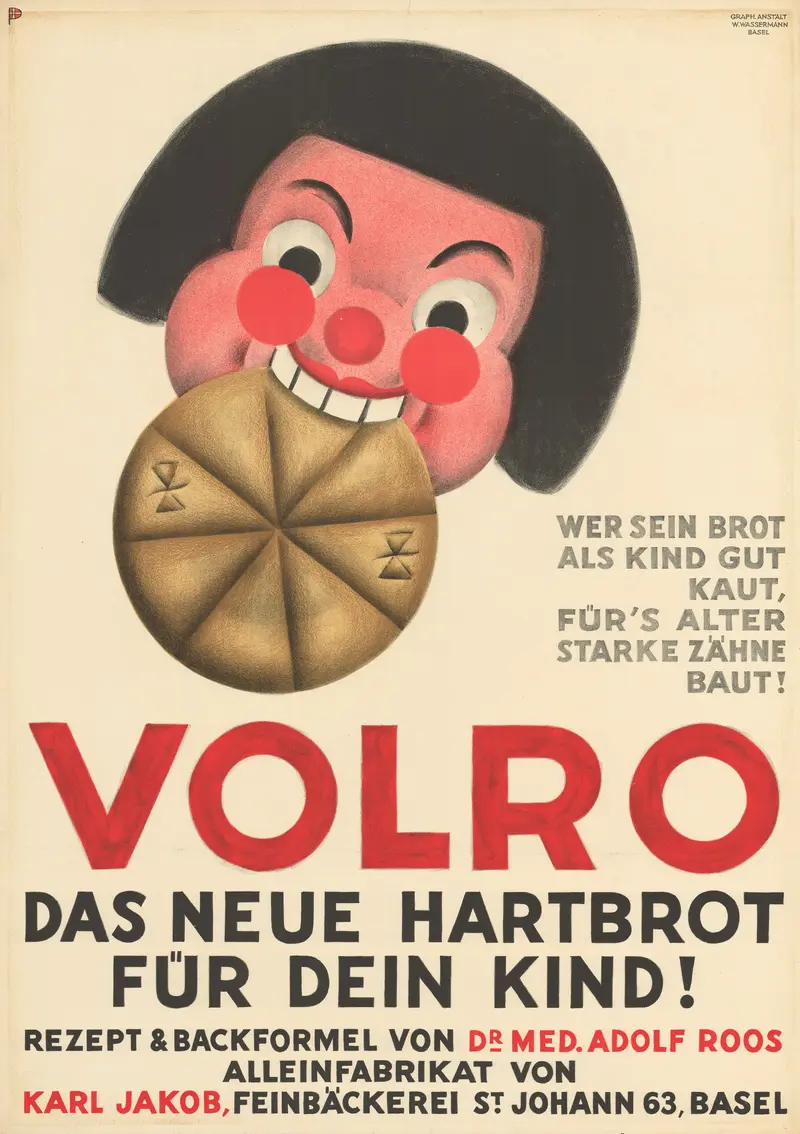
Volro – Das neue Hartbrot für dein Kind
Otto Plattner
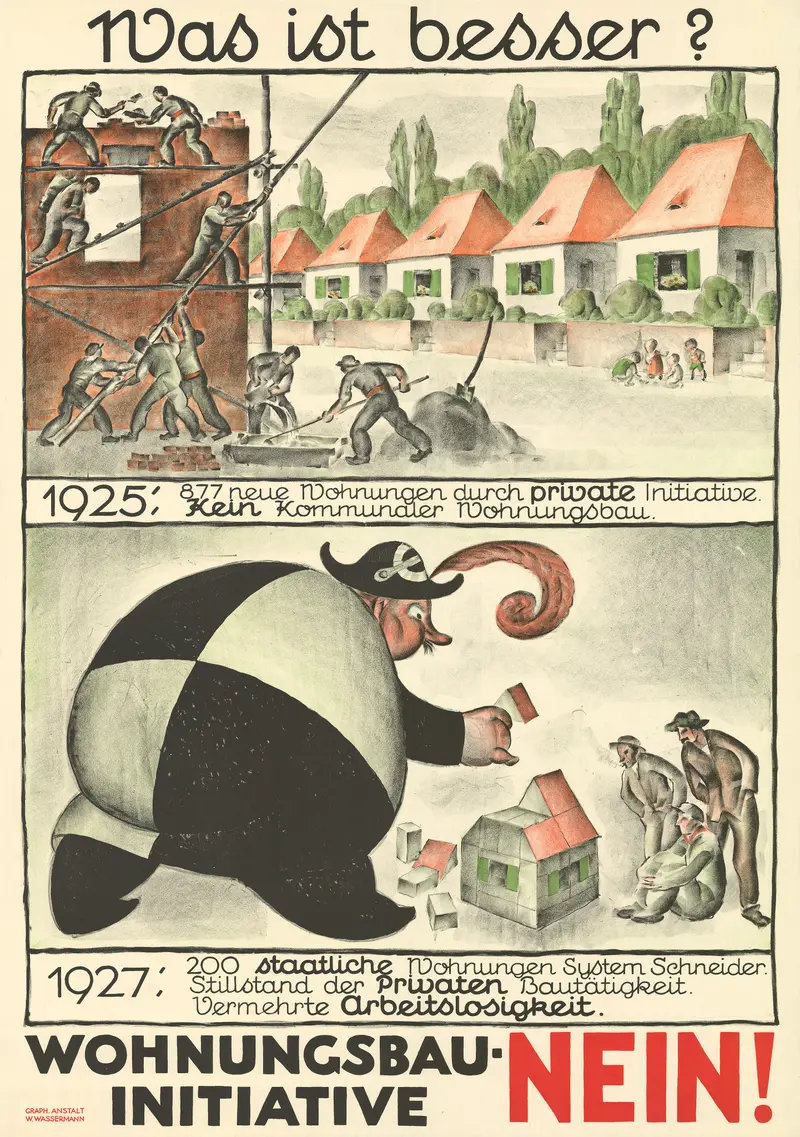
Was ist besser? – Wohnungsbau-Initiative Nein!
Otto Plattner
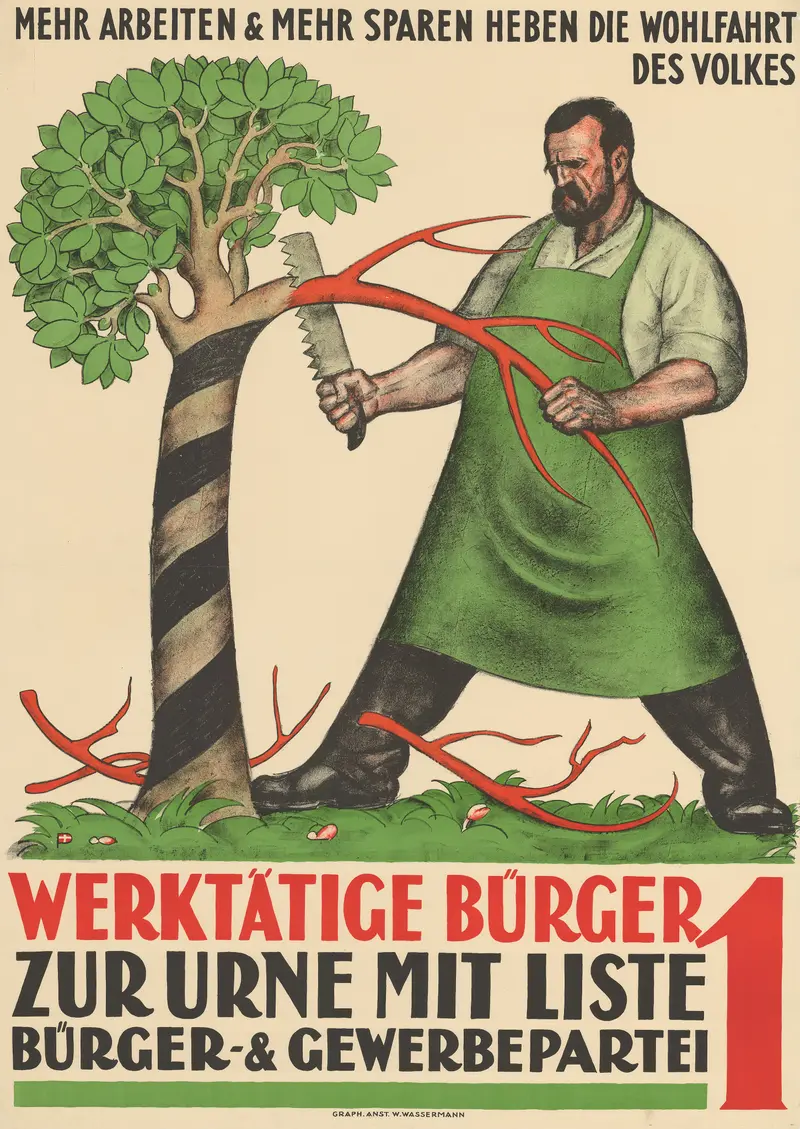
Werktätige Bürger – Zur Urne mit Liste 1 – Bürger- & Gewerbepartei
Otto Plattner
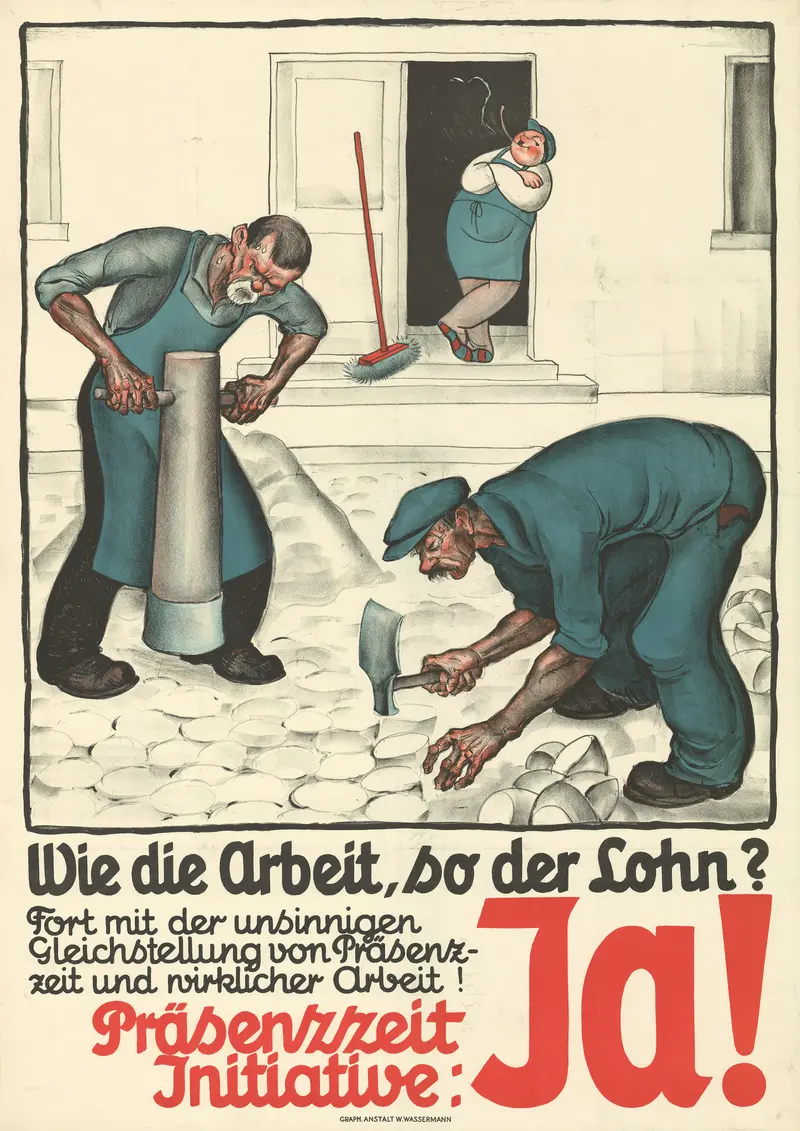
Wie die Arbeit, so der Lohn? Präsenzzeit-Initiative: Ja!
Otto Plattner

Zu den eigenen Lasten soll die Stadt auch noch die der Vororte tragen? – Wiedervereinigung Nein
Otto Plattner
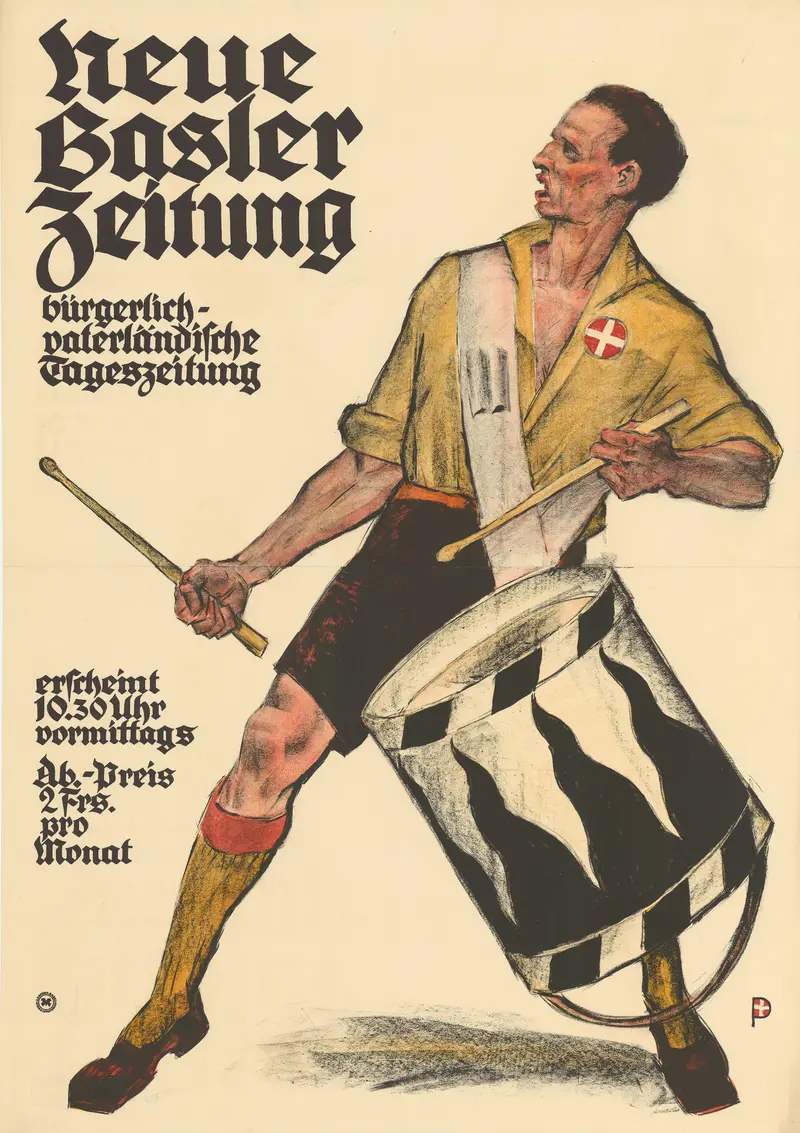
Neue Basler Zeitung
Otto Plattner
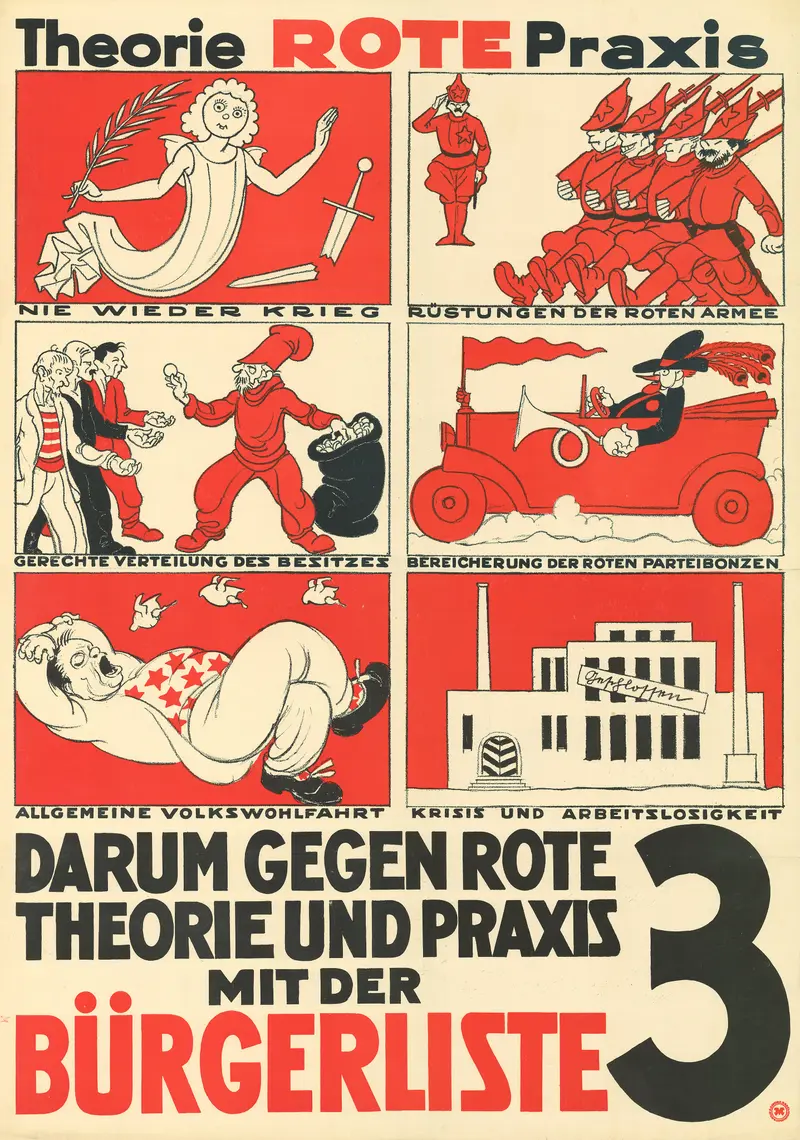
Gegen rote Theorie und Praxis – Bürgerliste 3
Otto Plattner
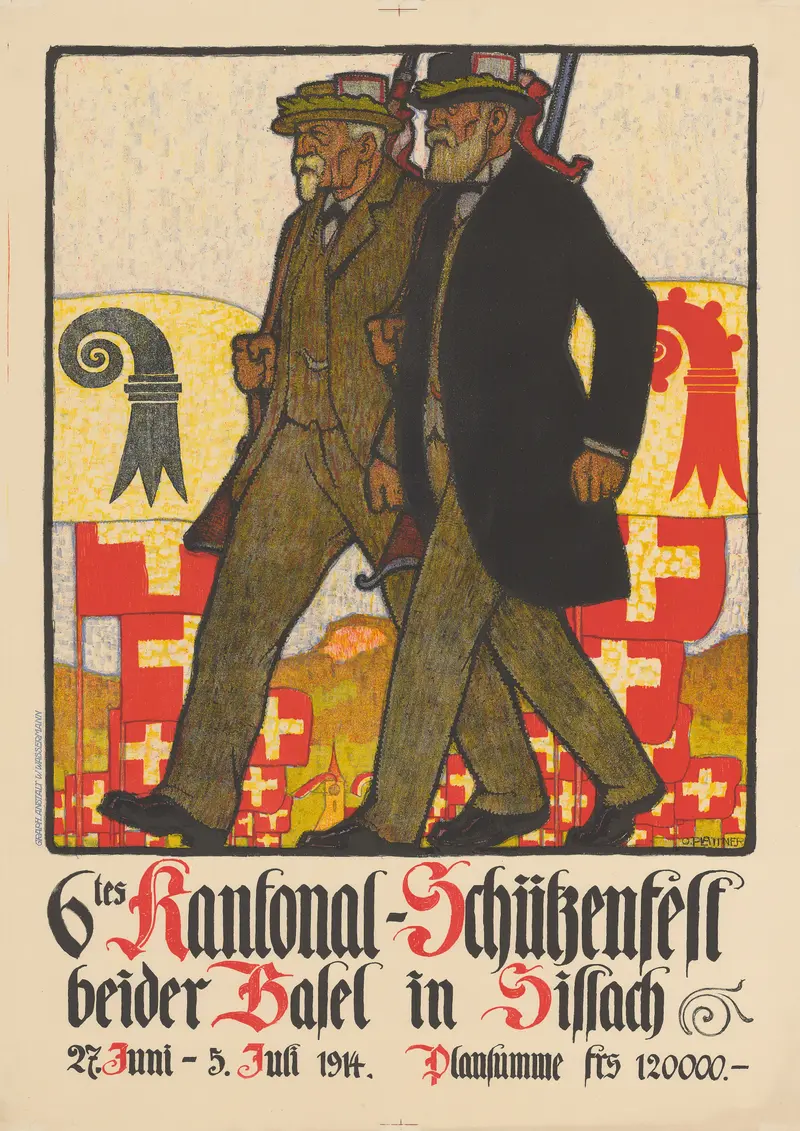
6tes Kantonal-Schützenfest beider Basel in Sissach
Otto Plattner
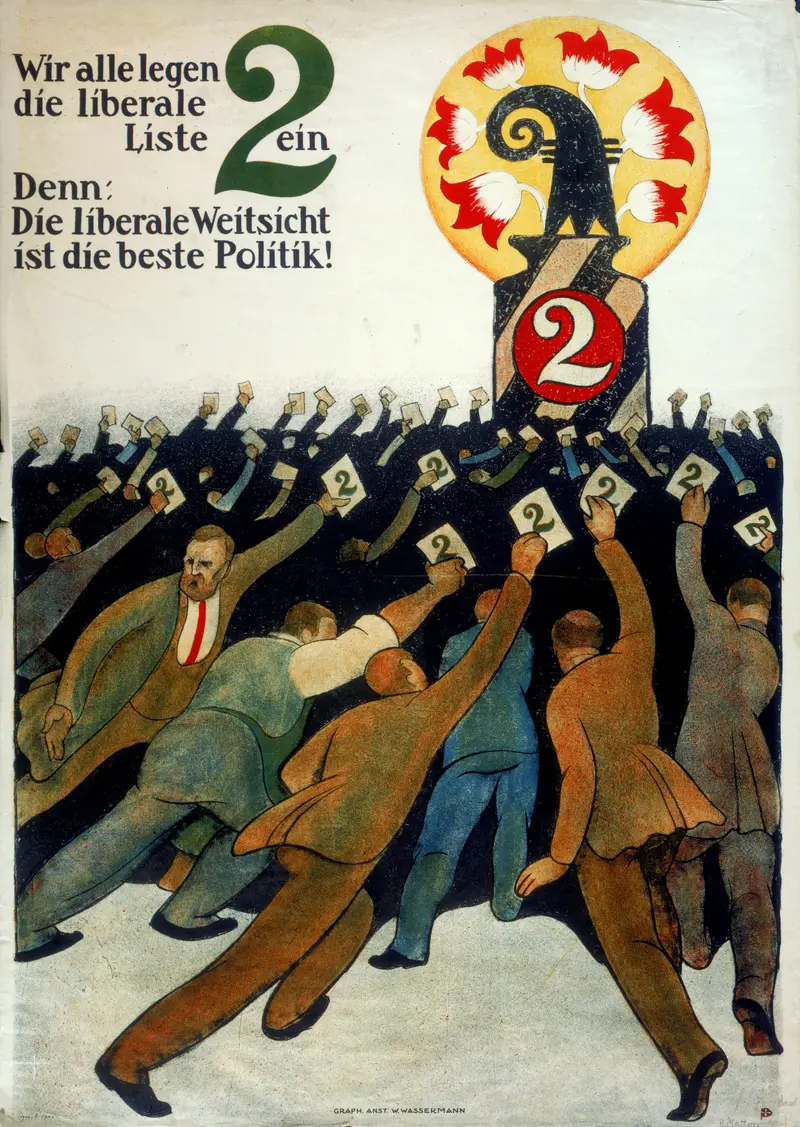
CH-NB Poster Collection SNL POL 370
Otto Plattner
Das schönste Geschenk – 10% Steuerabbau – Ja
Otto Plattner





