
Wie die Arbeit, so der Lohn? Präsenzzeit-Initiative: Ja! — History & Facts
What first catches the eye in Otto Plattner’s Wie die Arbeit, so der Lohn? Präsenzzeit-Initiative: Ja! is the sheer physicality of labor—bodies bent, muscles taut, faces set in grim determination. The two men at the center are rendered with exaggerated, almost caricatured intensity, their tools extensions of their straining arms as they pound and hew at the stones underfoot. The palette is limited but forceful, with the workers’ blue overalls standing out against the pale ground, while a woman in the background, arms crossed and cigarette dangling, looks on with a mix of detachment and judgment.
Every detail is chosen for contrast: the upright broom, the rigid postures, the heavy shadows beneath the men’s feet. This is not a scene of harmony, but of tension—between labor and idleness, sweat and supervision, effort and reward. Created in 1929, this work emerges from a world roiled by debates over the value of work and the politics of pay. The late 1920s in Europe were marked by economic uncertainty, labor unrest, and the rise of political movements seeking to reshape the workplace.
Posters like this, often commissioned by unions or political groups, aimed to sway public opinion with bold imagery and direct slogans. The text rails against the “senseless equation of presence time and real work,” echoing contemporary disputes over what constitutes fair compensation. Little is recorded about Plattner himself or the specific journey of this poster, but its message is unmistakably a product of its moment—urging viewers to look hard at who works, who watches, and who decides what labor is worth.
The questions it raises still echo in the faces and gestures of those it depicts.
More Artworks by Otto Plattner
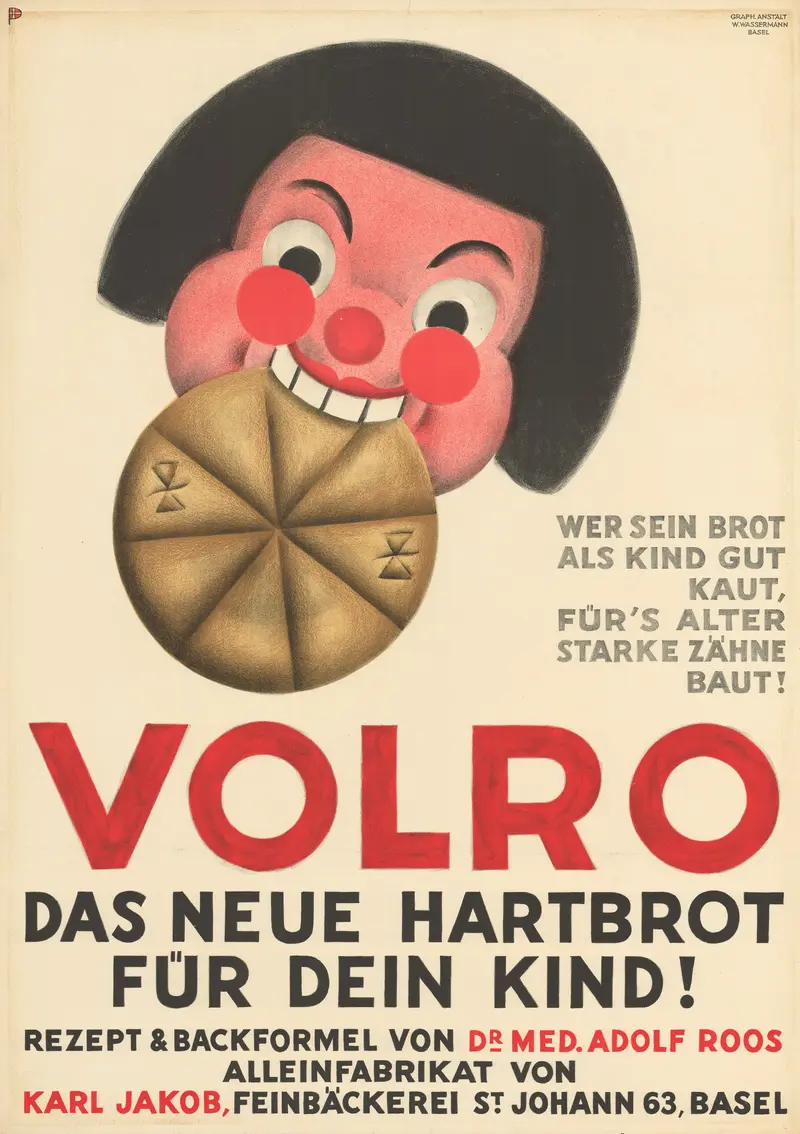
Volro – Das neue Hartbrot für dein Kind
Otto Plattner
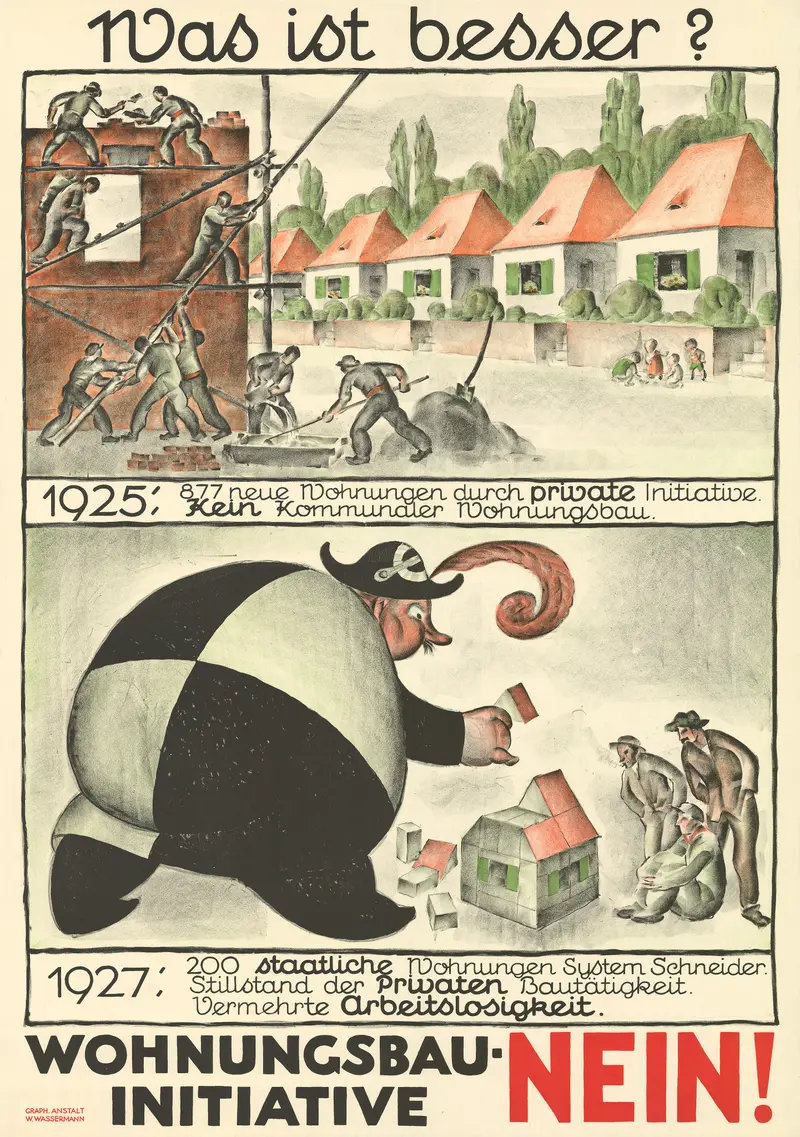
Was ist besser? – Wohnungsbau-Initiative Nein!
Otto Plattner
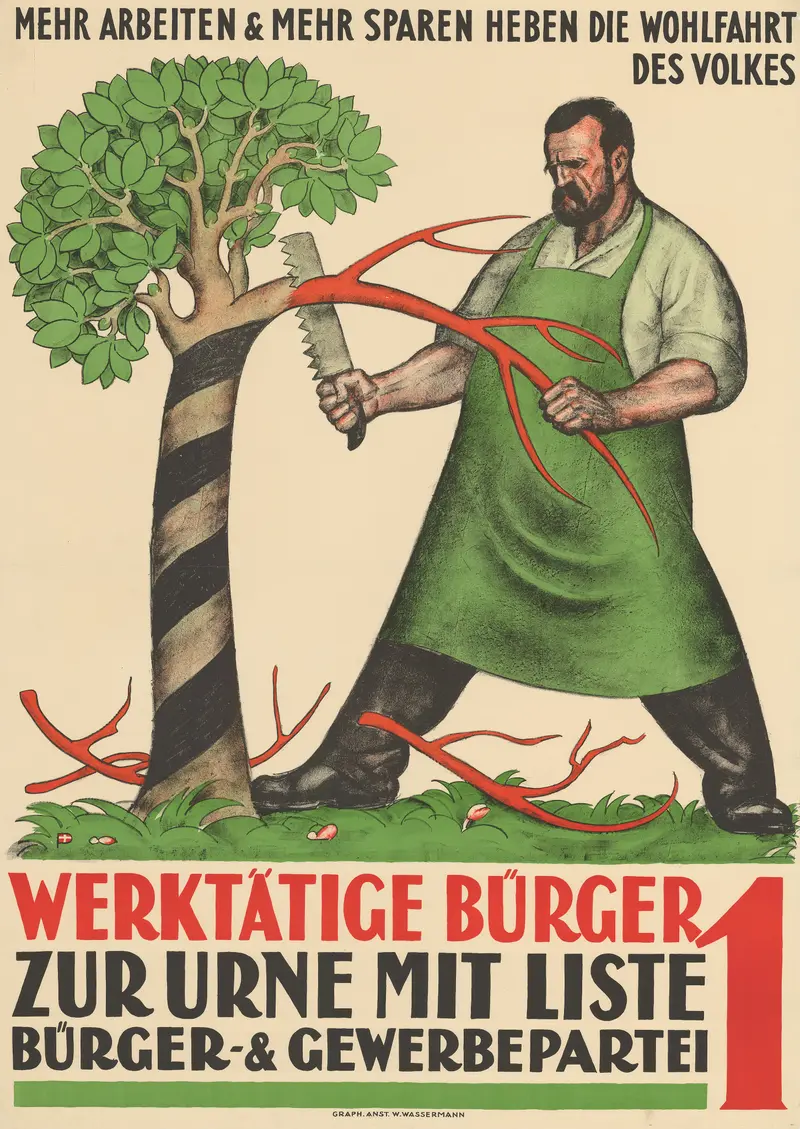
Werktätige Bürger – Zur Urne mit Liste 1 – Bürger- & Gewerbepartei
Otto Plattner

Zu den eigenen Lasten soll die Stadt auch noch die der Vororte tragen? – Wiedervereinigung Nein
Otto Plattner
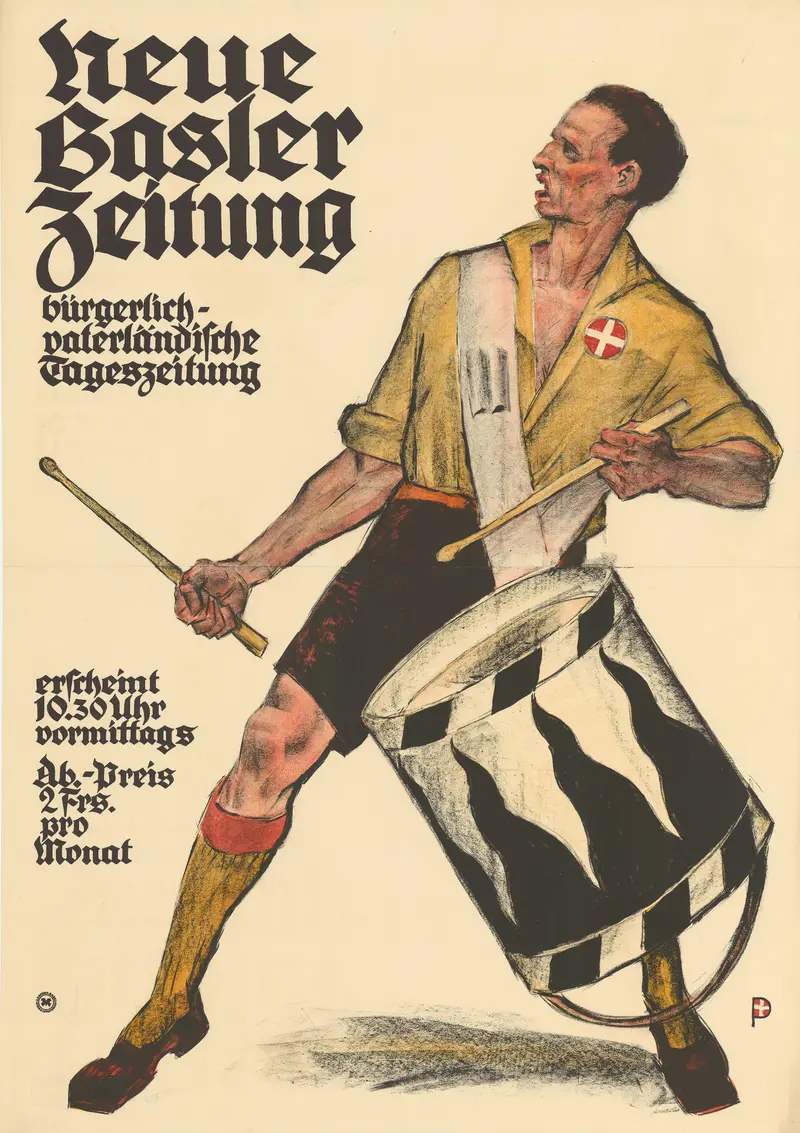
Neue Basler Zeitung
Otto Plattner
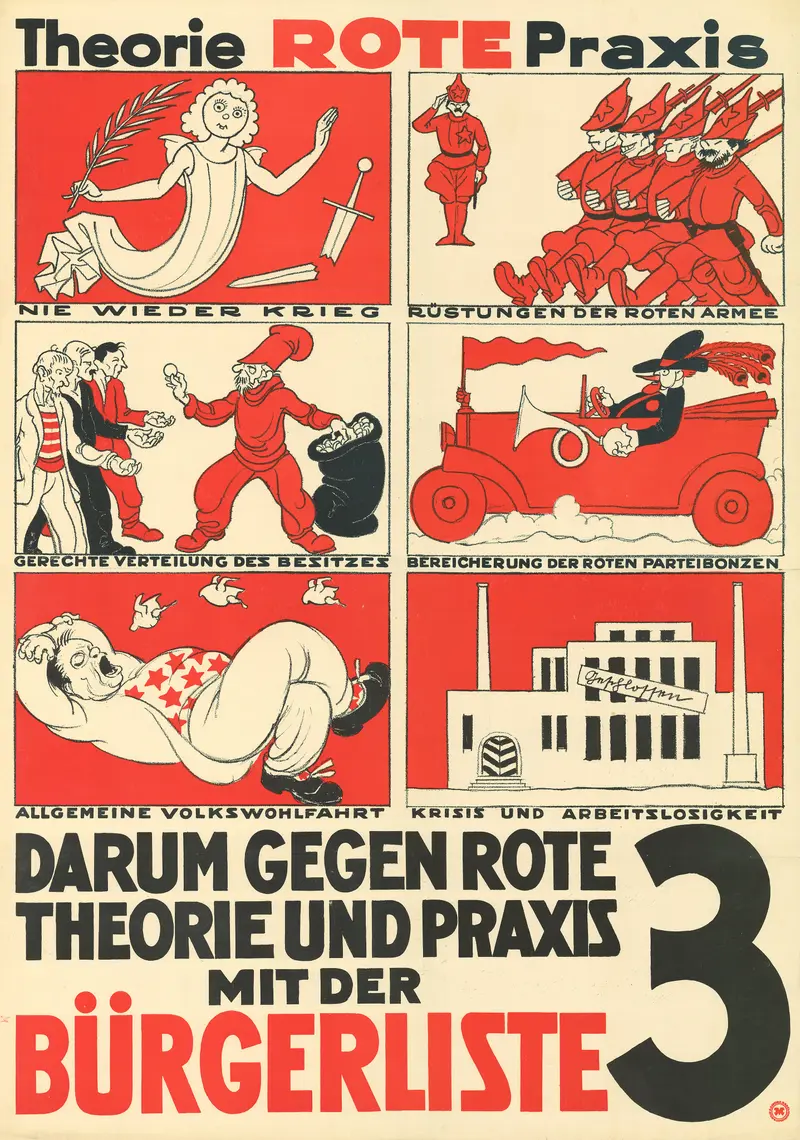
Gegen rote Theorie und Praxis – Bürgerliste 3
Otto Plattner
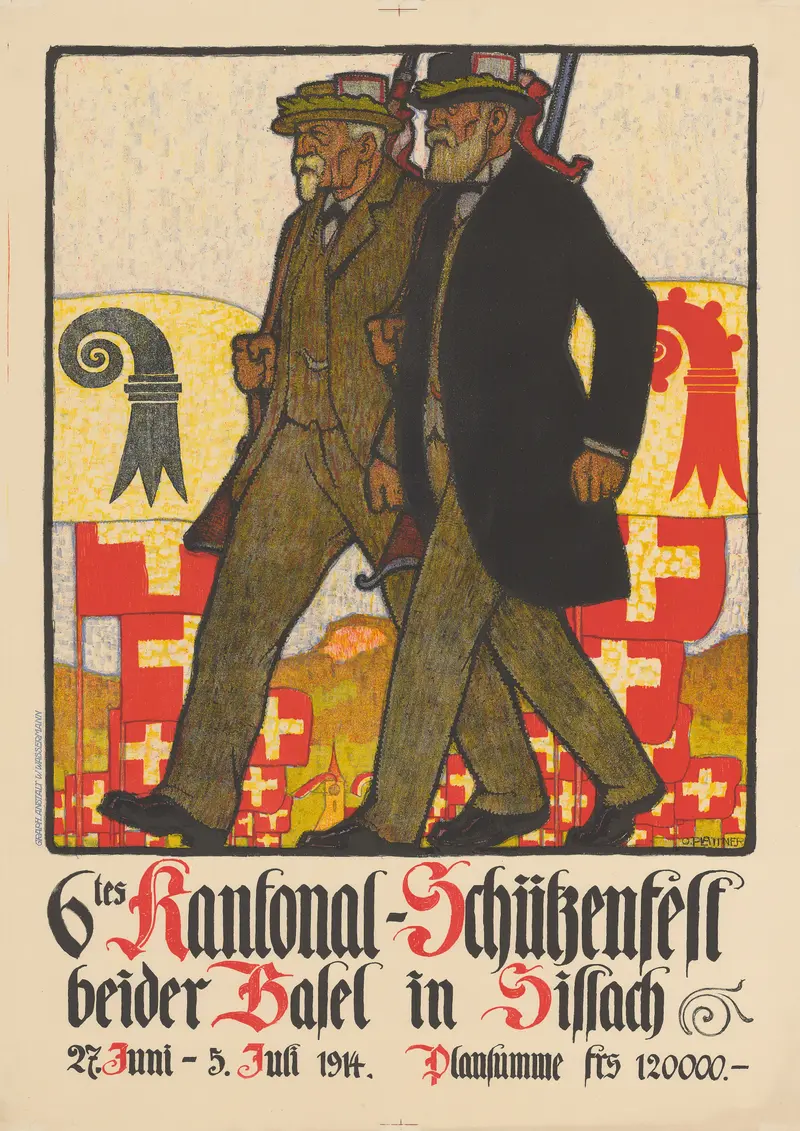
6tes Kantonal-Schützenfest beider Basel in Sissach
Otto Plattner
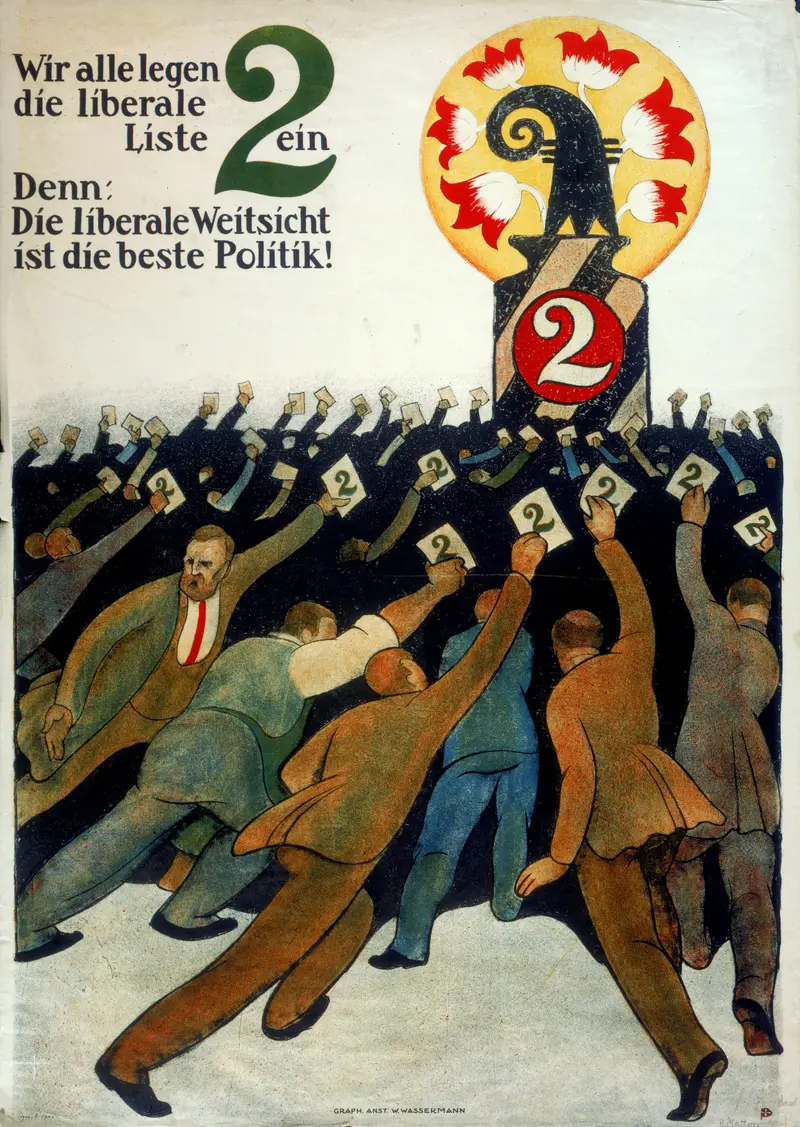
CH-NB Poster Collection SNL POL 370
Otto Plattner
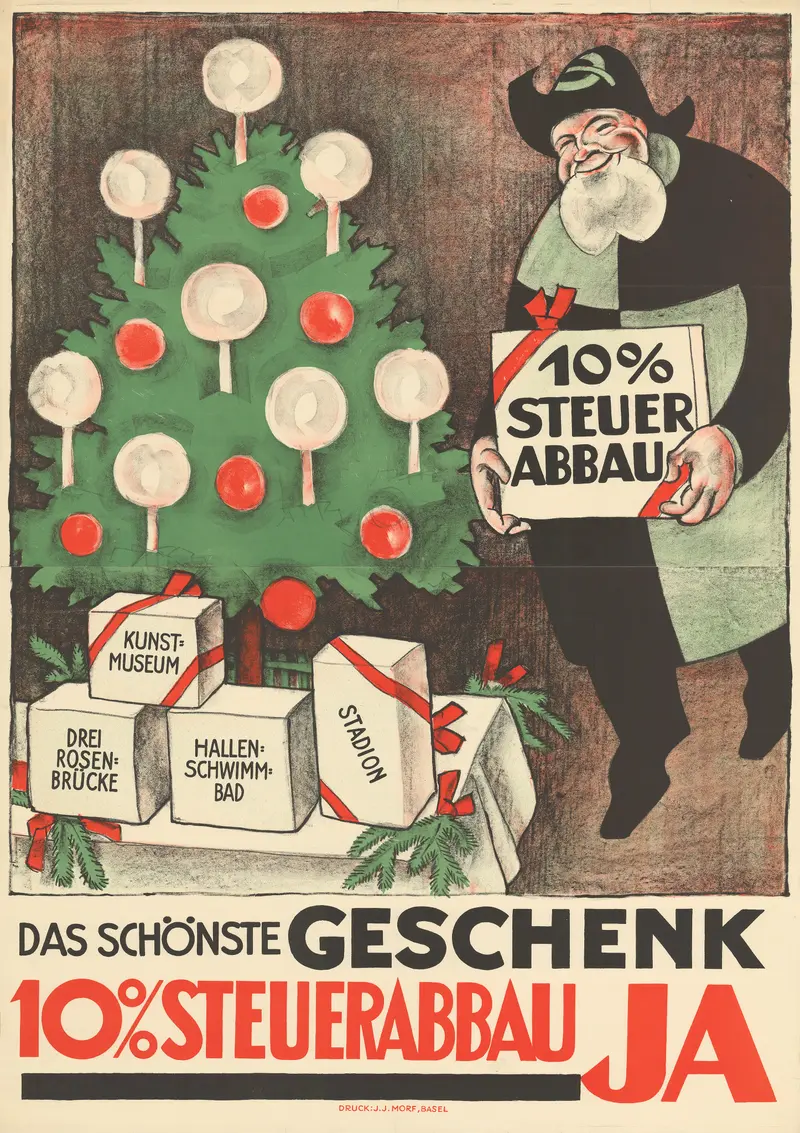
Das schönste Geschenk – 10% Steuerabbau – Ja
Otto Plattner
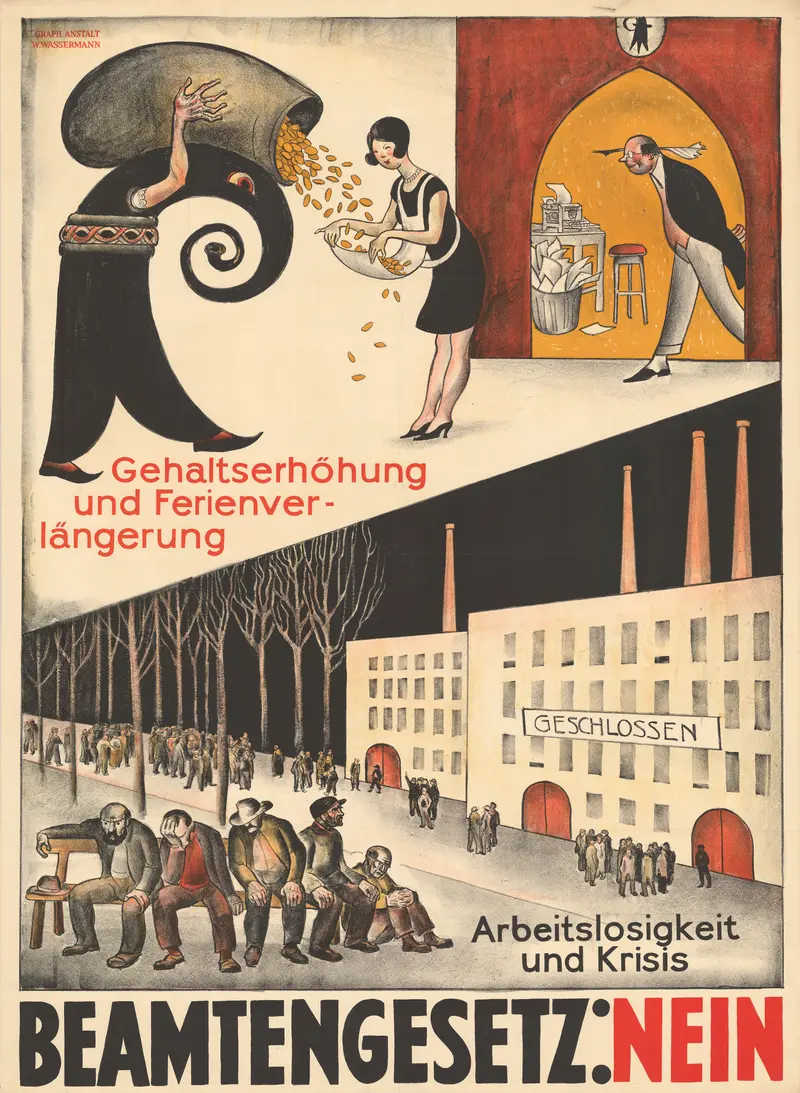
Gehaltserhöhung und Ferienverlängerung – Arbeitslosigkeit und Krisis – Beamtengesetz: Nein
Otto Plattner
More Genre Scene Art

Banquet of the Officers of the St George Civic Guard
Frans Hals

Rembrandt and Saskia in the Scene of the Prodigal Son
Rembrandt van Rijn

Bal du moulin de la Galette
Pierre-Auguste Renoir

Quadrille at the Moulin Rouge
Henri de Toulouse-Lautrec

A Burial at Ornans
Gustave Courbet

When Will You Marry?
Paul Gauguin