
Genre Scenes (Fūzoku byōbu) — History & Facts
Is this a mirror — or a memory? The emptiness captured within the folds of time whispers stories of fleeting moments, resonating with the silent echoes of history. Look to the intricate patterns that adorn the panels, where delicate figures engage in everyday life, their expressions a choreography of both joy and solitude. Notice how the muted colors interplay with the luxurious gold leaf, inviting the eye to explore the contrast between life’s vibrancy and the stillness of the painted surface. The composition guides us through a tapestry of experiences, each scene layered with meaning, revealing the unseen connections between the subjects. In the foreground, a solitary figure gazes off into the distance, embodying a sense of longing that transcends the centuries.
The juxtaposition of activity and isolation within the scenes evokes a profound sense of emptiness and contemplation, making the viewer ponder the weight of existence itself. Shadows dance subtly, suggesting the passage of time, while the emptiness within each frame serves as a powerful reminder of our own ephemeral lives. Created around 1640, this remarkable work emerged during a time of cultural refinement in Japan, known as the Edo period. The artist, though unknown, contributed to a burgeoning interest in genre painting that celebrated the nuances of daily life.
The world of art was evolving, as traditional themes began to intertwine with more personal narratives, allowing viewers to find their own reflections within the painted memories of others.
More Artworks by Unknown Artist
Browse all →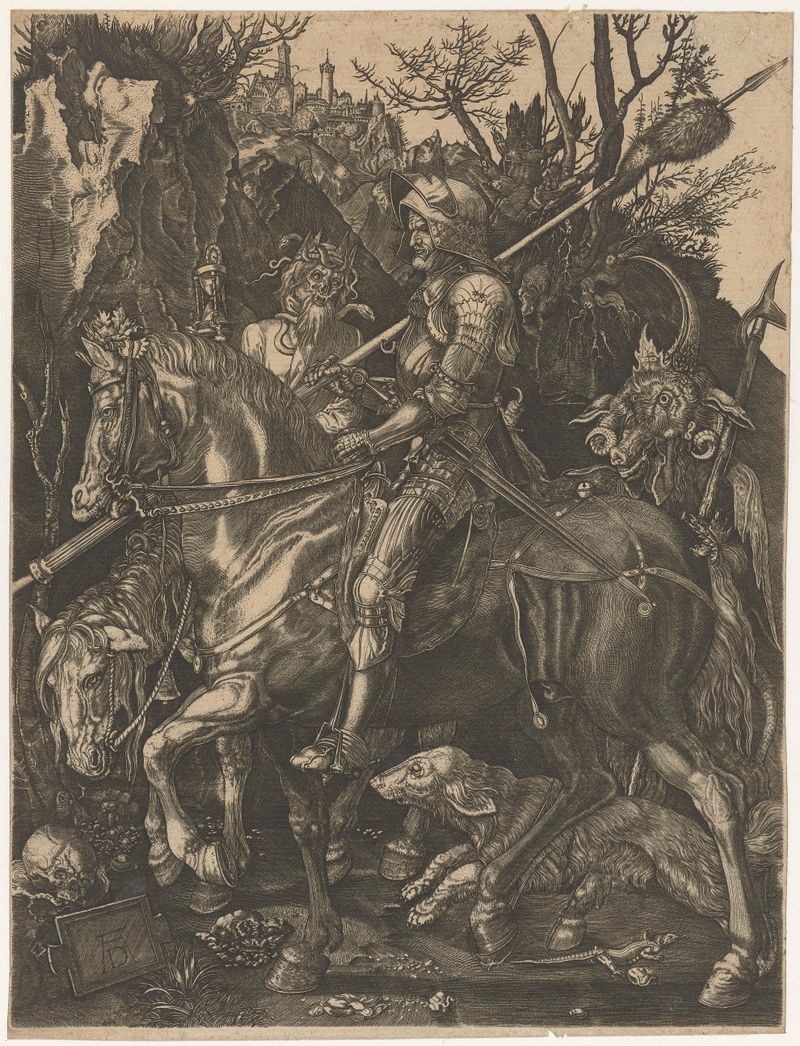
Ridder, Dood en Duivel
Unknown Artist
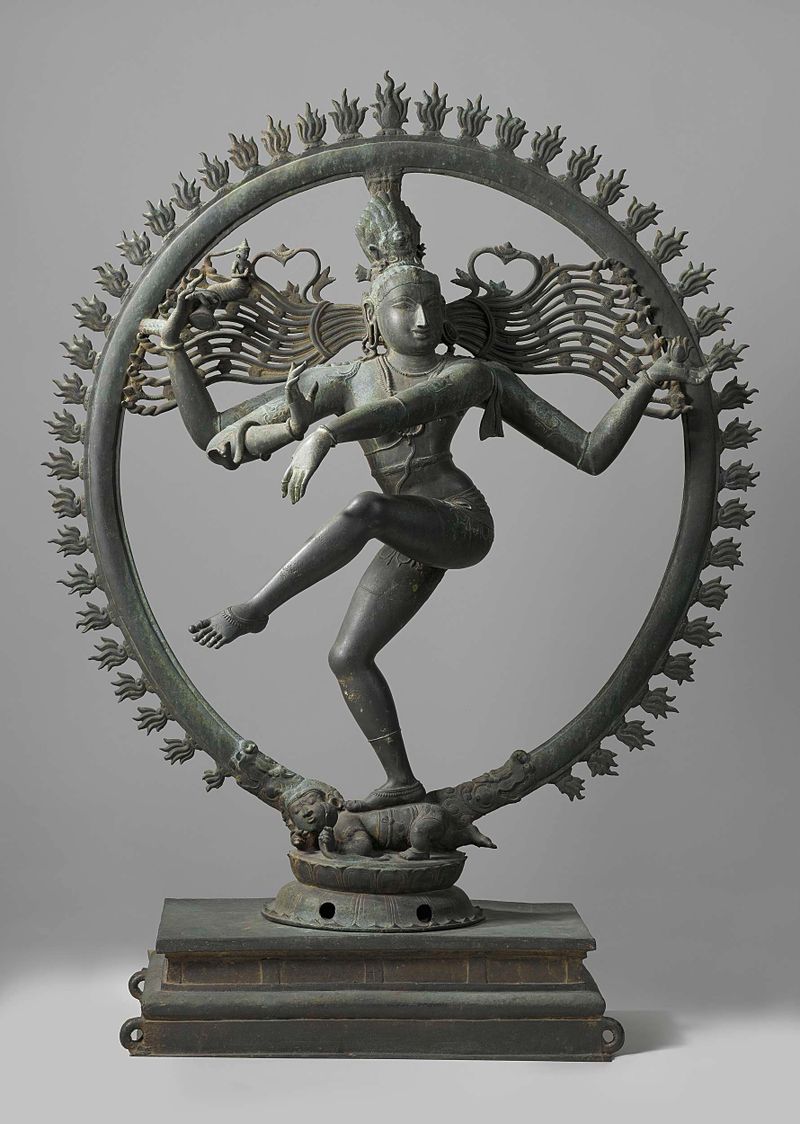
Shiva Nataraja
Unknown Artist
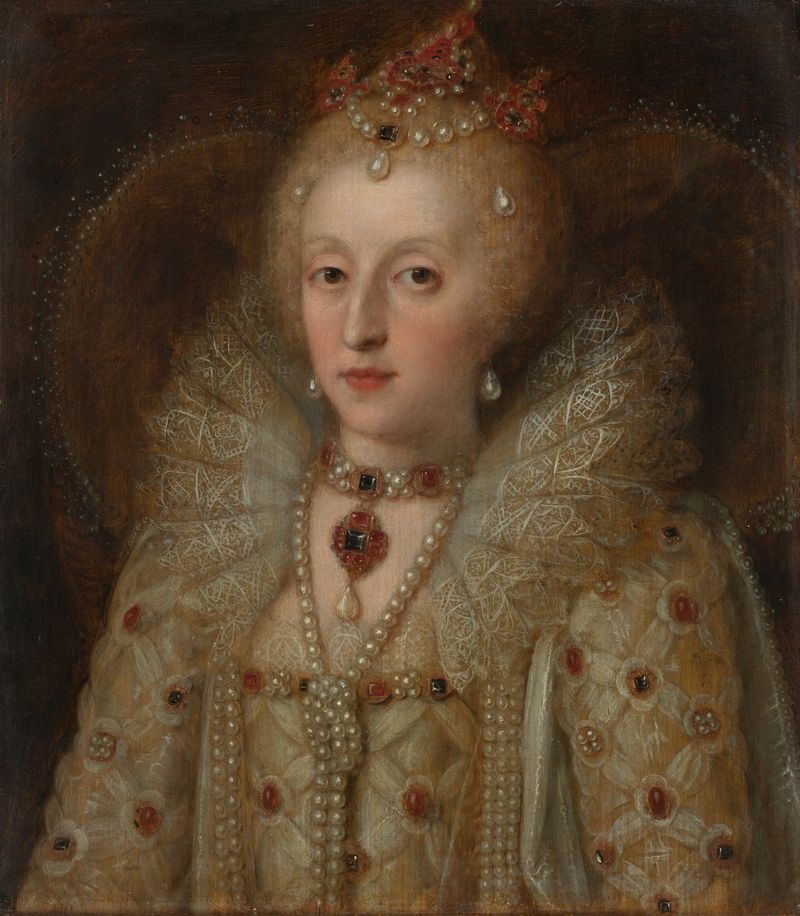
Portrait of Elizabeth I, Queen of England
Unknown Artist
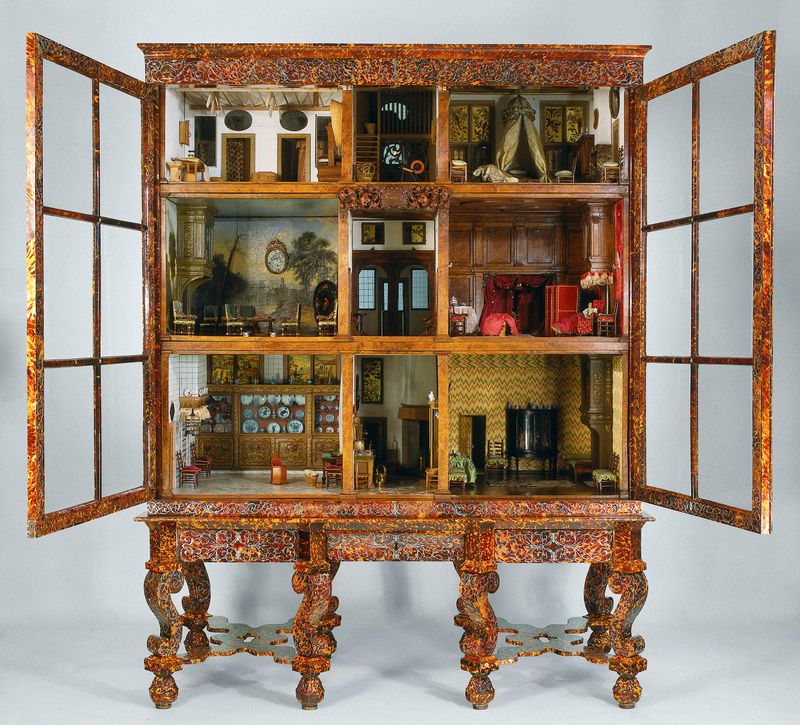
Dolls’ house of Petronella Oortman
Unknown Artist
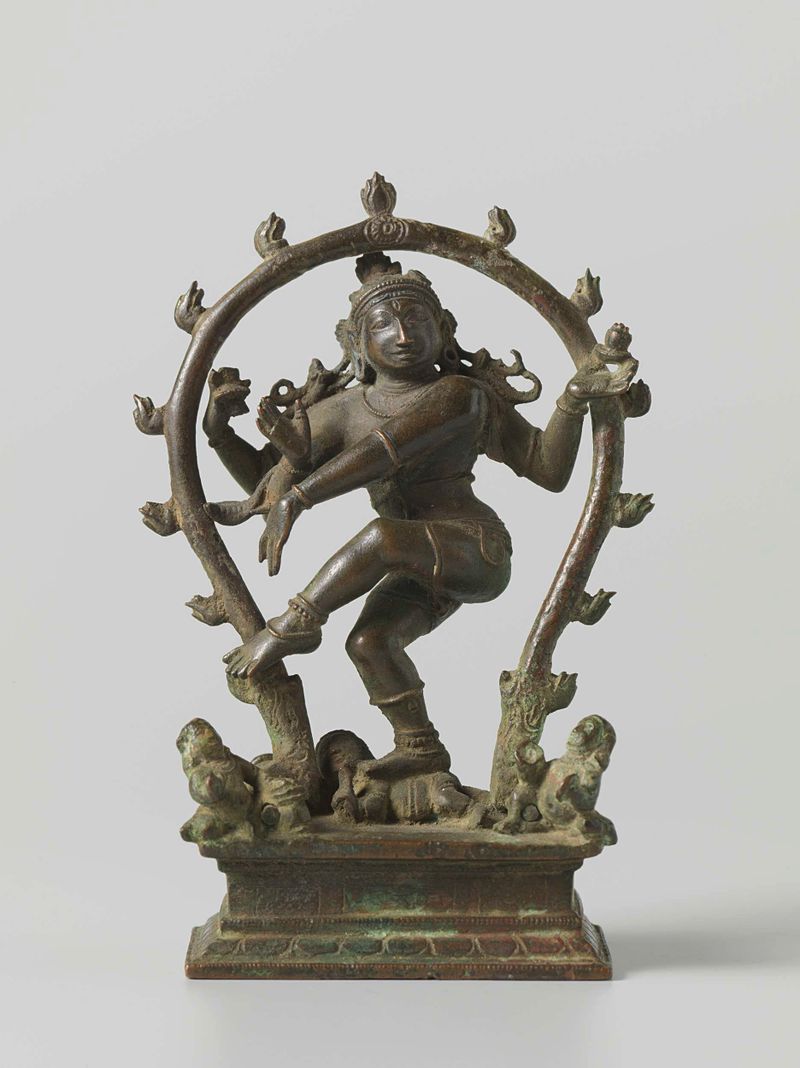
Shiva Nataraja
Unknown Artist

The Tale of Genji
Unknown Artist

The Tale of Genji
Unknown Artist
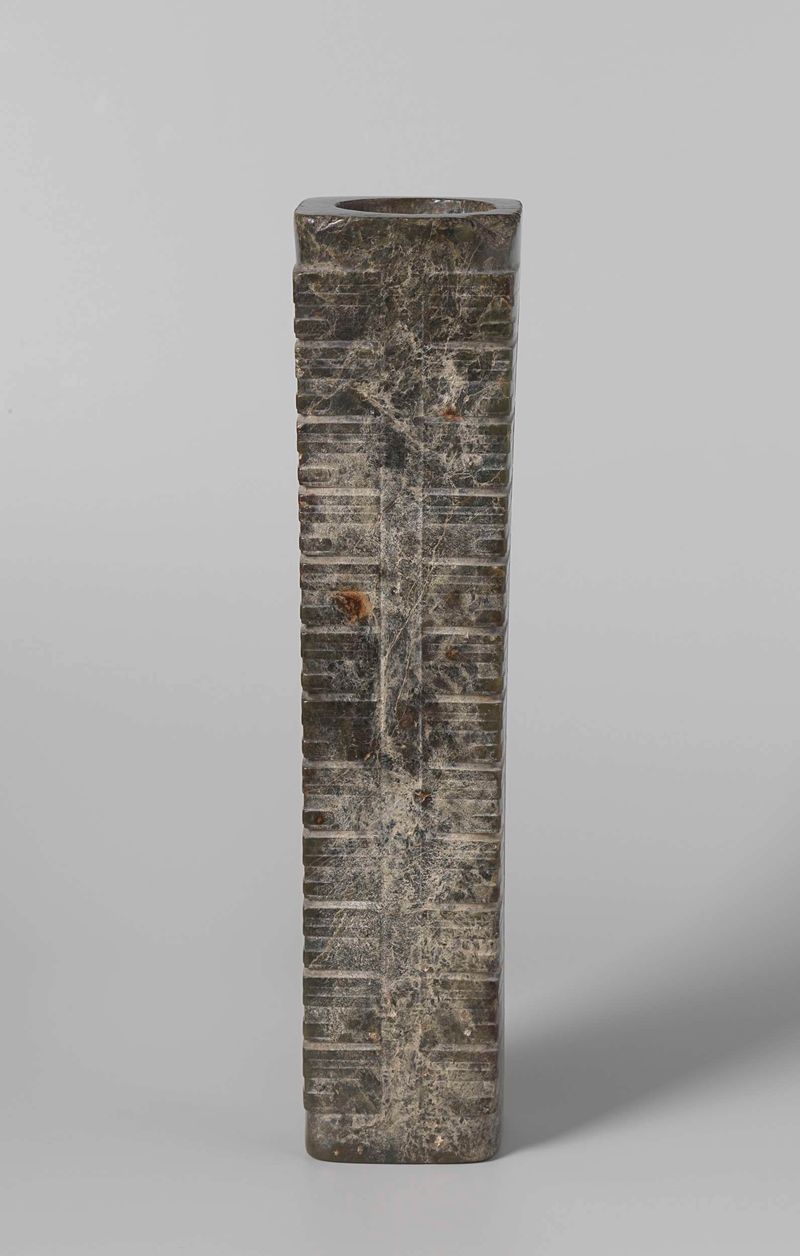
Cong
Unknown Artist
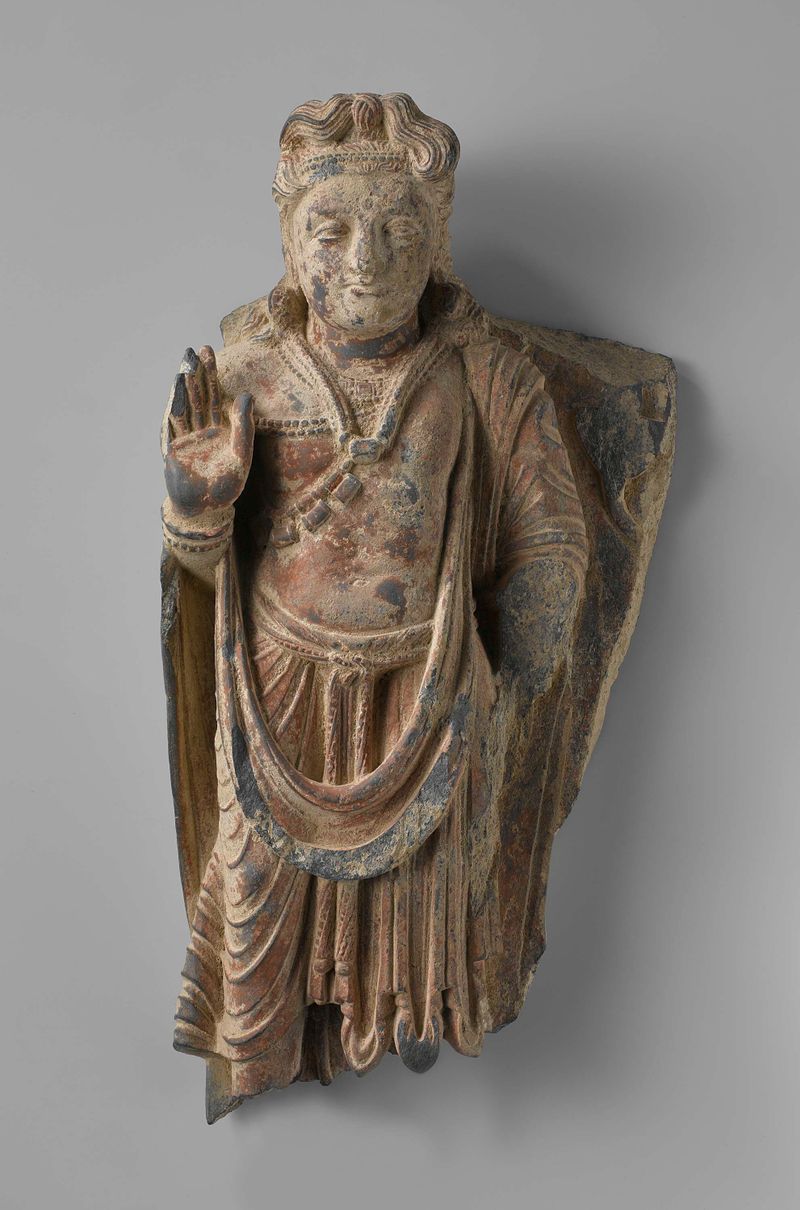
The bodhisattva Maitreya
Unknown Artist
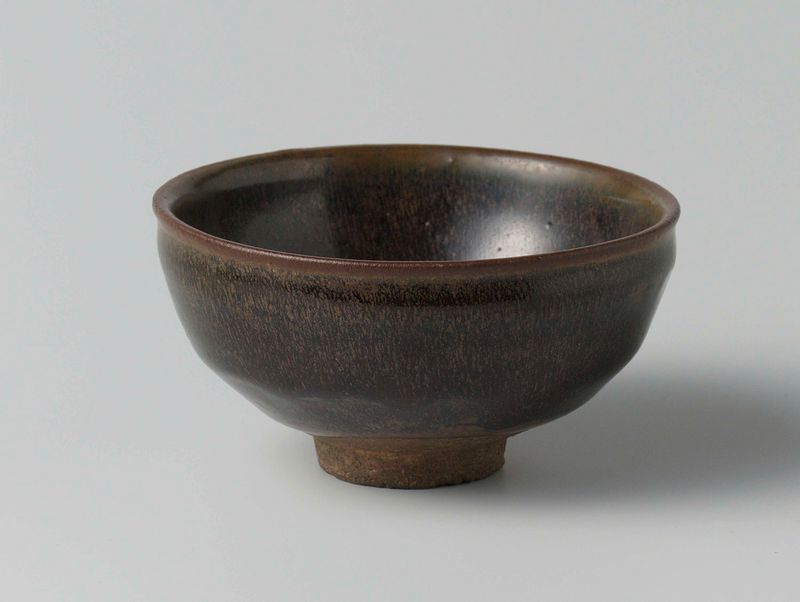
Teabowl with a 'hare's fur' glaze
Unknown Artist





