
George Wesley Bellows — History & Facts
In George Wesley Bellows, Robert Henri captures the essence of his subject through bold colors and dynamic brushwork. The portrait features Bellows in a thoughtful pose, with a serious expression that reflects his artistic persona. The background is muted, allowing the viewer to focus on Bellows' face and the details of his clothing.
Henri's use of light and shadow adds depth to the composition, enhancing the realism of the work. The painting is executed in oil on canvas, a medium that allows for rich textures and vibrant colors. Henri's technique involves layering paint to create depth and dimension, particularly in the facial features of Bellows. The approximate dimensions of the work are 76 x 61 cm, making it a substantial portrait that commands attention.
This piece exemplifies Henri's Realist style, emphasizing the individuality of his subjects. Robert Henri was a leading figure in the Ashcan School, which focused on depicting everyday life and the human experience. This portrait of George Wesley Bellows, painted around 1910, showcases the close friendship and mutual respect between the two artists. Henri's approach to portraiture was innovative for its time, as he sought to capture not just the likeness but the spirit of his subjects.
An interesting fact about this work is that it reflects the strong camaraderie among American artists during the early 20th century.
Sources: Wikidata Q122260563
More Artworks by Robert Henri

Street Scene with Snow (57th Street, NYC.)
Robert Henri
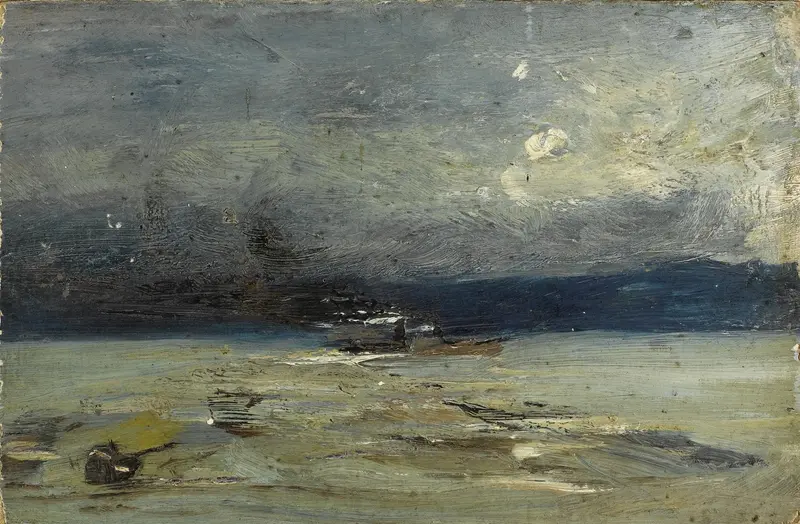
On the Hudson River
Robert Henri
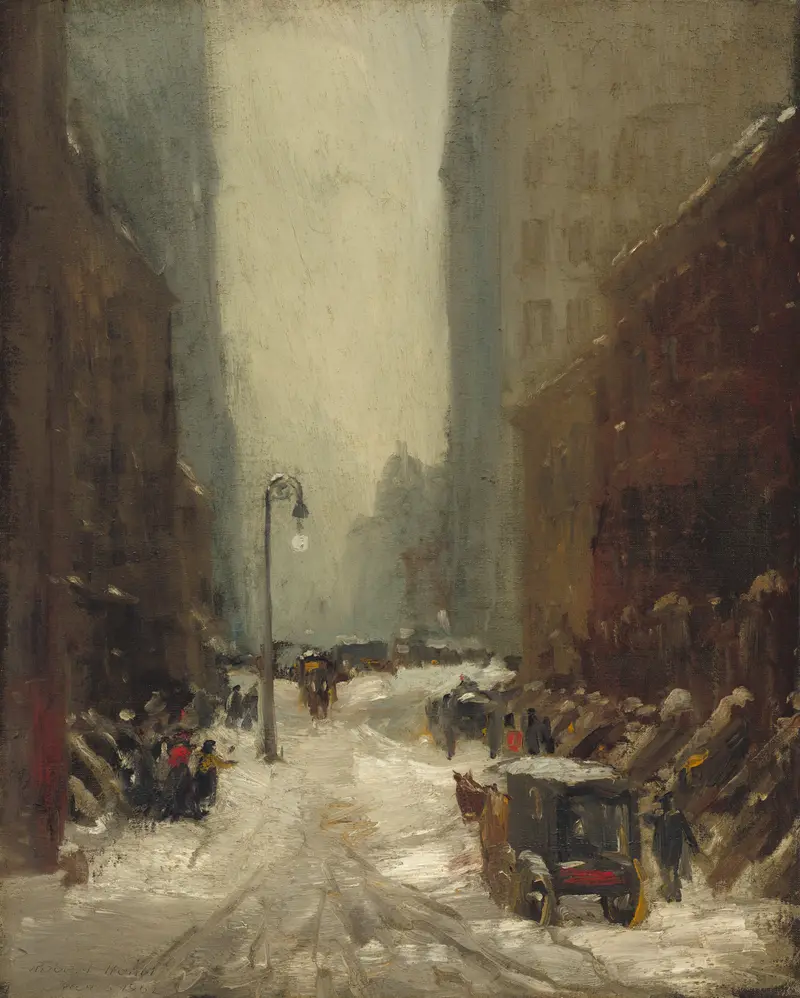
Snow in New York
Robert Henri
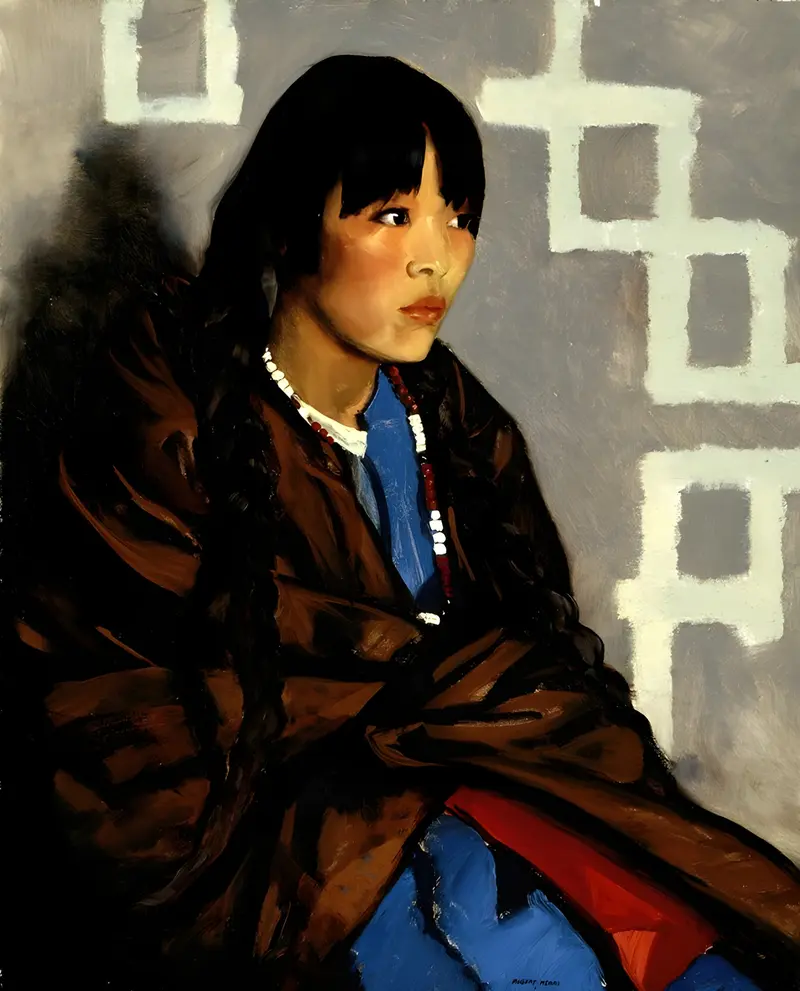
Indian Girl (Julianita)
Robert Henri
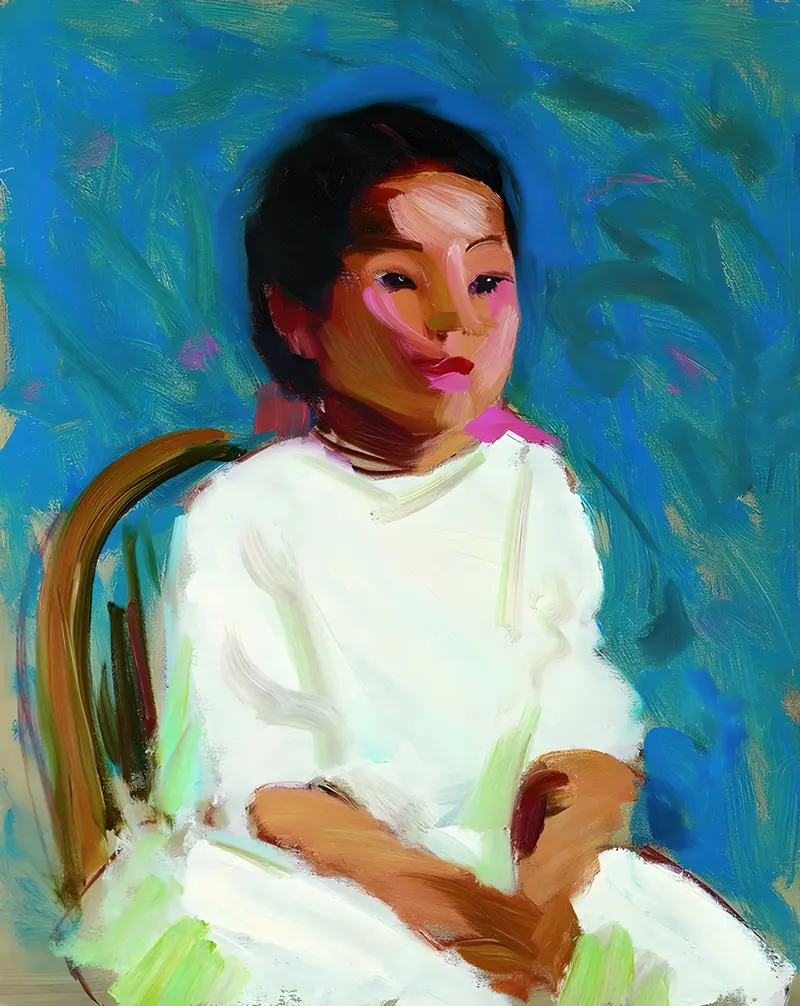
Mukie
Robert Henri

Isadora Duncan
Robert Henri
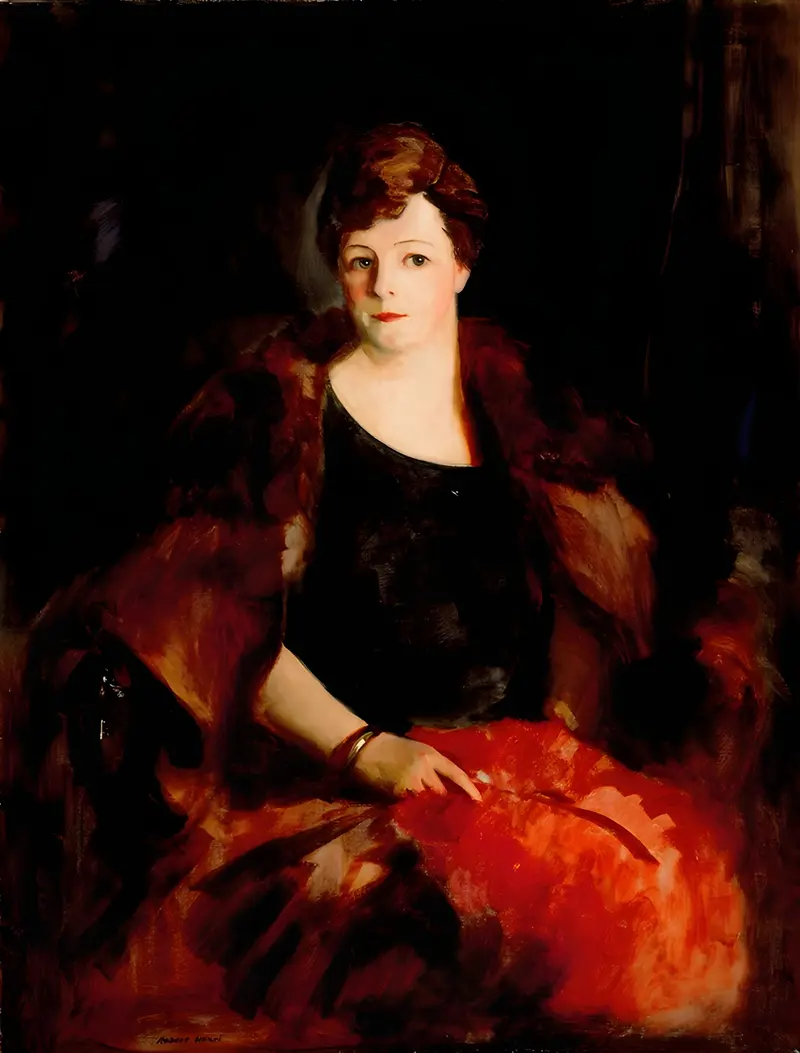
Portrait of Mrs. William Preston Harrison
Robert Henri
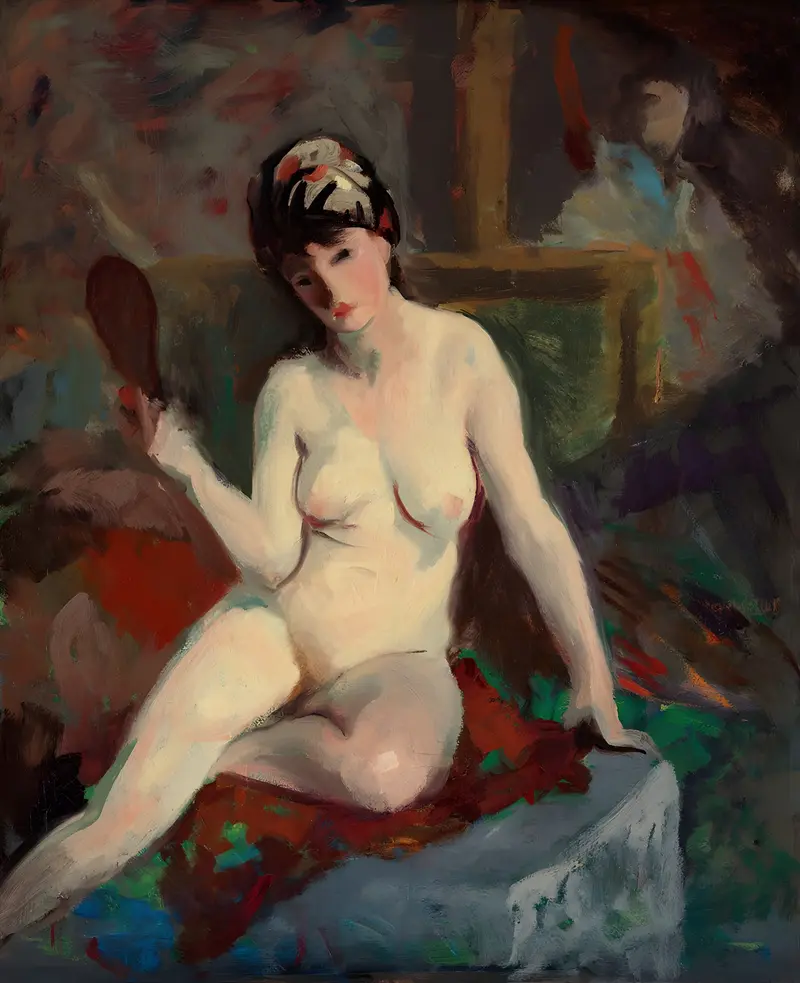
Seated Nude
Robert Henri
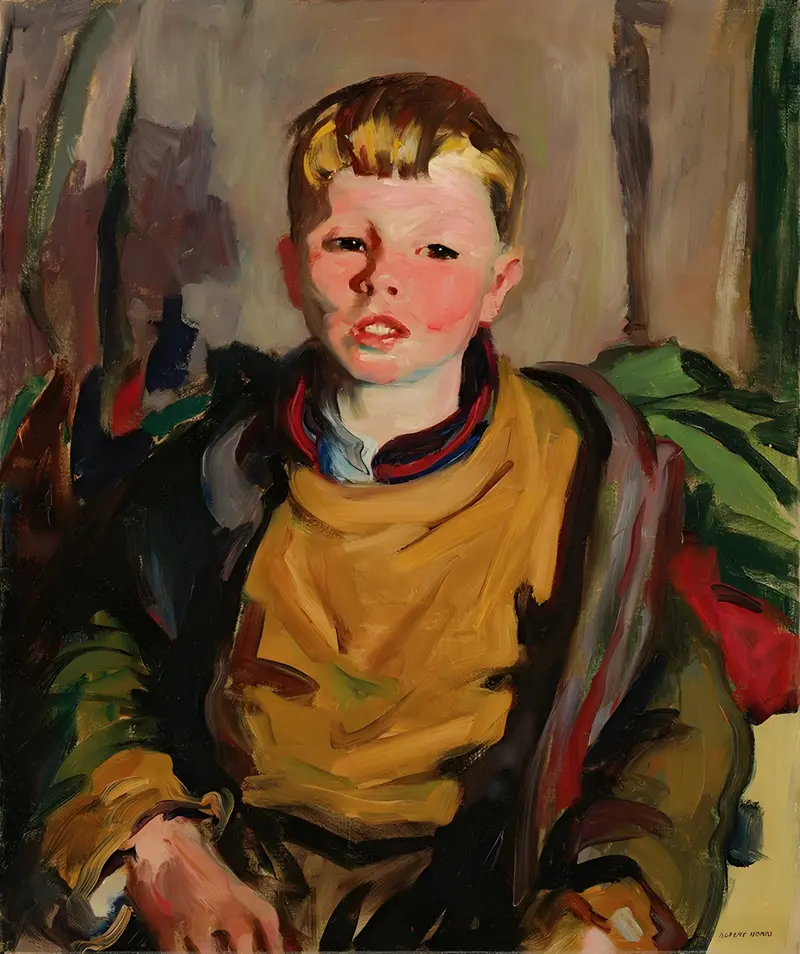
Macnamara
Robert Henri
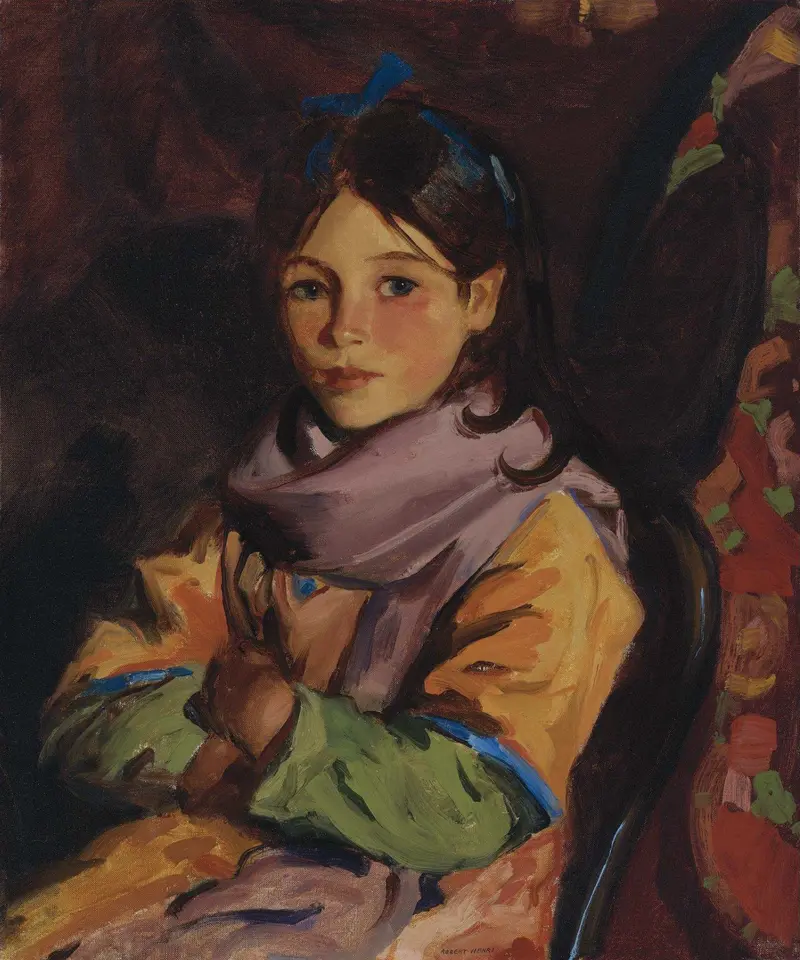
Mary Agnes
Robert Henri





