
Gerechtigheid van Trajanus — History & Facts
Who listens when art speaks of silence? In the stillness of Gerechtigheid van Trajanus, movement thrives beneath the surface, echoing narratives both ancient and enduring. Look to the left at the figure of Trajan, poised with an air of authority, his gaze fixed upon the viewer, as if beckoning us to engage with his moral dilemma. The artist employs rich, earthy tones that evoke the solemnity of the moment, while delicate highlights accentuate the flowing drapery and the tension in the figures surrounding him. Pay attention to the contrasting shadows that fill the composition, creating a sense of depth and urgency, guiding the eye toward the central act of justice unfolding. Within this scene lies a profound commentary on power and accountability.
The figures flanking Trajan, with their varied expressions of hope, fear, and resolve, unravel a complex interplay of emotion that invites contemplation on societal structures. The tension between light and dark not only delineates the characters but also symbolizes the moral grayness of justice itself, challenging us to consider the weight of our own choices and the movements they instigate. This painting emerged in 1622, a time when artistic expression was intricately tied to the challenges of governance and societal order. The unknown artist likely created this work amidst the fervent debates surrounding moral philosophy and justice in Europe, reflecting on how art can influence and mirror the realities of power.
As such, Gerechtigheid van Trajanus stands as a testament to the timeless dialogue between art and the human experience, illustrating the necessity of listening to the silent movements of history.
More Artworks by Unknown Artist
Browse all →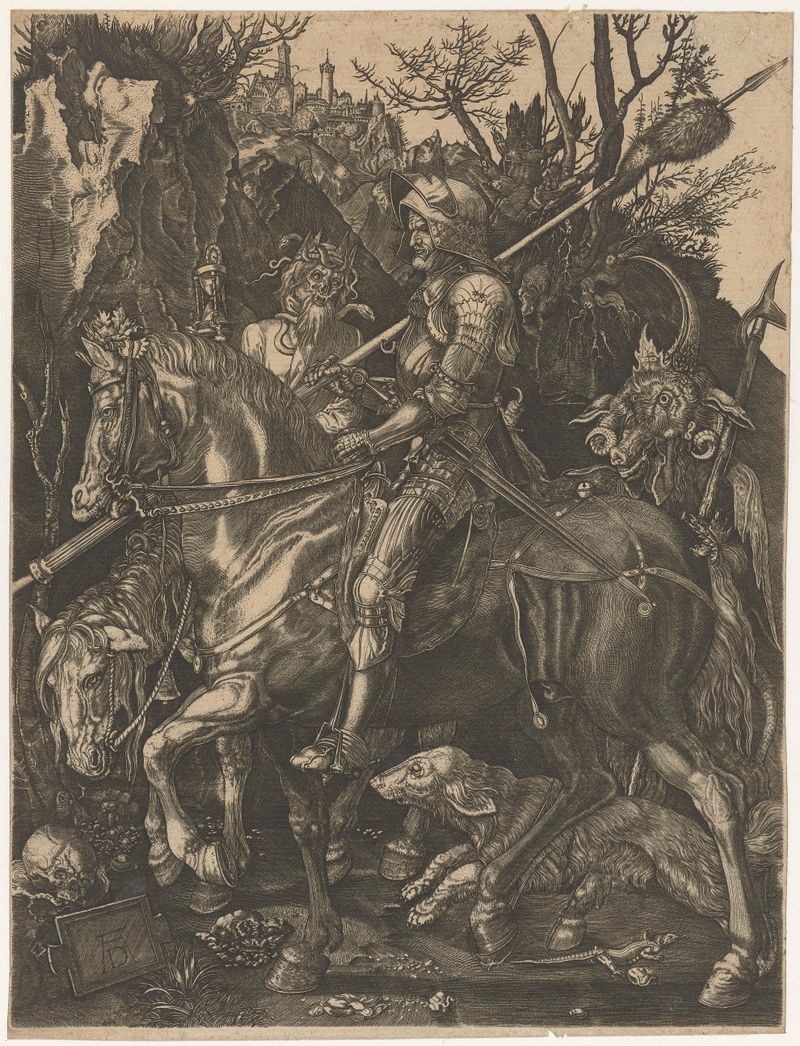
Ridder, Dood en Duivel
Unknown Artist
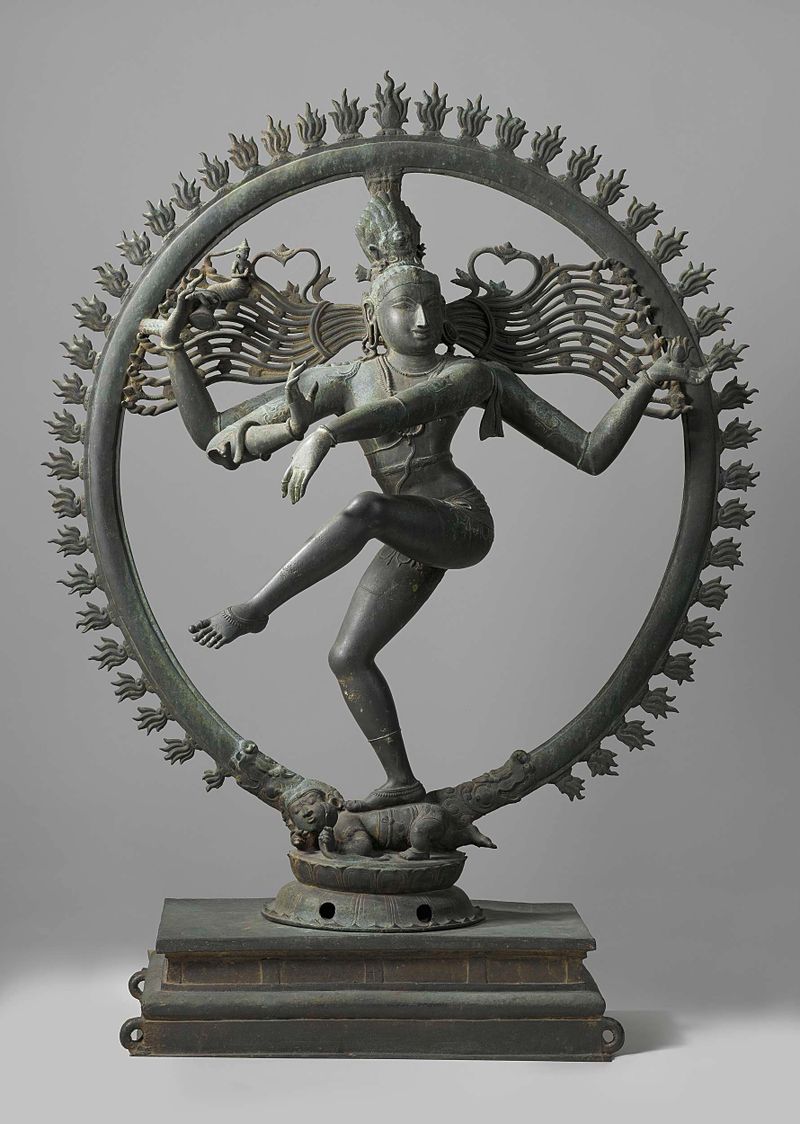
Shiva Nataraja
Unknown Artist
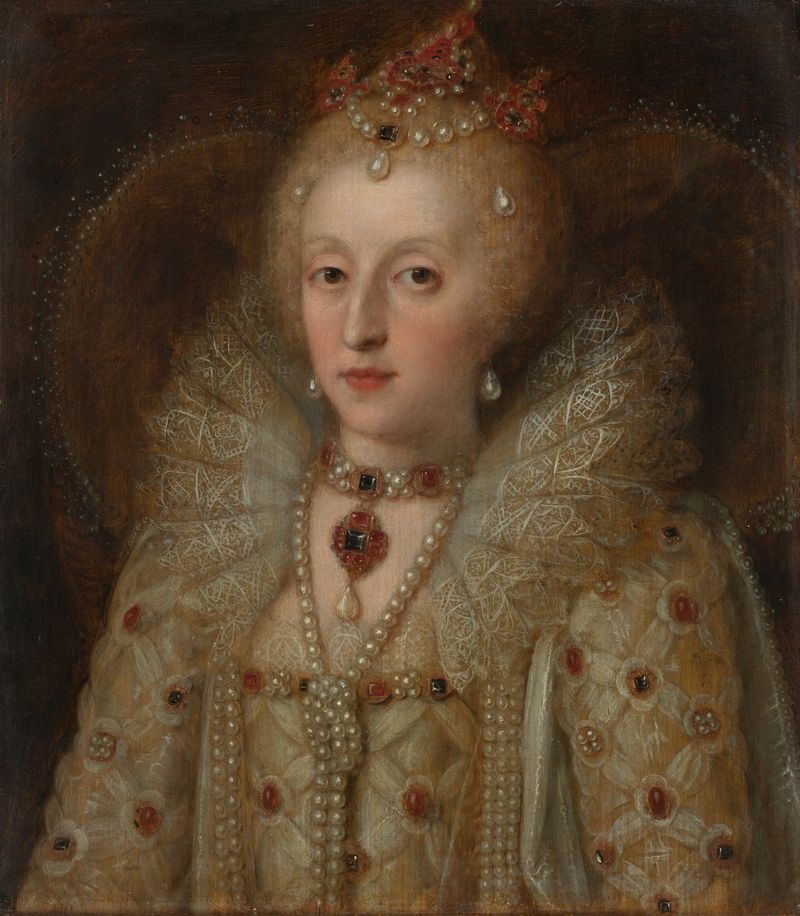
Portrait of Elizabeth I, Queen of England
Unknown Artist
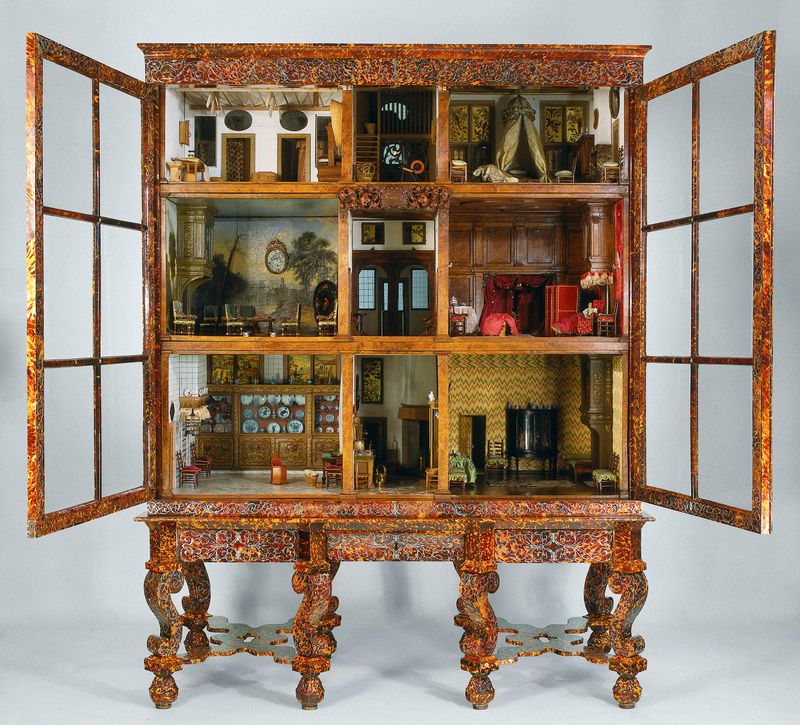
Dolls’ house of Petronella Oortman
Unknown Artist
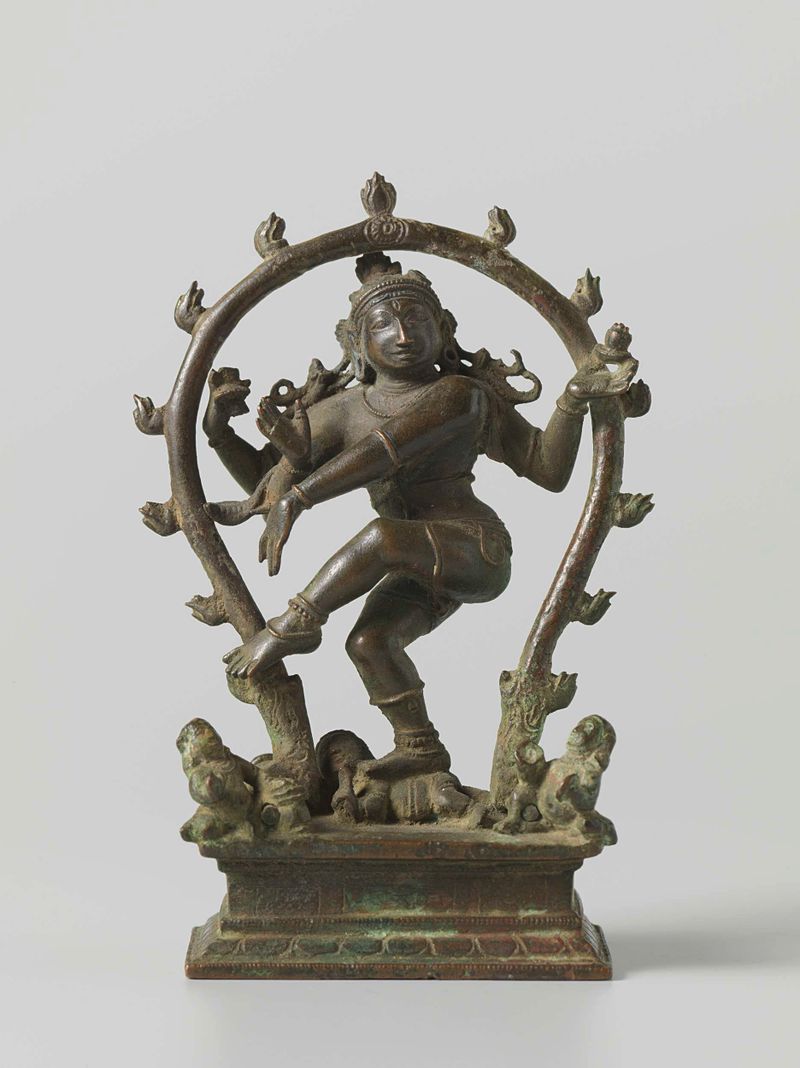
Shiva Nataraja
Unknown Artist

The Tale of Genji
Unknown Artist

The Tale of Genji
Unknown Artist
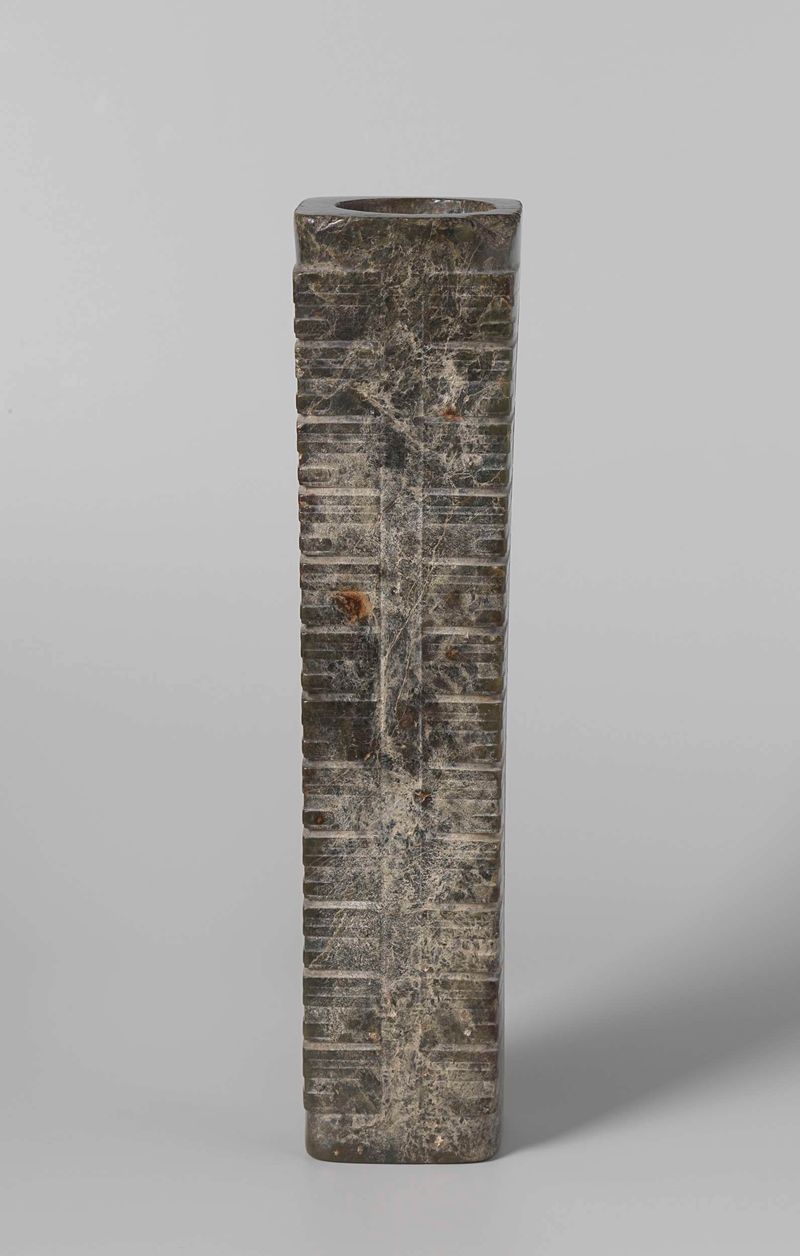
Cong
Unknown Artist
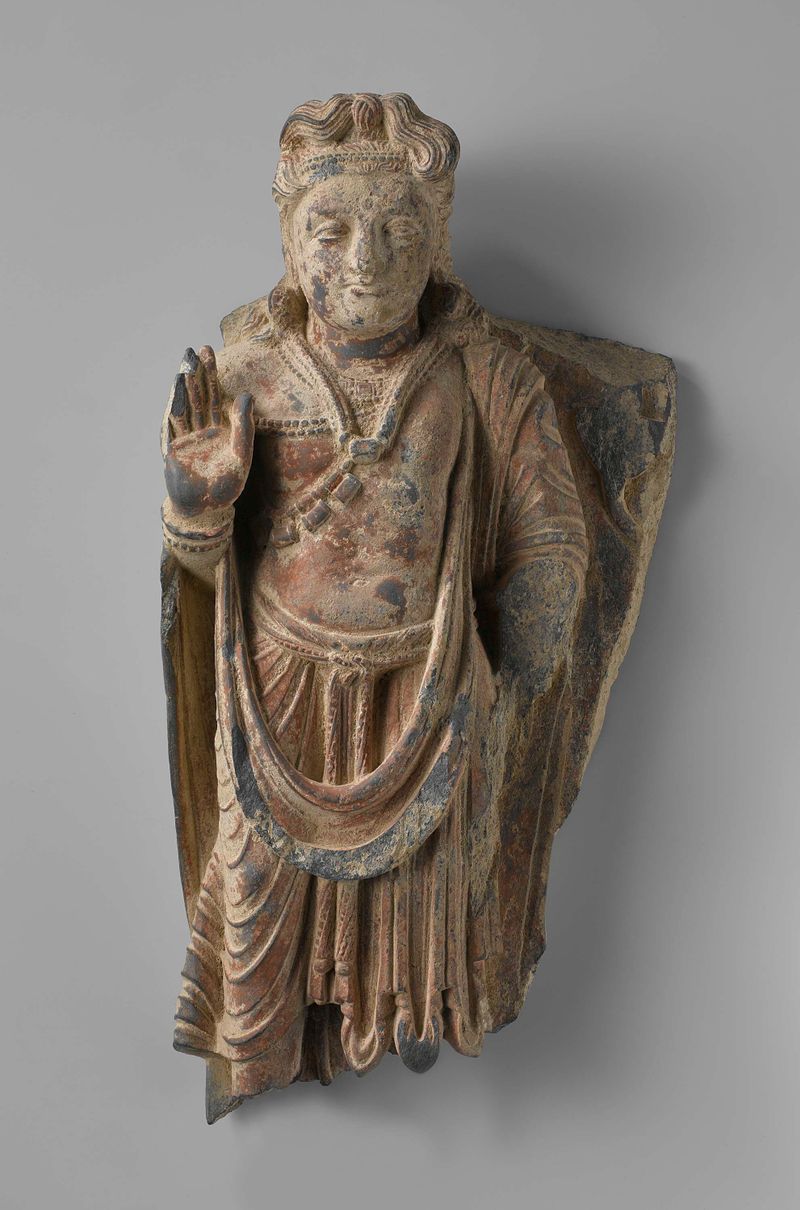
The bodhisattva Maitreya
Unknown Artist
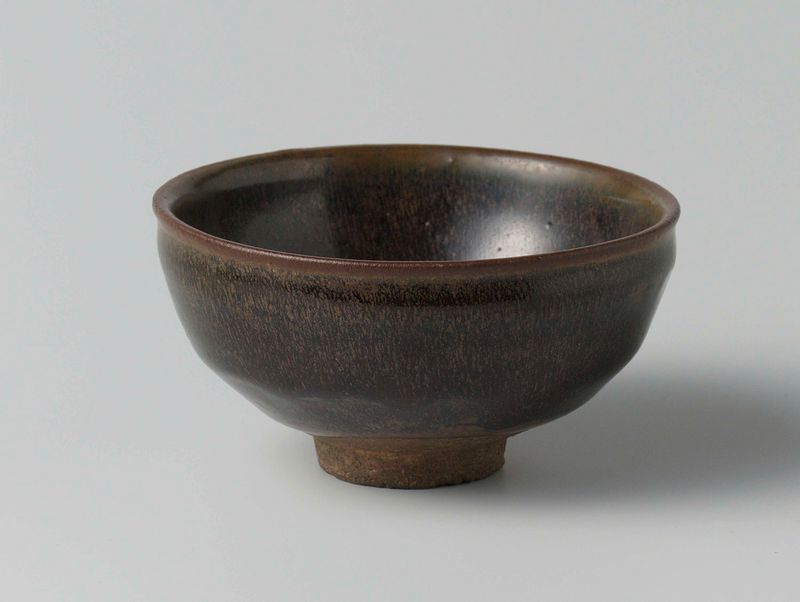
Teabowl with a 'hare's fur' glaze
Unknown Artist
More Historical Art
Browse all →
The Night Watch Militia Company of District II under the Command of Captain Frans Banninck Cocq
Rembrandt van Rijn

Lincoln Memorial
Henry Bacon

The Third of May 1808
Francisco de Goya

Isaac and Rebecca, Known as ‘The Jewish Bride’
Rembrandt van Rijn

The Charge of the Mamelukes (1814)
Francisco de Goya

De vier ruiters van de apocalyps
Albrecht Dürer