
Gevelsteen aan de Nieuwe Teertuinen te Amsterdam — History & Facts
Can paint confess what words never could? Beneath the quiet surface of Gevelsteen aan de Nieuwe Teertuinen te Amsterdam, a silent story of betrayal and loss lingers, waiting to be unraveled. Look to the left at the textured wall, a testament to time's embrace, where layers of paint peel away like whispered secrets. The muted hues of ochre and gray create a melancholic backdrop, accentuating the stark contrast of the vibrant greens that push through the cracks. The composition is intimate, drawing the viewer’s gaze inward, inviting contemplation on the passage of time and the imprints of bygone relationships etched into the very fabric of the structure. Hidden within the decay is a narrative of hope and despair, an intimate dialogue between nature and artifice.
The creeping plants symbolize resilience, flourishing against the odds, while the crumbling surface speaks to the fragility of existence and trust. The tension between the vibrant life above and the worn-down wall below evokes the emotional weight of betrayal, suggesting that beauty often emerges from pain. Willem Wenckebach painted this piece in the 20th century, during a time when movements like expressionism were challenging traditional aesthetics. Living in Amsterdam, he was influenced by the city’s complex history and contemporary struggles, reflecting both personal and collective emotions in his work.
This period marked a significant transformation in art, as artists sought to convey deeper truths through innovative techniques and subject matter.
More Artworks by Willem Wenckebach
Browse all →
Bakkersgang te Amsterdam
Willem Wenckebach

Oude huizen aan het Markenplein te Amsterdam
Willem Wenckebach

Oude huizen aan het Waterlooplein te Amsterdam
Willem Wenckebach
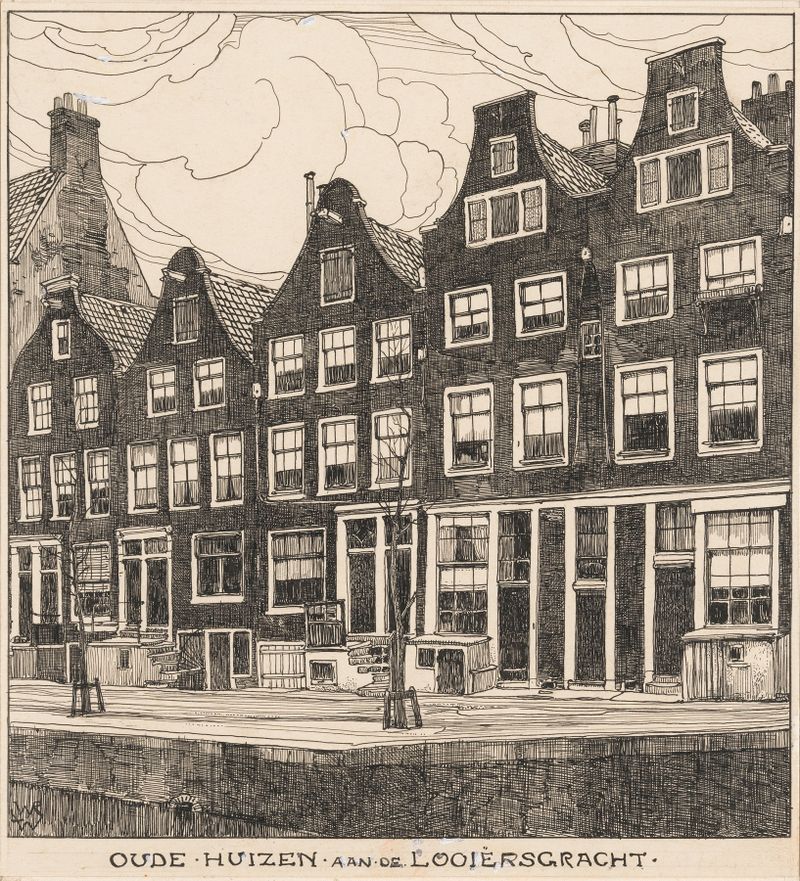
Oude huizen aan de Looiersgracht te Amsterdam
Willem Wenckebach
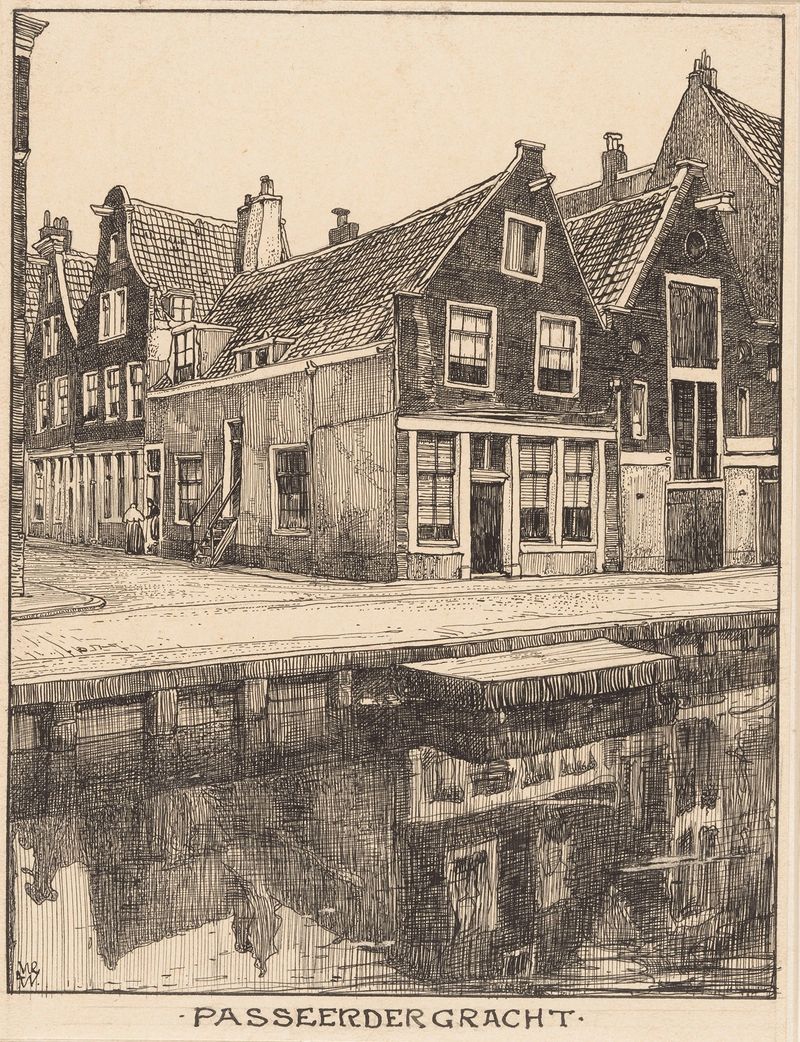
Passeerder Gracht te Amsterdam
Willem Wenckebach
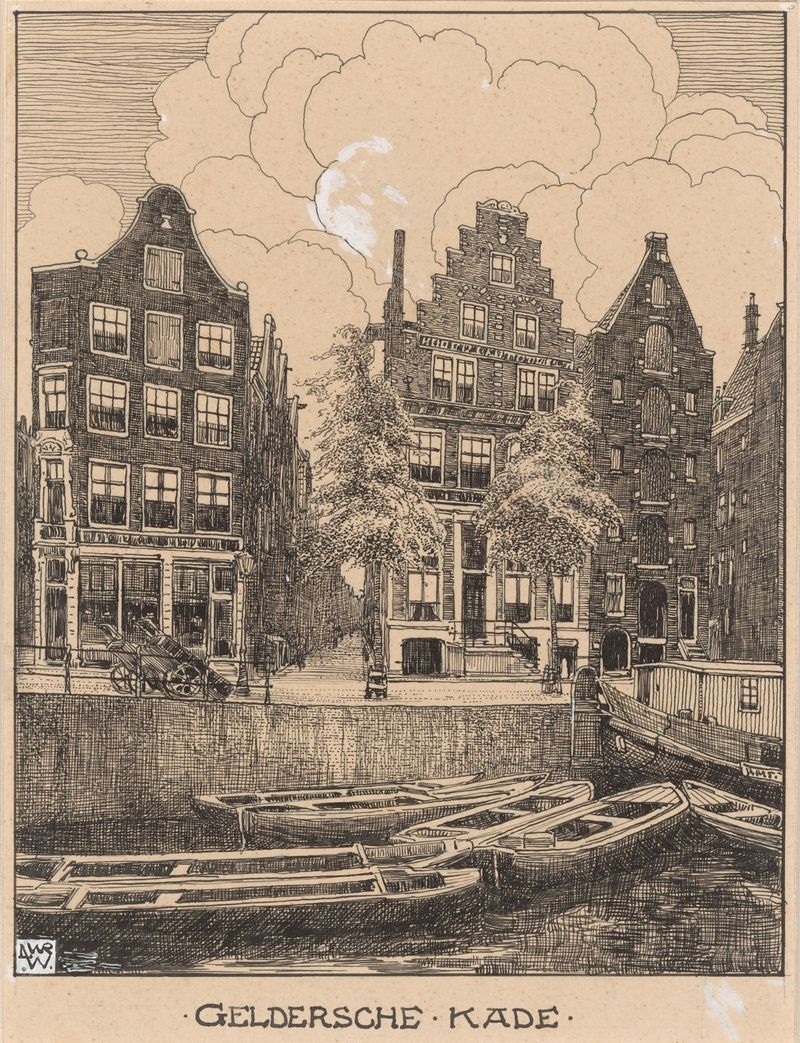
De Gelderse Kade te Amsterdam
Willem Wenckebach
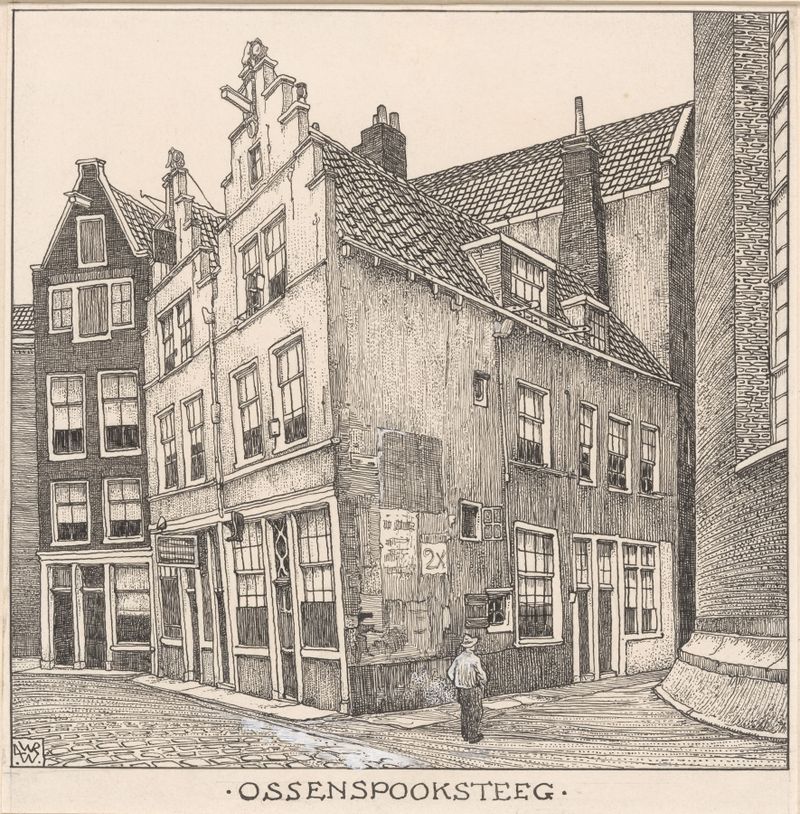
De Ossenspooksteeg te Amsterdam
Willem Wenckebach

Het Beurspleintje te Amsterdam
Willem Wenckebach
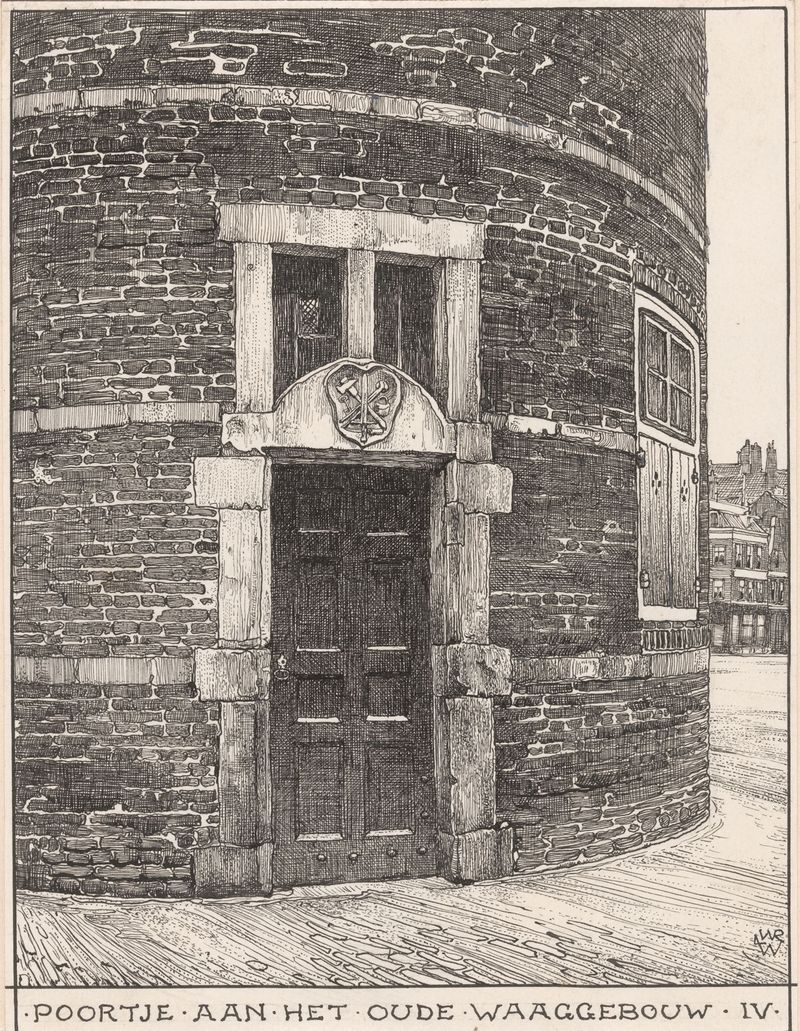
Poortje aan het oude Waaggebouw te Amsterdam
Willem Wenckebach

Torensluis te Amsterdam
Willem Wenckebach
More Architecture Art
Browse all →
The statue of Liberty
Frédéric Auguste Bartholdi

View of Houses in Delft, Known as ‘The Little Street’
Johannes Vermeer

View of Houses in Delft, Known as ‘The Little Street’
Johannes Vermeer

The Cathedral in Rouen. The portal, Grey Weather
Claude Monet

The yellow house
Vincent van Gogh

The Church in Auvers-sur-Oise, View from the Chevet
Vincent van Gogh