
Gezicht in de omgeving van Gerona — History & Facts
In the quiet moments of decay, we uncover the beauty that time often hides. This painting invites contemplation, urging us to visualize the remnants of life and nature, where every withered leaf and crumbling stone tells a story of resilience and transience. Look to the foreground, where the jagged shapes of ancient rocks emerge from a blanket of soft, muted earth tones. Notice how the warm ochres and browns blend seamlessly into the cool greens and blues of the landscape, creating a harmonious balance between life and death.
The artist's deft brushwork captures the texture of the terrain, making it almost tactile; you can feel the weight of history in each stroke. The gentle play of light casts shadows that dance among the ruins, evoking a sense of nostalgia for what once thrived. Amidst the serene landscape lies a poignant contrast: the vibrancy of life still clings to the edges of decay. Look closely, and you’ll spot tiny wildflowers bravely pushing through the cracks, a testament to endurance against the odds.
The juxtaposition of these delicate blooms against the crumbling stone evokes an emotional tension that speaks to the cycle of existence—birth, death, and rebirth. It beckons us to reflect on our own fleeting moments and the beauty found within them. Otto Howen painted this work during a time when the Romantic movement was evolving, seeking to express emotion through nature's power and impermanence. Created in the early 20th century, it reflects the artist's exploration of landscapes as metaphors for human experiences.
As the world grappled with rapid industrialization and change, his focus on decay underscores a deep understanding of life’s ephemeral nature, connecting deeply with the sentiments of his era.
More Artworks by Otto Howen
Browse all →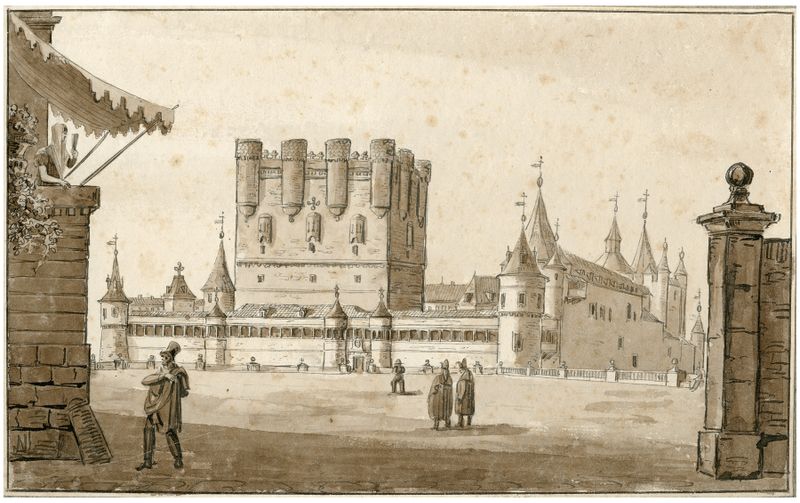
Het Alcazar te Segovia
Otto Howen
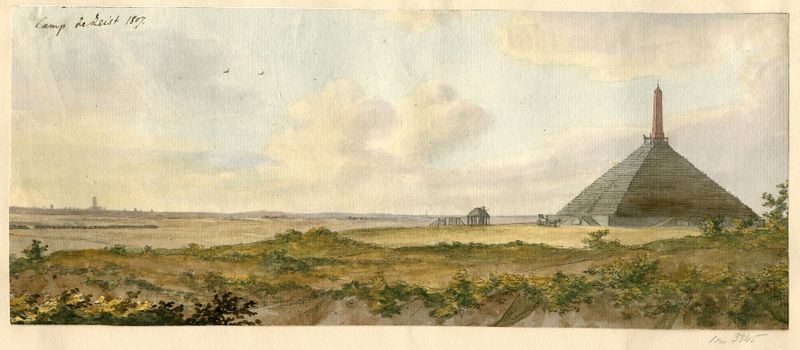
De piramide van Austerlitz bij Zeist
Otto Howen
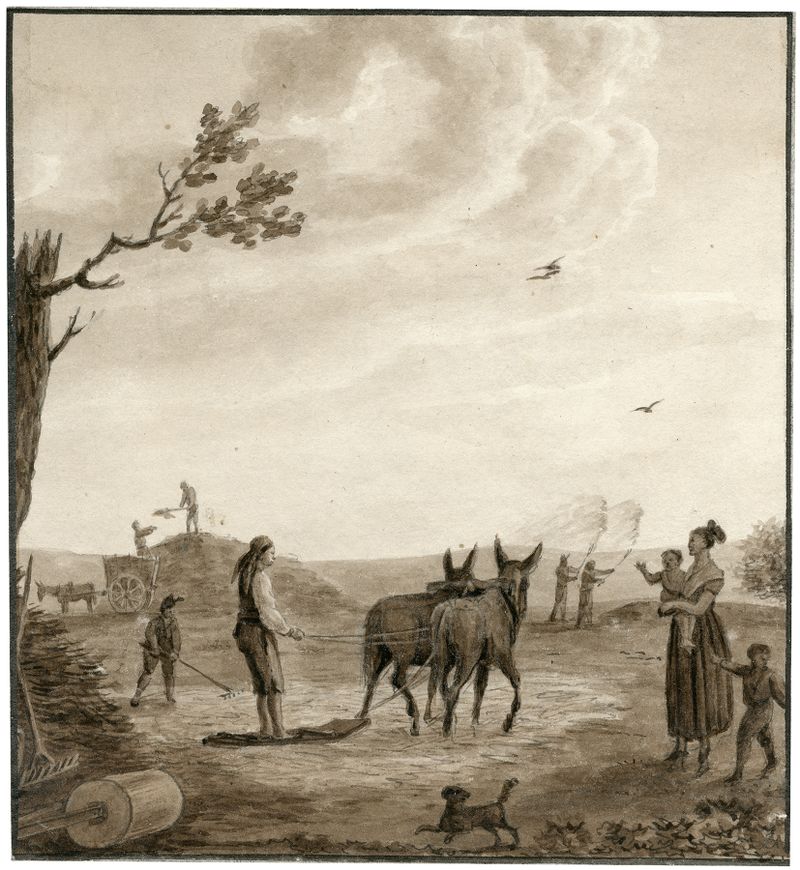
Het dorsen van het graan
Otto Howen
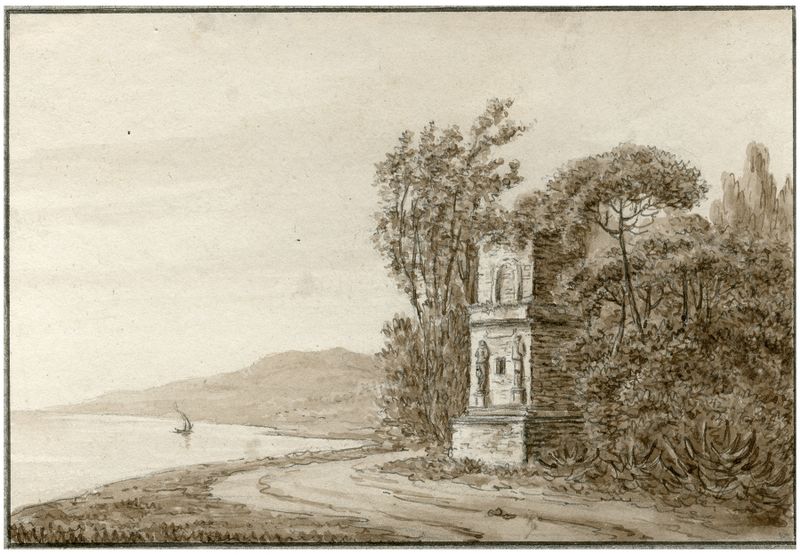
Een antiek monument in de omgeving van Taragone
Otto Howen
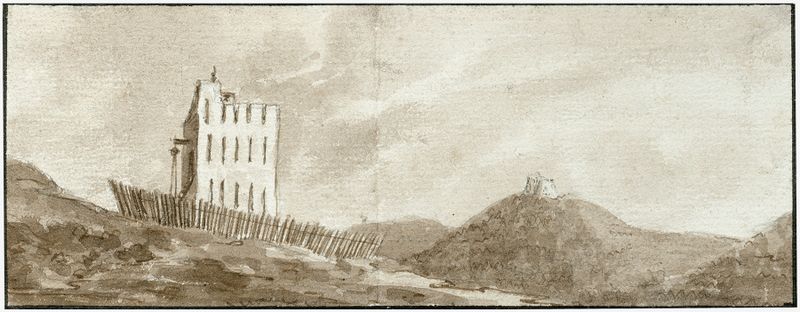
Gezicht in de omgeving van Gerona
Otto Howen
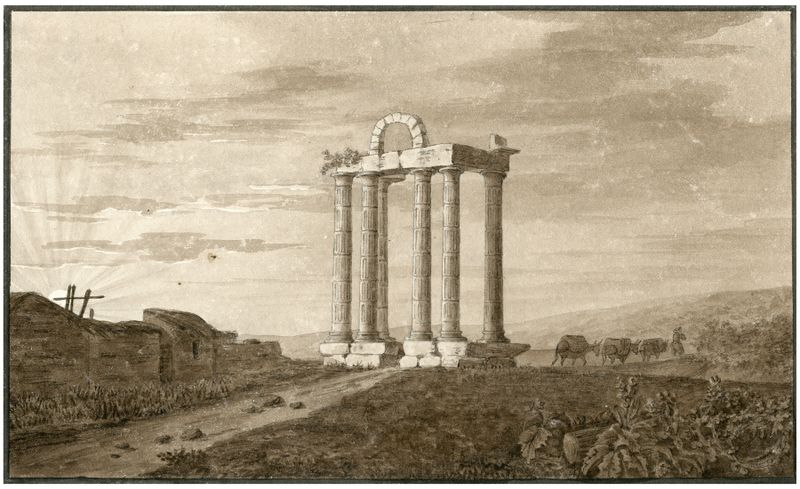
Antieke Ruïnes bij Talavera in Castillie
Otto Howen
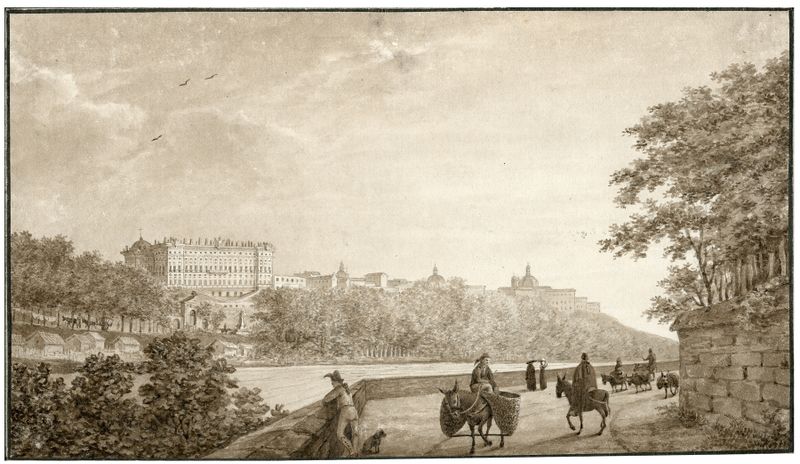
Het Koninklijke Paleis te Madrid
Otto Howen
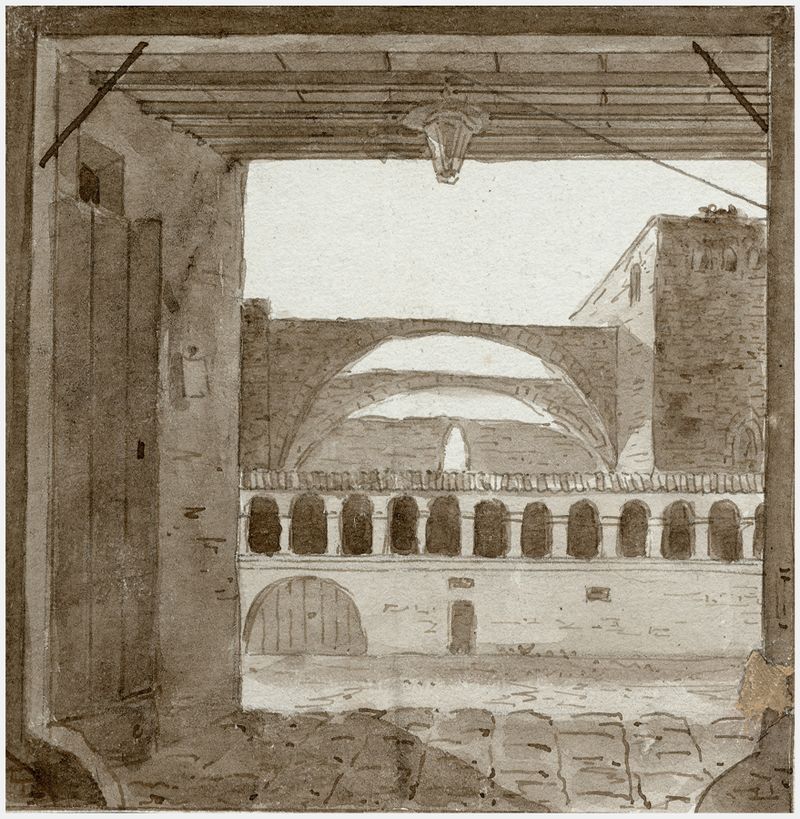
Ruïne van een klooster te Barcelona
Otto Howen
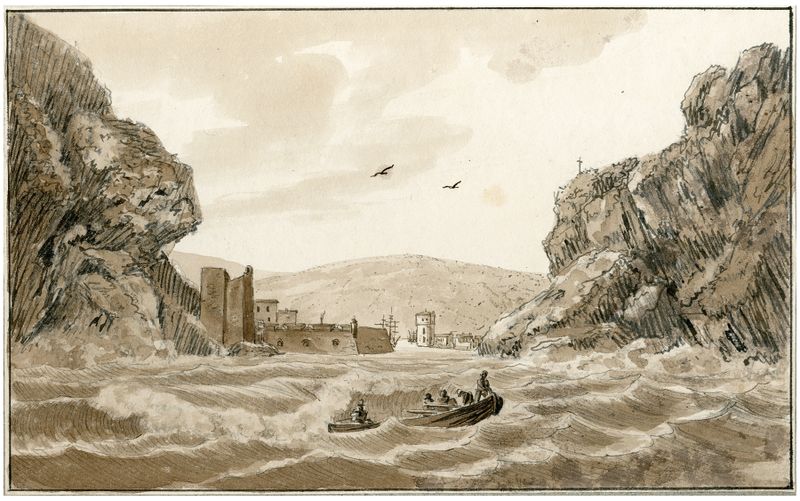
Een havenplaats in Spanje, Port de Passage
Otto Howen
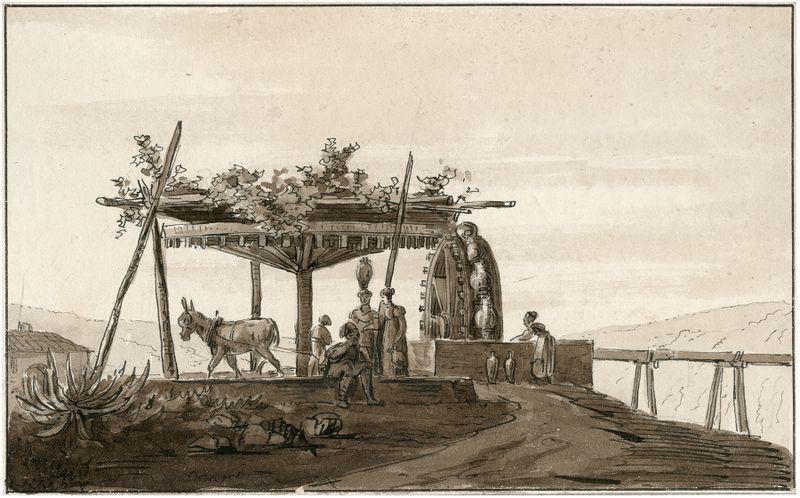
Een waterput met raderwerk en trekezel
Otto Howen





