
Gezicht op Koog aan de Zaan. — History & Facts
Who listens when art speaks of silence? In Gezicht op Koog aan de Zaan, the stillness resonates like a whispered secret, a quiet revolution unfolding in still life. Focus on the gentle curve of the river as it leads your eye to the horizon. Notice the play of soft blues and greens, reflecting an almost ethereal calm that envelops the landscape. The composition is deliberately balanced; structures dot the scene but never intrude, allowing nature's palette to take center stage.
The light seems to dance upon the water's surface, creating a moment caught between time and tranquility. Yet within this serene vista lies a subtle tension. The distant factories loom like sentinels of industry, hinting at the encroachment of modernity on pastoral life. The gentle whispers of the trees contrast sharply with the hard lines of human creation, echoing the struggle between nature and progress.
Each brushstroke conveys a yearning for the past, even as the world begins to change irrevocably. In 1954, Maarten Oortwijn painted this piece while living in the Netherlands, a time of recovery and transformation following World War II. The country was grappling with its identity amidst rapid industrialization and urban expansion. This artwork reflects the delicate balance between preserving the serene beauty of the Dutch landscape and acknowledging the shifts that progress would inevitably bring.
More Artworks by Maarten Oortwijn
Browse all →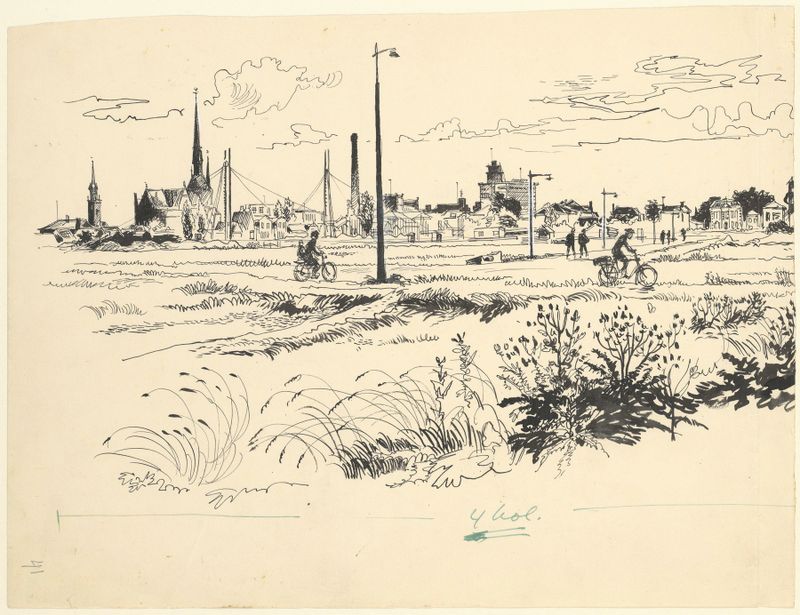
Gezicht op Koog aan de Zaan.
Maarten Oortwijn
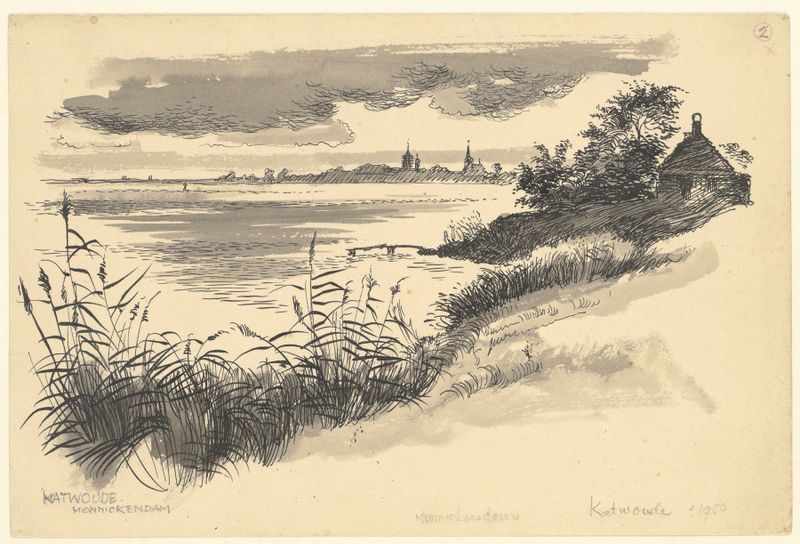
Gezicht vanuit Katwoude op Monnickendam
Maarten Oortwijn
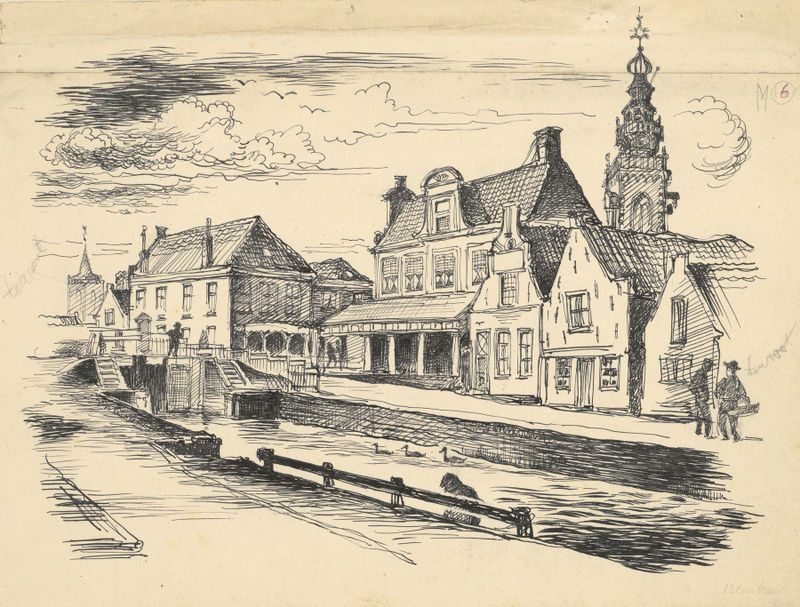
Gezicht vanaf de Gooische Kaai op de Waag
Maarten Oortwijn
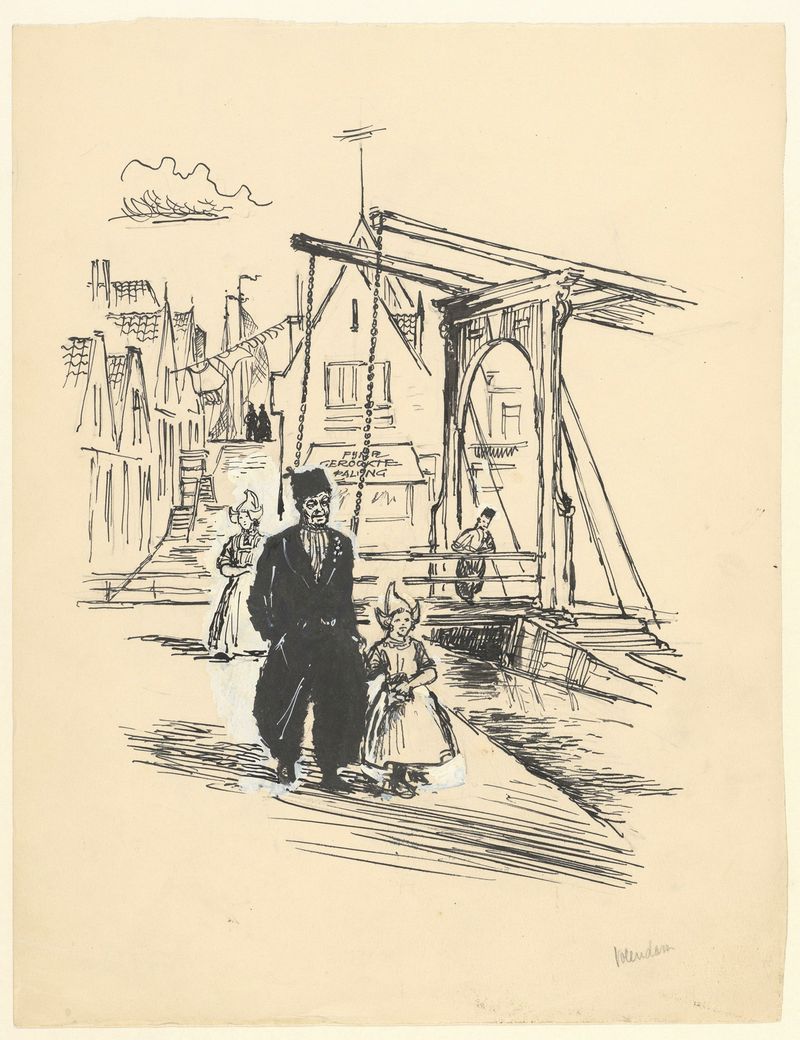
Gezicht te Volendam.
Maarten Oortwijn
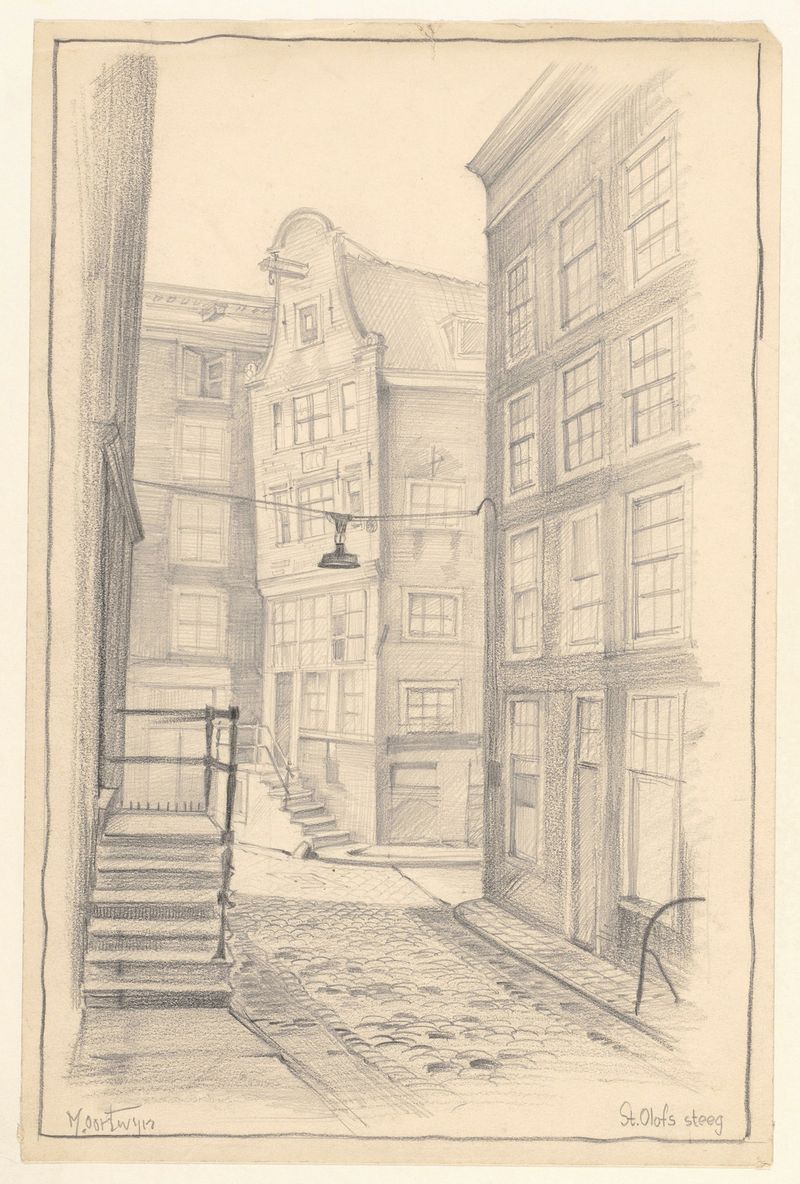
Gezicht in de St. Olofssteeg.
Maarten Oortwijn
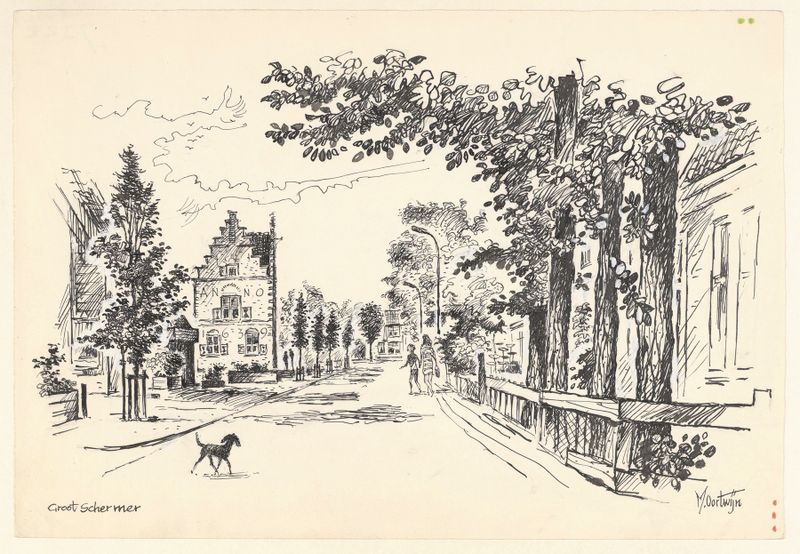
Gezicht te Grootschermer met het Raadhuis
Maarten Oortwijn
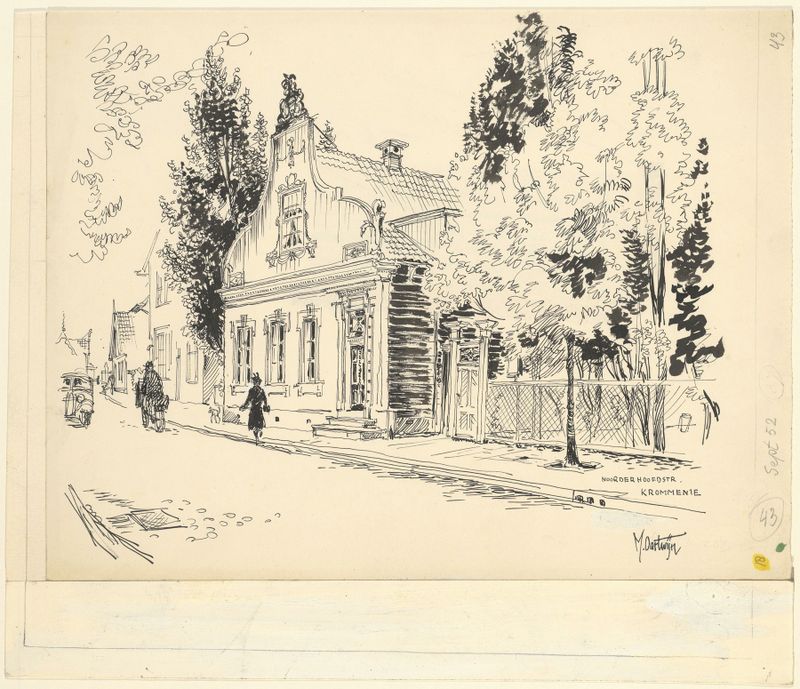
Gezicht in de Noorder
Maarten Oortwijn
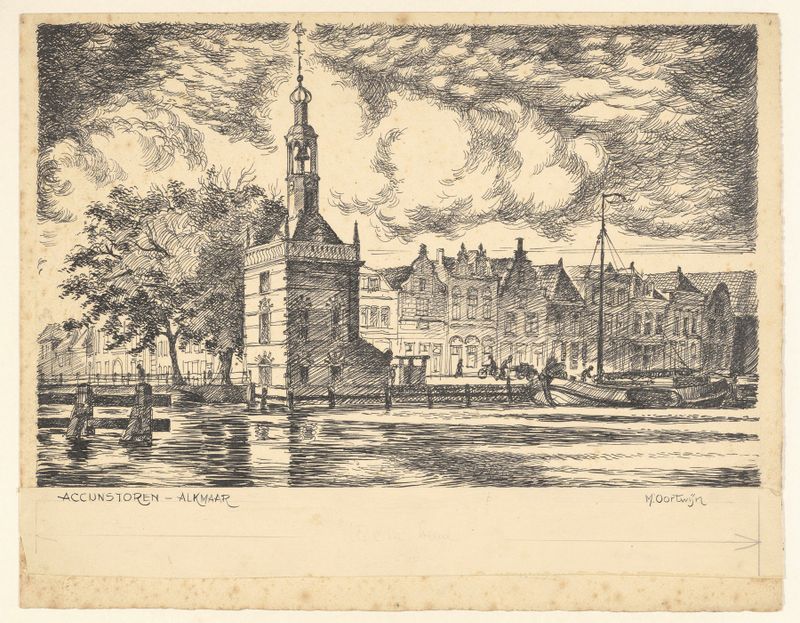
Gezicht op de Accijnstoren aan de Bierkade.
Maarten Oortwijn
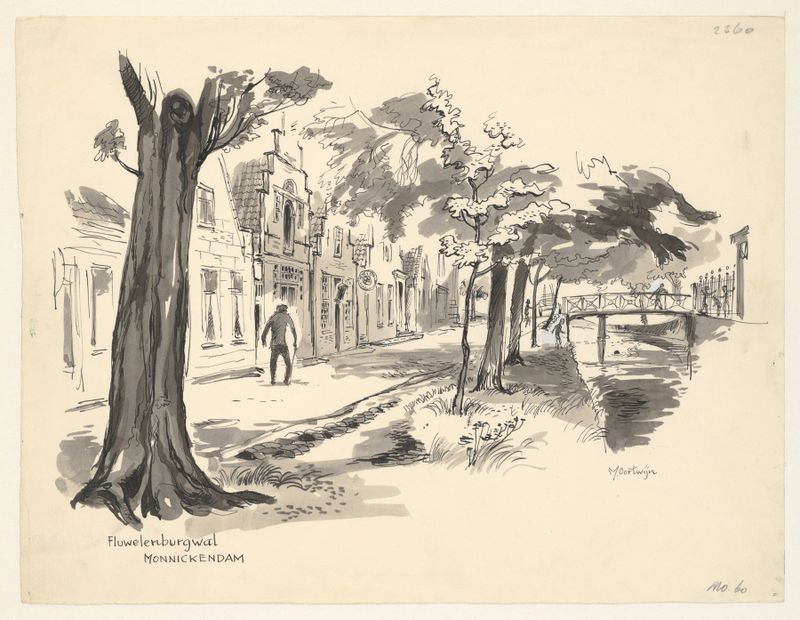
Fluwelenburgwal, Monnickendam
Maarten Oortwijn
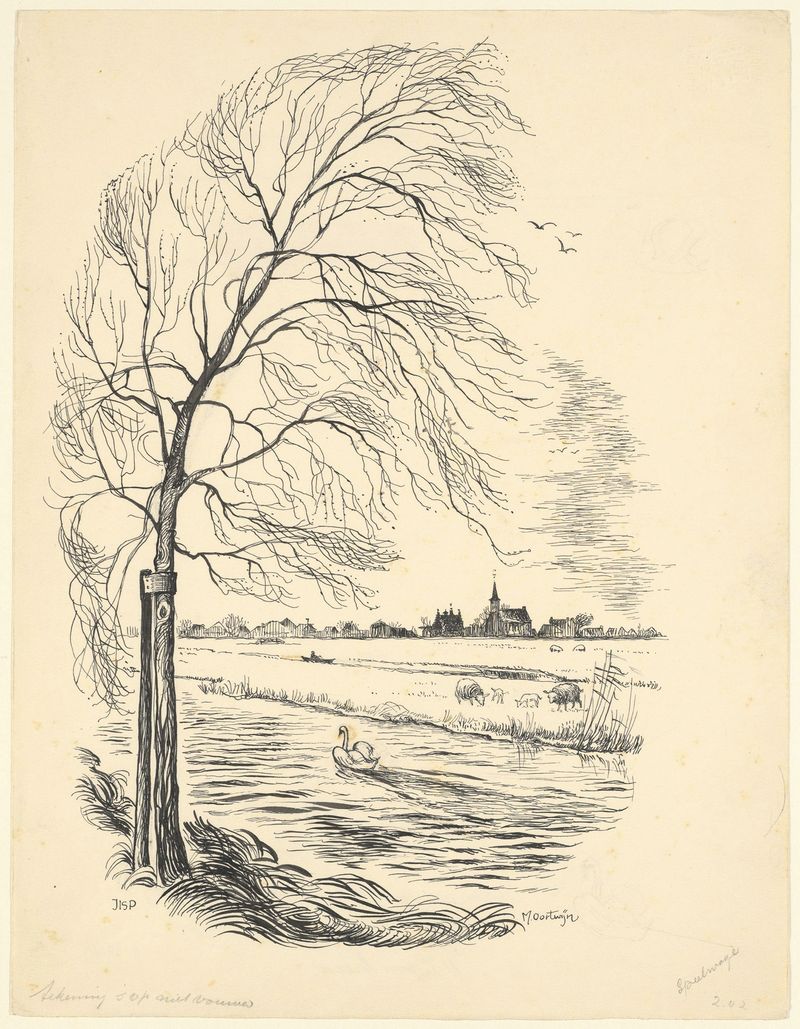
Gezicht op Jisp.
Maarten Oortwijn





