
Gezicht op Perpignan — History & Facts
In the stillness of a landscape, yearning seeps from the canvas, inviting observers to connect with their emotions. Focus on the lush greens and ochres that breathe life into the scene. Look closely at the horizon, where soft blues mingle with warm earth tones, creating a gentle gradient that draws the eye. The composition, punctuated by the delicate interplay of light and shadow, suggests a serene yet poignant moment, as if time is both standing still and slipping away. Nestled in the details, one can find a rich tapestry of emotional contrasts.
The vibrant foliage evokes a sense of vitality, while the distant, muted town hints at isolation, a longing for connection that juxtaposes the vibrancy of nature. There is a palpable tension between the lush foreground and the distant structures, which evoke human presence yet remain frustratingly enigmatic—symbolizing the unbridgeable gap between the self and the outside world. Otto Howen created Gezicht op Perpignan during a time when artists were increasingly exploring emotional landscapes in their work. Although the exact date is unknown, it reflects a period of experimentation in the early 20th century, when many sought to convey deeper feelings through their art.
Howen’s exploration of color and form resonates with contemporary movements that emphasized personal emotional experiences, establishing him as a significant figure in that evolving narrative.
More Artworks by Otto Howen
Browse all →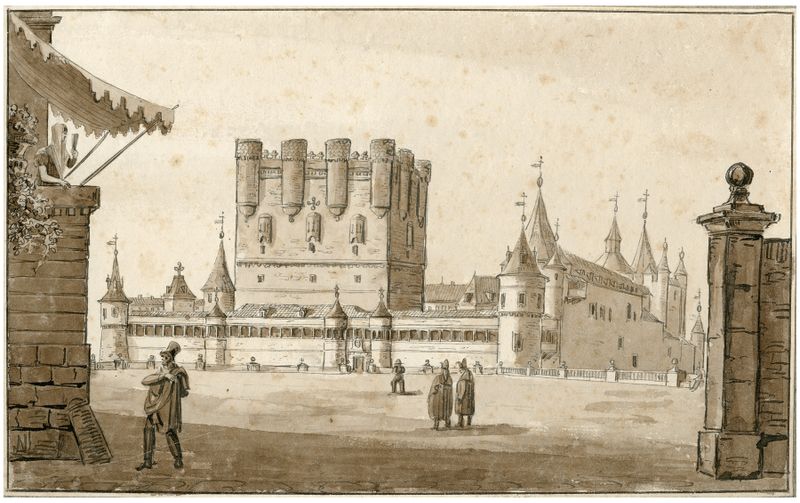
Het Alcazar te Segovia
Otto Howen
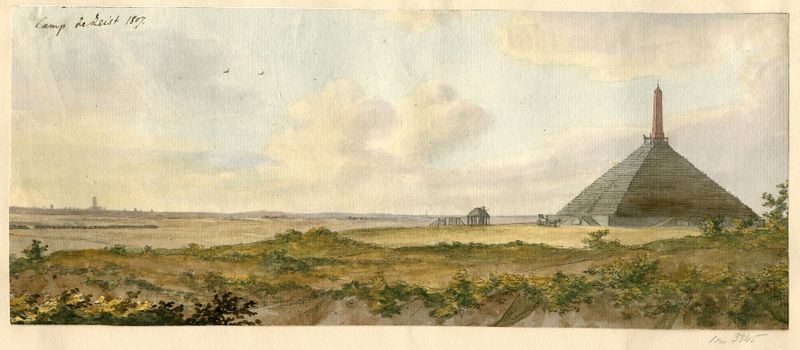
De piramide van Austerlitz bij Zeist
Otto Howen
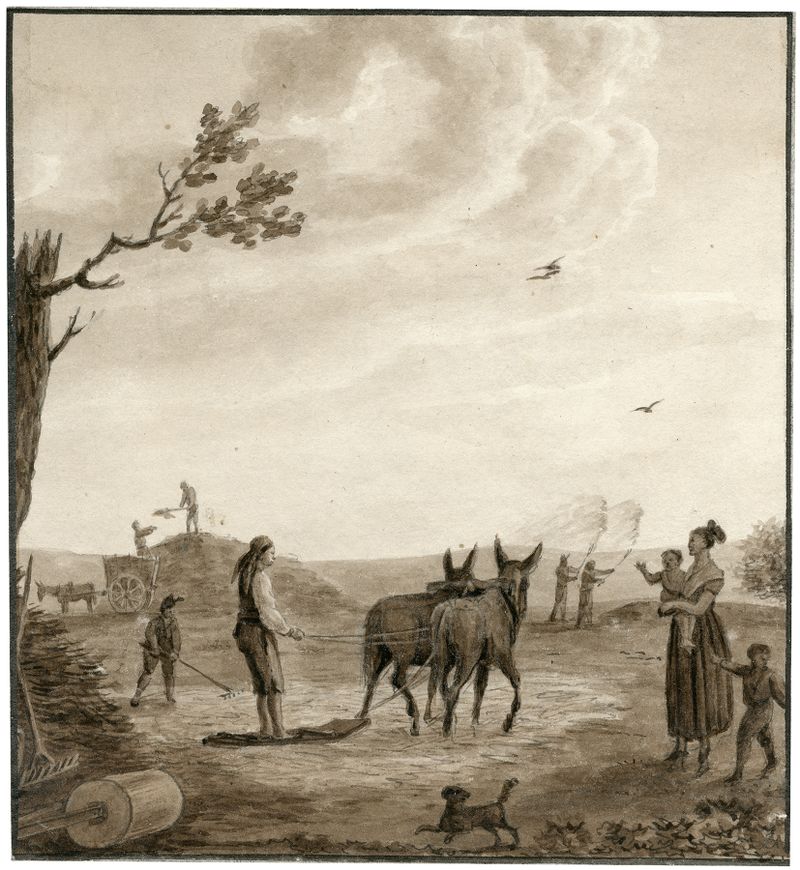
Het dorsen van het graan
Otto Howen
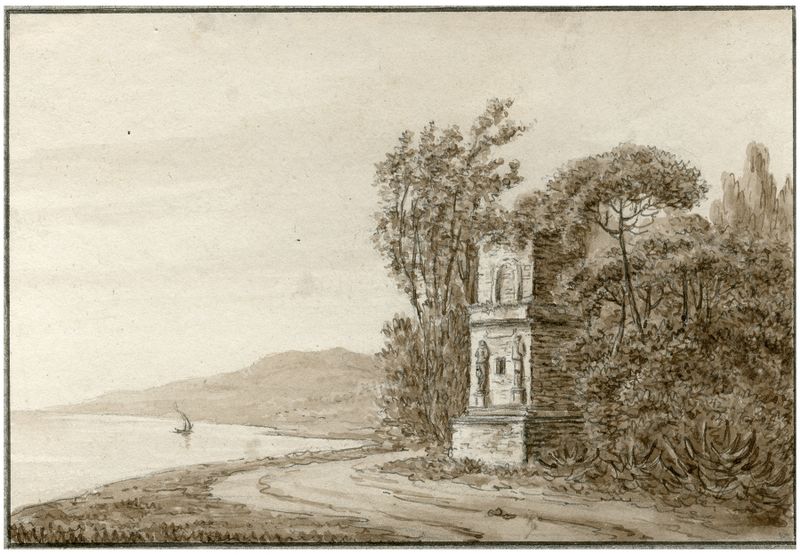
Een antiek monument in de omgeving van Taragone
Otto Howen
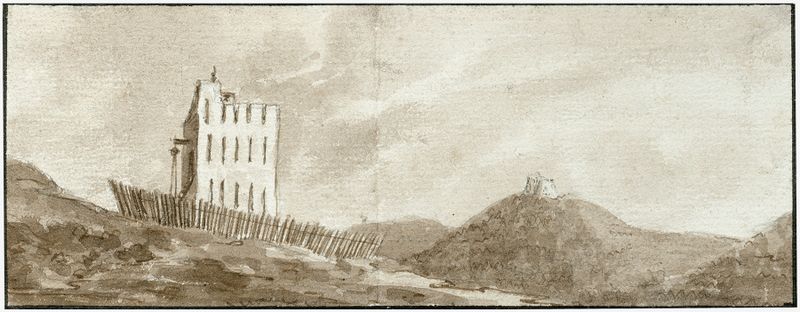
Gezicht in de omgeving van Gerona
Otto Howen
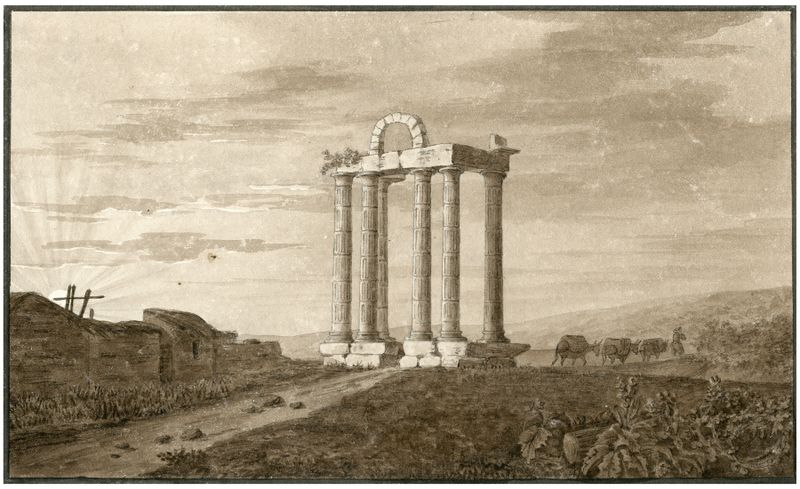
Antieke Ruïnes bij Talavera in Castillie
Otto Howen
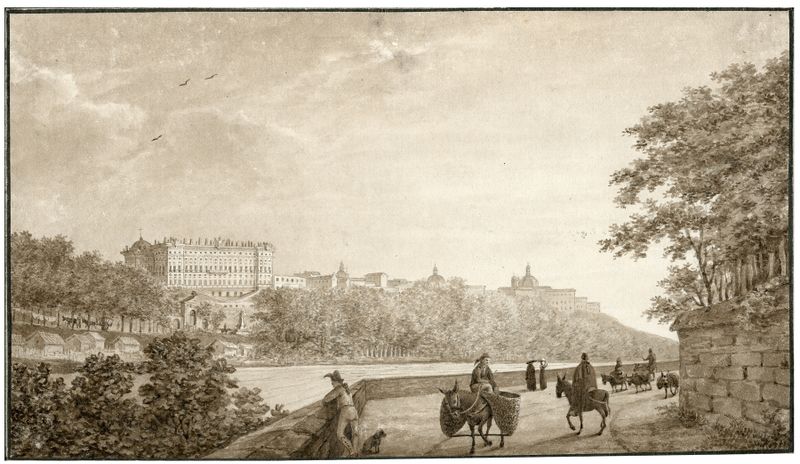
Het Koninklijke Paleis te Madrid
Otto Howen
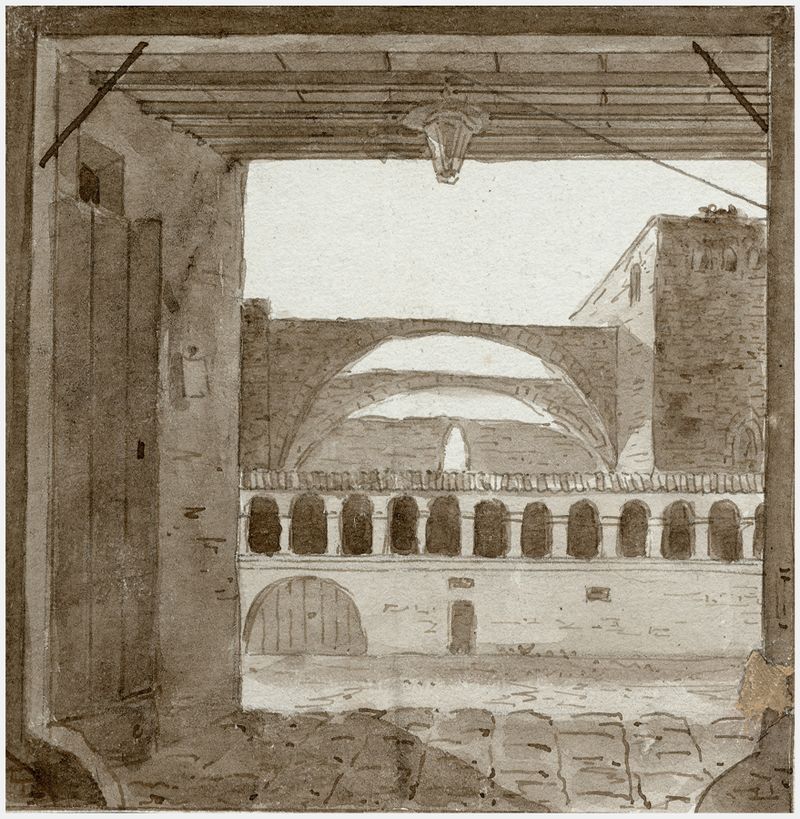
Ruïne van een klooster te Barcelona
Otto Howen
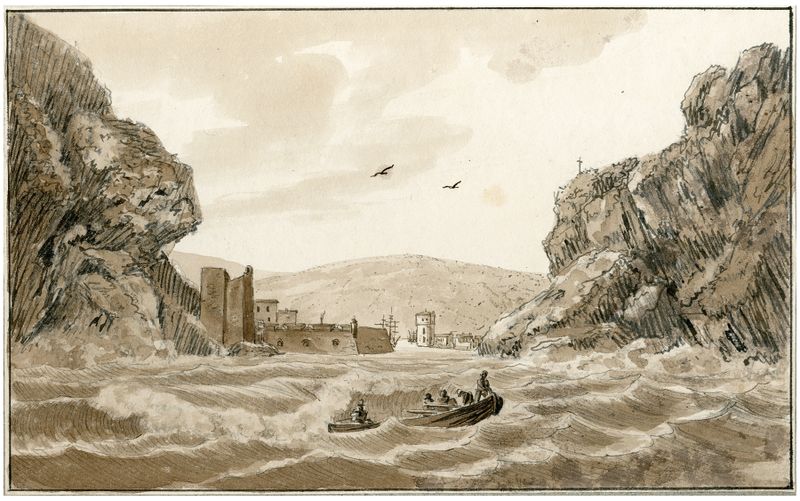
Een havenplaats in Spanje, Port de Passage
Otto Howen
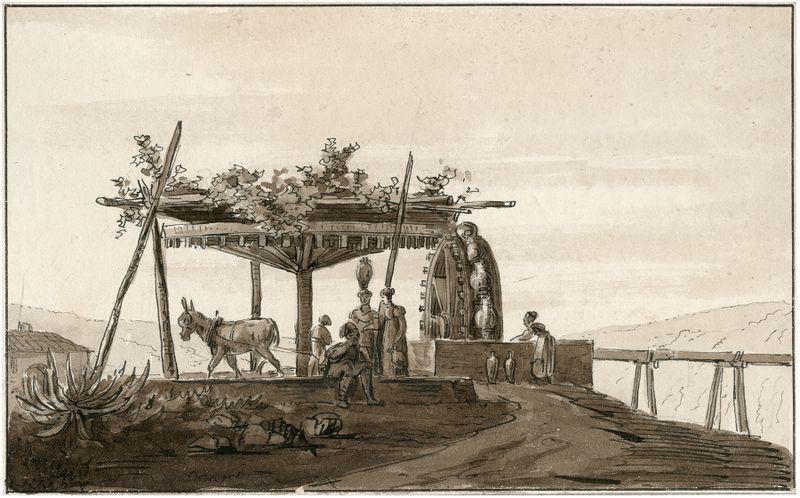
Een waterput met raderwerk en trekezel
Otto Howen





