
Gezicht op Saragossa — History & Facts
Where does light end, and longing begin? In the delicate strokes of Otto Howen’s Gezicht op Saragossa, the horizon bends not only around the cityscape but also around the human heart, echoing a sense of yearning that transcends the canvas. Look to the left at the soft blush of dawn illuminating the spires of Saragossa. The warm hues of peach and gold spill over the silhouettes of ancient buildings, creating a gentle contrast against the cool, muted blues of the sky. Notice the brushwork’s fluidity, guiding your eye toward the winding river that reflects the morning light, inviting a sense of calm amidst the architectural grandeur.
Each detail, from the delicate outlines of the structures to the sweeping clouds overhead, evokes a tranquil yet stirring atmosphere, as if this moment is suspended in time. Within this serene vista lies a palpable tension: the interplay between solidity and transience. The sturdy edifices represent history and permanence, while the ephemeral light hints at the fleeting nature of time and memory. The river, meandering gracefully, not only reflects the city but symbolically captures the passage of life—flowing onward, yet holding remnants of the past.
The entire scene invites viewers to ponder their own relationships with place and identity, igniting a deep-rooted nostalgia. Otto Howen created Gezicht op Saragossa during an indeterminate period, likely in the early 20th century, a time when many artists were exploring the effects of light and atmosphere in their works. Living in a rapidly changing world, he sought to capture the essence of moments that might otherwise fade, reflecting broader movements in the art world towards Impressionism and the exploration of emotional landscapes. This painting embodies that search for connection, both to the landscape and to the viewer's own experiences.
More Artworks by Otto Howen
Browse all →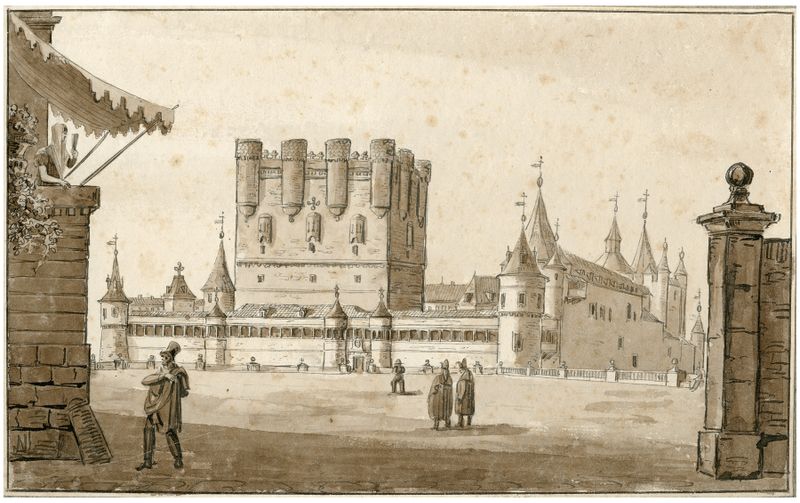
Het Alcazar te Segovia
Otto Howen
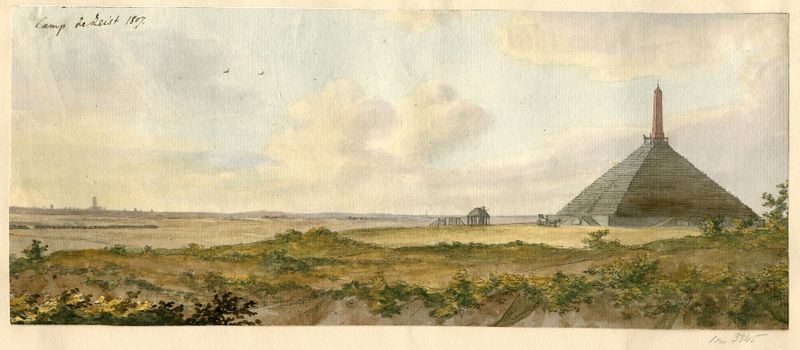
De piramide van Austerlitz bij Zeist
Otto Howen
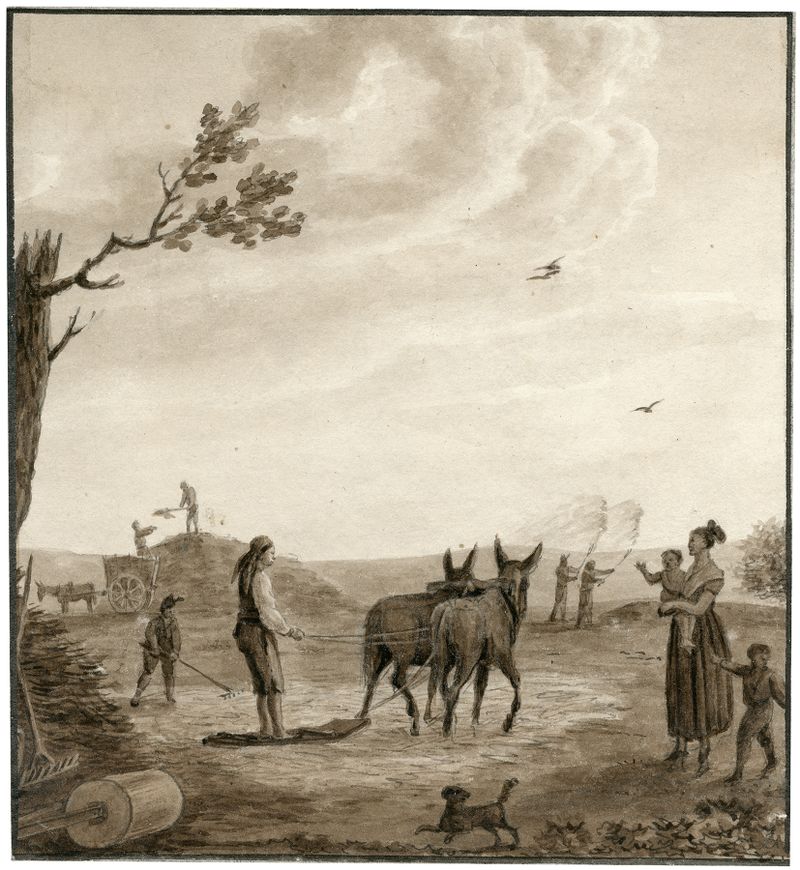
Het dorsen van het graan
Otto Howen
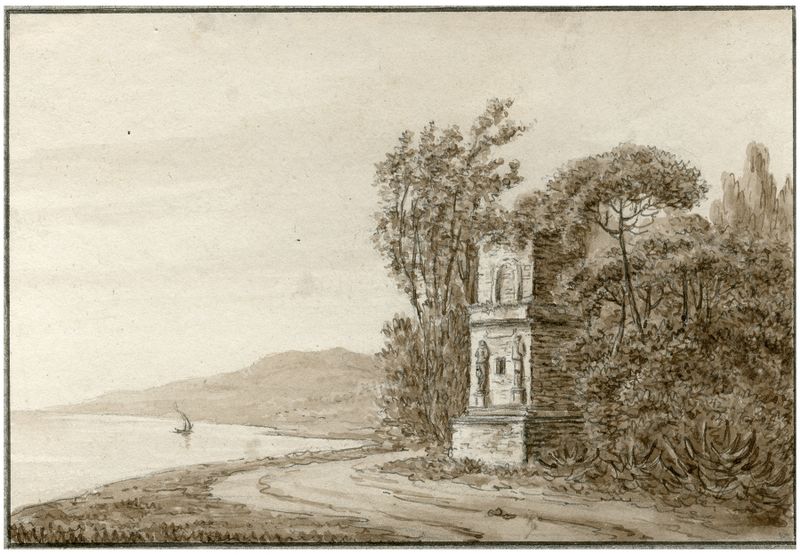
Een antiek monument in de omgeving van Taragone
Otto Howen
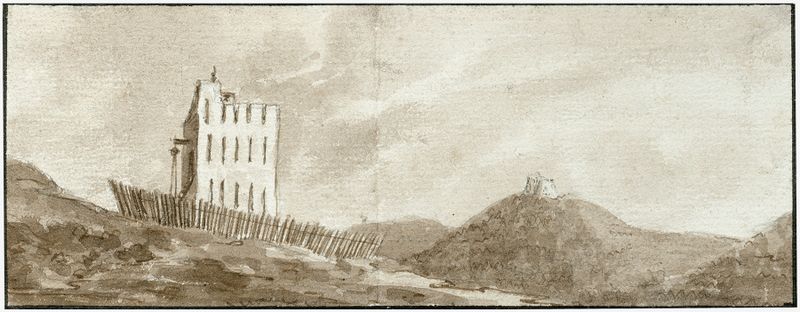
Gezicht in de omgeving van Gerona
Otto Howen
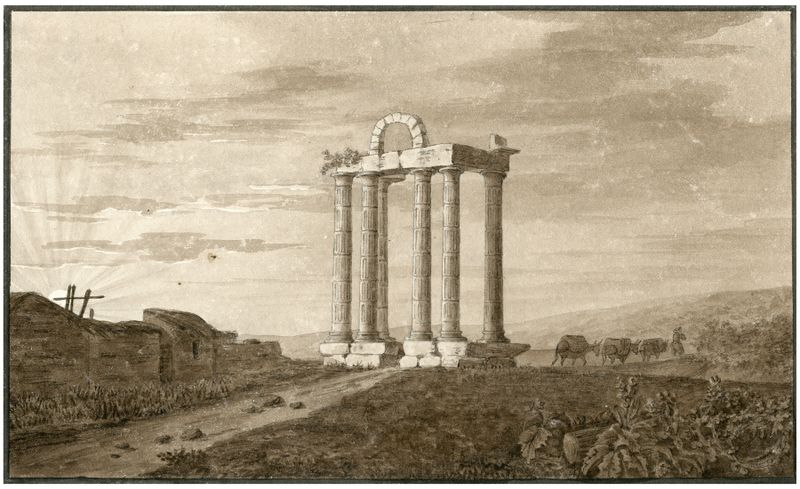
Antieke Ruïnes bij Talavera in Castillie
Otto Howen
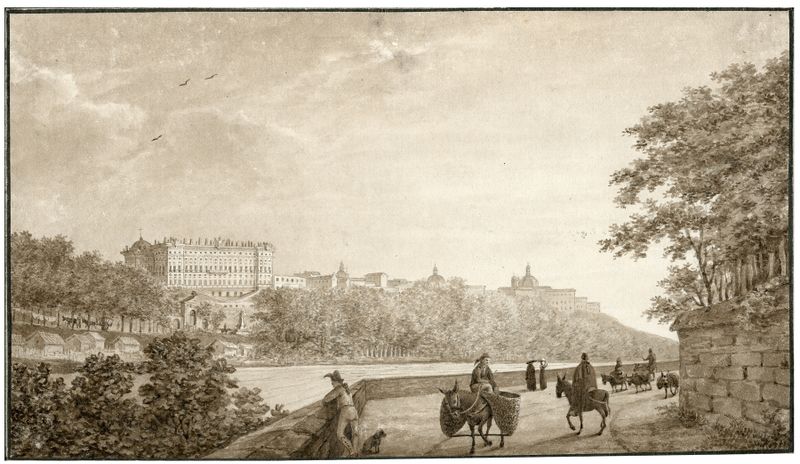
Het Koninklijke Paleis te Madrid
Otto Howen
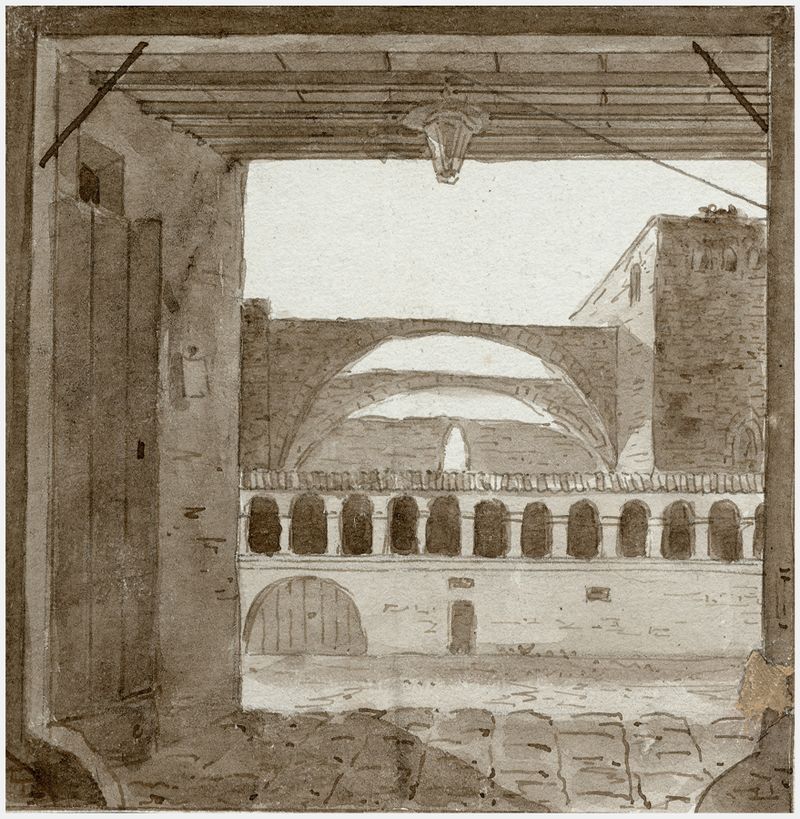
Ruïne van een klooster te Barcelona
Otto Howen
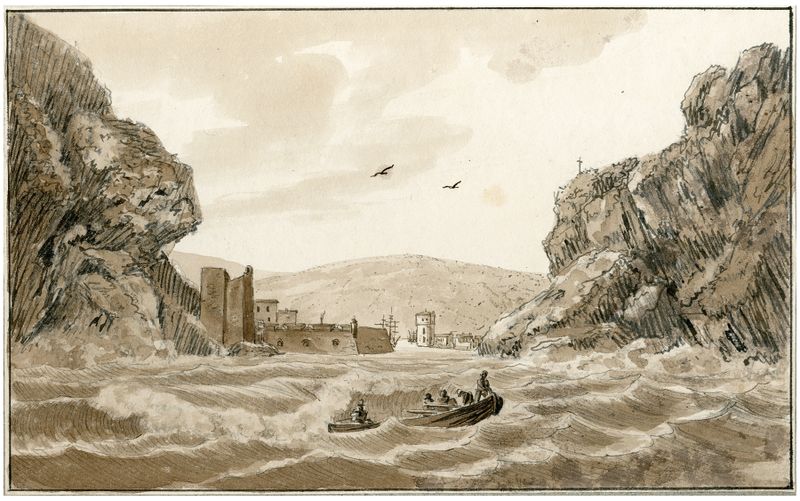
Een havenplaats in Spanje, Port de Passage
Otto Howen
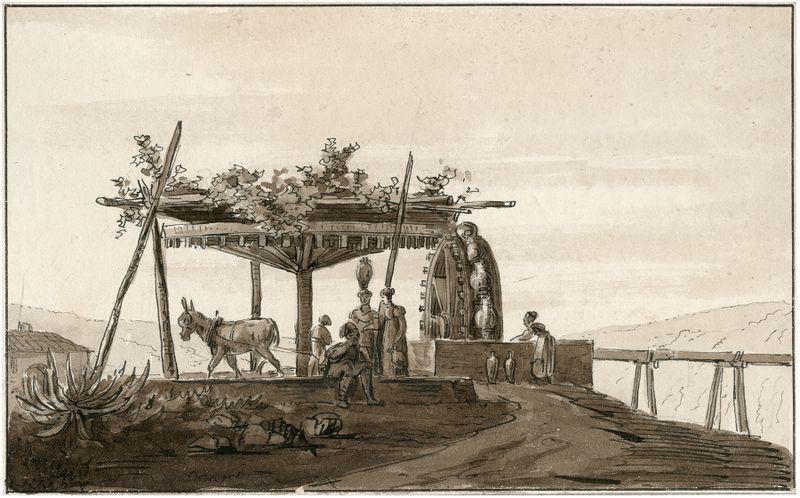
Een waterput met raderwerk en trekezel
Otto Howen





