Gezicht op Segovia met het aquaduct — History & Facts
In Gezicht op Segovia met het aquaduct, the yearning for connection pulses through the air, echoing in the stone archways and distant mountains. Look to the right at the majestic aqueduct, its geometric precision standing resolute against a soft, hazy sky. The cool gray tones of the stone contrast with the warm earth tones of the surrounding landscape, drawing your eye along the architectural lines that connect the ancient to the eternal. Notice how the sunlight bathes the aqueduct, illuminating its curves and casting long shadows that stretch like fingers reaching for something lost. Within the composition lies an emotional dialectic; the aqueduct, a symbol of human ingenuity, juxtaposes the rugged natural beauty of Segovia's hills.
This tension between man-made structure and the raw, untamed landscape captures the essence of longing—a desire for permanence in an impermanent world. The muted colors evoke nostalgia, making each observer confront their own sense of place and time, revealing that even the grandest monuments can be vessels for solitude. Otto Howen painted this work during a time when artists began to explore the intersection of nature and civilization, although the exact date remains uncertain. As he grappled with the evolving artistic landscape of the early 20th century, Howen sought to capture the beauty of architecture in harmony with its surroundings, reflecting a period marked by rapid change and deep reflection in both personal and artistic realms.
More Artworks by Otto Howen
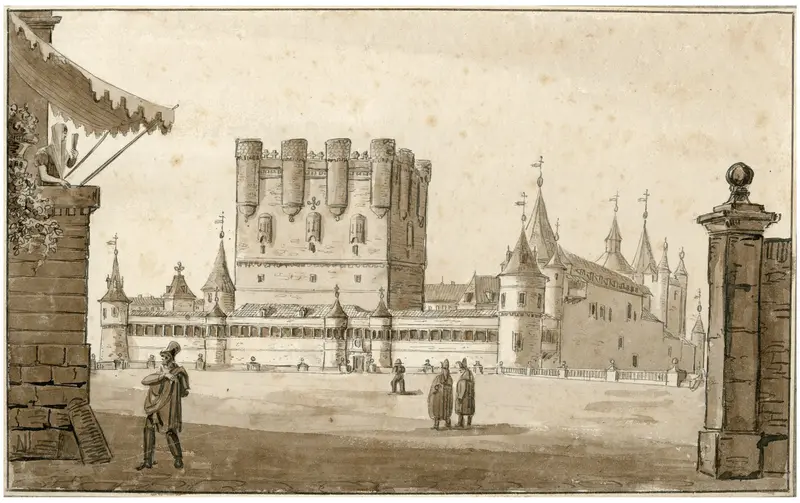
Het Alcazar te Segovia
Otto Howen
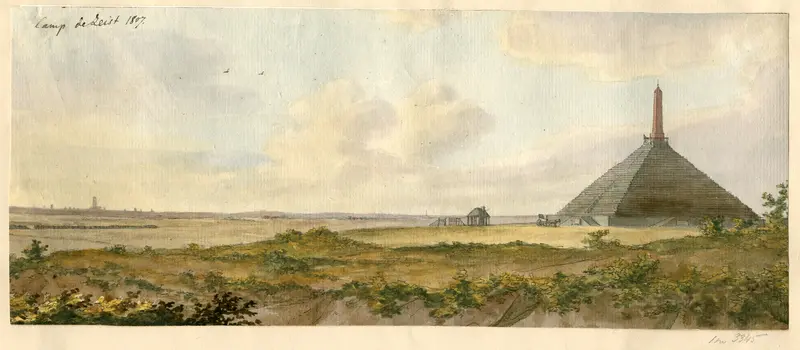
De piramide van Austerlitz bij Zeist
Otto Howen
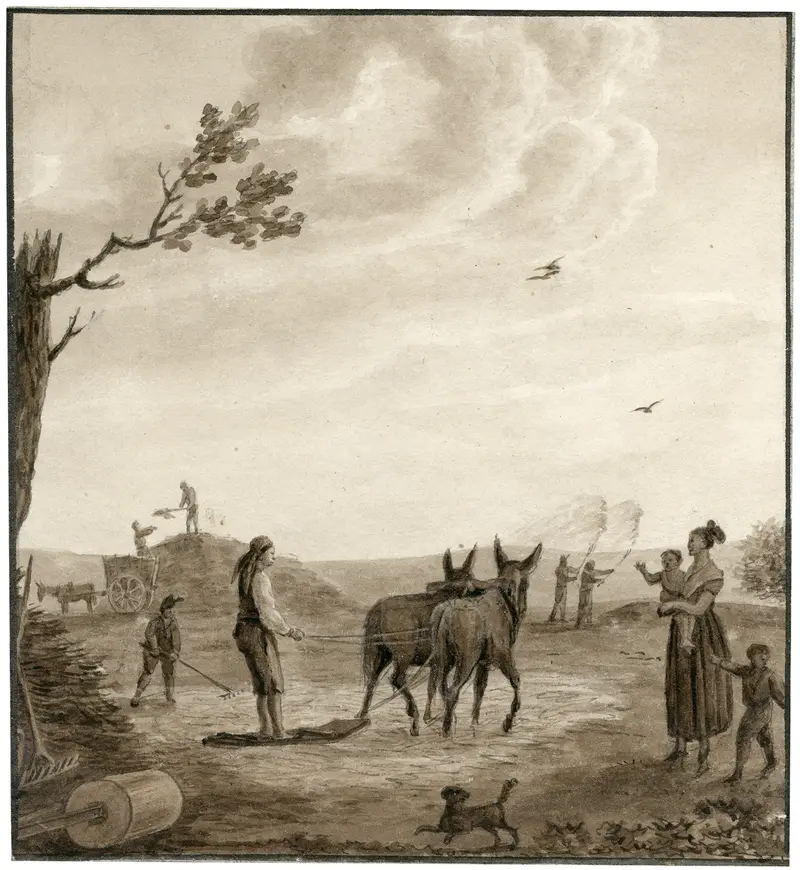
Het dorsen van het graan
Otto Howen
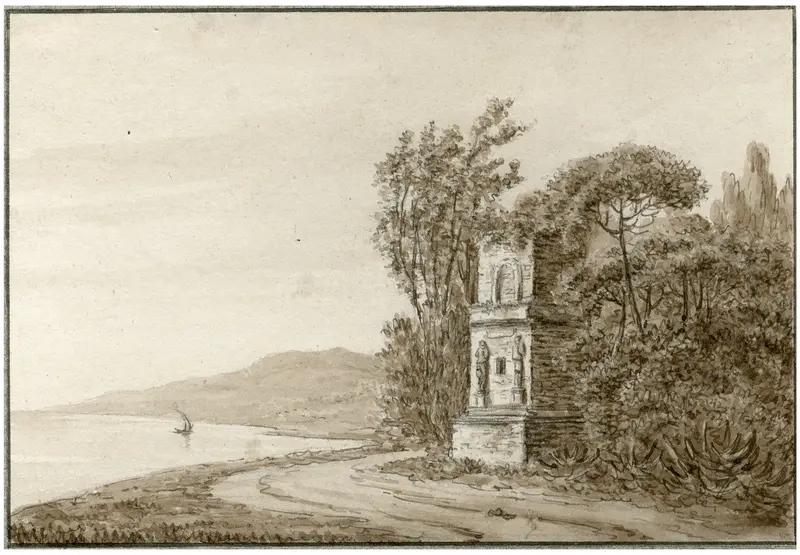
Een antiek monument in de omgeving van Taragone
Otto Howen
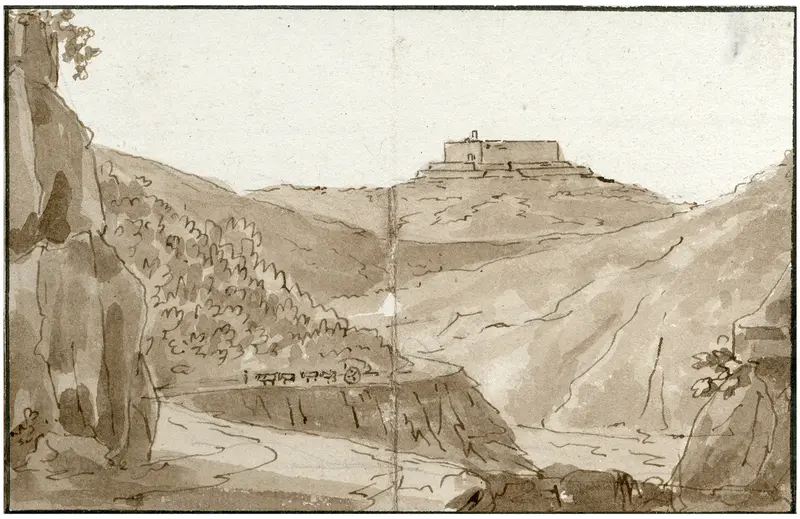
Kasteel Bellegarde in de Pyrenéén
Otto Howen
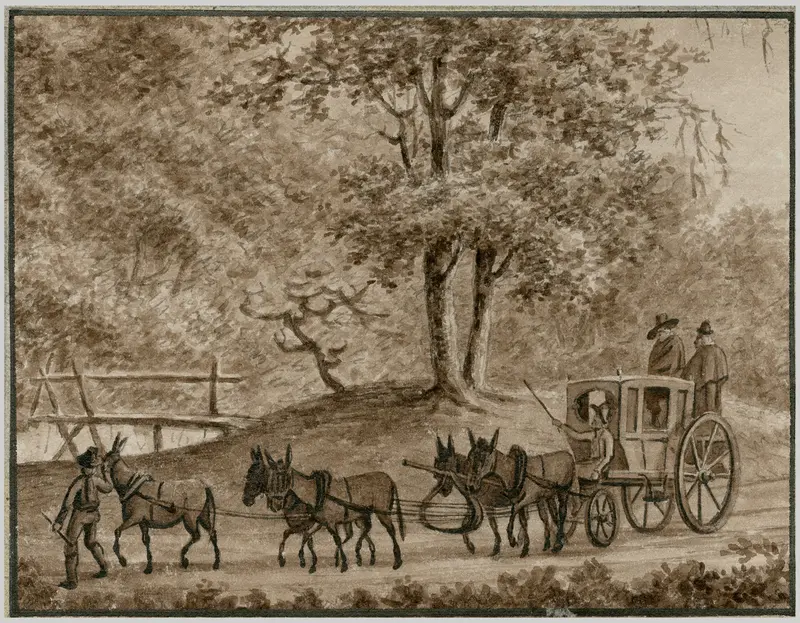
Spaanse koets in een landschap
Otto Howen
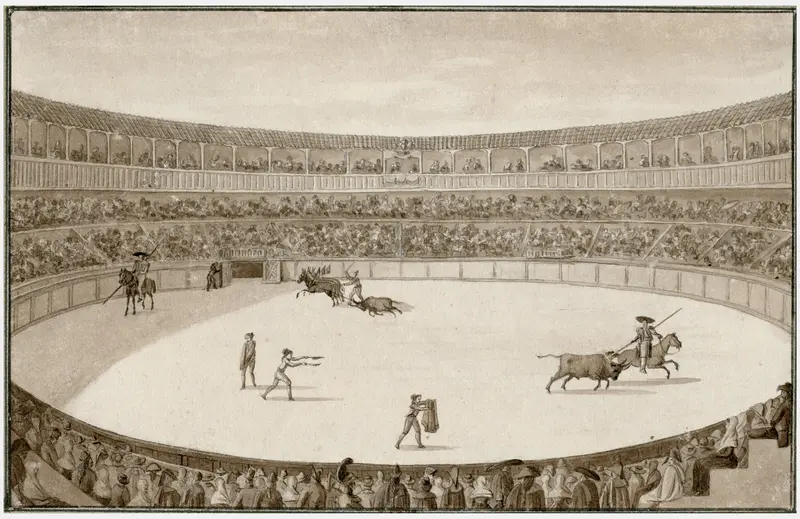
Stieregevecht in een arena
Otto Howen
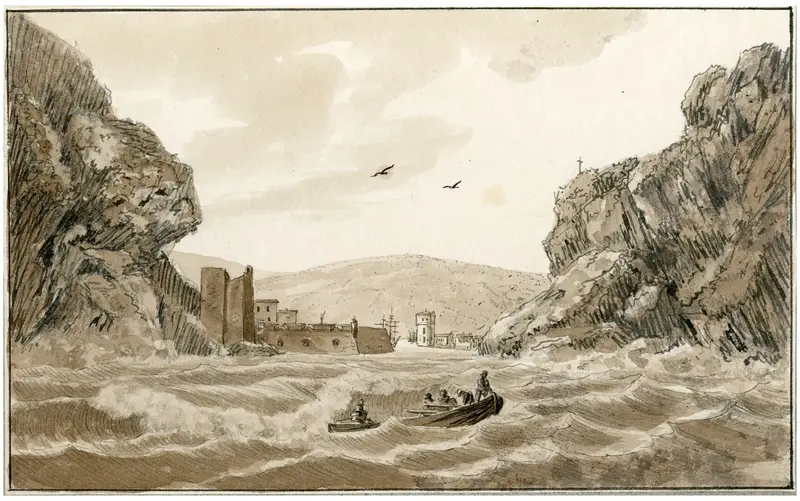
Een havenplaats in Spanje, Port de Passage
Otto Howen
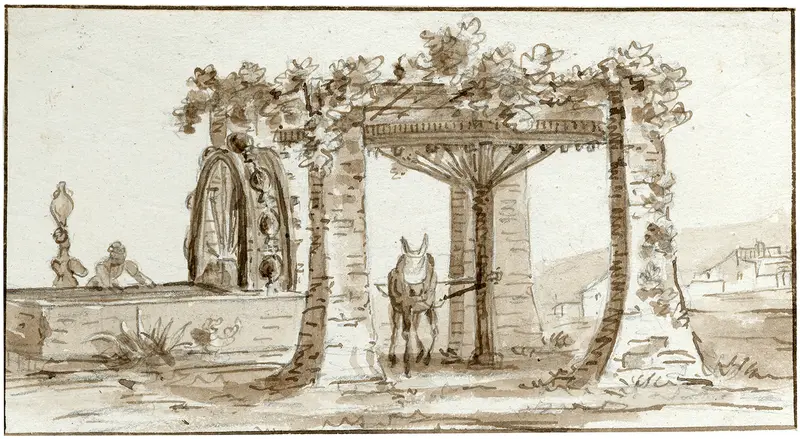
Een waterput met raderwerk en trekezel
Otto Howen
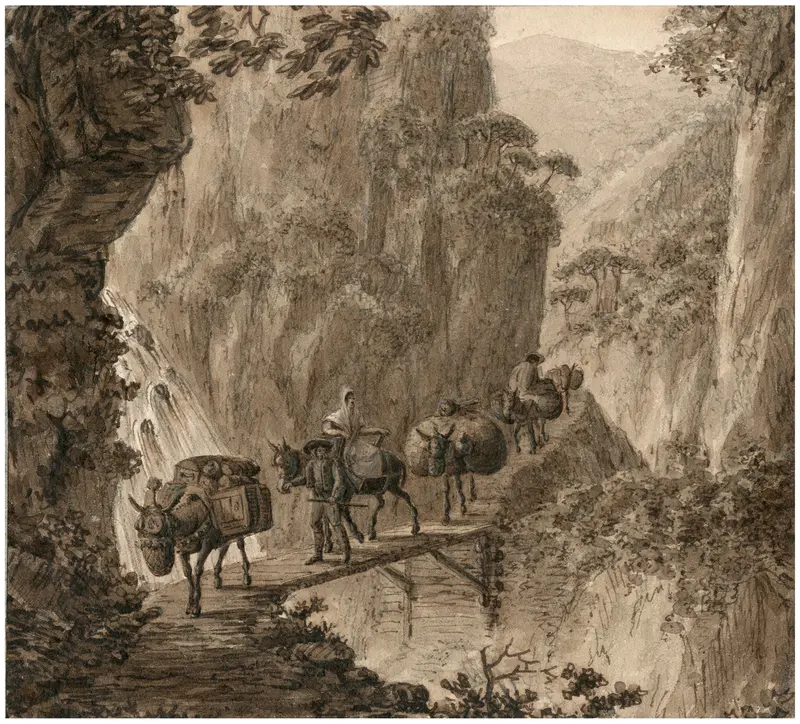
Een rij pakezels trekt door de bergen
Otto Howen