
Gezicht te Petten. achteruitzicht — History & Facts
Can beauty exist without sorrow? In the silent embrace of a coastal landscape, where the horizon meets the melancholy of unspoken thoughts, a reflection lingers in the air. Look closely at the foreground, where gentle waves caress the shore, their rhythmic dance revealing a sense of serenity amidst the scene's deeper undertones. Notice the way the palette shifts from the soft grays of the sky to the muted blues of the water, each brushstroke a testament to the artist’s meticulous technique. The horizon stretches wide, inviting the viewer to consider not only the beauty of the landscape but also the quiet unease that permeates it. As you explore the painting, you may find contrasting elements that evoke an emotional tension—between the tranquil water and the stormy clouds above, or the stillness of the scene contrasted with the viewer's internal contemplation.
Small details, such as the distant figures seeking solace on the beach, remind us of our place within nature's embrace, hinting at the fragile boundary between tranquility and turmoil. Each element invites reflection on personal experiences, encouraging an intimate dialogue with the artwork. During the late 1930s, Maarten Oortwijn painted Gezicht te Petten. achteruitzicht, a time marked by political upheaval in Europe and the looming shadow of war.
Living in the Netherlands, where the artistic community began to grapple with existential themes, Oortwijn’s work reflected a shift towards capturing the nuances of emotion and landscape. The painting stands as a bridge between personal introspection and the broader social context of its time, encapsulating a moment of collective uncertainty.
More Artworks by Maarten Oortwijn
Browse all →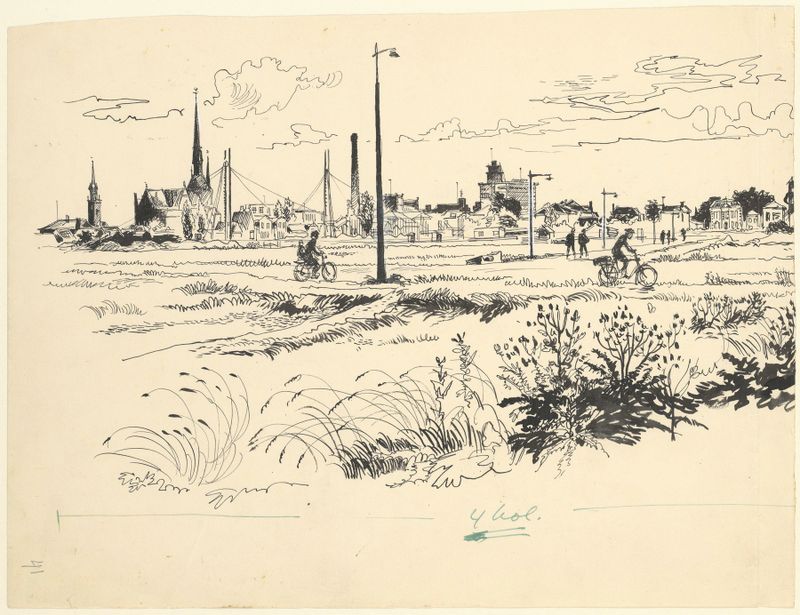
Gezicht op Koog aan de Zaan.
Maarten Oortwijn
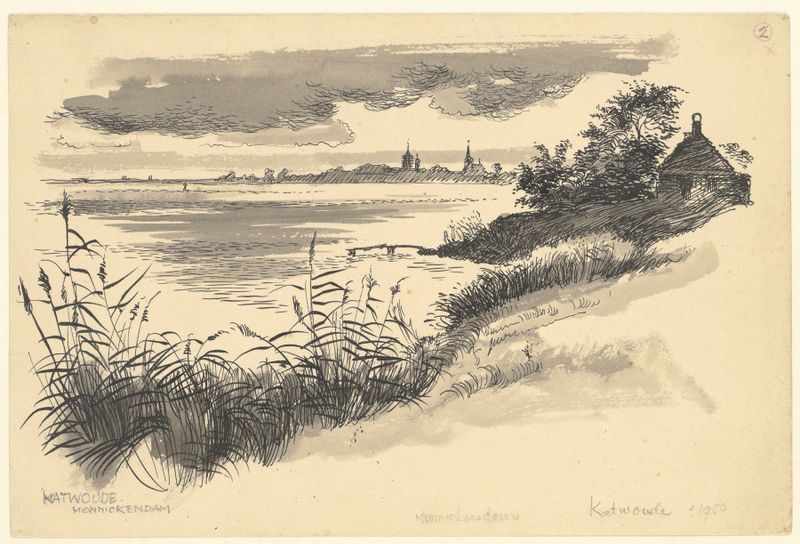
Gezicht vanuit Katwoude op Monnickendam
Maarten Oortwijn
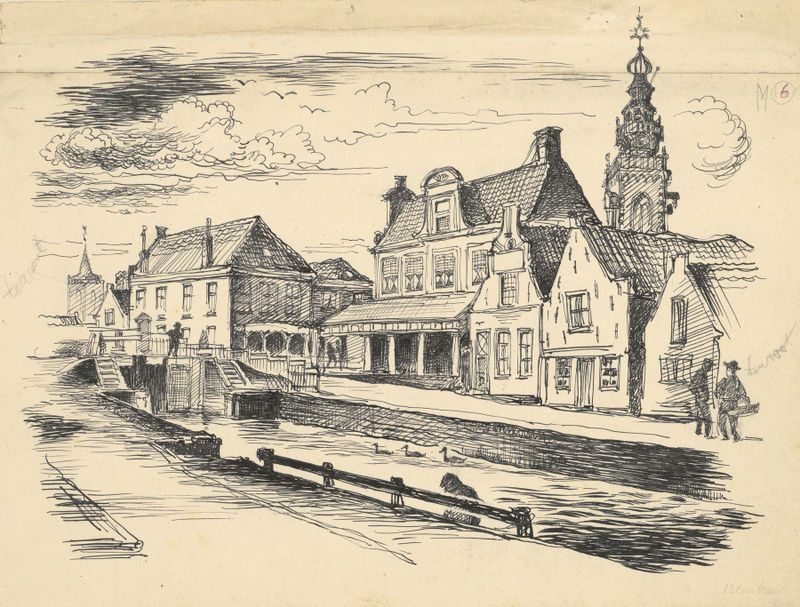
Gezicht vanaf de Gooische Kaai op de Waag
Maarten Oortwijn
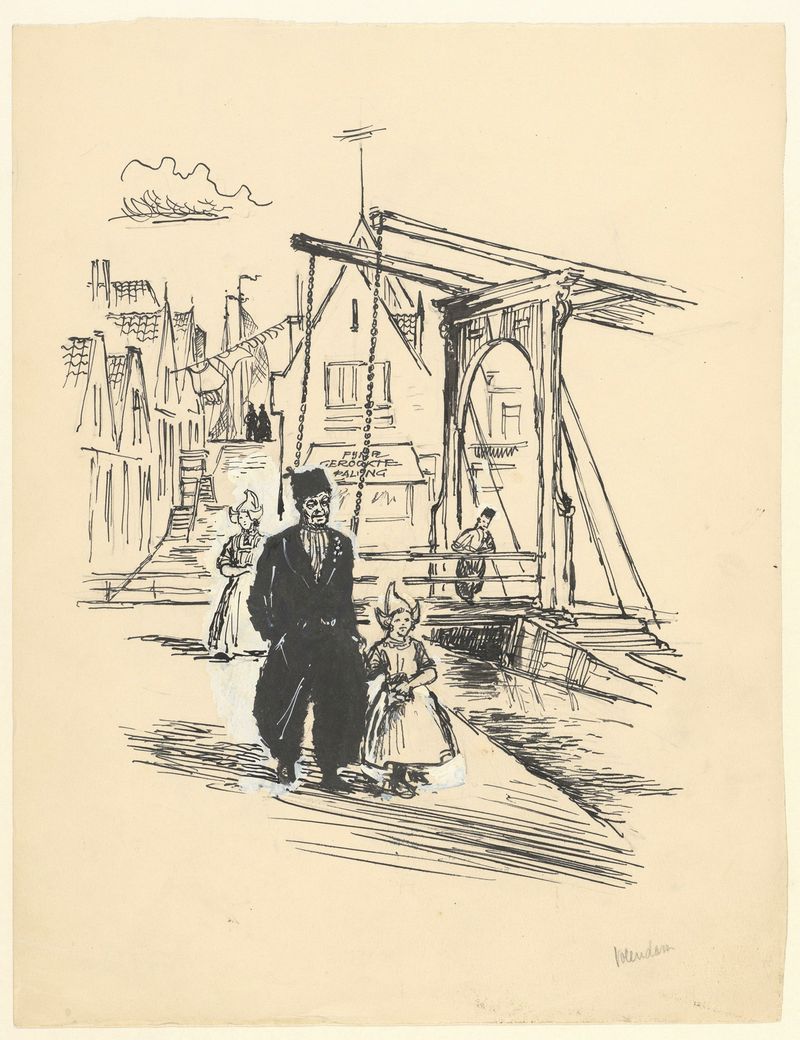
Gezicht te Volendam.
Maarten Oortwijn
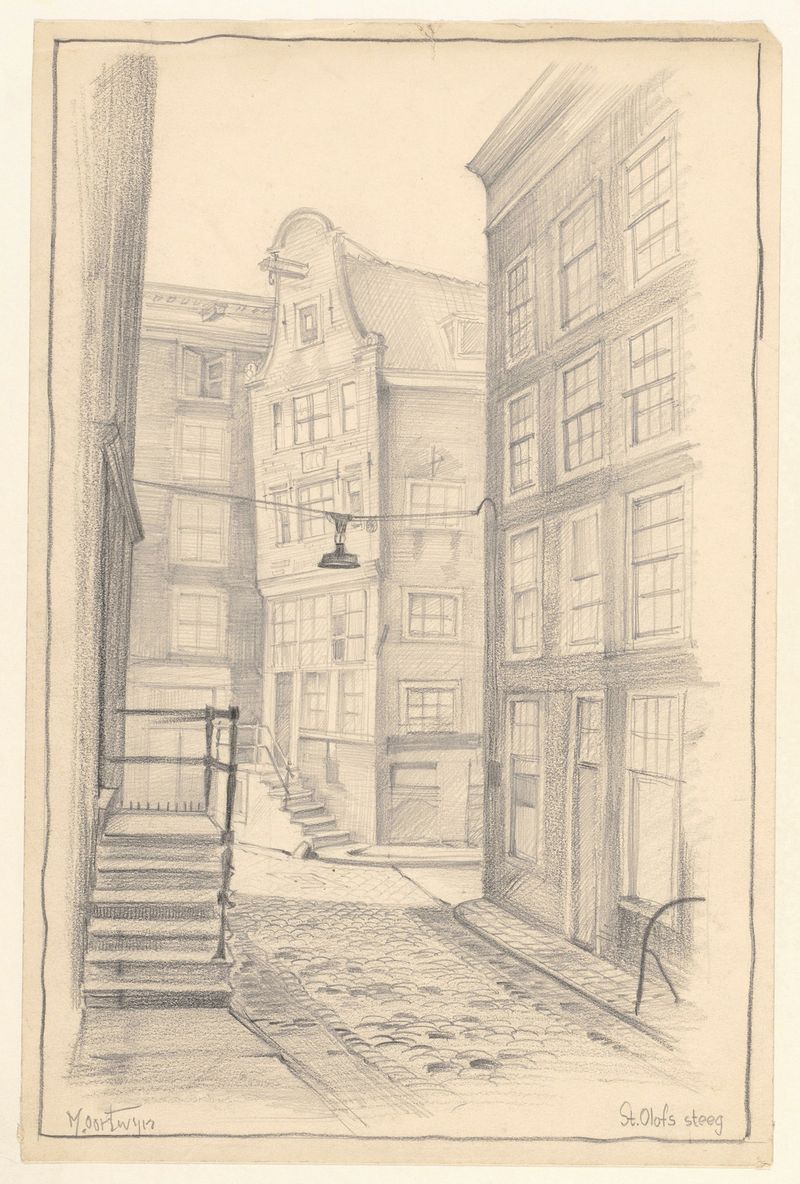
Gezicht in de St. Olofssteeg.
Maarten Oortwijn
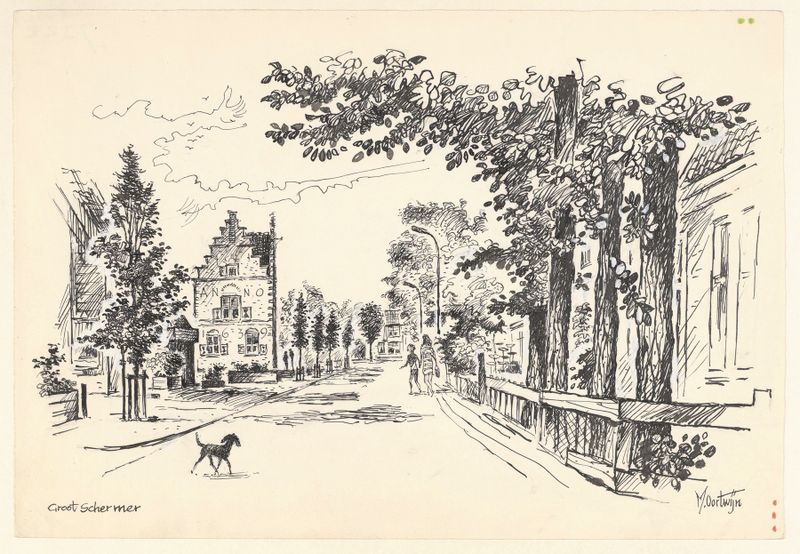
Gezicht te Grootschermer met het Raadhuis
Maarten Oortwijn
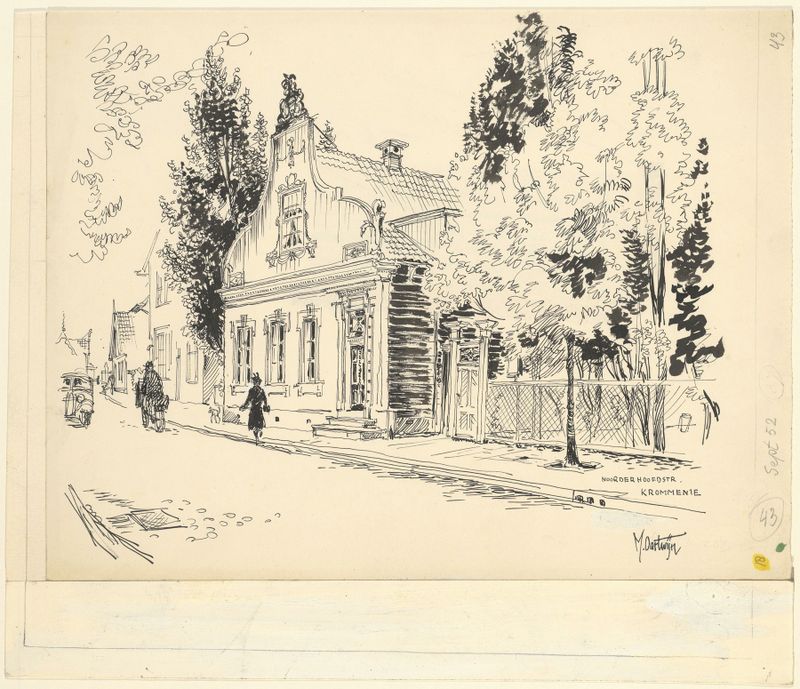
Gezicht in de Noorder
Maarten Oortwijn
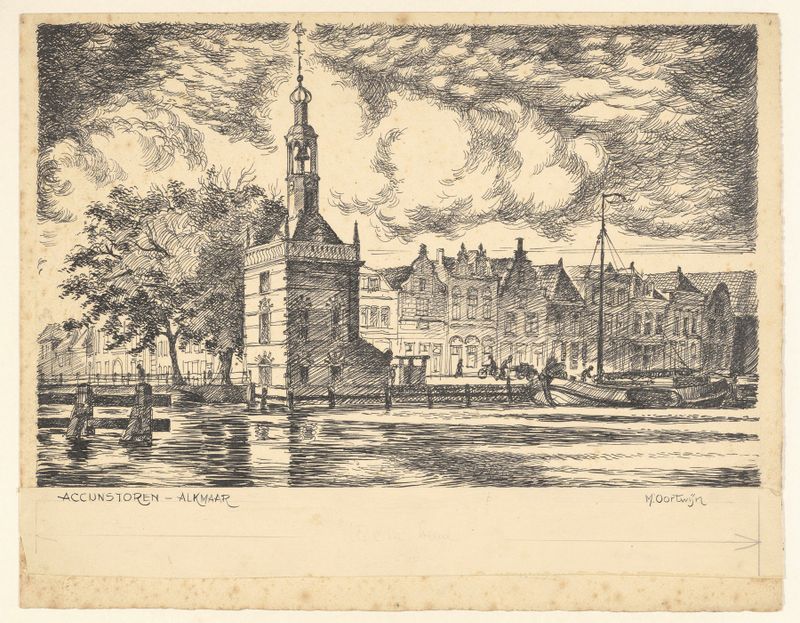
Gezicht op de Accijnstoren aan de Bierkade.
Maarten Oortwijn
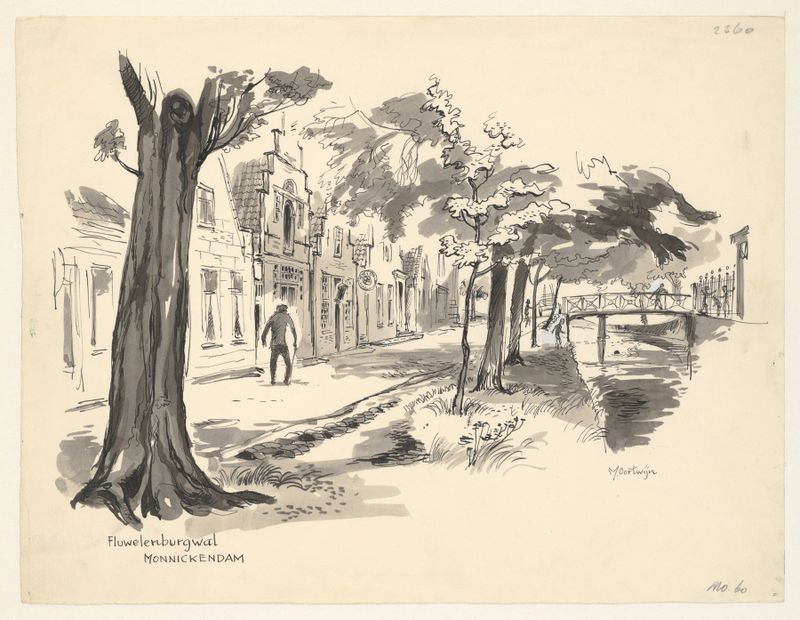
Fluwelenburgwal, Monnickendam
Maarten Oortwijn
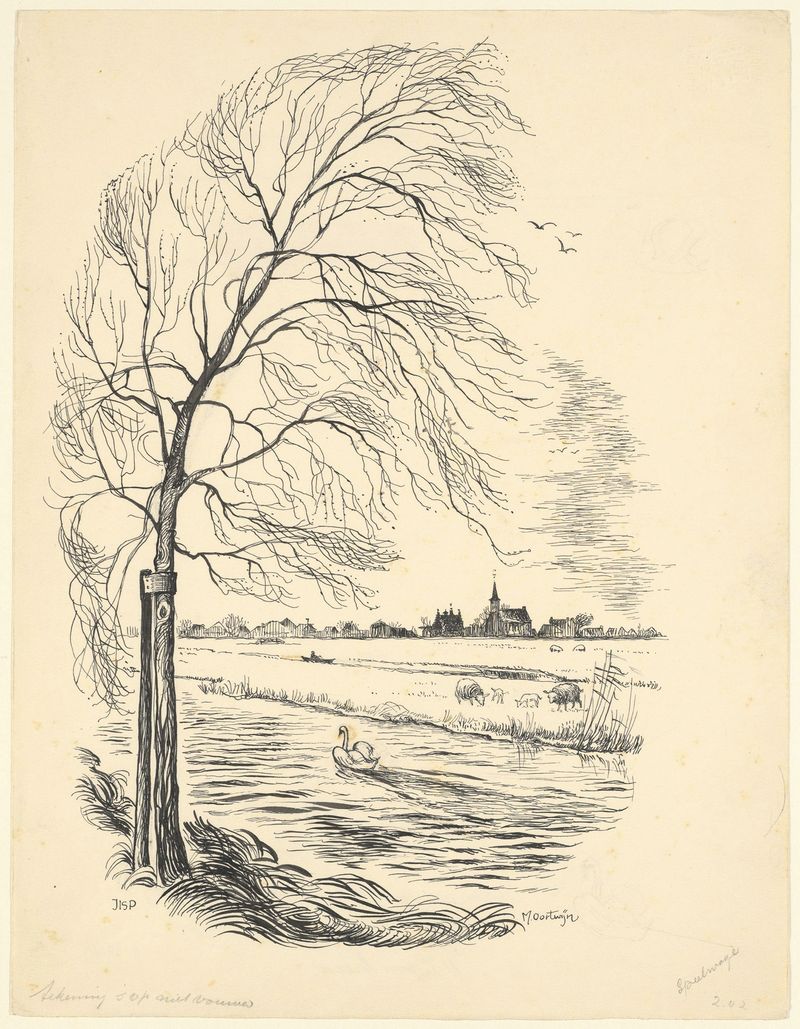
Gezicht op Jisp.
Maarten Oortwijn





